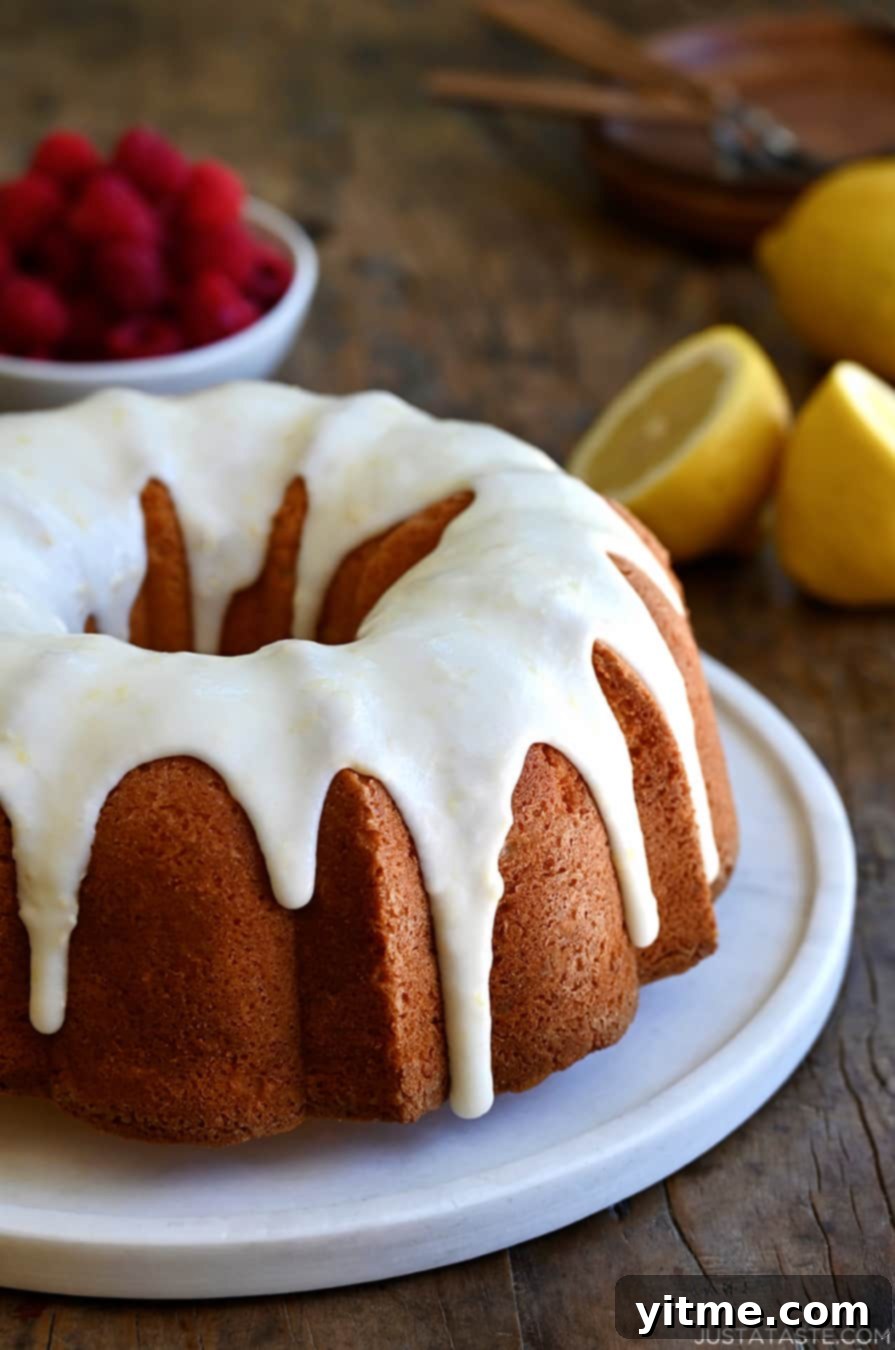
Ultimate Glazed Lemon Pound Cake: Extra Moist, Tangy, and Irresistibly Delicious
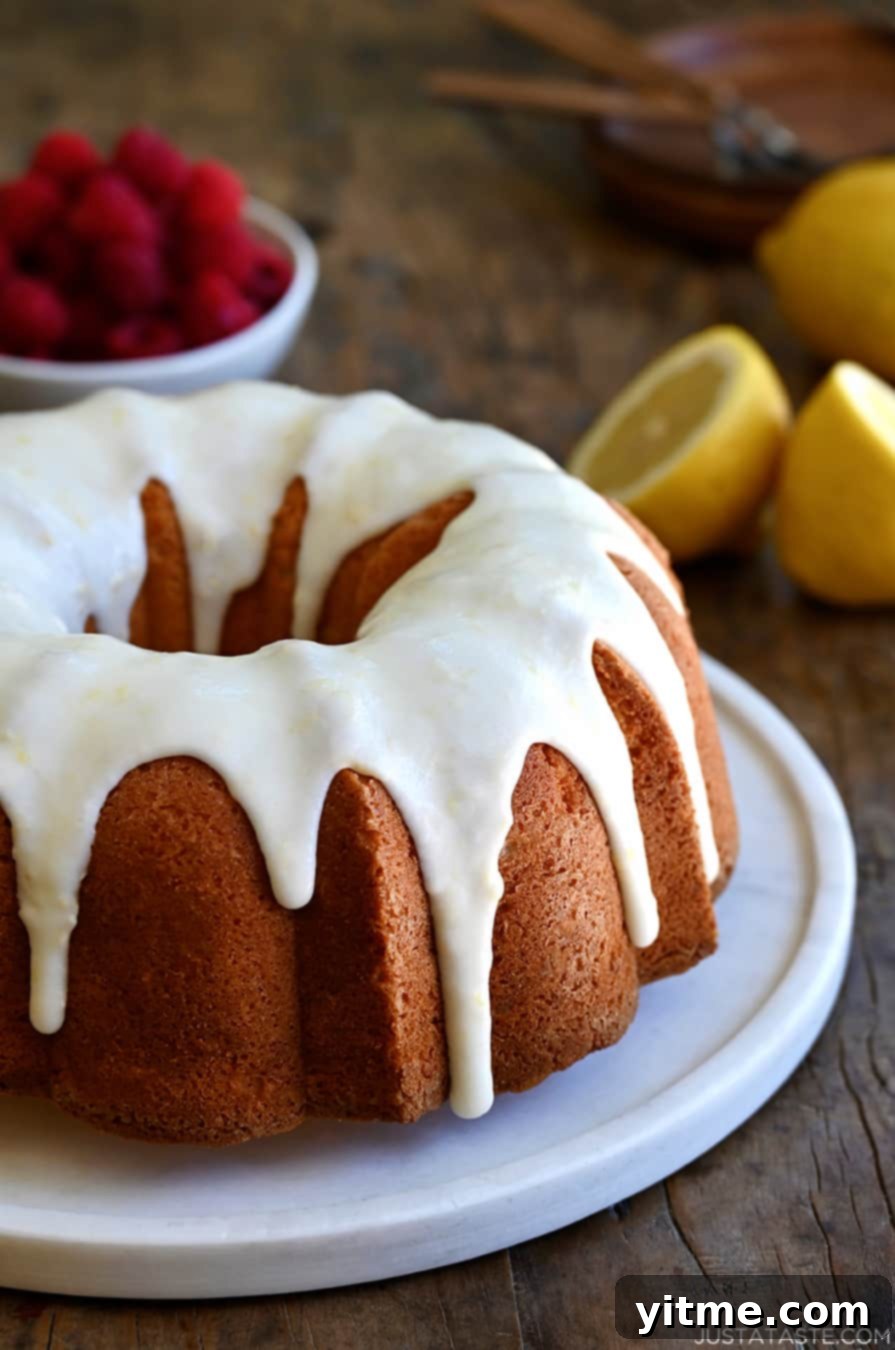
Embark on a culinary journey to citrus perfection with our meticulously crafted recipe for Glazed Lemon Pound Cake. This isn’t just any pound cake; it’s a masterpiece of texture and flavor, featuring an extra-moist and incredibly tender crumb, generously infused with the vibrant zest and bright juice of fresh lemons. Each slice promises a delightful burst of tangy sweetness, making it an unforgettable dessert for any occasion.
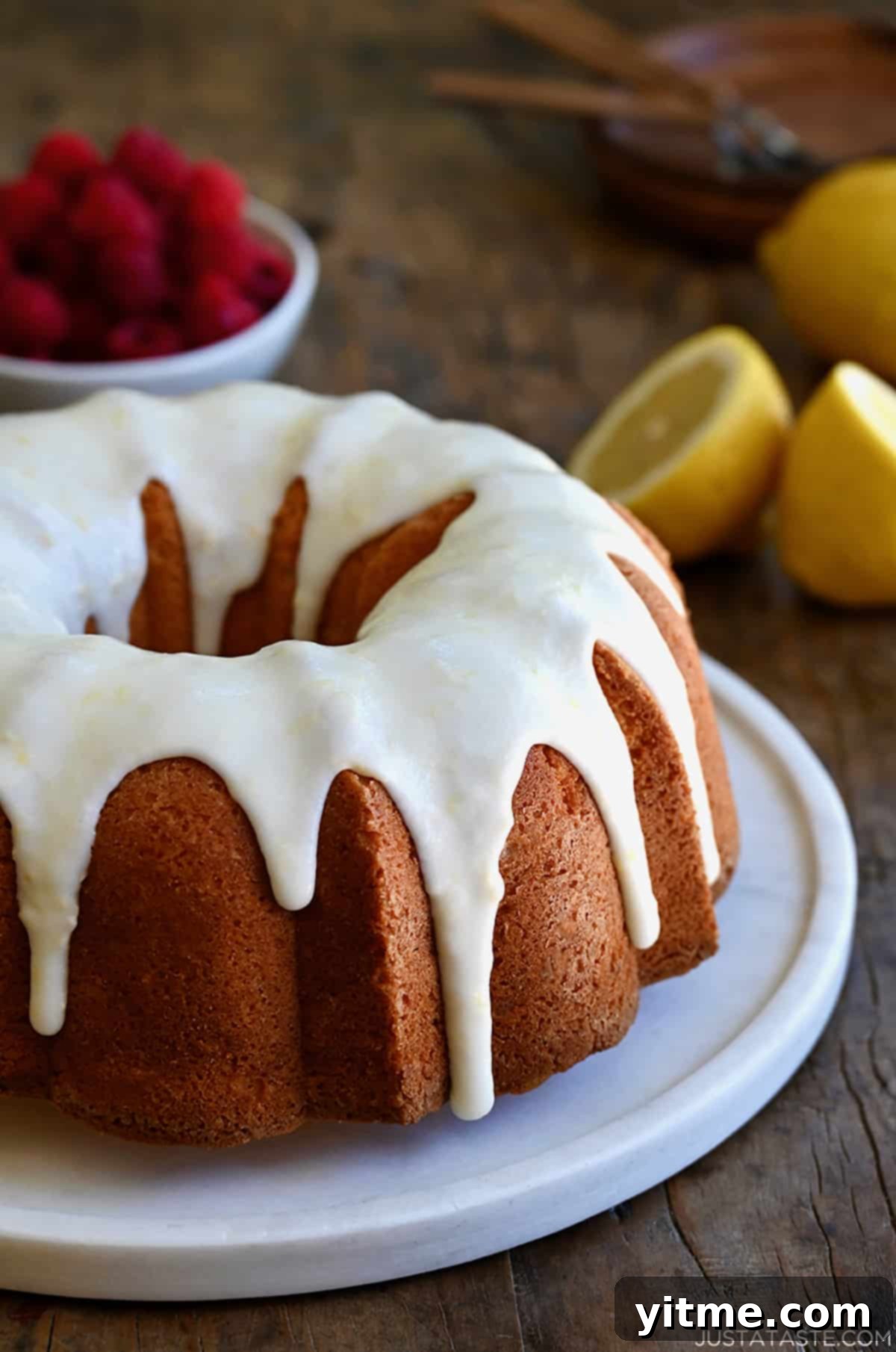
Table of Contents
- Why You’ll Love this Recipe
- Featured in Woman’s World Magazine
- Key Ingredients You’ll Need
- How to Make Pound Cake in a Bundt Pan
- How to Make Lemon Glaze
- Optional Add-Ins and Variations
- Recipe Tips for Success
- Frequently Asked Questions
- More Dessert Recipes You’ll Love
- Glazed Lemon Pound Cake Recipe Card
Lemon, with its bright and refreshing profile, consistently elevates my favorite sweet treats. From zesty Lemon Cheesecake Bars to this fluffy, moist, and undeniably delectable pound cake, citrus brings an unparalleled vibrancy. What sets this particular recipe apart is the dual infusion of lemon juice and lemon zest, not only in the cake batter but also generously in the glaze. This ensures an invigorating burst of citrus flavor with every single bite, truly making it the star of any dessert spread.
Diverging from traditional pound cake recipes that often rely solely on butter, our version incorporates both sour cream and cream cheese into the batter. This thoughtful addition is the secret behind the cake’s intensely moist texture and remarkably dense yet tender crumb. These ingredients work in harmony to create a rich, velvety consistency that’s deeply satisfying without being heavy. Continue reading for the full recipe and discover essential tips designed to guarantee your baking success!
Why You’ll Love This Recipe
- Incredibly Moist: This pound cake redefines moisture in baking. The combination of butter, cream cheese, and sour cream creates a luxurious, hydrated crumb that melts in your mouth. Unlike dry, crumbly cakes, this one stays perfectly moist for days, thanks to the high fat content and acidic ingredients which tenderize the gluten in the flour.
- Densely Rich and Buttery: Every forkful offers a profound richness. The generous amount of butter contributes a deep, classic pound cake flavor, while the cream cheese adds a subtle tang and an unparalleled velvety texture, making the cake feel incredibly decadent and satisfying.
- Tender Crumb: Achieving a truly tender crumb is an art, and this recipe masters it. The gentle mixing technique, combined with the softening properties of sour cream and cream cheese, prevents the gluten from overdeveloping, resulting in a cake that is beautifully fine-textured and soft to the touch.
- Unapologetically Lemony: For true lemon lovers, this cake delivers. Fresh lemon zest is packed with aromatic oils that infuse the cake with a bright, vibrant lemon flavor, while lemon juice adds a tangy counterpoint. The double dose of lemon in both the cake and the glaze ensures that the citrus notes are prominent and exhilarating, not just an afterthought.
Featured in Woman’s World Magazine

It was an absolute honor and a profound pleasure to once again grace the cover of Woman’s World Magazine. This time, we had the joyous task of presenting the sweetest Easter spread imaginable! Moments like these truly feel like a dream come true, and the gratitude I feel is immense. My endless thanks go out to the entire Woman’s World team for this wonderful feature, which spotlighted not only my beloved Glazed Lemon Pound Cake but also my delightful Carrot Cupcakes, charming Strawberry Rhubarb Turnovers, and a host of other festive desserts perfect for your spring holiday table. It’s always a privilege to share these recipes and inspire home bakers.
Key Ingredients You’ll Need
Understanding the role of each ingredient is crucial for baking success. Here’s a breakdown of the key components that make this Glazed Lemon Pound Cake exceptional:
- Butter: High-quality unsalted butter is fundamental to a rich pound cake. Bringing the butter to room temperature is absolutely essential for proper creaming. When butter is at room temperature, it can easily incorporate air, which creates a light and fluffy batter base. You’ll know it’s ready when you can make a slight indentation with your finger without it sinking completely – it should still feel cool, not greasy or warm. This creaming process lays the foundation for the cake’s fine crumb structure.
- Cream Cheese: This ingredient is a game-changer for moisture and texture. Just like butter, ensuring your cream cheese is at room temperature is vital for it to blend smoothly without lumps, creating a uniform, silky batter. The easiest way to achieve this is to unwrap it from its cardboard packaging and let it sit on your kitchen counter for 30 minutes to an hour. Cream cheese adds richness and a slight tang that beautifully complements the lemon, while also contributing significantly to the cake’s moistness and dense, luxurious feel.
- Sour Cream: Another hero in the quest for moisture and tenderness! Sour cream plays a dual role: its high fat content adds richness and keeps the cake incredibly moist, while its acidity acts as a natural tenderizer for the gluten in the flour. This chemical reaction results in a cake that isn’t just moist but also wonderfully fluffy and soft, preventing it from becoming tough or chewy.
- Lemon: The undisputed star of the show! Always opt for fresh lemons – you’ll need both the zest and the juice. The zest contains essential oils that provide a concentrated, bright lemon flavor and aroma, while fresh juice offers a clean, tangy acidity that balances the sweetness. Bottled lemon juice often carries a bitter undertone and lacks the vibrant oils found in fresh zest, which would compromise the cake’s exquisite flavor.
- Eggs: As this is a substantial cake, you’ll need five large eggs. Like the dairy, eggs should be at room temperature. This allows them to emulsify better with the fats in the batter, trapping more air and contributing to the cake’s lift, structure, and rich flavor. Adding them one at a time and mixing well after each ensures a cohesive and smooth batter.
- Flour: Good old all-purpose flour is perfectly suited for this recipe. However, the accuracy of your measurement is paramount. Incorrectly measured flour can lead to a dense, dry cake. To ensure a perfectly moist and tender result, it’s crucial to know how to properly measure flour, preferably by spooning it into the measuring cup and leveling it off, rather than scooping directly from the bag.
- Baking Powder: This leavening agent provides just the right amount of lift, preventing the pound cake from becoming too heavy or brick-like, while still maintaining its characteristic dense texture. It reacts with the acidic ingredients (sour cream, lemon juice) to create air bubbles that expand during baking, contributing to the cake’s tender crumb.
See the full recipe card below for precise measurements and quantities.
How to Make Pound Cake in a Bundt Pan
Baking this delightful lemon pound cake in a Bundt pan not only gives it a beautiful presentation but also allows for even baking. Follow these steps carefully for a perfect result:
- Prepare Your Pan and Oven: Begin by preheating your oven to 325°F (160°C). This lower temperature allows the dense pound cake to bake through evenly without browning too quickly. Thoroughly grease a 10- or 12-cup Bundt pan with butter or baking spray, then lightly flour it, tapping out any excess. This ensures the cake releases cleanly after baking.
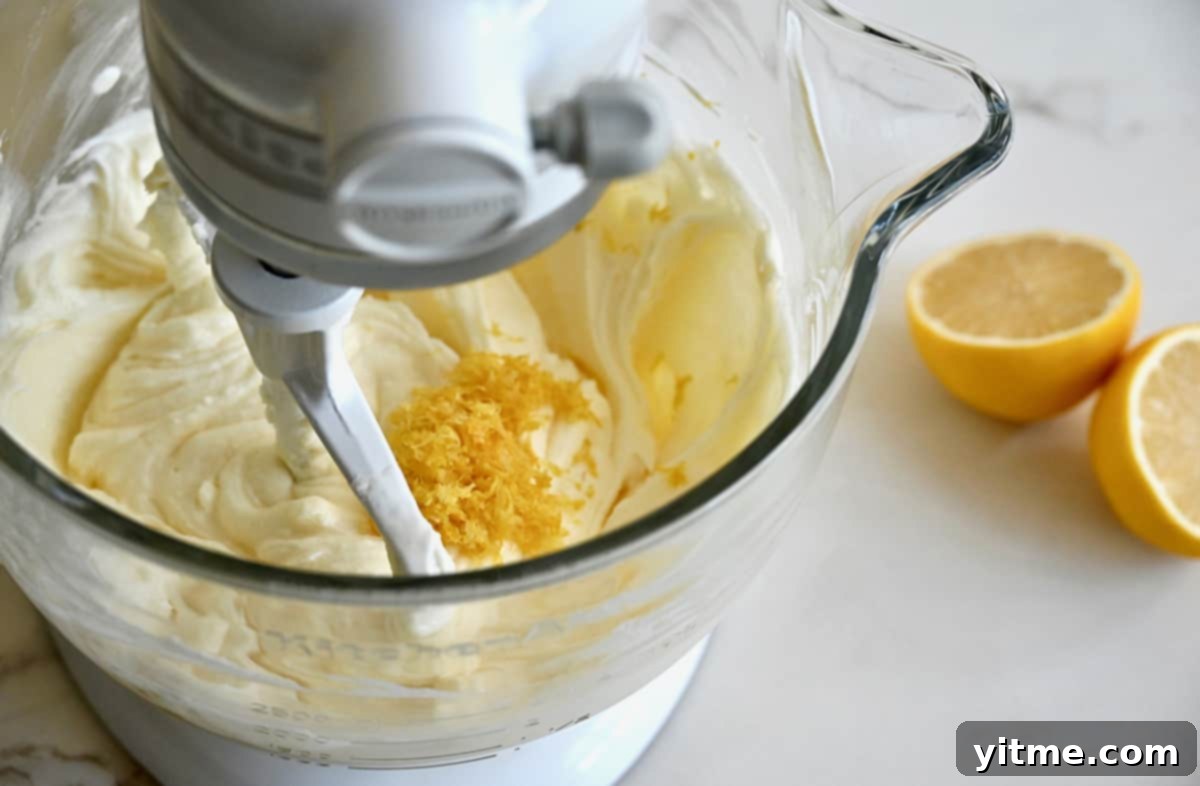
- Cream Together Butter and Cream Cheese: In the bowl of a stand mixer fitted with the paddle attachment, combine the softened unsalted butter and room-temperature cream cheese. Beat on medium-high speed for about 2 minutes, until the mixture is light, fluffy, and completely smooth, with no lumps remaining. This step is crucial for incorporating air and creating a tender cake.
- Add the Sugar: Gradually add the granulated sugar to the creamed butter and cream cheese. Continue beating on medium speed for another minute, scraping down the sides of the bowl as needed, until the mixture is light and well combined. The sugar will dissolve partially, contributing to the cake’s smooth texture.
- Incorporate Wet Ingredients: Next, add the sour cream, fresh lemon zest, fresh lemon juice, and vanilla extract. Beat on medium speed for about 1 minute until these wet ingredients are fully incorporated and the batter is smooth and fragrant. The lemon zest will immediately release its aromatic oils, infusing the batter with a wonderful citrus scent.
- Add Eggs One at a Time: Reduce the mixer speed to low. Add the large room-temperature eggs, one at a time, beating just until each egg is fully incorporated before adding the next. This slow addition prevents the batter from separating and allows the eggs to emulsify properly, contributing to the cake’s structure and richness.
- Fold in Dry Ingredients: In a separate bowl, whisk together the all-purpose flour, baking powder, and kosher salt. With the mixer on low speed, gradually add the dry ingredients to the wet ingredients. Mix just until combined, being very careful not to overmix. Overmixing can develop the gluten in the flour too much, leading to a tough and dense cake rather than a tender one.
- Pour Batter into Pan: Carefully transfer the prepared cake batter into your greased and floured 10- or 12-cup Bundt pan. Use a spatula to spread the batter evenly, ensuring it fills all the crevices of the pan for a beautiful shape. Gently tap the pan on the counter a few times to release any trapped air bubbles.
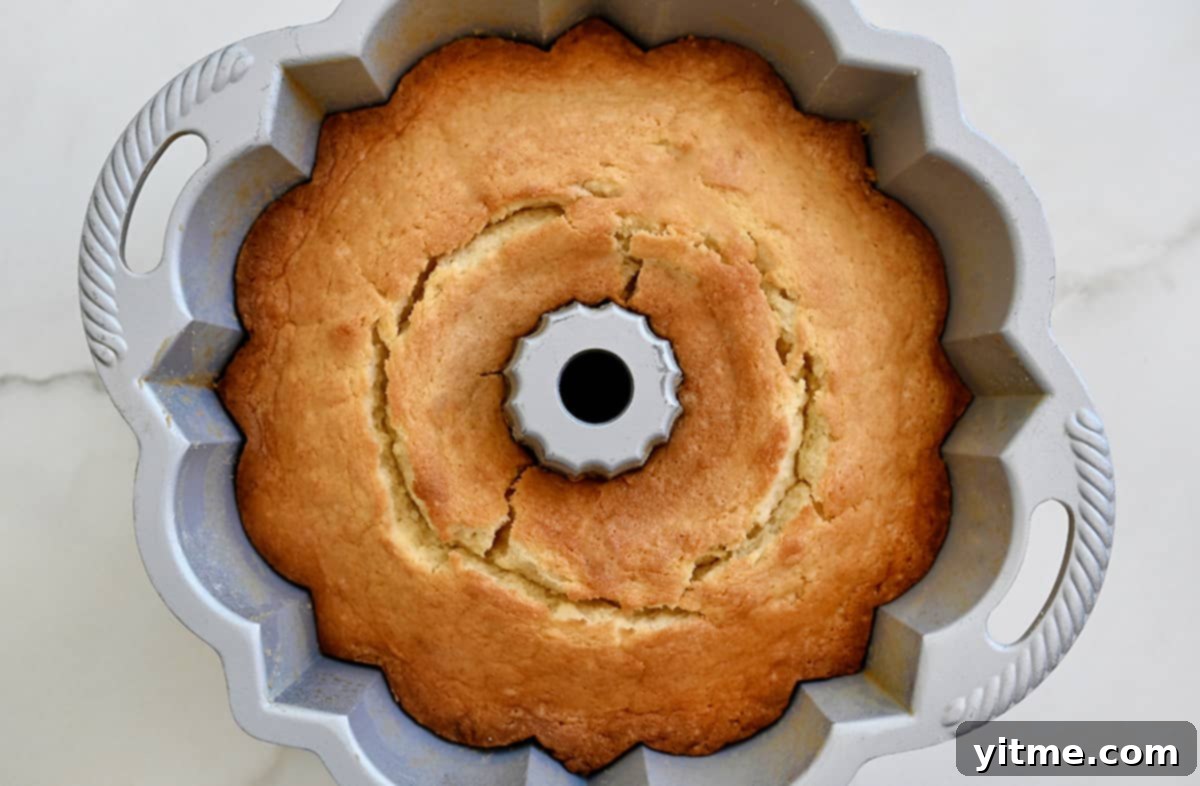
- Bake the Cake: Place the Bundt pan in the preheated oven and bake for 70 to 80 minutes. Baking time can vary slightly depending on your oven, so rely on visual cues and the toothpick test. The cake should develop a deep golden-brown crust, and a toothpick inserted into the thickest part should come out clean or with a few moist crumbs clinging to it, indicating it’s fully cooked but not dry.
- Cool Completely and Invert: Once baked, remove the cake from the oven and allow it to cool completely in the Bundt pan on a wire rack. This is a critical step and can take approximately 2 hours. Attempting to invert the cake while it’s still warm can cause it to break apart. Once fully cooled, invert the pan onto a serving platter or wire rack to release the cake. It should slide out effortlessly if adequately greased and floured.
How to Make Lemon Glaze
A truly spectacular lemon pound cake isn’t complete without a luscious, tangy lemon glaze. This simple yet effective glaze comes together with just a few basic ingredients and minimal effort, adding that perfect touch of brightness and a beautiful finish to your cake.
You’ll only need confectioners’ sugar, melted unsalted butter, fresh lemon zest, and fresh lemon juice. With just a bowl and a whisk, you can whip up this delightful topping in minutes. The addition of melted butter is key here, as it not only adds a rich depth of flavor but also helps the glaze to set beautifully once fully dried, creating that characteristic slightly firm, yet melt-in-your-mouth coating.
The beauty of this glaze lies in its adjustability. You can easily modify its thickness to your preference: for a thinner, more translucent drizzle, simply add a touch more lemon juice. If you desire a thicker, more opaque glaze that cascades down the cake in decadent ribbons, follow my exact recipe and instructions below. The balance of sweet confectioners’ sugar and tart lemon juice creates an invigorating contrast that enhances every bite of the pound cake.
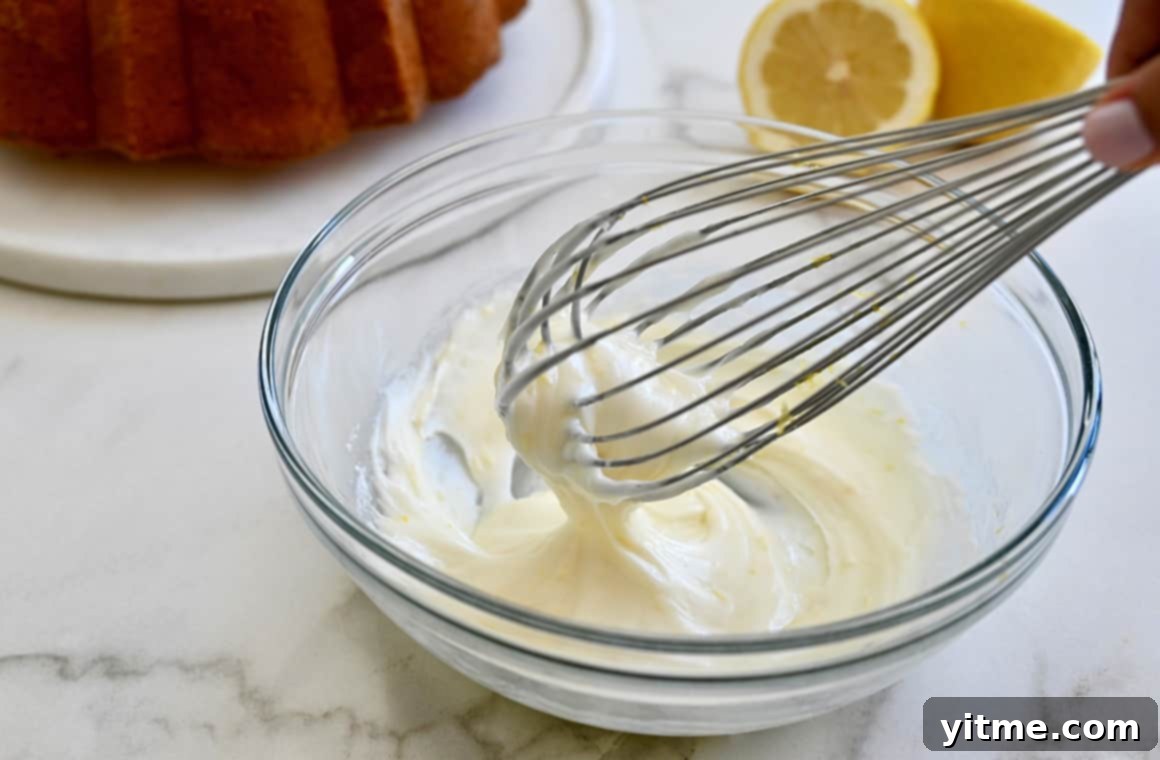
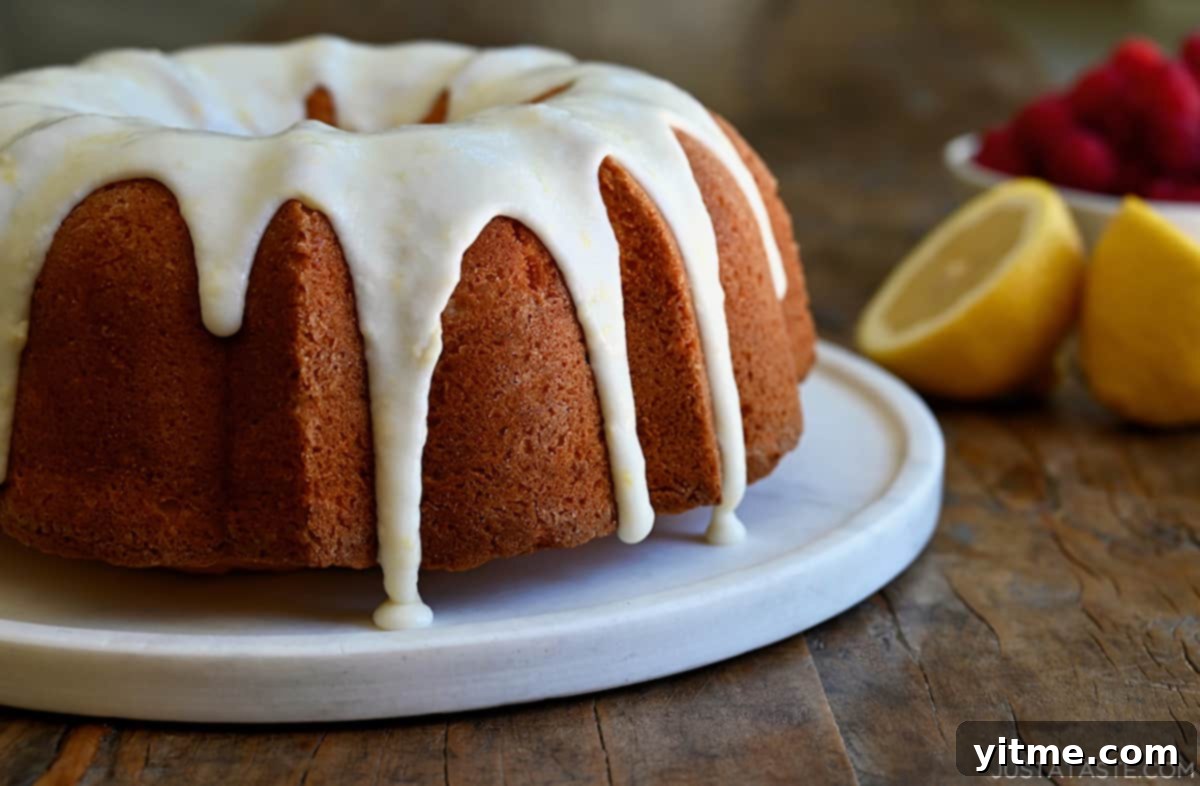
Pro Tip: For a less translucent appearance and a slightly milder lemon tang, you can substitute some or all of the lemon juice in the glaze with whole milk or heavy cream. This variation creates a creamier, softer glaze that still complements the cake beautifully.
Optional Add-Ins and Variations
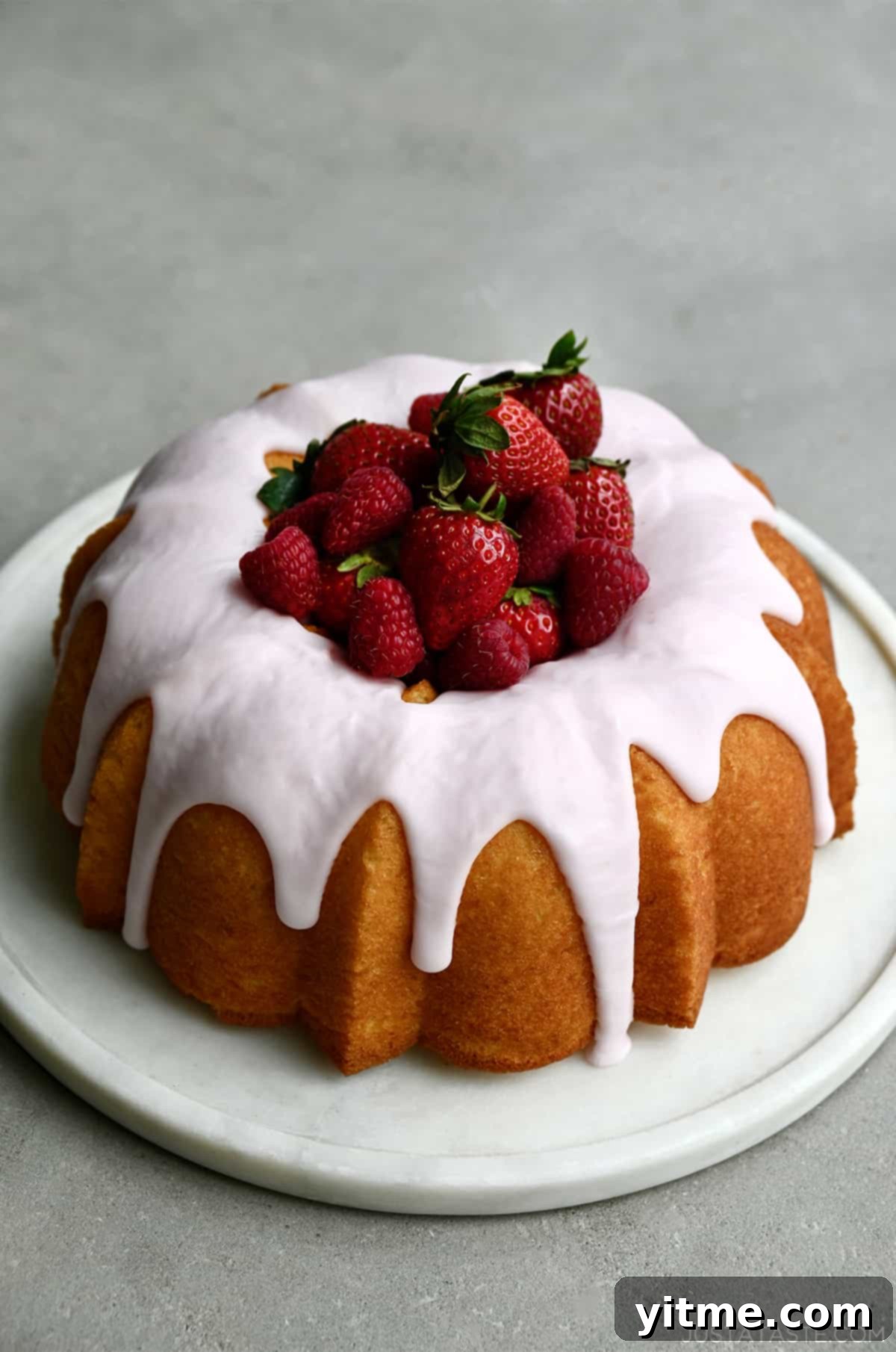
One of the many reasons to adore this pound cake recipe is its remarkable versatility. While the classic lemon flavor is absolutely divine on its own, it also serves as an excellent canvas for creative additions and flavor twists. Here are some of my favorite ways to customize this cake, transforming it for different seasons or occasions. You can even add fresh fruit to the center of the Bundt cake for an elegant touch, as I’ve done in some of my presentations!
- Almond Extract: For a sophisticated flavor profile, consider adding a teaspoon of almond extract to the cake batter in addition to, or in place of, some of the vanilla extract. Almond and lemon are a classic pairing that creates a wonderfully fragrant and complex taste. This variation is particularly good when served with fresh berries.
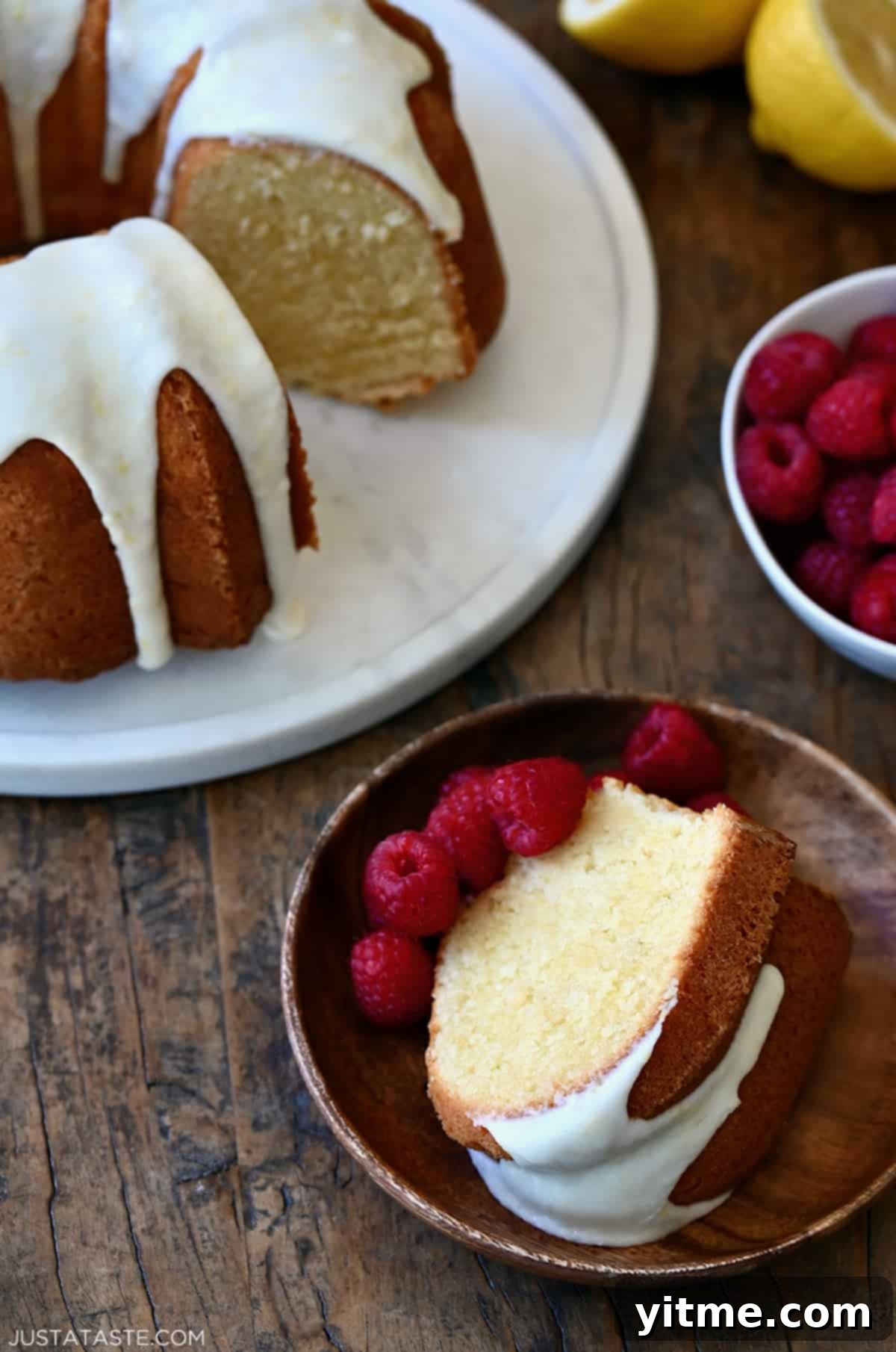
- Fresh Berries: Bright blueberries or succulent raspberries make a truly delicious and visually appealing addition to this pound cake. To prevent the berries from sinking to the bottom of the batter during baking, a simple trick is to gently toss two cups of your chosen berries with two tablespoons of all-purpose flour before folding them into the finished cake batter. This light coating helps them stay suspended throughout the cake, ensuring juicy bursts of fruit in every bite.
- Orange Juice and Rum Extract: If you’re a fan of different citrus notes, swap out the lemon juice and zest for fresh orange juice and vibrant orange zest. For an added layer of warmth and complexity, incorporate a teaspoon of rum extract into the batter. This variation creates a rich and aromatic cake, reminiscent of my popular Glazed Orange Pound Cake. It’s perfect for colder months or when you crave a slightly different citrus experience.
- Lime Zest and Coconut Extract: Transport your taste buds to a tropical paradise by replacing the lemon components with fresh lime zest and a hint of coconut extract. This combination evokes the flavors of a Key lime pie or a refreshing pina colada, making it a fantastic choice for summer gatherings or when you’re dreaming of an island escape. The bright, sharp tang of lime perfectly complements the creamy, sweet notes of coconut.
Recipe Tips for Success
- The Golden Rule: Use Room Temperature Ingredients. This is perhaps the single most important tip for achieving a truly magnificent pound cake. When butter, cream cheese, and eggs are at room temperature, they combine much more effectively than cold ingredients. Room temperature fats cream together smoothly with sugar, creating tiny air pockets that expand during baking, resulting in a beautifully light, evenly textured, and fluffy cake, rather than a lumpy or dense one. Cold ingredients, on the other hand, struggle to emulsify, leading to a curdled batter and a less consistent crumb. Plan ahead and take your butter, cream cheese, and eggs out of the fridge at least 30 minutes to an hour before you begin baking.
- Don’t Overlook the Toothpick Test. While baking times provide a good guideline, ovens can vary. The toothpick test is your most reliable indicator of doneness. Once your cake appears golden brown and smells heavenly, insert a wooden toothpick or a thin skewer into the thickest part of the cake. The cake is perfectly baked when the toothpick comes out with only a few moist crumbs clinging to it, but no wet batter. If it comes out clean, the cake might be slightly overbaked; if it’s covered in wet batter, it needs more time.
- Chill Out: Freeze Like a Breeze. This lemon pound cake is an absolute dream for meal prep or future dessert cravings, as it freezes exceptionally well! To freeze, ensure the cake is completely cooled (and unglazed, if possible). Slice it into individual wedges, then wrap each slice securely in plastic wrap. For an extra layer of protection against freezer burn, place the wrapped slices into an airtight freezer-safe bag or container. When you’re ready for a quick treat, simply pop a frozen slice into the microwave for a few seconds until warmed through. Reheating in the microwave is often the best option, as it gently warms the cake without drying it out, bringing back its original moist texture in minutes!
- Proper Bundt Pan Preparation: To guarantee your beautiful Bundt cake releases without a hitch, invest a little extra time in preparing your pan. Beyond greasing and flouring, consider using a baking spray specifically designed for Bundt pans, which often contains flour. Ensure you get into all the nooks and crannies of the pan. Alternatively, brush melted butter into every detail, then dust generously with flour or even finely ground almonds for a subtle flavor addition and extra non-stick insurance.
- Do Not Overmix the Dry Ingredients: Once you add the flour mixture, mix only until just combined. Overmixing develops the gluten in the flour, leading to a tough, chewy cake. A few small lumps are perfectly acceptable and will typically bake out. The goal is to mix as little as possible to bring the ingredients together.
Frequently Asked Questions
Achieving an incredibly tender and moist crumb in pound cake relies on a few key factors, primarily the strategic use of certain ingredients. Incorporating acidic components like sour cream, buttermilk, or Greek yogurt is paramount. These acidic ingredients perform a vital function: they act as tenderizers on the gluten in the flour, preventing it from forming overly strong bonds that can lead to a tough cake. This, combined with the natural high fat content found in ingredients like sour cream, cream cheese, and butter, adds immense richness and ensures a lush, wonderfully fluffy cake that stays moist for days.
The best way to maintain the freshness and moisture of your pound cake is to store it properly. Once completely cooled, seal the cake in an airtight container. This can be a cake dome, a large plastic container, or even wrapped tightly in plastic wrap and then foil. Store it at room temperature in a relatively cool, dry part of your kitchen for up to four days. While it’s possible to store it in the refrigerator to extend its shelf-life slightly, the chilly environment can unfortunately cause the cake to dry out more quickly due to starch retrogradation. If refrigerating, ensure it’s very well-wrapped.
Absolutely, this pound cake freezes beautifully! An unglazed cake can be frozen for up to three months without compromising its texture or flavor. Once the cake has cooled completely to room temperature, wrap it tightly first in plastic wrap, ensuring no air can get in, and then wrap it again securely in aluminum foil. This double layer of protection prevents freezer burn. To thaw, simply transfer the wrapped cake to the refrigerator overnight. Once thawed, bring it to room temperature before slicing and serving for the best possible experience. If you’re freezing individual slices (as mentioned in our tips), you can often warm them directly from frozen in the microwave.
Yes, you can certainly adapt this recipe for loaf pans! Instead of a single Bundt pan, you would likely need two standard (9×5 inch) loaf pans, or one large and one smaller one, as the batter volume is quite generous. Prepare the loaf pans by greasing and flouring them thoroughly. The baking time will be shorter, typically around 50-60 minutes, so start checking for doneness with a toothpick around the 45-minute mark. Ensure both cakes are fully cooled before glazing and slicing. Keep in mind that loaf cakes might not have the same dramatic presentation as a Bundt, but the flavor will be just as exquisite!
More Dessert Recipes You’ll Love
If you’ve enjoyed the bright, zesty flavors of this Glazed Lemon Pound Cake, you’re in for a treat with these other delightful dessert recipes. Each one is tried-and-tested to bring joy to your taste buds:
- Easy Lemon Cheesecake Bars: A perfect blend of creamy cheesecake and tangy lemon, these bars are simple to make and always a crowd-pleaser.
- Glazed Lemon Bread: Similar to a pound cake but in a more casual loaf form, this bread is wonderfully moist and topped with a sweet lemon glaze. Ideal for breakfast, brunch, or an afternoon snack.
- Carrot Cupcakes with Cream Cheese Frosting: A classic comfort dessert featuring moist carrot cake spiced just right, topped with a luscious, tangy cream cheese frosting.
- EasyCoconut Macaroons: Chewy on the inside and slightly crispy on the outside, these coconut macaroons are incredibly simple to whip up and utterly delicious.
- Banana Pudding with Salted Caramel Sauce: A comforting, creamy banana pudding elevated with a rich, homemade salted caramel sauce. A truly indulgent dessert!
- Frozen Lemonade Pie: For warmer days or simply when you crave something refreshing, this no-bake frozen lemonade pie is cool, creamy, and wonderfully tangy.
Craving even more delicious recipes and culinary inspiration? Subscribe to Just a Taste today to receive new recipes, expertly crafted meal plans, and our exclusive newsletter delivered directly to your inbox! Don’t miss out on the latest updates and culinary adventures. And make sure to stay connected with us on social media: find us on Facebook, Twitter, Pinterest, and Instagram for all the latest happenings, behind-the-scenes glimpses, and daily doses of deliciousness!
Glazed Lemon Pound Cake
Kelly Senyei
20 minutes
1 hour 10 minutes
1 hour 30 minutes
16 servings
Ingredients
For the pound cake:
- 1 1/2 cups unsalted butter, at room temperature
- 1 (8-oz.) package cream cheese, at room temperature
- 2 cups white sugar
- 1/4 cup sour cream
- 1 Tablespoon lemon zest
- 2 Tablespoons fresh lemon juice
- 1 teaspoon vanilla extract
- 5 large eggs, at room temperature
- 3 cups all-purpose flour
- 1 teaspoon baking powder
- 1/4 teaspoon kosher salt
For the glaze:
- 1 1/2 cups confectioners’ sugar
- 2 Tablespoons unsalted butter, melted
- 1 teaspoon lemon zest
- 3 Tablespoons fresh lemon juice, plus more as needed
Instructions
Make the cake:
- Preheat the oven to 325°F (160°C). Thoroughly grease and lightly flour a 10- or 12-cup Bundt pan, ensuring all crevices are coated.
- In the bowl of a stand mixer fitted with the paddle attachment, beat the softened butter and room-temperature cream cheese on medium-high speed until incredibly smooth and light, about 2 minutes. Ensure there are no lumps.
- Add the granulated sugar and continue beating until the mixture is smooth and fluffy, approximately 1 minute. Scrape down the sides of the bowl to ensure even mixing.
- Incorporate the sour cream, lemon zest, fresh lemon juice, and vanilla extract. Beat until the mixture is completely smooth and well combined, about 1 minute. The batter should now be fragrant with lemon.
- Add the large eggs one at a time. Beat on low speed after each addition, ensuring each egg is fully incorporated into the batter before adding the next. This prevents the batter from separating.
- In a separate bowl, whisk together the all-purpose flour, baking powder, and kosher salt. Gradually add these dry ingredients to the wet batter. Beat on low speed just until combined. Be careful not to overmix, as this can lead to a tough cake.
- Transfer the prepared batter into the greased and floured Bundt pan. Bake the cake in the preheated oven for 70 to 80 minutes, or until a wooden toothpick inserted into the thickest part comes out clean or with a few moist crumbs clinging to it, and the cake has a beautiful dark golden color.
- Remove the cake from the oven and allow it to cool completely in the pan on a wire rack for about 2 hours. While the cake is cooling, proceed to make the lemon glaze.
Make the glaze:
- Sift the confectioners’ sugar into a medium bowl to remove any lumps. Add the melted unsalted butter, fresh lemon zest, and fresh lemon juice. Whisk vigorously until the mixture is completely smooth and reaches your desired drizzling consistency. The glaze should be thick enough to form ribbons when drizzled but still pourable. Add more lemon juice (a teaspoon at a time) for a thinner glaze, or a tablespoon more confectioners’ sugar for a thicker one.
- Once the cake is completely cool, invert the Bundt pan onto a serving platter to release the cake. Generously drizzle the prepared lemon glaze over the cooled cake, allowing it to drip attractively down the sides. Let the glaze set for at least 10 minutes before serving.
- Slice the glazed pound cake with a sharp knife and serve immediately, perhaps with a side of fresh berries or a dollop of whipped cream.
Notes:
- For the best possible texture and flavor, always use room temperature ingredients as specified in the recipe. This promotes proper emulsion and a tender crumb.
- To store your pound cake and keep it deliciously moist, place it in an airtight container at room temperature in a cool, dry area of your kitchen. It will remain fresh and delightful for up to four days. While refrigeration can extend its shelf-life, it may also cause the cake to dry out more quickly, so airtight sealing is key.
- This cake freezes exceptionally well! An unglazed pound cake can be frozen for up to three months. Once completely cooled, wrap it tightly in plastic wrap, then an additional layer of aluminum foil. To enjoy, thaw the cake overnight in the refrigerator, then allow it to come to room temperature before slicing and serving.
- ★ Did you make this recipe? Don’t forget to give it a star rating below! Your feedback is greatly appreciated.
Nutrition
Did you try this recipe?
Leave a comment below with your star rating!