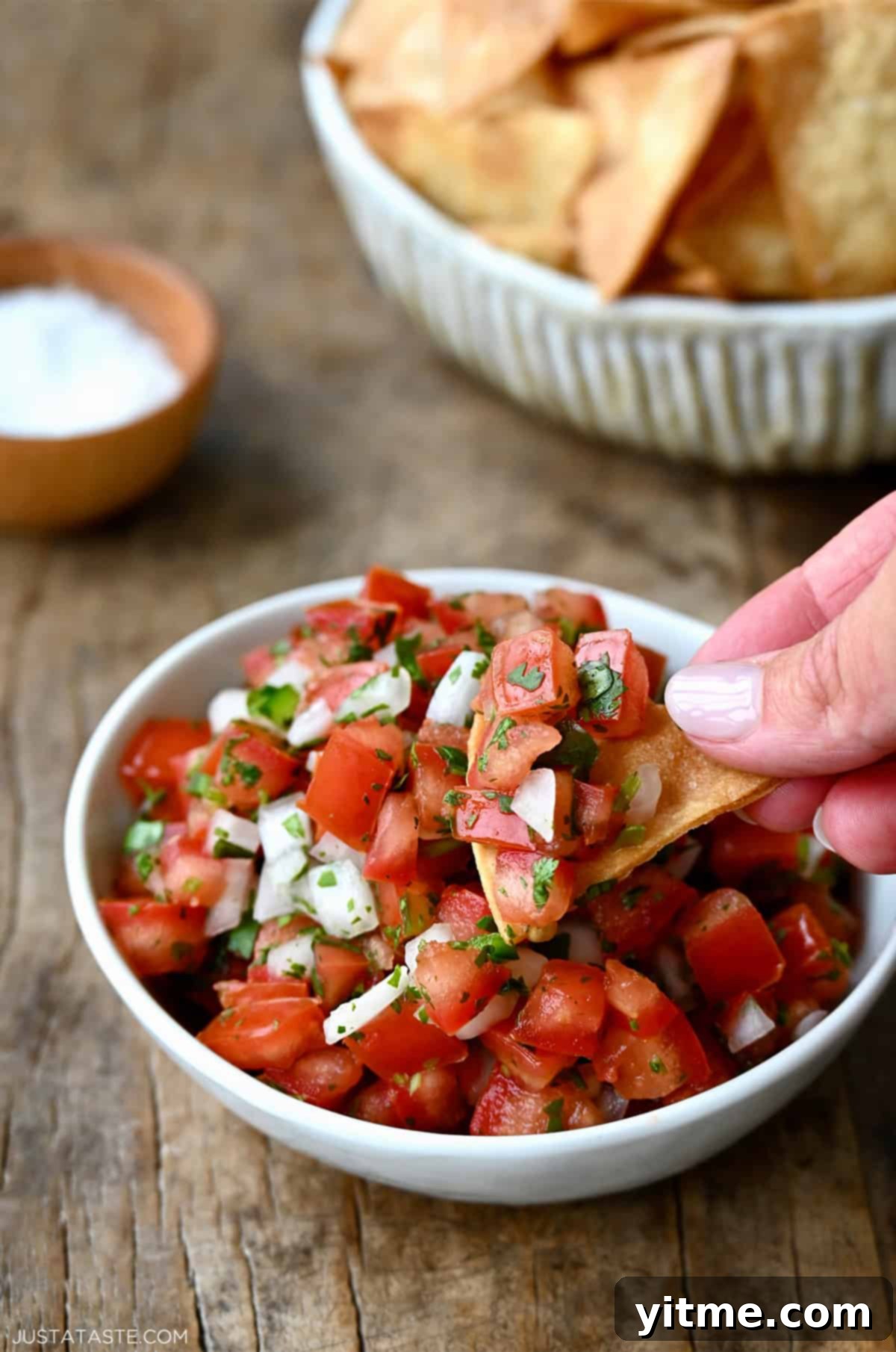
Authentic Pico de Gallo: The Ultimate 5-Ingredient Fresh Salsa Recipe
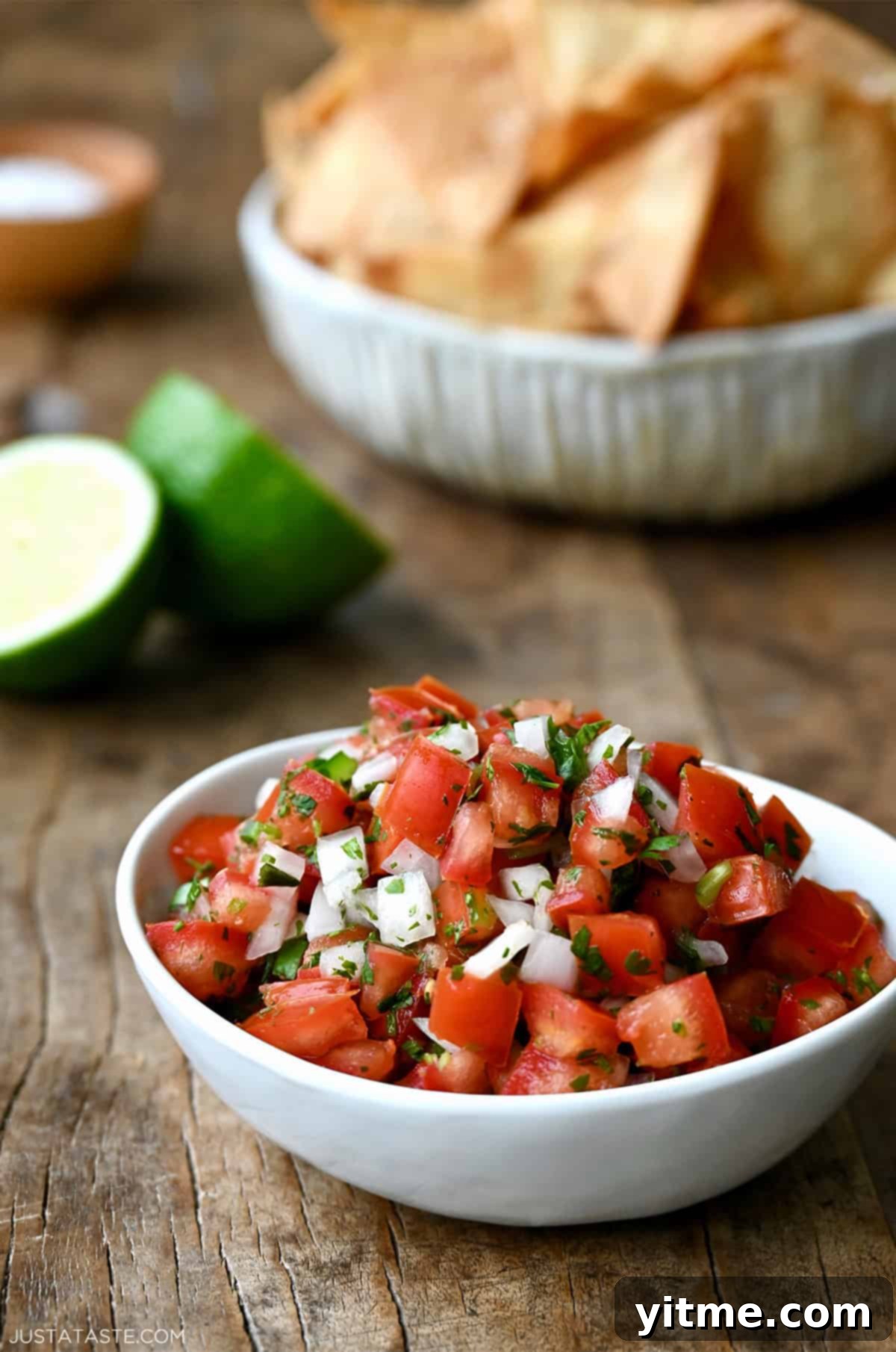
This truly is the only pico de gallo recipe you’ll ever need! Crafted with just five simple, fresh ingredients—ripe tomatoes, crisp onion, fragrant cilantro, zesty jalapeño, and bright lime juice—it’s elevated by one simple trick for exceptionally bold, authentic flavor. Whether you’re dipping crispy tortilla chips, topping your favorite tacos, enhancing a hearty burrito bowl, or seeking a vibrant, no-cook addition to any meal, this homemade salsa fresca delivers unparalleled taste and texture every time.
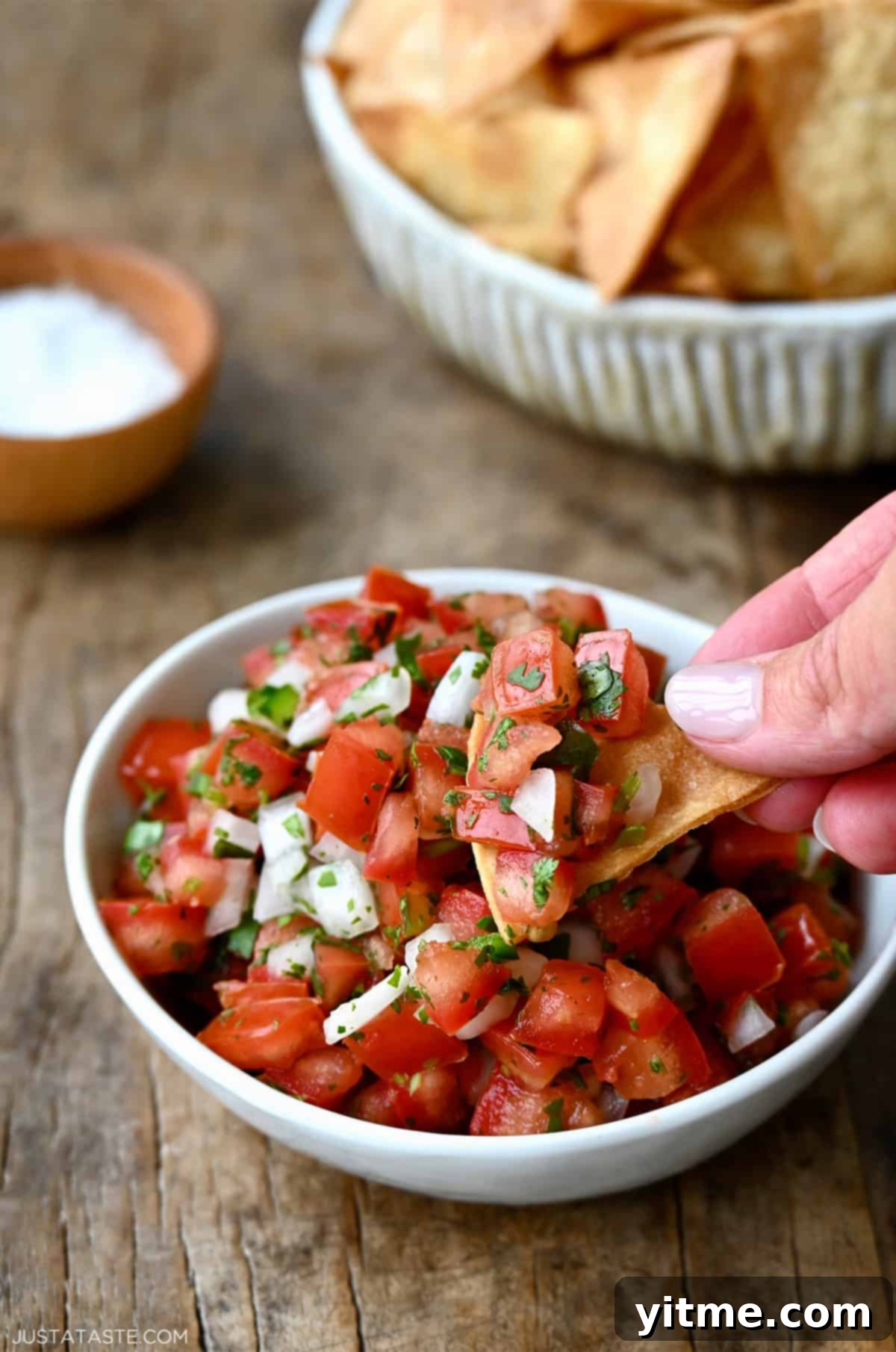
Table of Contents
- Pico de Gallo vs. Salsa: What’s the Difference?
- What Makes This the Best Pico de Gallo Recipe?
- Grab These Ingredients
- How to Make Pico de Gallo
- Ways to Serve Pico de Gallo
- Variations
- Storage Tips
- FAQs
- Easy Pico de Gallo Recipe Recipe
Pico de Gallo vs. Salsa: What’s the Difference?
Let’s clarify a common question: Pico de gallo is indeed a type of salsa, but it’s fundamentally different from the smooth, saucy, often cooked varieties you might typically envision. While many traditional salsas are prepared with roasted or stewed tomatoes and then blended to achieve a smooth consistency, pico de gallo stands out as a fresh, uncooked, and vibrantly chunky salsa. It’s widely known by other names such as salsa fresca (fresh sauce) or salsa cruda (raw sauce), and it’s meticulously crafted from finely chopped raw ingredients: firm tomatoes, pungent onion, fresh cilantro, fiery jalapeño, bright lime juice, and a touch of salt. Think of it as salsa’s more rustic, textured, and incredibly fresh cousin, offering a distinct crunch and burst of flavor in every bite.
An interesting tidbit about its name: Pico de gallo is a Spanish term that translates literally to “rooster’s beak.” The exact origin of this quirky name isn’t definitively known, but as Epicurious points out, one popular theory suggests it’s because this chunky salsa was traditionally eaten by pinching pieces between the thumb and forefinger, a motion thought to resemble a pecking rooster’s beak. Rest assured, despite the name, no birds are involved in its preparation—just a harmonious blend of simple, garden-fresh ingredients that are likely already staples in your kitchen.
Growing up in San Diego, a culinary melting pot heavily influenced by Mexican cuisine, pico de gallo was an omnipresent condiment. It adorned everything from scrambled eggs at breakfast to the iconic California burritos, street tacos, and cheesy quesadillas. This recipe is my cherished rendition, capturing that quintessential balance of fresh, slightly briny, and perfectly spiced flavors I remember. I genuinely keep a fresh batch stocked in my fridge throughout the entire summer, and honestly, for most of the year, because it’s simply that good. It’s not only quick to prepare but also endlessly customizable to your preference and consistently disappears rapidly. Just pair it with a batch of crispy homemade tortilla chips and perhaps a refreshing margarita ice pop, and you’ve instantly got the makings of a festive gathering.
What Makes This the Best Pico de Gallo Recipe?
The undisputed secret to transforming a good pico de gallo into an extraordinary one lies in a crucial, yet simple, step: allowing it to marinate for a minimum of 30 minutes before serving. This resting period is where the magic truly happens. As the chopped ingredients sit together, their individual flavors begin to intertwine and deepen, creating a more complex and harmonious profile. The salt plays a vital role here, not only seasoning but also drawing out excess moisture from the tomatoes and other vegetables. This process concentrates their natural flavors, intensifying every component and resulting in a pico de gallo that tastes incredibly vibrant, well-balanced, and authentically delicious. Trust me, this brief wait is absolutely worth it for a truly superior salsa experience!
Grab These Ingredients
To craft a truly exceptional homemade pico de gallo, you only require five core ingredients, complemented by a generous pinch of kosher salt. Given the simplicity and minimal number of components, the quality of your produce is paramount. Using the freshest, highest-quality vegetables—especially impeccably ripe tomatoes (and I cannot stress enough: they MUST BE RIPE!)—will make an immense difference in the overall flavor of this bright, no-cook appetizer. Each ingredient contributes a distinct layer of taste and texture, so selecting the best available is key to a vibrant and delicious outcome.
Here’s a more in-depth look at each essential ingredient you’ll need and expert tips on how to choose the finest:
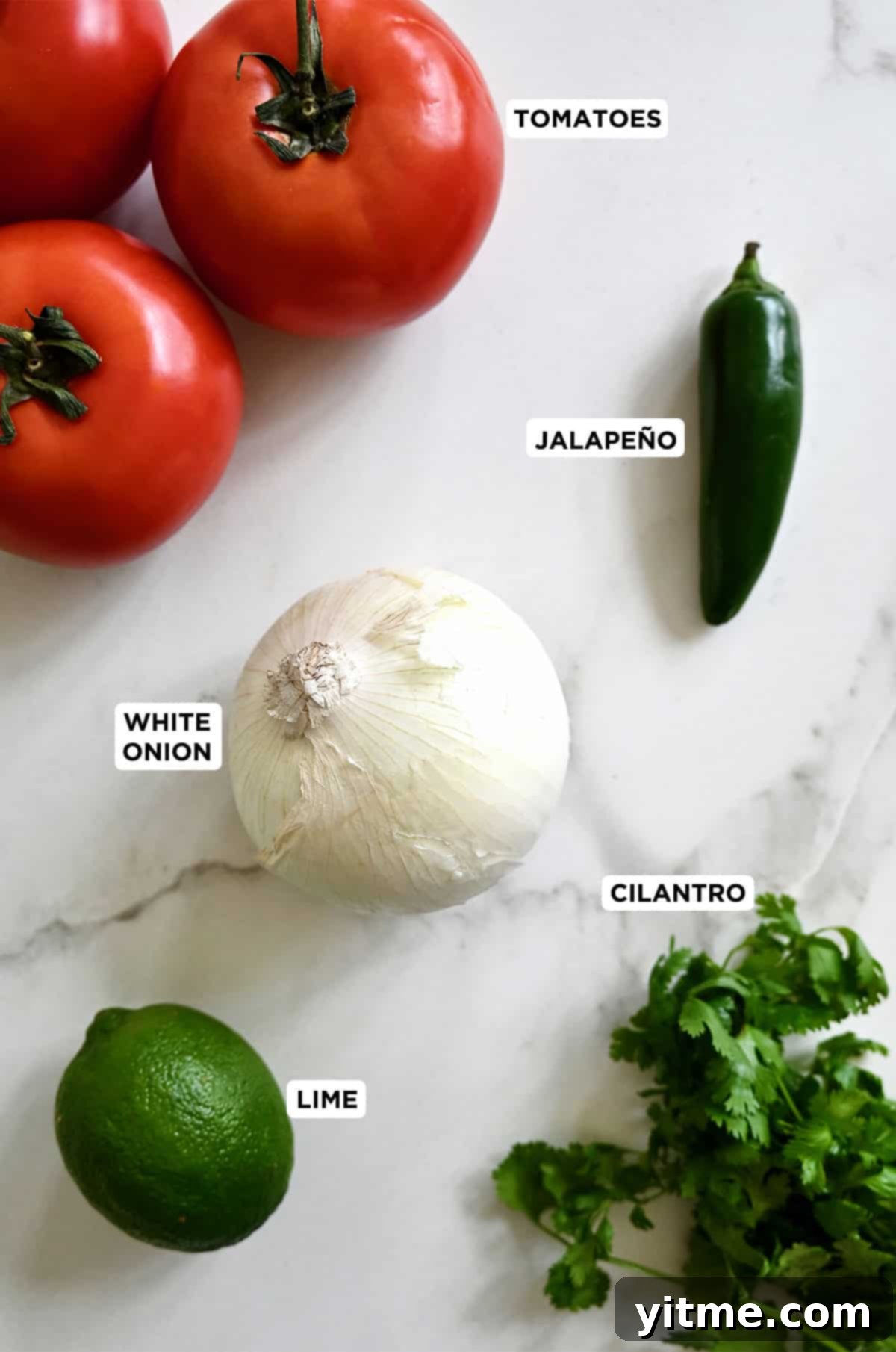
- Tomatoes: For authentic pico de gallo, Roma tomatoes are typically the classic and preferred choice. Their firm flesh and lower water content make them ideal for dicing, ensuring they hold their shape beautifully in the chunky salsa without becoming mushy or excessively watery. However, don’t limit yourself; any truly ripe, vibrant red tomato will yield delicious results. In a pinch, I’ve even created fantastic batches using smaller varieties like grape or cherry tomatoes, simply quartered or halved.
- Onion: I consistently opt for white onion due to its distinctive sharp flavor and wonderfully crisp texture. It’s the traditional choice for pico de gallo, lending that unmistakable, refreshing “bite” that defines the salsa. If the robust flavor of white onions is a bit too intense for your palate, milder alternatives like red or yellow onions can be substituted. They offer a slightly sweeter profile and a less aggressive kick, while still providing essential crunch.
- Cilantro: Freshly chopped cilantro is indispensable, infusing the pico de gallo with its signature bright, herbaceous, and slightly citrusy flavor. When selecting, look for bunches with vibrant green leaves and firm, sturdy stems, avoiding any that appear wilted or yellowing. For maximum flavor and an added textural dimension, I always make sure to finely chop both the tender leaves and the softer, more flavorful stems.
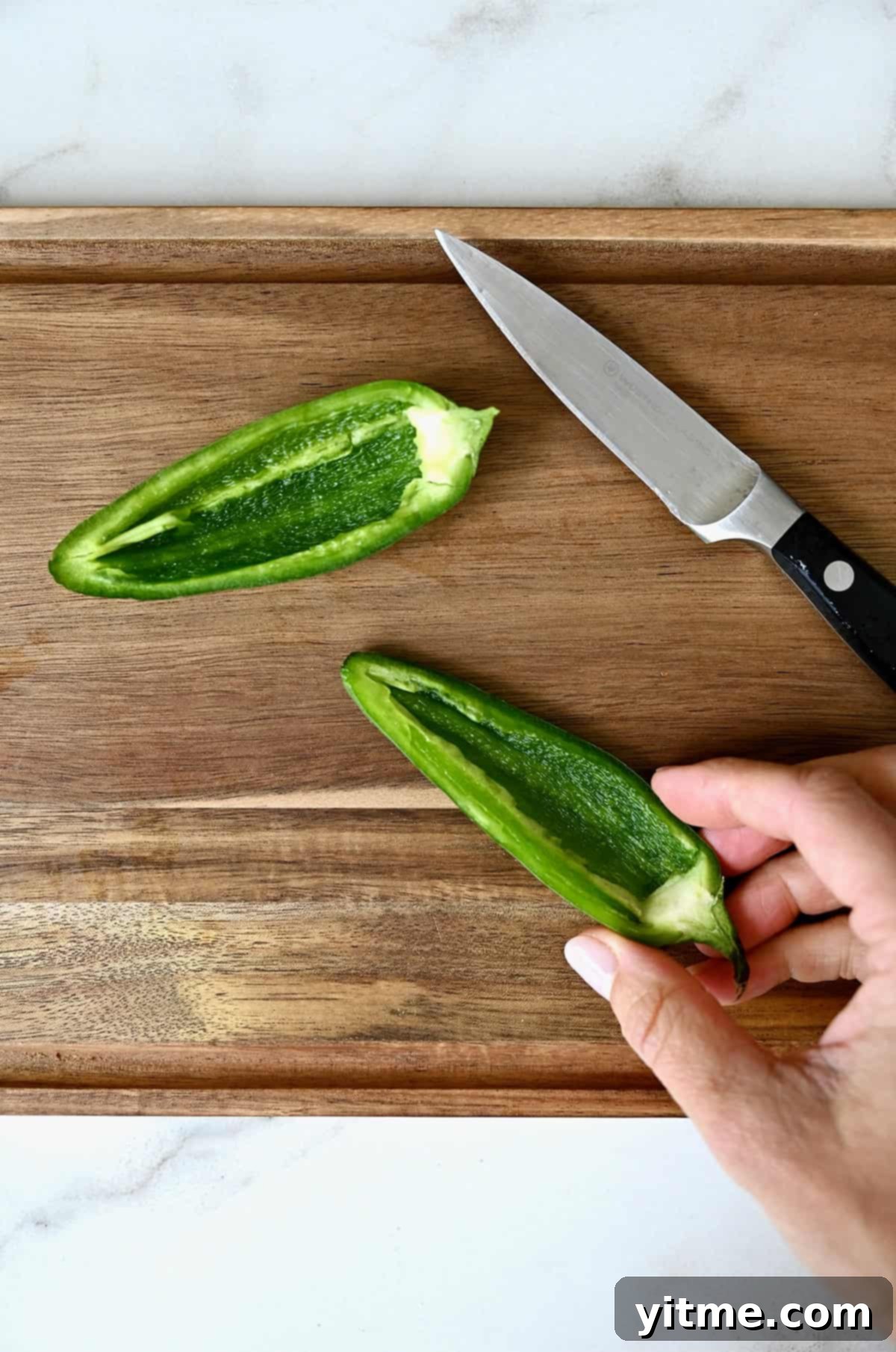
- Jalapeño: The jalapeño is responsible for the salsa’s characteristic heat. For a milder pico de gallo, it’s recommended to carefully remove the seeds and the white pith, as these contain most of the capsaicin (the compound responsible for the spice). If you prefer more heat, simply leave some or all of the seeds intact. For those who crave an extra-spicy kick, consider swapping the jalapeño for a serrano pepper, which is significantly hotter. Conversely, if you desire absolutely no heat, a small amount of finely diced green bell pepper can provide a similar crunch without any spiciness.
- Lime juice: This is non-negotiable! Always prioritize fresh lime juice over bottled varieties. Freshly squeezed lime provides a bright, tangy, and authentic citrus punch that simply cannot be replicated by pre-packaged juice, making a noticeable difference in the overall freshness and balance of your pico de gallo.
Refer to the comprehensive recipe card below for precise measurements and quantities of all ingredients.
How to Make Pico de Gallo
Crafting fresh, homemade pico de gallo is remarkably simple and quick, requiring minimal effort for maximum flavor. Follow these straightforward steps to achieve that perfect chunky texture and vibrant taste:
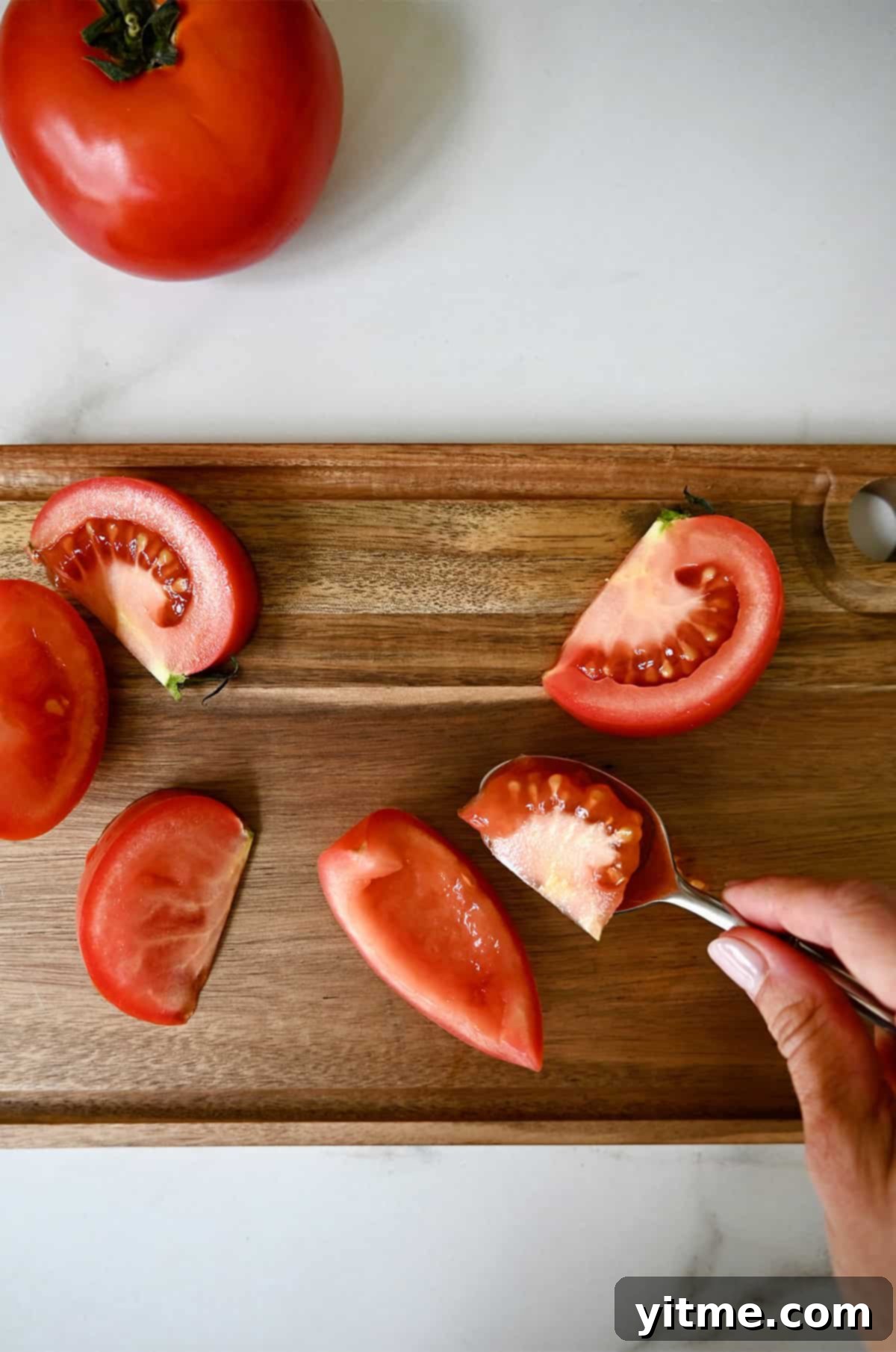
- Core and dice your tomatoes. The key to a great pico de gallo is a consistent, small dice for all your ingredients. Aim for pieces that are roughly ¼ to ½ inch in size. This ensures you get a delightful burst of juicy tomato in every single bite. While optional, I personally prefer to remove the seeds from the tomatoes, as this helps to reduce excess liquid in the final salsa and maintain a firmer texture. For very ripe tomatoes, a serrated knife can make the coring and dicing process much easier and cleaner.
- Finely chop your onion, cilantro and jalapeño. Just like the tomatoes, precision in chopping these ingredients makes a significant difference. Finely dicing the onion, cilantro, and jalapeño ensures that their flavors are evenly distributed throughout the salsa, preventing any single ingredient from overwhelming the others. Smaller pieces also make for a much more enjoyable and balanced scoop when paired with tortilla chips. Remember to adjust the jalapeño seeding based on your preferred spice level.
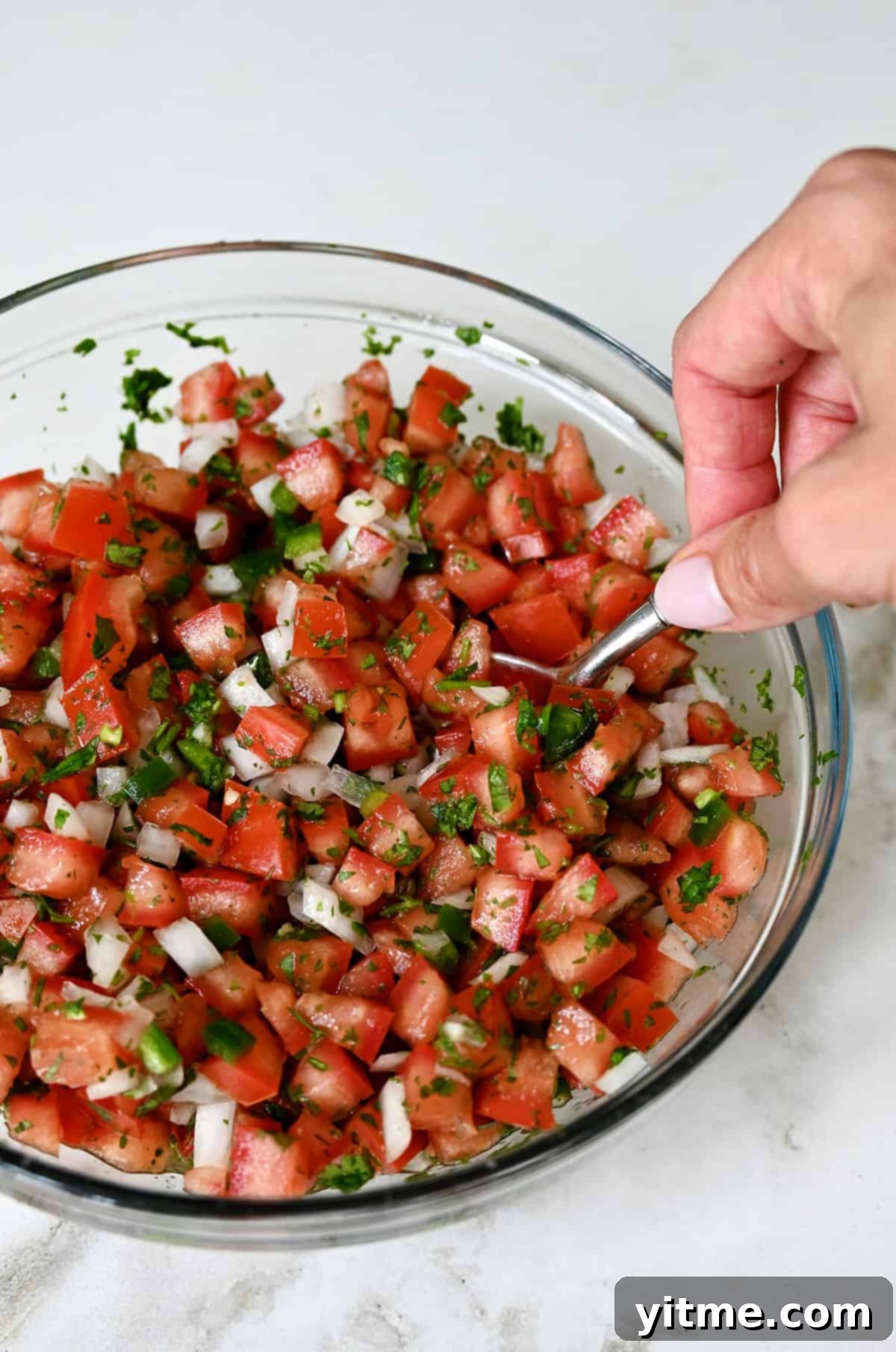
- Combine everything in a bowl. Once all your ingredients are meticulously prepped, transfer the diced tomatoes, finely chopped onion, cilantro, and jalapeño into a medium-sized mixing bowl. Next, generously squeeze in the fresh lime juice and sprinkle a substantial pinch of kosher salt over the mixture. Gently stir everything together until well combined. At this point, take a taste and adjust the seasoning as needed, adding more salt or lime juice until the flavors are bright, perfectly balanced, and truly sing.
- Let it marinate for at least 30 minutes before serving. This is the golden rule, the ultimate secret, and the single most important step for achieving the best pico de gallo imaginable. As the salsa rests, the flavors have time to meld and deepen, transforming from a collection of fresh ingredients into a cohesive, flavorful masterpiece. The salt continues its work, drawing out a bit more moisture and concentrating the vibrant tastes. This brief marination period is what gives the pico de gallo that authentic, restaurant-quality depth.
If you aren’t planning to serve your exquisite salsa cruda immediately, you can easily cover it and refrigerate it for several hours, or even overnight. Before serving, give it a good stir, and if you notice any excess liquid has accumulated at the bottom of the bowl (which is natural as the vegetables release moisture), simply drain it off to maintain that perfect chunky consistency.
Ways to Serve Pico de Gallo
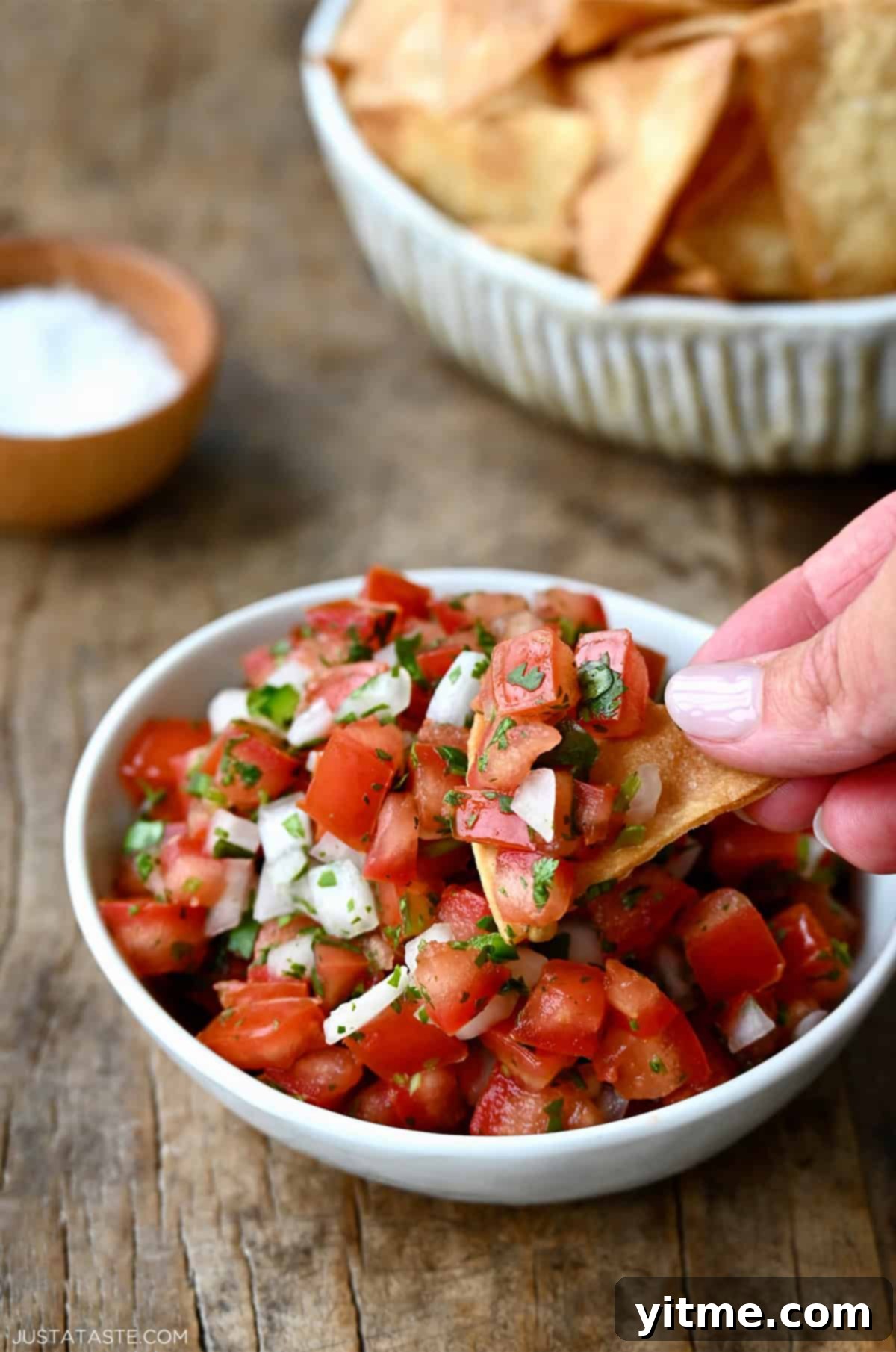
This incredibly versatile condiment transcends its role as a simple dip for homemade tortilla chips—though I’ll admit, that’s how it disappears fastest in my household! Think of pico de gallo as a fresh, chunky, and dynamic salsa that can effortlessly elevate almost any meal. It’s a perfect taco topper, a vibrant salad finisher, or the undisputed hero of any snack board. Its bright flavors and satisfying texture make it an ideal accompaniment to a myriad of dishes, particularly those inspired by Mexican cuisine. Here are some of my most cherished Mexican dishes to pair it with, or generously pile it on top of:
- Instant Pot Carnitas: The fresh acidity of pico de gallo cuts through the richness of tender carnitas beautifully.
- Sheet Pan Nachos: A vibrant, cooling contrast to warm, cheesy nachos.
- Easy Chicken Taquitos: Adds a refreshing burst of flavor to crispy taquitos.
- Taco Salad Cups: Brightens up any taco salad, adding freshness and crunch.
- Sheet Pan Chicken Fajitas: A quintessential topping for sizzling fajitas.
- Zucchini Boats: Enhances the light and healthy profile of zucchini boats with a fresh kick.
- Ground Beef Taco Bowls: Perfect for adding a cool, fresh element to hearty taco bowls.
- Rotisserie Chicken Enchiladas: A delightful contrast to the rich, savory flavors of enchiladas.
Beyond these, don’t hesitate to spoon it over grilled fish, chicken, or steak, use it as a garnish for eggs, or even stir it into a simple bowl of rice for an instant flavor boost.
Variations
Once you’ve mastered the timeless classic version of pico de gallo, the possibilities for customization are endless. It’s incredibly adaptable, allowing you to easily experiment and mix things up based on seasonal availability or what you happen to have fresh in your refrigerator or fruit bowl! These simple additions can introduce new textures, sweetness, or even more tang to your salsa:
- Bell Pepper: Add finely diced red, yellow, or orange bell pepper for a touch of sweetness and extra crunch without any heat.
- Cucumber: Diced cucumber brings a refreshing coolness and an additional crisp texture, especially delightful on a hot day.
- Corn: Fresh or thawed frozen corn kernels add a sweet burst and a lovely pop of color and texture. Try grilling the corn first for a smoky flavor.
- Avocado: Fold in chunks of ripe avocado just before serving for a creamy texture and healthy fats, turning it into a guacamole-salsa hybrid.
- Mango: For a tropical twist, incorporate finely diced ripe mango. Its sweetness pairs wonderfully with the lime and a touch of heat.
- Peaches: Similar to mango, diced fresh peaches offer a juicy, sweet element that makes for an unexpected and delicious summer salsa.
For even more innovative fresh salsa ideas and inspiration beyond these simple additions, be sure to explore my recipes for a hearty black bean and corn salsa and a vibrant, sweet, and spicy pineapple salsa. Each offers a unique flavor profile perfect for different occasions.
Storage Tips
To ensure your pico de gallo remains fresh and flavorful, store any leftovers in an airtight container within the refrigerator for up to 3 days. It’s worth noting that the flavors often continue to develop and meld even further as the salsa sits, which can be a delicious bonus! However, over time, the diced tomatoes and other vegetables will naturally release more of their juices. This might lead to a slightly more watery consistency. If you find your pico de gallo has become too liquidy before serving, simply drain off any excess liquid with a slotted spoon or by carefully tilting the container. Then, give it a good stir to redistribute the ingredients and refresh the flavors before enjoying.
FAQs
Absolutely! While cilantro is a hallmark of traditional pico de gallo, its distinctive flavor isn’t for everyone. If you’re not a fan, you can easily substitute it with an equal amount of finely chopped fresh parsley, which offers a clean, herbaceous note. Alternatively, thinly sliced green onions (scallions) can provide a mild, oniony freshness that works well. The flavor profile will change, but it will still be fresh, vibrant, and delicious.
Preventing watery pico de gallo is a common concern. The main culprit is the moisture released from the tomatoes. To minimize this, a crucial step is to remove the seeds and the watery core from the tomatoes before dicing them. Additionally, consider adding the salt and lime juice closer to the time of serving, as salt draws out moisture. For best results, after mixing, you can let the pico de gallo sit in a fine mesh strainer placed over a bowl for about 15-30 minutes before serving. This allows excess liquid to drain away while the flavors still meld, ensuring a beautifully chunky and less watery salsa.
This recipe is wonderfully scalable, making it perfect for entertaining! You can easily double or even triple the ingredient quantities to serve a larger gathering. When preparing bigger batches, use an extra-large mixing bowl to ensure all ingredients are thoroughly combined. After the marinating period, always taste and adjust the seasoning. Larger batches may require a slightly more generous hand with both the salt and fresh lime juice to achieve that perfect, balanced flavor profile.
While technically possible, using a food processor for pico de gallo is generally not recommended if you’re aiming for that classic, chunky texture. A food processor tends to over-process the ingredients quickly, leading to a much finer, often mushy consistency, and can release too much liquid, resulting in a watery salsa. The beauty of pico de gallo lies in its hand-chopped, rustic appeal, where each ingredient retains its distinct shape and texture. Taking the time to chop by hand ensures the ideal chunky bite and prevents it from becoming more like a puréed salsa.
Make this recipe just once, and I have a strong feeling it will quickly become your absolute go-to salsa cruda. Its fresh, vibrant flavors and satisfying texture are truly addictive! If you have any questions during your preparation, or if you’ve discovered your own unique twist on this recipe, please don’t hesitate to share them in the comments below—I always love hearing how you make this beloved dish your very own!
Craving more delicious recipes and culinary inspiration? Subscribe to Just a Taste to receive brand-new recipes, thoughtfully curated meal plans, and our exclusive newsletter delivered directly to your inbox! And for all the latest updates, behind-the-scenes glimpses, and engaging content, make sure to stay connected with us on Facebook, TikTok, Pinterest, and Instagram.
Easy Homemade Pico de Gallo Recipe
Ingredients
- 4 large ripe red tomatoes, cored and small diced (Roma tomatoes preferred)
- 1/2 medium white onion, finely small diced
- 1/4 cup finely chopped fresh cilantro (leaves and tender stems)
- 1 medium jalapeño, stemmed, seeded (for mild) and small diced
- 1 Tablespoon freshly squeezed lime juice
- Kosher salt, to taste
Instructions
- In a medium mixing bowl, carefully combine all of your finely diced fresh ingredients: the tomatoes, onions, cilantro, and jalapeño. Ensure everything is evenly distributed.
- Pour in the freshly squeezed lime juice and sprinkle a large pinch of kosher salt over the mixture. Stir gently but thoroughly to combine all the flavors. For the absolute best taste, cover the bowl and allow the pico de gallo to marinate at room temperature (or in the fridge) for a minimum of 30 minutes, or even up to overnight. This crucial step allows the flavors to meld and deepen. Serve immediately after marinating.
Kelly’s Notes
- While Roma tomatoes are the most classic choice for this recipe due to their firm texture and low water content, any truly ripe (and I mean ripe!) red tomato will yield delicious results. I’ve even had success using cherry or grape tomatoes when other options were scarce.
- When preparing the tomatoes, I find that removing the seeds helps to create a less watery pico de gallo, but this step is entirely optional and depends on your preference for texture and moisture.
- The secret to an exceptionally flavorful pico de gallo is allowing it to marinate for a minimum of 30 minutes. Ideally, let it rest overnight in the refrigerator; this crucial step deepens and melds all the fresh flavors beautifully.
- You can easily customize the spice level by deciding whether to include or omit the seeds and white pith of the jalapeño. For more heat, leave them in; for a milder version, remove them entirely.
- Storage: Any leftover pico de gallo should be stored in an airtight container in the refrigerator for a maximum of 3 days. The flavors continue to develop, but the tomatoes will naturally release more juice over time. If needed, simply drain off any excess liquid before serving and give it a good stir to refresh the ingredients.
- ★ Did you try this irresistible recipe? Don’t forget to give it a star rating below and share your thoughts!
Nutrition
Did you try this recipe?
Leave a comment below with your star rating!