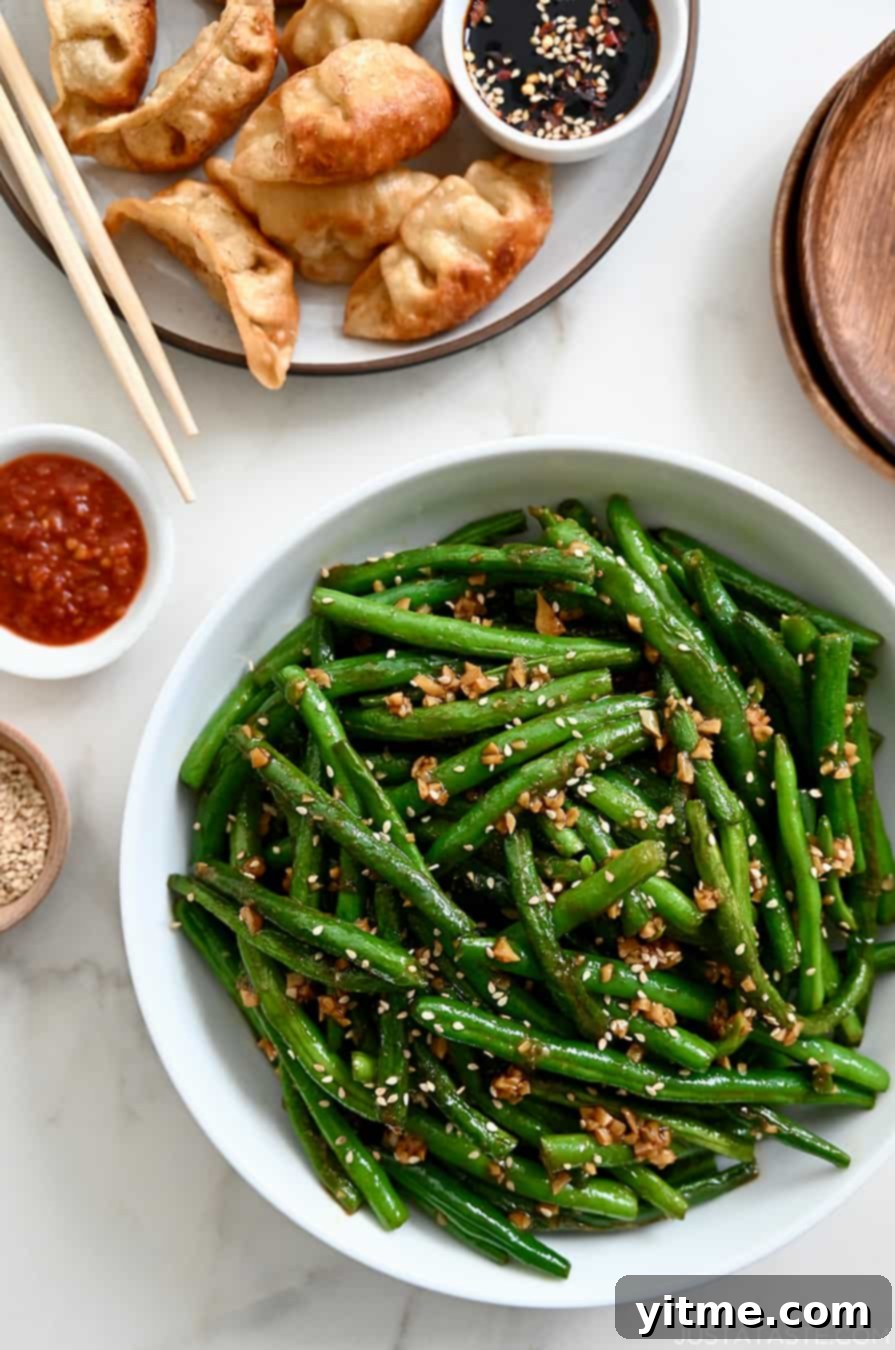
Welcome to your kitchen’s new best friend: a sensational homemade recipe for Chinese Garlic Green Beans! Forget those tired takeout menus and prepare to recreate one of the most iconic and beloved side dishes from the internationally acclaimed Din Tai Fung restaurant, right in the comfort of your home. This isn’t just any green bean recipe; it’s a meticulously reverse-engineered culinary masterpiece designed to bring that signature Din Tai Fung flavor directly to your table.
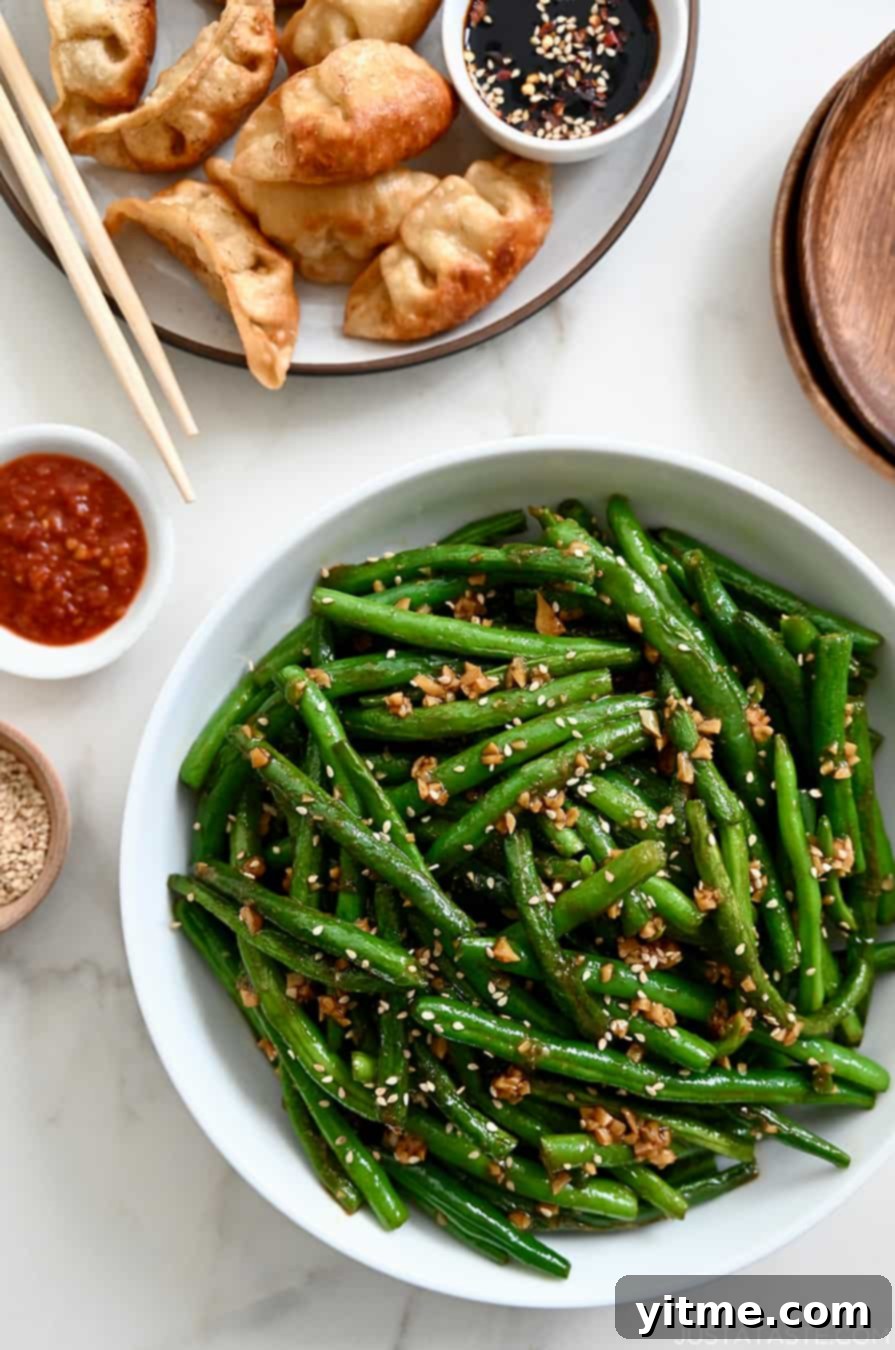
For years, Din Tai Fung has captivated palates worldwide with its exquisite Taiwanese cuisine, from delicate xiao long bao to their incredibly flavorful side dishes. Among their celebrated offerings, the simple yet profoundly delicious Garlic Green Beans stand out as a consistent fan favorite – a true testament to the power of fresh ingredients and expert technique. If you’ve ever had the pleasure of dining at one of their locations, especially the bustling Southern California outposts, you’ll understand the magnetic pull of this particular dish. As a self-proclaimed Din Tai Fung super-fan, with literally hundreds of visits over the past five years, these green beans have always been a non-negotiable part of my order, alongside classics like their Spicy Chicken Wontons.
My journey to developing this copycat recipe was fueled by a passion to capture that exact taste and texture. It involved extensive research, pouring over takeout menus (which often list key ingredients!), scouring online forums, and, of course, countless taste tests. The mission was clear: to unlock the secrets behind those perfectly crisp-tender, blistered green beans tossed in their uniquely savory, umami-rich sauce. The dedication paid off with a recipe that delivers restaurant-quality results every single time.
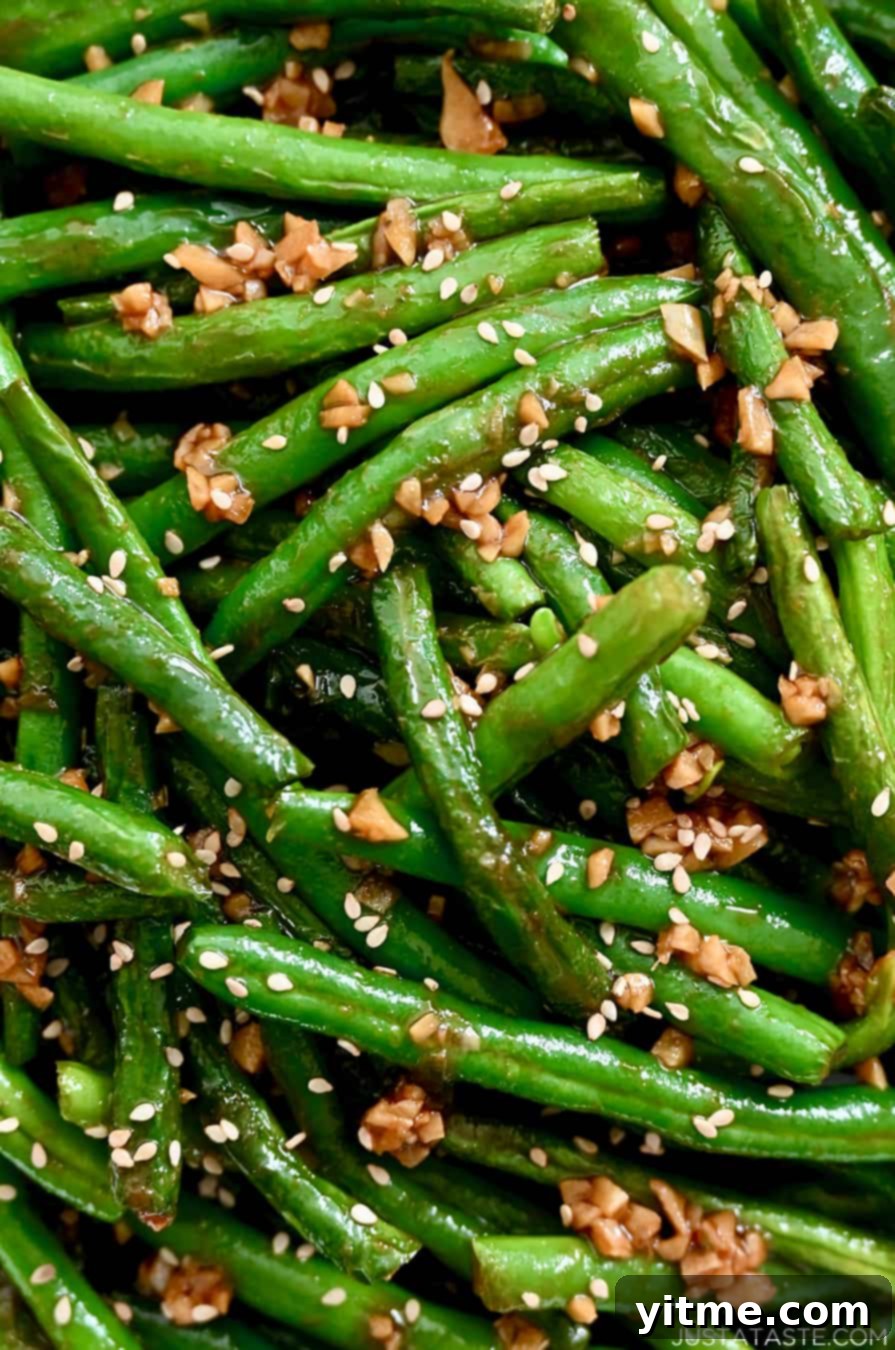
The result is a show-stopping side dish that features vibrant green beans flash-fried to an ideal crisp-tender doneness, complete with those irresistible blistered edges. They are then quickly coated in a savory sauce enhanced by a surprising, yet essential, ingredient that truly elevates the flavor profile. The most incredible part? This incredibly delicious recipe requires only 5 simple ingredients! It’s a game-changer for anyone looking to recreate authentic Asian flavors at home without a lengthy ingredient list or complex steps.

Why Make Din Tai Fung Garlic Green Beans at Home?
Beyond the sheer joy of replicating a restaurant favorite, preparing these garlic green beans at home offers numerous benefits. Firstly, it’s incredibly cost-effective. Dining out at Din Tai Fung is a wonderful treat, but making this side dish yourself saves money without compromising on flavor. You also gain complete control over the ingredients, allowing you to choose the freshest produce and adjust seasonings to your personal preference, whether you prefer more garlic, less salt, or a different type of oil.
Furthermore, the process itself is surprisingly quick and rewarding. In less than 20 minutes, you can transform simple green beans into a gourmet side dish that rivals any restaurant offering. It’s perfect for a weeknight meal, yet elegant enough to impress guests at a dinner party. Mastering this recipe not only expands your culinary repertoire but also brings a touch of authentic Taiwanese-inspired cuisine into your everyday cooking.
The Secret to Perfect Crisp-Tender Green Beans: Flash Frying Explained
Achieving the signature crisp-tender texture of Din Tai Fung’s green beans is all about the cooking method. For this recipe, the answer to the age-old question, “Should you boil green beans before sautéing?” is a resounding no. We are aiming for vibrant, slightly blistered green beans that retain a delightful snap, not soft, mushy ones. Boiling or blanching them beforehand would inevitably lead to an overcooked texture once they hit the hot oil.
The technique employed here is flash frying. This involves quickly cooking the green beans in hot oil until they just begin to wrinkle and develop those desirable blistered spots. The high heat ensures a rapid cook, sealing in their natural sweetness and maintaining their vibrant color, while the quick duration prevents them from becoming waterlogged or overly soft. A crucial step for successful flash frying is ensuring your green beans are completely dry. Any residual water will cause the oil to splatter violently and prevent the beans from crisping up properly. Pat them thoroughly dry with paper towels after washing for the best results.

Wok vs. Frying Pan: Choosing Your Cookware for Optimal Results
When it comes to stir-frying and flash-frying dishes like these Chinese Garlic Green Beans, a wok is undeniably the classic pan of choice. Its distinct sloped walls and rounded bottom are designed for superior heat distribution, allowing heat to concentrate at the bottom while allowing food to be moved up the sides to cook more gently or stay warm. This design also makes it incredibly efficient for tossing and stirring ingredients rapidly, which is essential for achieving even cooking and that desired blistered texture. The high sides also help contain oil splatter, making for a cleaner cooking experience.
However, if a wok isn’t available in your kitchen, don’t despair! You can certainly use a large frying pan or skillet. The key difference is that frying pans have less sloped, flatter bottoms, which means the oil spreads more evenly across the entire base rather than concentrating. This will typically result in your green beans cooking much more quickly in a wok. If you opt for a skillet, choose one with higher sides to minimize oil splatter and give you more room for tossing.
The most critical factor, regardless of your chosen cookware, is ensuring your oil is at the correct temperature. For flash frying, you need hot oil. The easiest and safest way to test if your oil is hot enough is to dip the tip of a green bean into it. It should bubble vigorously and immediately around the bean. If it doesn’t, give the oil a little more time to heat up. Cooking in oil that isn’t hot enough will lead to greasy, soggy green beans rather than crisp-tender perfection.

Key Ingredients for Authentic Flavor
This recipe’s brilliance lies in its simplicity, relying on just five core ingredients that each play a vital role in creating that signature Din Tai Fung taste.
- Vegetable Oil: Essential for flash frying. A neutral oil like vegetable, canola, or grapeseed oil is preferred as it has a high smoke point and won’t impart unwanted flavors. The generous amount ensures proper frying and blistering of the beans.
- Fresh Green Beans: The star of the show! Look for firm, bright green beans without blemishes. Trimming the ends is important, and as mentioned, drying them completely before frying is absolutely crucial for safety and texture.
- Minced Garlic: Garlic is the aromatic backbone of this dish. Freshly minced garlic will offer the most potent and vibrant flavor. While pre-minced garlic can be a time-saver, aim for fresh if possible to achieve that authentic, pungent garlic kick.
- Mushroom or Vegetable Bouillon: This is the “surprising addition” and truly the secret weapon for replicating Din Tai Fung’s deep umami flavor. Bouillon adds a concentrated savory depth that a simple salt seasoning can’t achieve. Mushroom bouillon, in particular, contributes a fantastic earthy, rich dimension. Ensure you dissolve it in hot water before adding to the pan to prevent clumps.
- Low-Sodium Soy Sauce: A touch of soy sauce adds salinity and another layer of umami, balancing the flavors of the garlic and bouillon. Opting for low-sodium allows you to control the overall saltiness of the dish, preventing it from becoming overly salty.
Serving Suggestions & Troubleshooting Tips
These Chinese Garlic Green Beans are incredibly versatile and make a fantastic accompaniment to a wide array of meals. They are, of course, a perfect pairing for any homemade Chinese or Taiwanese feast, sitting beautifully alongside steamed rice, noodles, dumplings, or your favorite stir-fry. Consider serving them with potstickers, spring rolls, or even some simple grilled chicken or fish to add a burst of fresh flavor and texture to your plate. They are delicious enough to stand alone as a light appetizer as well.
If you encounter any issues while making this dish, here are some quick troubleshooting tips:
- Beans not crispy enough? This usually means your oil wasn’t hot enough, or you overcrowded the pan. Ensure the oil bubbles vigorously when testing, and fry in smaller batches if needed to maintain high heat.
- Beans mushy or soggy? You might have overcooked them during the flash-frying step, or they weren’t thoroughly dried beforehand. Remember, they will continue to soften slightly after being removed from the heat.
- Sauce lacking flavor? Adjust the amount of bouillon or soy sauce to taste. A pinch of sugar can also help balance the savory notes if desired, though it’s not traditional for this specific copycat.
How to Dispose of Used Cooking Oil Safely and Responsibly
Properly disposing of used cooking oil is not only important for keeping your drains clear but also for environmental responsibility. Never pour hot oil down the sink, as it can solidify and cause significant clogs in your plumbing system and municipal sewers.
To safely dispose of used cooking oil, follow these simple steps:
- Cool Completely: After frying, carefully pour the hot oil from your skillet or wok into a large, heat-safe bowl or another container. Allow it to cool down completely to room temperature. This can take several hours, so plan accordingly.
- Containerize: Once the oil is fully cooled and solidified (if it’s a type of oil that solidifies at room temperature), transfer it into an empty bottle with a lid (like an old milk jug or plastic water bottle) or a sealable plastic bag. Make sure the container is securely sealed to prevent any leaks.
- Discard: Place the sealed container in your regular trash. Many communities also have recycling programs or designated drop-off points for cooking oil, so check with your local waste management services for options.
By following these steps, you can ensure a clean kitchen and contribute to responsible waste management.
Ready to dive into this incredibly flavorful and surprisingly easy recipe? Let’s get cooking and bring the tastes of Din Tai Fung right into your home kitchen!
Chinese Garlic Green Beans
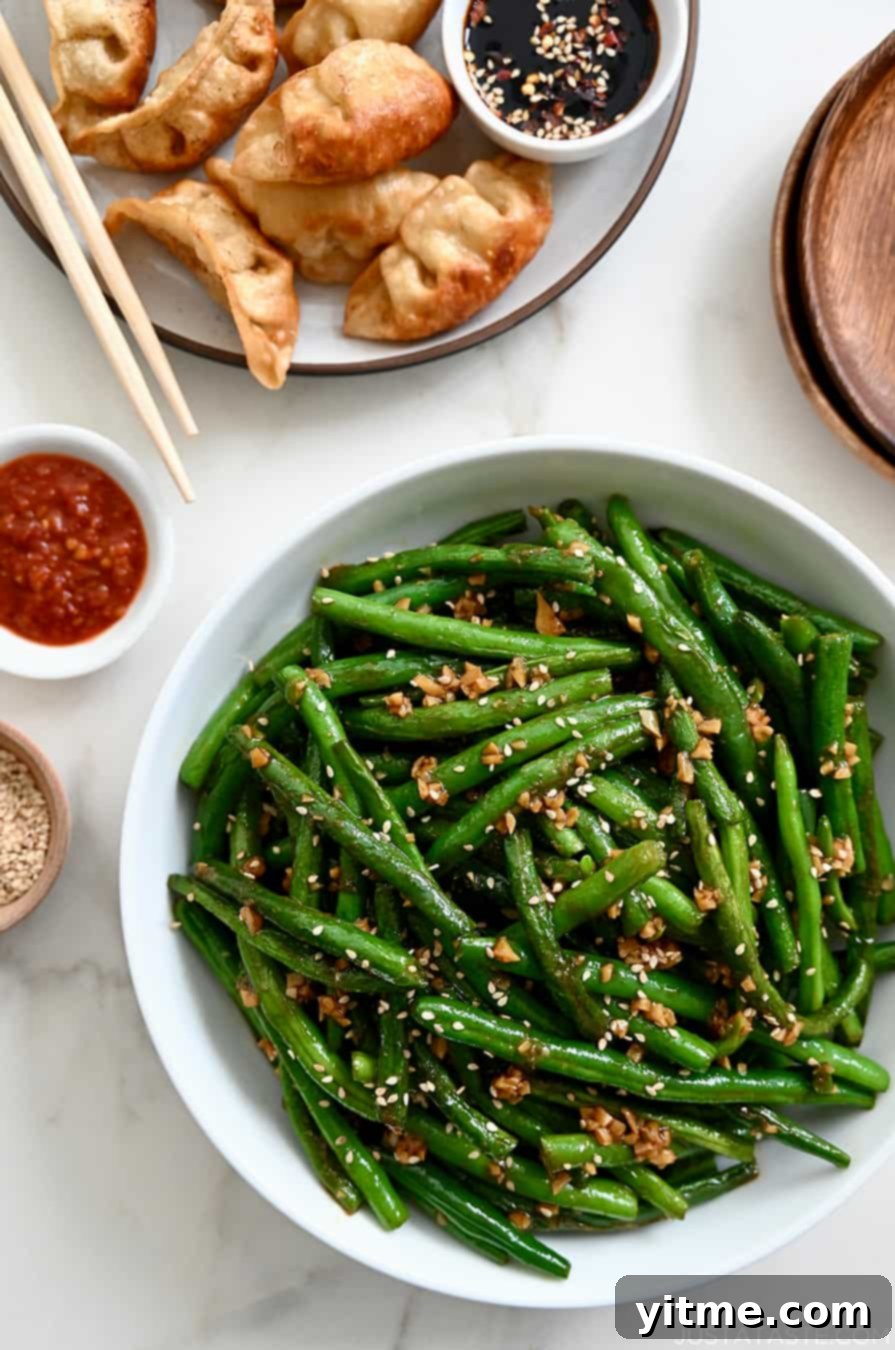
Ingredients
- 1/2 cup plus 1 Tablespoon vegetable oil
- 1 1/2 pounds fresh green beans, trimmed and dried completely
- 2 Tablespoons minced garlic
- 1 1/2 teaspoons mushroom or vegetable bouillon
- 1 teaspoon low-sodium soy sauce
Instructions
- Line a baking sheet with paper towels.
- Add the oil to a large skillet or wok set over medium-high heat. Once the oil is hot (See Kelly’s Notes for testing oil temperature), fry the green beans in batches, tossing frequently, just until they begin to wrinkle and lightly blister, about 2 minutes per batch. Using a slotted spoon, transfer the cooked beans to the paper towel-lined baking sheet to drain excess oil. Repeat the frying process with the remaining green beans, ensuring the oil returns to the correct temperature in between each batch.
- Carefully pour the hot oil out of the skillet into a large, heat-safe bowl and let it cool completely before discarding (see Kelly’s Notes for disposal tips).
- In a small bowl, whisk together the mushroom bouillon with 2 tablespoons hot water and the low-sodium soy sauce until completely combined. Set the mixture aside.
- Return the skillet to medium-high heat and add 1 tablespoon fresh vegetable oil along with the minced garlic and the prepared mushroom bouillon mixture. Stir constantly for 1 minute until fragrant. Then, return the flash-fried green beans to the skillet and toss gently to evenly coat them with the savory sauce. Serve warm immediately for the best texture and flavor.
Kelly’s Notes:
- To test if the oil is hot enough for flash frying, dip the tip of one green bean into it. It should bubble vigorously right away. This ensures your beans get a crisp exterior without becoming greasy.
- The easiest and most responsible way to discard used vegetable oil is to let it cool completely in a separate container. Once cooled, transfer it either into an empty bottle (with a lid) or a sealable plastic bag. Both can then be discarded in the trash without fear of leaking. Check local regulations for oil recycling options.
- Do not overcook the green beans during the initial pan-frying process. The goal is crisp-tender with some blistering. The beans will continue to soften slightly as they rest on the baking sheet and when tossed with the sauce.
- Toasted sesame seeds are an optional garnish that adds a lovely nutty flavor and visual appeal to the finished dish.
- ★ Did you make this recipe? Don’t forget to give it a star rating below! Your feedback helps other home cooks!
Nutrition
Did you try this recipe?
Leave a comment below with your star rating!
Craving more deliciousness? Subscribe to Just a Taste to get new recipes, meal plans, and a newsletter delivered straight to your inbox! And stay in touch on Facebook, Twitter, Pinterest and Instagram for all of the latest updates and culinary inspiration.