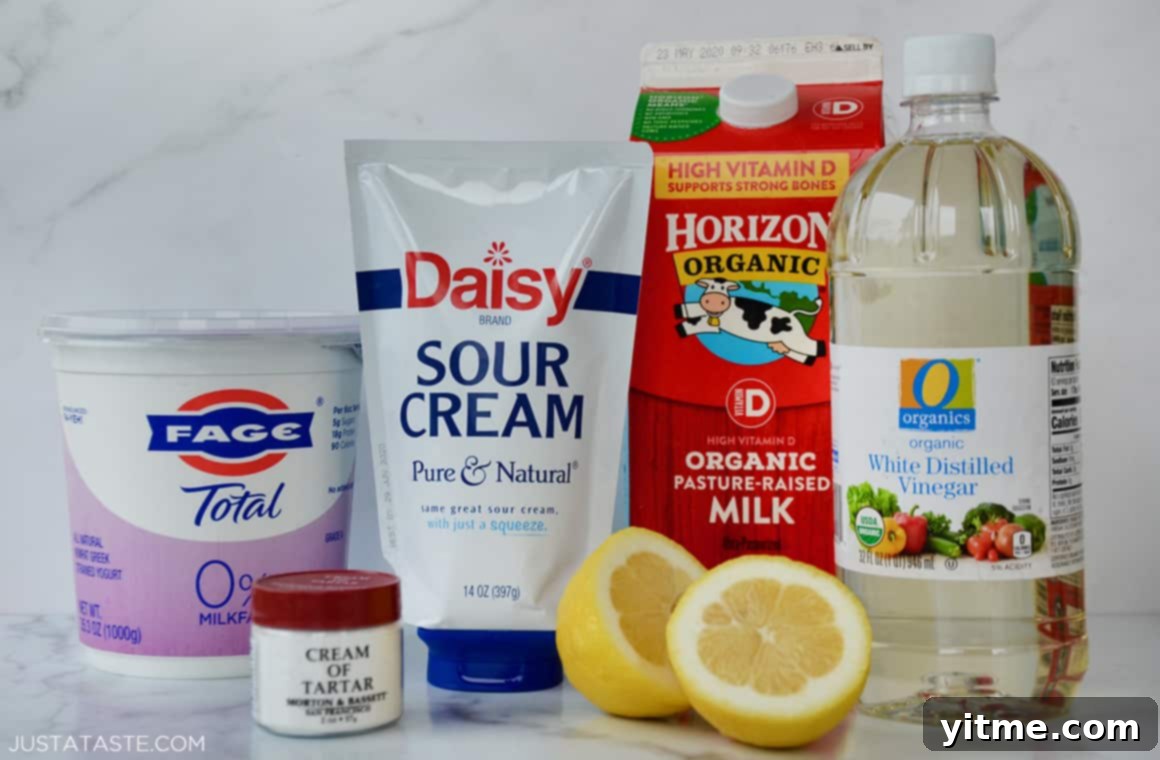
Homemade Buttermilk Substitutes: Your Essential Guide to Seamless Baking
Have you ever eagerly gathered all your ingredients, only to discover you’re completely out of buttermilk? It’s a common baking dilemma that can halt your progress right in its tracks. But before you abandon your recipe or rush to the grocery store, take a deep breath! The good news is that buttermilk is incredibly easy to replicate at home using just a few pantry staples. This comprehensive guide will equip you with reliable, tested substitutes, ensuring you can always achieve that desired tang, rise, and tender crumb in your favorite baked goods, without ever needing to keep a carton of buttermilk on hand.
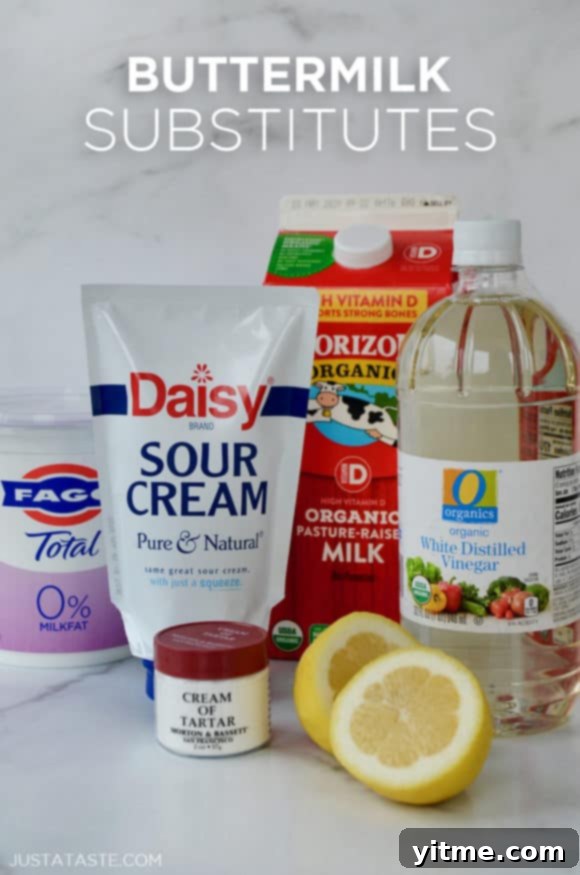
I’ve been there countless times—midway through a batch of fluffy pancakes or perfecting a delicate biscuit recipe, only to realize the crucial buttermilk is missing. It feels like a roadblock, but it doesn’t have to be. As an avid baker, I’ve meticulously tested five highly effective buttermilk substitutes, ensuring they perform just as well as the real deal. In this guide, I’ll not only share these foolproof methods but also delve into the science of what makes buttermilk such a magical ingredient in baking. We’ll explore its unique properties, why many recipes specifically call for it, and crucially, which homemade substitute is best suited for different types of baked goods. Because, as you’ll discover, not all swaps are created equal when it comes to achieving perfect results.
What Exactly Is Buttermilk?
Buttermilk is a fermented dairy product renowned for its distinctive tangy flavor and a consistency that’s notably thicker than regular milk. Historically, true buttermilk was the byproduct of churning butter from cultured cream. This traditional process resulted in a thin liquid that was slightly acidic and contained tiny flecks of butterfat. However, the buttermilk we commonly find in grocery stores today is typically “cultured buttermilk.” This modern version is produced by adding lactic acid bacteria (like Lactococcus lactis) to skim or low-fat milk. These benevolent bacteria consume the lactose (milk sugar) and convert it into lactic acid, which is responsible for buttermilk’s characteristic tart taste, slightly acidic pH, and its wonderfully thick, creamy texture. This fermentation process is what gives buttermilk its unique ability to interact with leavening agents in baking, and contributes to its distinct flavor profile that elevates many recipes.
Why Is Buttermilk Essential in Baking?
Buttermilk isn’t just another liquid; it’s a powerhouse ingredient that brings multiple benefits to your baked goods. Understanding its role helps you appreciate why a good substitute is so vital:
- Powerful Leavening Agent: The primary reason buttermilk is a star in many recipes, especially those using baking soda, is its acidity. When buttermilk’s acid (lactic acid) reacts with alkaline baking soda (sodium bicarbonate), it produces carbon dioxide gas. This gas creates tiny bubbles within the batter or dough, causing it to rise beautifully. The result is a light, airy, and tender crumb, perfect for everything from pancakes to cakes.
- Tenderizes Baked Goods: The acidity in buttermilk doesn’t just help with leavening; it also has a tenderizing effect on gluten. Gluten, a protein network formed when flour is mixed with liquid, can sometimes lead to a tough texture. The acids in buttermilk help to partially break down these gluten strands, resulting in a remarkably softer, more delicate, and moist crumb in your cakes, muffins, and biscuits.
- Enhances Flavor: Buttermilk contributes a subtle yet distinct tangy flavor that brightens and deepens the overall taste of your baked goods. It provides a complexity that plain milk simply can’t offer, cutting through richness and balancing sweetness. This tangy note is particularly cherished in buttermilk pancakes, biscuits, and even rich desserts like banana cake.
- Adds Moisture: Despite its seemingly thin consistency, buttermilk adds a significant amount of moisture to recipes. Its unique composition helps keep baked goods from drying out too quickly, contributing to their freshness and shelf life.
The 5 Best Buttermilk Substitutes You Can Make at Home
“What can I substitute for buttermilk?” is one of the most frequently asked questions I receive. This list of reliable alternatives means that “buttermilk” in an ingredient list will never again be a barrier to baking your favorite recipes. Each option below is designed to yield the equivalent of 1 cup of buttermilk, making conversion simple and straightforward.
1. Milk + Lemon Juice
This is arguably the most popular and easiest homemade buttermilk substitute, perfect for a wide range of recipes. The acid in lemon juice will curdle the milk, mimicking buttermilk’s consistency and acidity.
- Preparation: Add 1 tablespoon of fresh lemon juice to a liquid measuring cup. Then, fill the cup with your choice of dairy or non-dairy milk (whole milk, 2%, skim, soy milk, or almond milk) up to the 1-cup mark.
- Process: Stir the mixture gently and let it sit undisturbed for 5 to 10 minutes. You’ll notice the milk starting to thicken slightly and develop small curds.
- Usage: Use this curdled milk mixture just as you would regular buttermilk in your recipe, measuring out the exact amount required.
- Best For: Pancakes, muffins, quick breads, cakes, and generally any recipe calling for buttermilk. Whole milk provides a richer texture, while non-dairy milks will curdle but may not thicken as much.
2. Milk + White Vinegar
Similar to lemon juice, white vinegar is an acidic ingredient that will quickly curdle milk, providing an excellent and neutral-tasting buttermilk alternative. It’s especially good when you don’t want any citrus flavor influencing your dish.
- Preparation: Pour 1 tablespoon of white vinegar into a liquid measuring cup. Fill the cup with your preferred dairy or non-dairy milk up to the 1-cup line.
- Process: Stir the mixture well and allow it to sit for 5 to 10 minutes. The milk will begin to curdle and thicken.
- Usage: Measure and use this mixture in the same quantity as the buttermilk specified in your recipe.
- Best For: Biscuits, savory recipes, cornbread, and cakes where a neutral flavor is paramount. While apple cider vinegar can also work, white vinegar is generally preferred for its less noticeable taste.
3. Milk + Cream of Tartar
Cream of tartar, a powdered acid, is another fantastic option for creating a buttermilk substitute, especially if you’re looking for a very subtle tang or don’t want to introduce more liquid into your recipe.
- Preparation: In a liquid measuring cup, combine 1 ½ teaspoons of cream of tartar with a splash of milk (about 1-2 tablespoons) to form a smooth paste, preventing lumps. Then, fill the rest of the cup with milk until you reach the 1-cup mark.
- Process: Stir the mixture thoroughly until the cream of tartar is fully dissolved. Let it sit for about 5 to 10 minutes to allow for a slight thickening.
- Usage: Use this mixture in the exact quantity called for by your recipe.
- Best For: Delicate cakes, quick breads, and recipes where a very mild acidity is preferred. Ensure the cream of tartar is well-dispersed to avoid pockets of sourness.
4. Milk + Plain Yogurt
If you have plain yogurt on hand, it can be easily thinned to create a creamy and tangy buttermilk substitute. Since yogurt is already fermented, it naturally possesses the acidity needed for leavening and flavor.
- Preparation: In a small bowl or liquid measuring cup, whisk together ¼ cup of regular milk with ¾ cup of plain, unsweetened yogurt.
- Process: Mix until smooth and well combined. If using thicker Greek yogurt, you might need to add a bit more milk (up to another ¼ cup) to achieve a consistency similar to buttermilk. The goal is a pourable, slightly thick liquid.
- Usage: Measure out the required amount from this mixture and use it directly in your recipe.
- Best For: Muffins, cakes, pancakes, and recipes where you want to add a touch more richness and a pronounced, yet pleasant, tang. Ensure your yogurt is plain and unsweetened to avoid altering the flavor profile of your baked goods.
5. Sour Cream + Water
Sour cream, another cultured dairy product, offers a rich and creamy base for a buttermilk substitute. When thinned with water, it perfectly mimics the consistency of buttermilk while adding its own signature richness.
- Preparation: In a small bowl, thoroughly whisk together ½ cup of sour cream with ½ cup of water.
- Process: Continue whisking until the mixture is smooth and lump-free, achieving a pourable consistency akin to buttermilk.
- Usage: Use this mixture in the same quantity as the buttermilk listed in your recipe.
- Best For: This substitute shines in richer baked goods like cakes, creamy sauces, and dressings where a slightly higher fat content and a very creamy mouthfeel are desired. Full-fat sour cream will yield the most luscious results.
Tips for Choosing the Right Buttermilk Substitute
With several options available, you might wonder which one is best for your specific recipe. Here’s a quick guide to help you decide:
- Consider the Recipe: For most general baking (pancakes, muffins, quick breads), Milk + Lemon or Milk + Vinegar are universally excellent.
- Flavor Profile: If you want a neutral taste, Milk + Vinegar or Milk + Cream of Tartar are ideal. For a slightly richer flavor and texture, Milk + Yogurt or Sour Cream + Water are fantastic choices.
- Texture: Higher-fat milk with lemon/vinegar, or the yogurt/sour cream substitutes, will yield a richer, more tender crumb. Skim milk options might result in a slightly lighter texture.
- Dairy-Free Needs: For vegan or dairy-free recipes, using non-dairy milks (soy, almond, oat) with lemon juice or vinegar is your best bet. Remember, they may not thicken as much as dairy milk but will still provide the necessary acidity.
Can I Freeze Buttermilk?
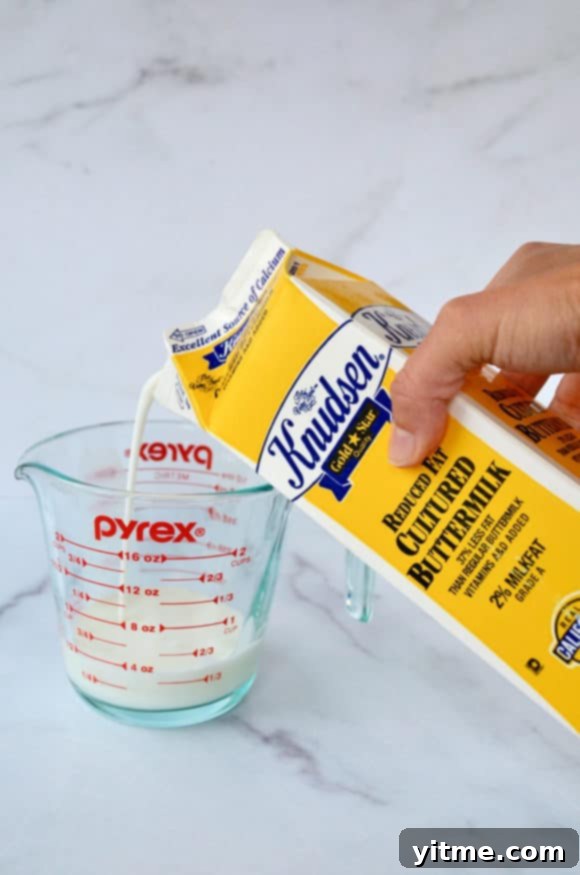
Yes, absolutely! It’s a fantastic way to prevent food waste. Recipes often call for only a small amount of buttermilk, leaving the rest of the carton to sit idly in the fridge until it inevitably expires. This common scenario leads to unnecessary waste, but there’s a simple and effective solution: freezing. Freezing buttermilk, whether store-bought or your homemade substitute, is an excellent strategy for convenience and sustainability.
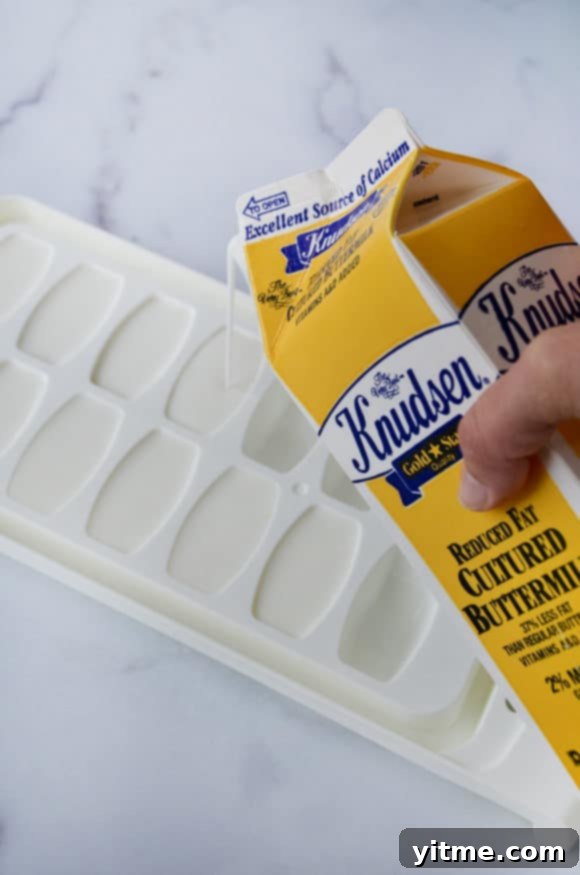
The most efficient way to freeze buttermilk (or any of the liquid buttermilk substitutes you’ve prepared) is by pouring it into an ice cube tray. This method is brilliant for portion control. Each ice cube typically holds about 1 to 2 tablespoons, allowing you to easily pop out and defrost individual cubes on an as-needed basis. Once frozen solid, transfer the buttermilk cubes to an airtight freezer bag or container. Frozen buttermilk will maintain its quality for up to three months. When you’re ready to use it, simply thaw the required number of cubes overnight in the refrigerator or gently in the microwave on a low setting. Don’t be alarmed if it separates a little after thawing; a quick whisk will bring it back together, and it will perform perfectly in your baking.
What Recipes Can I Make with Buttermilk Substitutes?
The beauty of these homemade buttermilk substitutes is their versatility. Nearly any recipe that calls for buttermilk will work beautifully with the alternatives listed above. While there might be slight nuances in the final flavor profile—owing to the inherent differences in tanginess and richness between lemon juice, vinegar, yogurt, or sour cream—these differences are usually minor and often add a pleasant complexity to your dish. You’ll still achieve the essential acidity for leavening and the tenderizing effects that buttermilk provides.
Here are a few of my absolute favorite recipes that truly shine with either traditional buttermilk or any of these fantastic substitutes:
- No Yeast Bread: Buttermilk’s acidity is crucial here, reacting with baking soda or powder to provide the necessary lift and a tender crumb without the need for yeast. Your substitutes will perform this function perfectly.
- Simple Skillet Cornbread: The tang of buttermilk is a classic complement to the sweetness of cornmeal, contributing to a moist, tender texture and that quintessential cornbread flavor. Any of the acidic milk substitutes will work wonderfully.
- Raspberry Cream Cheese Coffee Cake: In rich cakes like this, buttermilk helps to tenderize the crumb and balance the sweetness with its slight tang, ensuring a moist and flavorful result. The yogurt or sour cream substitutes would add an extra layer of richness here.
- One-Bowl Banana Bread: Buttermilk is key to achieving a supremely moist and tender banana bread. Its acidity interacts with baking soda to give a nice lift, preventing a dense loaf while enhancing the banana flavor.
Beyond these, think about fried chicken marinades (for tenderizing!), salad dressings, creamy soups, and even scones. Anywhere buttermilk is called for, you now have a reliable, homemade solution.
So, the next time you find yourself without buttermilk, remember these easy hacks. You’ll be baking with confidence and never letting a missing ingredient stop your culinary creativity again!
Craving more? Subscribe to Just a Taste to get new recipes, meal plans and a newsletter delivered straight to your inbox! And stay in touch on Facebook, TikTok, Pinterest and Instagram for all of the latest updates.