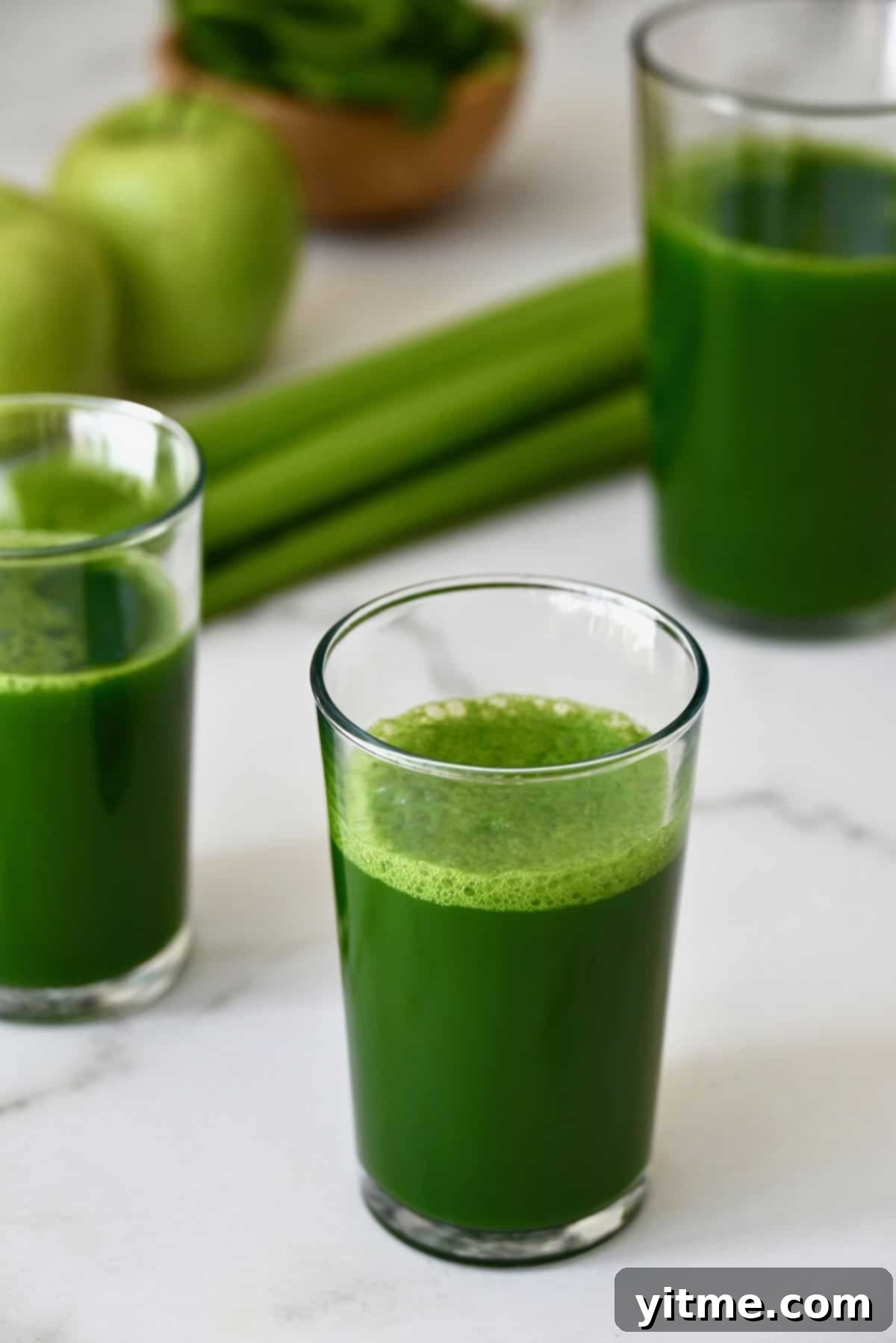
The Ultimate Guide to Making Healthy Green Juice in Your Blender
Forget expensive store-bought options and the need for a specialized juicer! This comprehensive guide empowers you to create your very own vibrant, nutrient-packed green juice using a blender. Not only is it cost-effective, but it’s also incredibly simple, making daily wellness achievable for everyone. Beyond sipping your refreshing beverage, we’ll explore ingenious ways to repurpose the nutritious pulp, ensuring zero waste and maximum benefit from your ingredients.
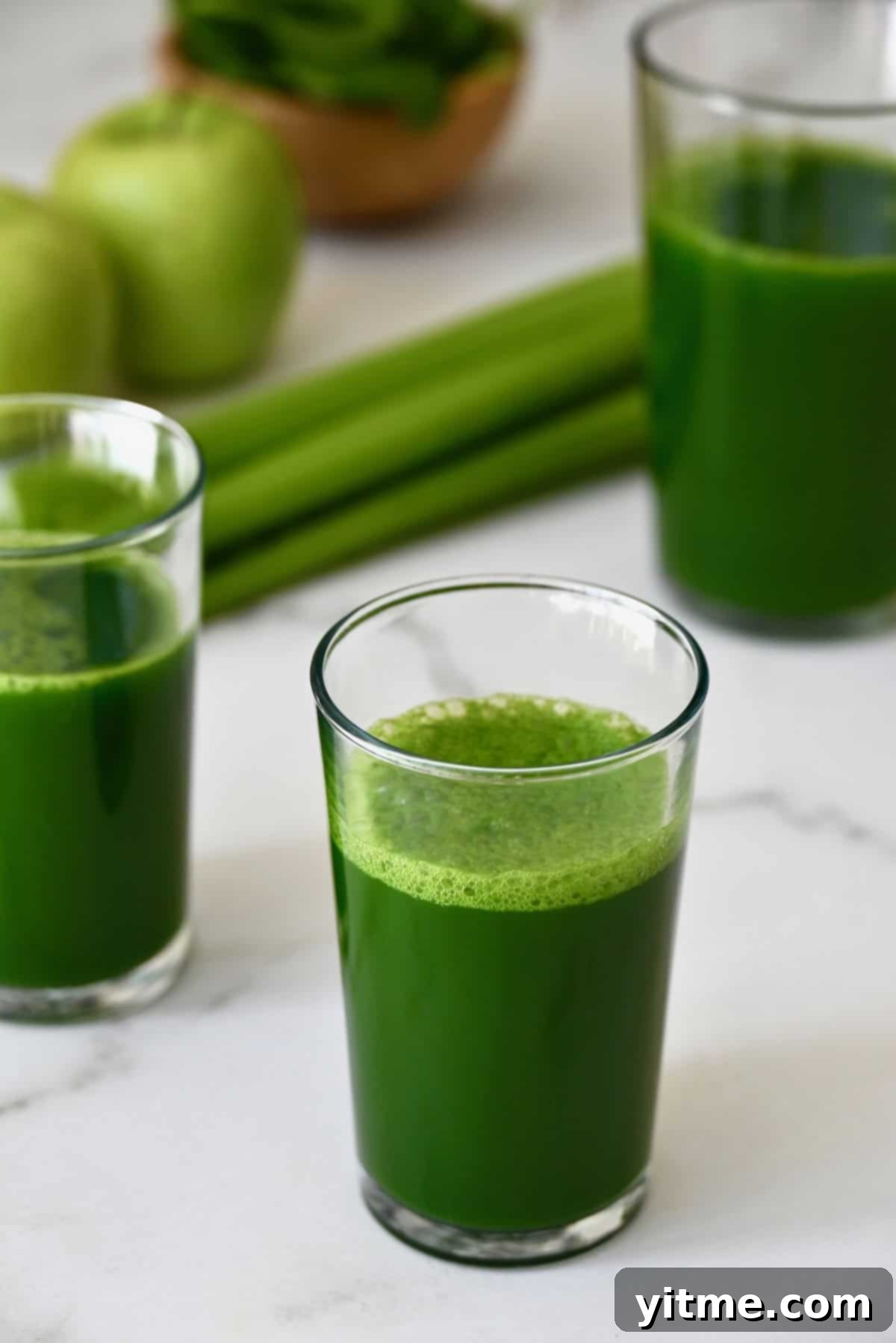
Table of Contents
- Why Make Green Juice in a Blender?
- Blender Green Juice Video Tutorial
- Essential Ingredients for Blender Green Juice
- Creative Variations and Substitutions
- Step-by-Step: How to Make Green Juice in a Blender
- Maximizing Nutrition: Understanding the Pulp
- Ways to Use Leftover Juice Pulp
- Pro Tips for Perfect Blender Green Juice
- Storage Best Practices for Green Juice
- Frequently Asked Questions About Blender Juicing
- More Healthy Recipes
- Green Juice in a Blender Recipe Card
Why Make Green Juice in a Blender?
As spring transitions into summer, many of us seek ways to boost our health and feel our best. One of the most effective and delicious methods is incorporating fresh green juice into our daily routine. This year, embrace the power of green with a revitalizing glass of homemade green juice, bursting with wholesome ingredients like kale, apples, parsley, cucumbers, celery, ginger, and a zesty squeeze of fresh lemon juice. This isn’t just a refreshing drink; it’s a potent elixir brimming with essential vitamins, powerful antioxidants, vital nutrients, and countless other beneficial compounds that support overall well-being.
The motivation behind this blender green juice recipe stems from both the desire for accessible wellness and a common frustration: the high cost of store-bought juices. A single glass of green juice can easily exceed $10 at a local juice bar, making a healthy habit an expensive luxury for many. This sticker shock, coupled with a popular demand for an affordable and simple alternative, inspired a DIY approach that eliminates the need for a costly, specialized juicer or extra attachments. Your everyday blender is all you need! This quick and easy method gives you the flexibility to either strain the juice for a silky-smooth, thinner consistency, or, for maximum fiber intake, enjoy it as is, hearty pulp and all. Choosing the blender method allows you to retain all the dietary fiber from the fruits and vegetables, offering a more complete nutritional profile compared to traditional juicing which discards much of the fiber.
Blender Green Juice Video Tutorial
Essential Ingredients for Blender Green Juice
Crafting the perfect green juice begins with selecting fresh, high-quality ingredients. Each component in this recipe is chosen not only for its flavor but also for its unique nutritional contribution, creating a harmonious blend that supports your health from the inside out.
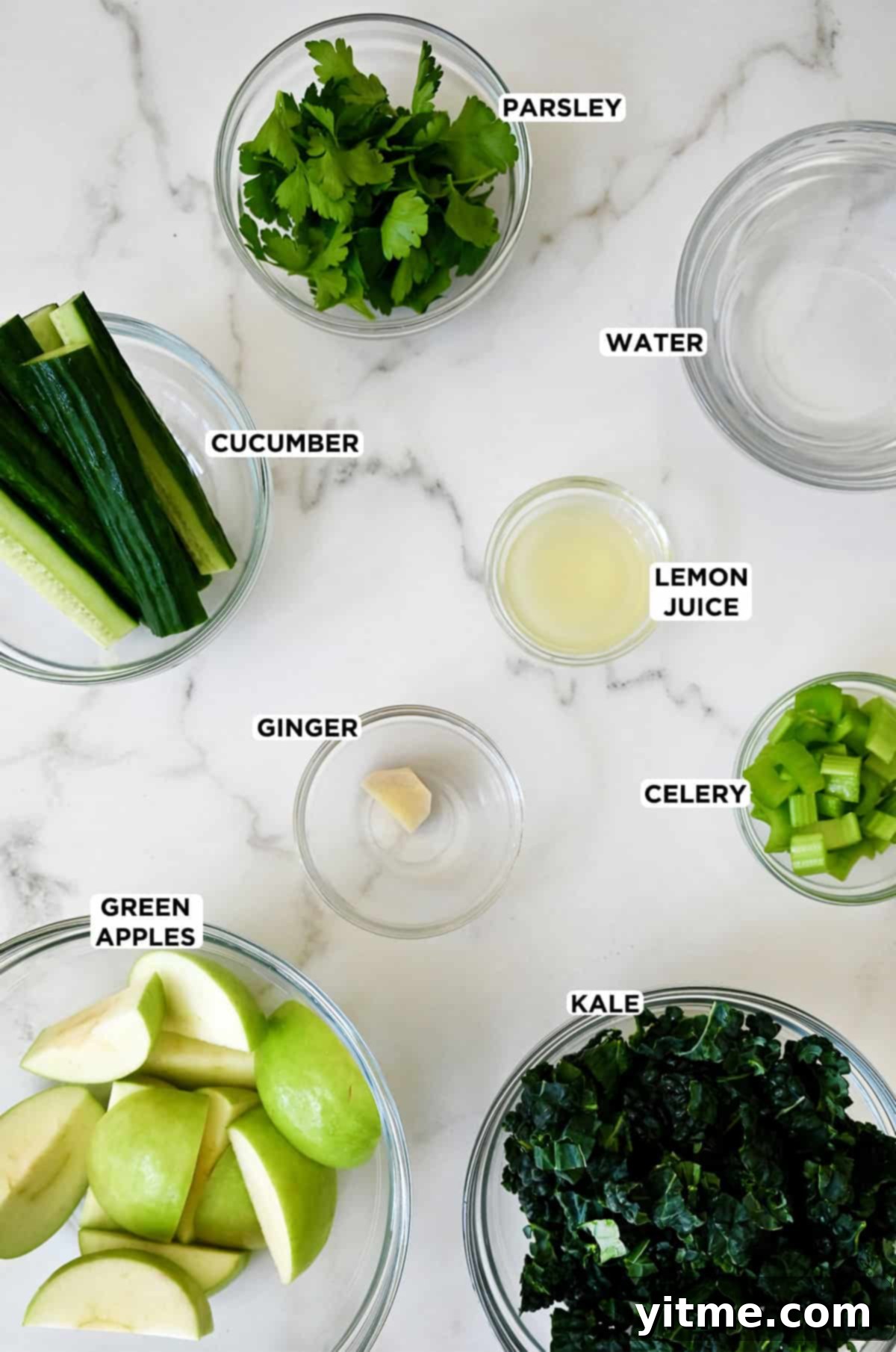
- Water: This is the crucial liquid base for any blender juicing. Blenders require some liquid to effectively process solid ingredients into a smooth consistency. Adding water first helps the blades catch and break down tougher greens and fruits.
- Kale: A true superfood, kale is packed with vitamins A, C, and K, as well as potent antioxidants. For ultimate convenience, pre-washed chopped kale, often found in bags, is ideal. There’s no need to meticulously remove the small bits of stems; your powerful blender will effortlessly pulverize them, incorporating all their beneficial fiber into your juice.
- Green Apples: Apples add a touch of natural sweetness and a refreshing tang to balance the earthiness of the greens. While any apple variety works, Granny Smiths are particularly favored for their vibrant tartness and high juice content, which contributes to a smoother blend. Remember to core them before adding to the blender.
- Parsley Leaves: Often underestimated, parsley is a nutritional powerhouse, rich in vitamins K, C, and A, and has powerful detoxifying properties. Both curly and flat-leaf (Italian) parsley are excellent choices. Similar to kale, don’t fuss over the stems; they blend seamlessly and add extra nutrients.
- Cucumber: Composed of over 95% water, cucumbers are incredibly hydrating and provide a refreshing, mild base for your green juice. For maximum benefit, choose cucumbers that are wrapped in plastic, as they typically lack the waxy coating found on unwrapped varieties. It’s best to leave the skins on, as this is where a significant amount of fiber and beneficial nutrients reside.
- Celery: Known for its crisp texture and mild, slightly salty flavor, celery is a fantastic source of vitamins K and C, and various antioxidants. Before blending, ensure the celery ribs are thoroughly cleaned. Use a vegetable scrubber to remove any trapped dirt within their fibrous grooves.
- Ginger: A small piece of ginger adds a delightful spicy kick and offers numerous health benefits, including anti-inflammatory and digestive aid properties. For easy peeling, simply use the edge of a spoon to gently scrape away the thin skin of the ginger root.
- Lemon Juice: Fresh lemon juice brightens the overall flavor profile of the juice and adds a significant boost of Vitamin C. To extract the maximum amount of juice from a lemon, roll the whole fruit firmly back and forth across your counter before cutting and squeezing. This action breaks down the internal membranes, allowing more juice to be released.
See the recipe card at the end of this article for full information on ingredients and quantities.
Creative Variations and Substitutions
The beauty of making juice in a blender lies in its versatility. The possibilities for customization are virtually endless, allowing you to tailor the juice to your taste preferences and whatever ingredients you have on hand. Feel free to use our basic formula as a starting point and experiment with your favorite ingredients to create new and exciting blends. Here are some other nutritious ingredients you can add or substitute into your green juice:
- Leafy Greens: If kale isn’t your preferred leafy green, or if you simply want to diversify your nutrient intake, many other greens blend beautifully. Consider spinach for a milder flavor, bok choy for a slightly peppery note, Swiss chard for its vibrant color and nutrient density, arugula for a bold, peppery kick, or even beet greens, which offer a sweet earthiness. Romaine lettuce can also add a refreshing, lighter base.
- Fresh Fruit: To alter the sweetness or add different nutritional benefits, swap out or supplement the green apples with other fruits. Try peeled pineapple for a tropical sweetness and bromelain enzymes, peeled orange segments for a citrusy burst and vitamin C, peeled mango for a rich, creamy texture and beta-carotene, pitted peaches for a softer fruit option, or cored pears for a different kind of sweetness and fiber. Berries, such as blueberries or raspberries, can also add a delightful antioxidant boost and natural sweetness, though they might change the “green” color slightly.
- Citrus: While lemon juice offers a classic tartness, you can experiment with other citrus fruits to vary the flavor. Lime juice provides a sharper, more exotic tang, while grapefruit juice adds a pleasantly bitter and complex note. Adding a wedge of orange or a few drops of orange essential oil (food grade) can also brighten the profile.
- Herbs and Spices: Beyond parsley, consider adding a few sprigs of mint for an incredibly refreshing taste, or a pinch of turmeric for its powerful anti-inflammatory properties (note: turmeric can stain). A tiny dash of cayenne pepper can also add a metabolic boost.
- Superfood Boosts: For an extra health kick, blend in a teaspoon of spirulina or chlorella powder, known for their dense nutritional profiles. A tablespoon of chia seeds or flax seeds can add omega-3s and additional fiber, making the juice even more filling, but will result in a thicker consistency.
Step-by-Step: How to Make Green Juice in a Blender
Making green juice with a blender is surprisingly straightforward. Follow these simple steps for a perfect batch every time:
- Prepare Your Ingredients: Wash all your produce thoroughly. Core the apples, quarter the cucumber, roughly chop the celery, and peel the ginger. Having everything ready ensures a smooth blending process.
- Add Water to Blender: Begin by pouring the specified amount of water into your blender jar. This initial liquid is crucial as it provides the necessary medium for the blades to move freely and efficiently process the solid ingredients. If at any point during blending the ingredients seem stuck or aren’t circulating properly, a small splash of additional water will usually help get things moving again.
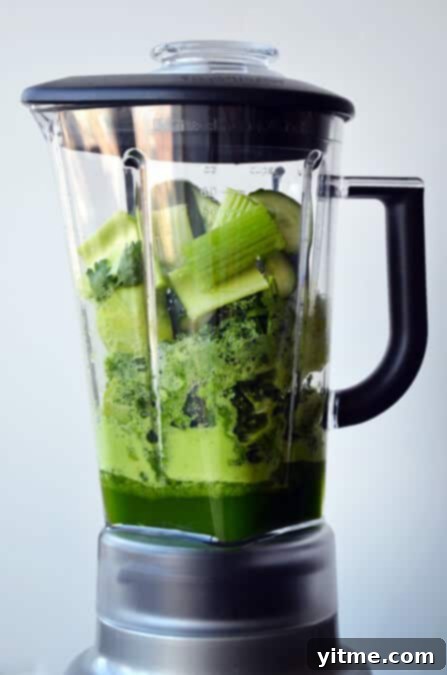
- Layer Remaining Ingredients: Strategically layer your remaining ingredients into the blender. Start by placing the leafy greens, such as kale and parsley, at the bottom of the jar. This placement allows the heavier, denser fruits and vegetables you add on top (like apples, cucumbers, and celery) to weigh down the greens, ensuring they make consistent contact with the blades. This technique helps achieve a more uniform and quicker blend, preventing leafy chunks from remaining unblended at the top. Add the ginger and lemon juice last.
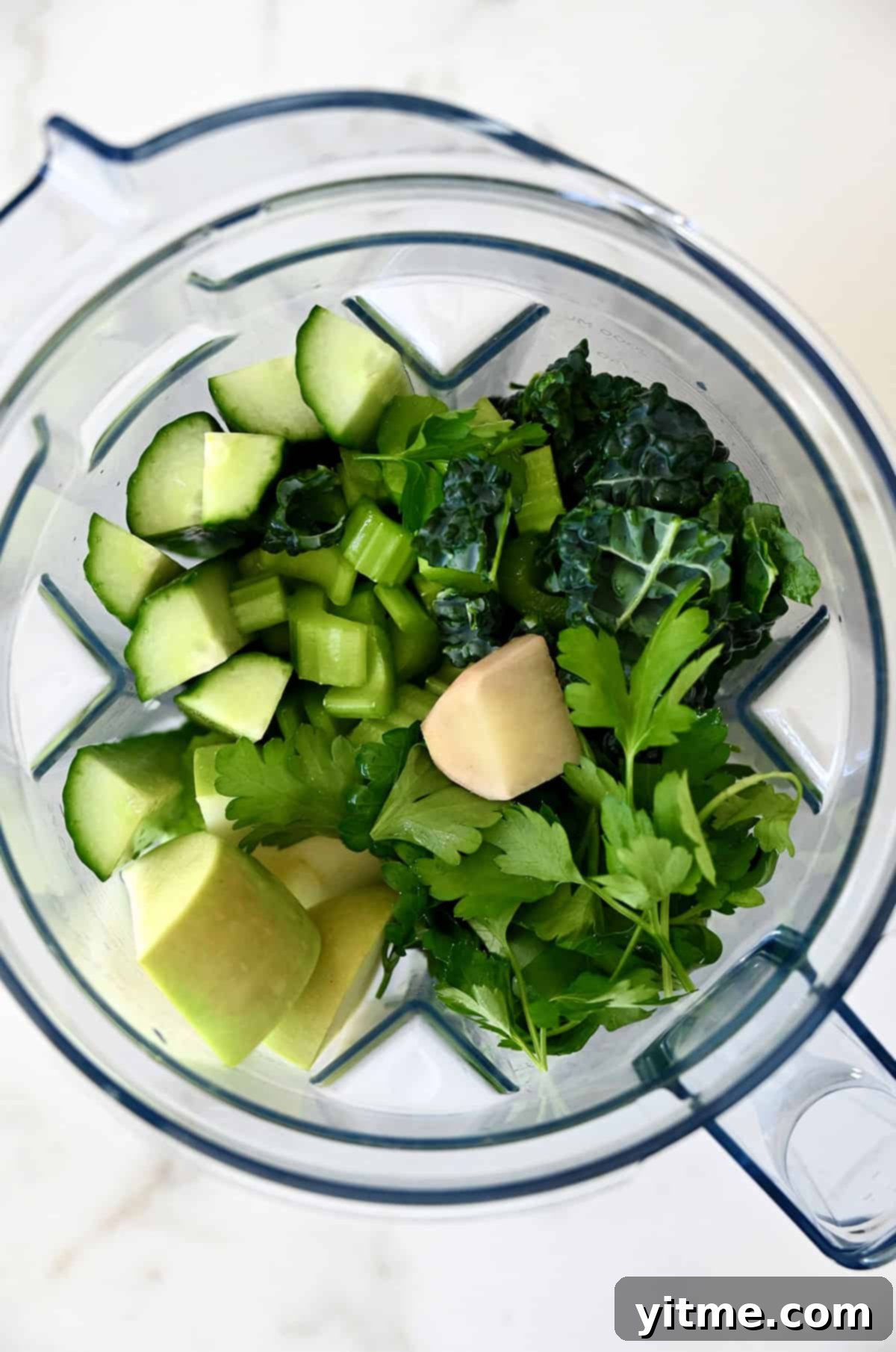
- Blend Until Smooth: Secure the lid on your blender and start blending on a low setting, gradually increasing to high. Run the blender just long enough to achieve a smooth, pureed consistency. Most high-speed blenders have a “liquefy” setting which works perfectly. Be mindful not to over-blend, as prolonged blending can generate heat, which may slightly reduce some of the delicate nutrients and result in a warmer, less refreshing juice. A minute or two should be sufficient for most blenders to reach the desired consistency.
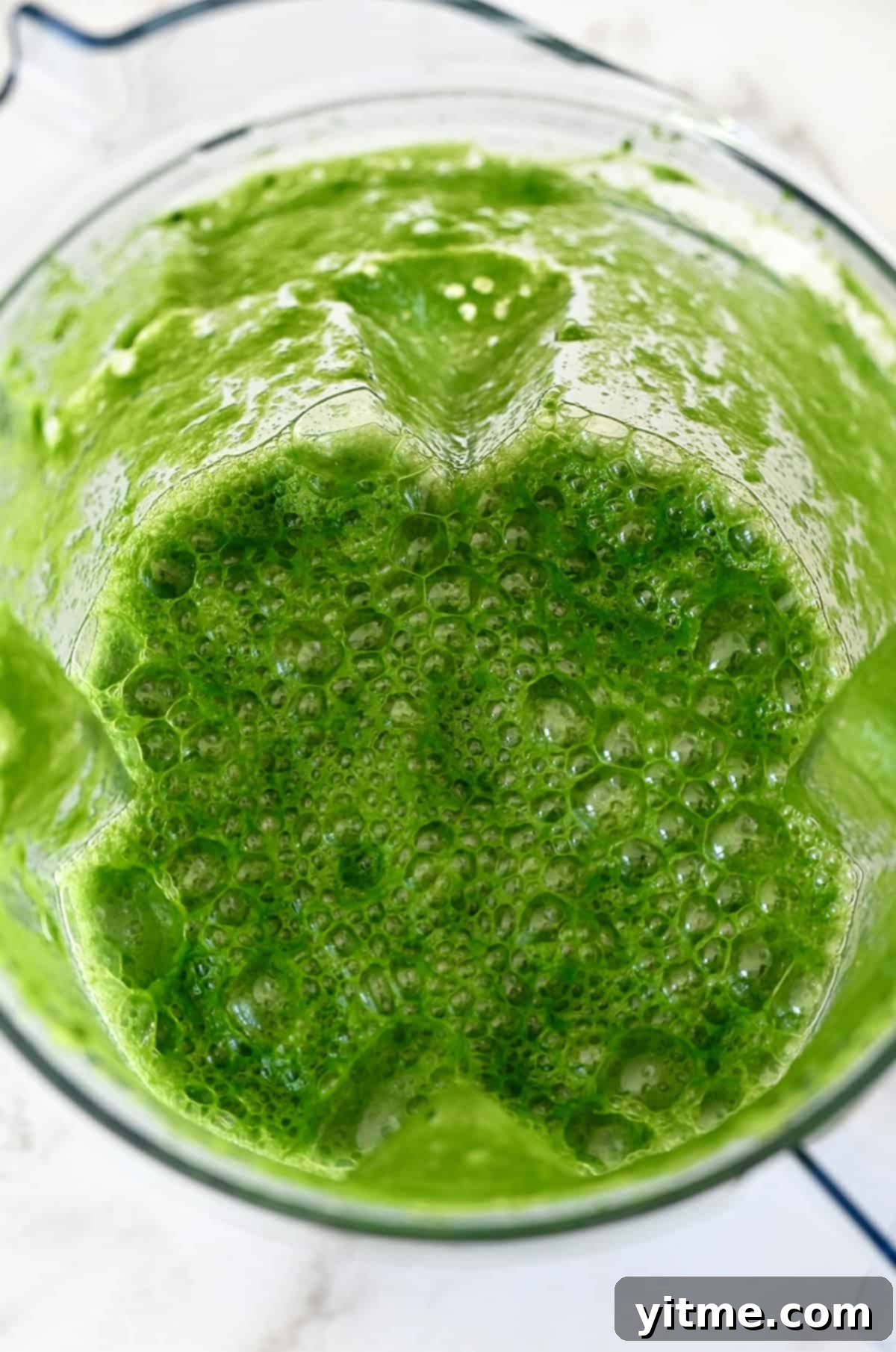
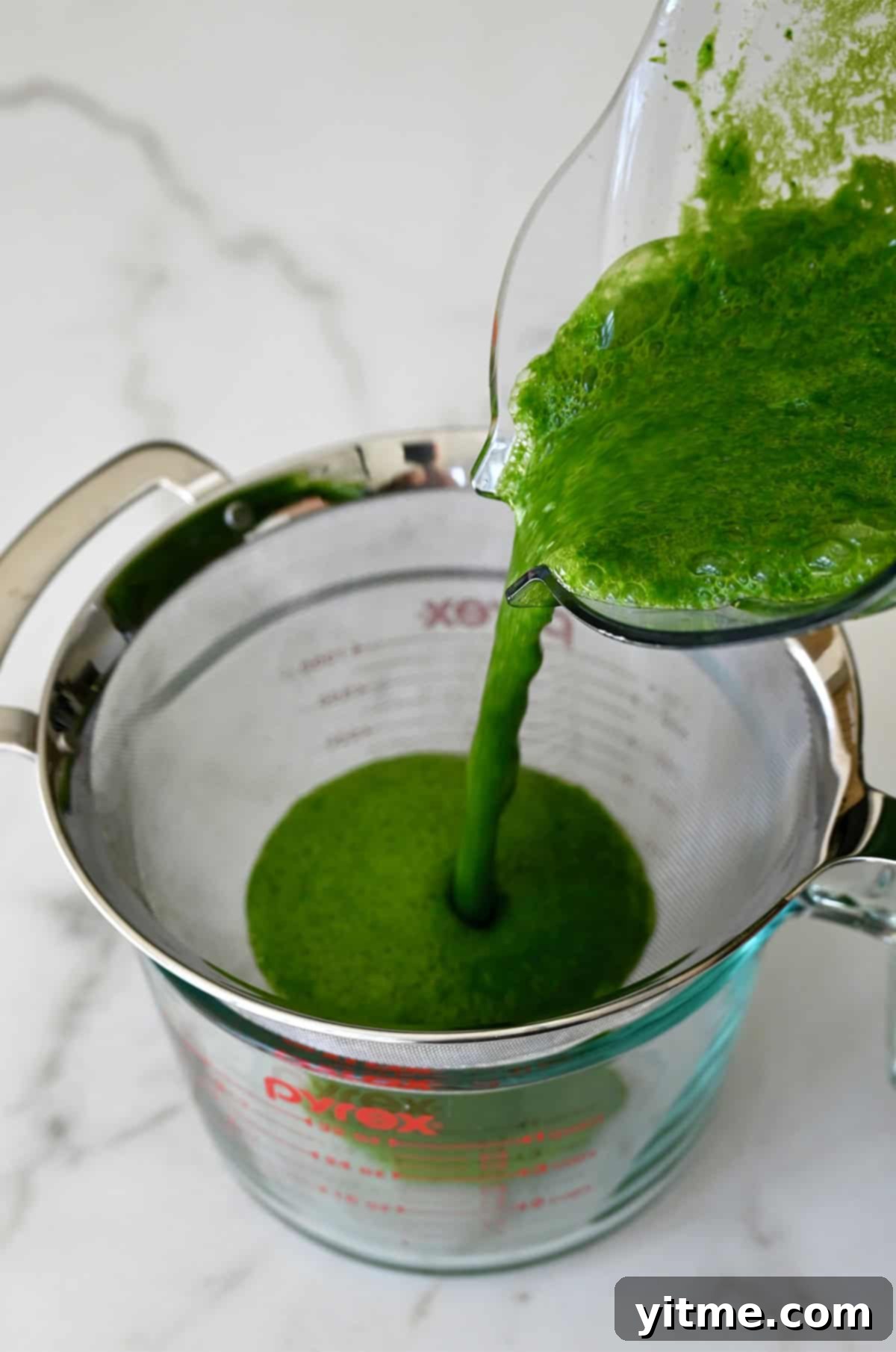
- Strain (Optional): At this stage, your blended mixture will have a consistency similar to a thick smoothie. You can absolutely drink it as is to benefit from all the fiber. However, if you prefer a lighter, thinner, more traditional juice consistency, you’ll want to strain it. Place a fine mesh sieve or several layers of cheesecloth over a large bowl or measuring cup. Pour the blended mixture into the sieve or cheesecloth. Using a rubber spatula, press down firmly on the thick pulp to extract as much liquid as possible. Gather the corners of the cheesecloth and squeeze the bundle tightly to get every last drop of juice.
Maximizing Nutrition: Understanding the Pulp
When you make juice in a traditional juicer, the fiber-rich pulp is separated and often discarded. However, with a blender, you have the option to include all that beneficial fiber in your drink, essentially making it a “whole food” juice. This thicker consistency, similar to a smoothie, means you retain more nutrients and experience greater satiety. If you choose to strain your juice for a smoother texture, don’t let that pulp go to waste! It’s an incredibly valuable byproduct, packed with dietary fiber, vitamins, and minerals that can easily be incorporated into other dishes.
Pro Tip for Cleaning Your Blender: Clean your blender immediately after use! Fill the empty blender jar with a few inches of warm water and add a drop of dish detergent. Secure the lid and blend on high for about 10 seconds. Then, simply rinse thoroughly. Cleaning it right away prevents any pulp or residue from drying and sticking to the jar, making cleanup significantly easier.
Ways to Use Leftover Juice Pulp
Repurposing leftover juice pulp is a fantastic way to minimize food waste and maximize the nutritional value of your ingredients. This fibrous byproduct is a treasure trove of vitamins, minerals, and dietary fiber, ready to enhance a wide array of recipes. Here are some creative and delicious ideas to integrate your leftover juice pulp into your cooking:
- Baked Goods: Stir the pulp directly into batters for various baked goods. It adds moisture, fiber, and subtle flavor to quick breads, muffins, pancakes, and even waffles. You can often substitute it for grated zucchini or carrots in recipes. For instance, it can be a clever addition to recipes like Zucchini Oatmeal Chocolate Chip Cookies, providing similar benefits and texture.
- Savory Dishes: Incorporate pulp into savory meals to boost their nutritional content. Mix it into soups and stews during the cooking process; it will thicken the dish slightly and blend in seamlessly. For pasta lovers, stir the pulp into your favorite marinara sauce (like a 10-Minute Homemade Tomato Marinara Pasta Sauce) for an extra dose of hidden veggies.
- Spreads and Dips: Blend juice pulp with cream cheese, a touch of herbs, and seasoning to create your very own homemade, nutrient-rich veggie cream cheese spread. This is excellent on bagels, toast, or as a dip for crackers. Alternatively, fold it into hummus or other dips for added texture and nutrients.
- Smoothies: If you’re not straining your juice, but have extra pulp from a previous batch (perhaps from a traditional juicer), you can always add it to your next smoothie for an extra fiber boost.
- Patties and Fritters: Combine pulp with a binding agent (like an egg or flour), spices, and perhaps some grated cheese or breadcrumbs to form savory patties or fritters. These can be pan-fried or baked for a healthy snack or side dish.
- Broth Booster: Add vegetable pulp to your next batch of homemade vegetable broth or stock. It will infuse the liquid with additional flavors and nutrients before being strained out.
To store leftover pulp, place it in an airtight container in the refrigerator for 1 to 2 days. For longer storage, you can portion it out using an ice cube tray, freeze the individual cubes, and then transfer them to a freezer bag. These frozen pulp cubes can be added directly to future smoothies, soups, or baked goods whenever needed, offering a convenient way to maintain your healthy habits.
Pro Tips for Perfect Blender Green Juice
- Optimal Straining with Cheesecloth: If you desire a truly smooth, pulp-free juice, fine mesh cheesecloth is your best friend. It’s highly effective at separating the liquid from the solids. Drape the cheesecloth over a large bowl, pour the blended juice into it, then gather the corners of the cloth. Twist and squeeze the bundle firmly to extract every last drop of nutrient-rich liquid. This method yields a clearer, thinner juice than a sieve alone.
- Troubleshooting Blending Issues: If your blender’s blades seem to be struggling, or the ingredients aren’t moving freely, don’t panic. The simplest solution is often to add a bit more water, a tablespoon at a time, until the mixture begins to circulate smoothly. Alternatively, stop the motor, remove the lid, and use a rubber spatula to scrape down the sides of the blender jar, pushing unblended ingredients towards the blades. Restart blending and repeat if necessary.
- Choosing the Right Produce for Blending: When experimenting with new ingredients in your green juice, prioritize leafy greens and fruits and vegetables with high water content and a softer texture. Examples include spinach, cucumbers, celery, apples, pears, and citrus fruits. Hard, dense vegetables like carrots, beets, or sweet potatoes contain less water and are much tougher for a standard blender to fully liquefy. While they can be juiced in a dedicated juicer, they will likely leave behind unpalatable chunks in a blender-made juice, requiring significant straining and potentially leading to less efficient nutrient extraction. Stick to the softer, juicier options for the best blender juice results.
- Temperature Matters: For the most refreshing drink, use cold water and chilled produce. This helps keep the juice cool during blending and enhances its refreshing qualities. You can also add a few ice cubes to the blender, but be aware this might dilute the flavor slightly.
Storage Best Practices for Green Juice
Freshly made green juice is always best consumed immediately after preparation to reap the maximum nutritional benefits. The moment ingredients are blended, exposure to air (oxidation) begins to diminish the potency of some vitamins and enzymes. However, if you need to store it, homemade green juice will typically last safely in an airtight container in the refrigerator for 24 to 48 hours. Beyond this timeframe, the juice may start to oxidize more rapidly, leading to a noticeable change in color, flavor, and a reduction in nutritional value. Always store it in a container that minimizes air exposure, such as a mason jar filled to the brim.
For longer-term storage, freezing is an excellent option. To freeze green juice, pour it into a glass jar (a large mason jar works great), leaving about an inch of space at the top to allow for expansion as the liquid freezes. Screw the lid on tightly and freeze for up to 3 months. When you’re ready to enjoy it, simply defrost the juice overnight in the refrigerator. An even more fun and convenient freezer option is to transform your blended juice into delicious and healthy Green Juice Popsicles by pouring the mixture into popsicle molds. This is a fantastic way to make a refreshing and nutritious treat for warmer days or a healthy snack for kids!
Frequently Asked Questions About Blender Juicing
Generally, no. Most fruits and vegetables can be blended with their peels intact, especially organic produce. In fact, the peels often contain a high concentration of beneficial nutrients and fiber, making it advantageous to leave them on. Just ensure all produce is thoroughly washed before blending.
To naturally sweeten your green juice, increase the proportion of naturally sweet ingredients. Use sweeter apple varieties (like Fuji or Gala) or add fruits such as peeled pineapple, mango, pitted peaches, or peeled orange segments. You can also opt for milder, naturally sweeter leafy greens like baby spinach or romaine lettuce instead of more bitter greens like kale. If it’s still not sweet enough to your liking, a small amount of natural sweeteners like honey, agave nectar, or a few soaked dates can be added.
No, blending does not destroy the nutrients in fruits and vegetables. While some heat can be generated by high-speed blending, it’s generally not enough to significantly degrade most vitamins and minerals. For your green juice to be at its most nutritionally beneficial, it’s recommended to leave the peels intact (after washing), drink it immediately after preparation, and if possible, avoid straining out the pulp, as the fiber contributes significantly to its health benefits.
For the smoothest green juice, a high-speed blender (like Vitamix or Blendtec) is ideal as it can fully pulverize fibrous greens and tough fruits. However, a standard blender can also work well, though it might require a bit more blending time and potentially more water to achieve a smooth consistency. The key is to blend until there are no noticeable chunks, especially if you plan to drink it with the pulp.
Yes, you can use frozen fruits and vegetables, especially if fresh options aren’t readily available or you want to extend shelf life. Frozen ingredients can make the juice colder and thicker, almost like a smoothie. If using a lot of frozen produce, you might need to add a bit more water to help the blender process everything smoothly.
More Healthy Recipes
Looking to continue your journey to a healthier lifestyle? Explore these other delicious and nutritious recipes:
- Secret Ingredient Smoothies
- Healthy Breakfast Cookies
- Freezer-Friendly Egg White Muffins
- Healthy Taco Zucchini Boats
- Green Goddess Avocado Hummus
- Quinoa Breakfast Bowls
Craving more? Subscribe to Just a Taste to get new recipes, meal plans, and a newsletter delivered straight to your inbox! And stay in touch on Facebook, TikTok, Pinterest, and Instagram for all the latest updates.
Green Juice in a Blender
Ingredients
- 1 1/2 cups water
- 2 cups kale
- 2 green apples, cored
- 1/2 cup parsley leaves
- 1 medium cucumber, quartered
- 2 celery ribs, roughly chopped
- 1 (1-inch) piece of ginger, peeled
- 2 Tablespoons lemon juice
Equipment:
- blender; fine mesh sieve (optional)
Instructions
- Add all of the ingredients into the blender jug in the order in which they are listed. Blend the ingredients on the highest level setting, such as “liquefy,” until the juice is well-blended. (It will be the consistency of a smoothie.)
- If you want to enjoy the pulp with your juice, pour the mixture into glasses and serve. If you prefer a thinner consistency, pour the mixture through a fine mesh sieve, and using a spatula, press the pulp into the sieve to extract as much liquid as possible. Pour the strained juice into glasses and serve.
Kelly’s Notes
- Cheesecloth is one of the most effective ways to separate the pulp from the juice. Pour the juice into a cheesecloth set over a bowl, then lift up the corners of the cheesecloth and twist and squeeze the bundle.
- If the ingredients aren’t moving around in the blender, try adding more water or stopping the motor and scraping down the sides.
- Stick with leafy greens and soft, juicy fruits and vegetables or produce with a high water content. Hard, dense vegetables like carrots, beets or sweet potatoes will not liquify as well.
- ★ Did you make this recipe? Don’t forget to give it a star rating below!
Nutrition
Did you try this recipe?
Leave a comment below with your star rating!