Ultimate Guide to Making Homemade Vanilla Extract: Easy 2-Ingredient Recipe
Say goodbye to overpriced, store-bought vanilla extract and discover the joy of crafting your own **Homemade Vanilla Extract** with just two simple ingredients! Once you experience the superior flavor and incredible cost savings of this essential pantry staple, you’ll wonder why you ever bought it from the store. Making vanilla extract at home is not only incredibly easy but also allows you to control the quality of ingredients, ensuring a pure and potent flavor that elevates all your baked goods and culinary creations.
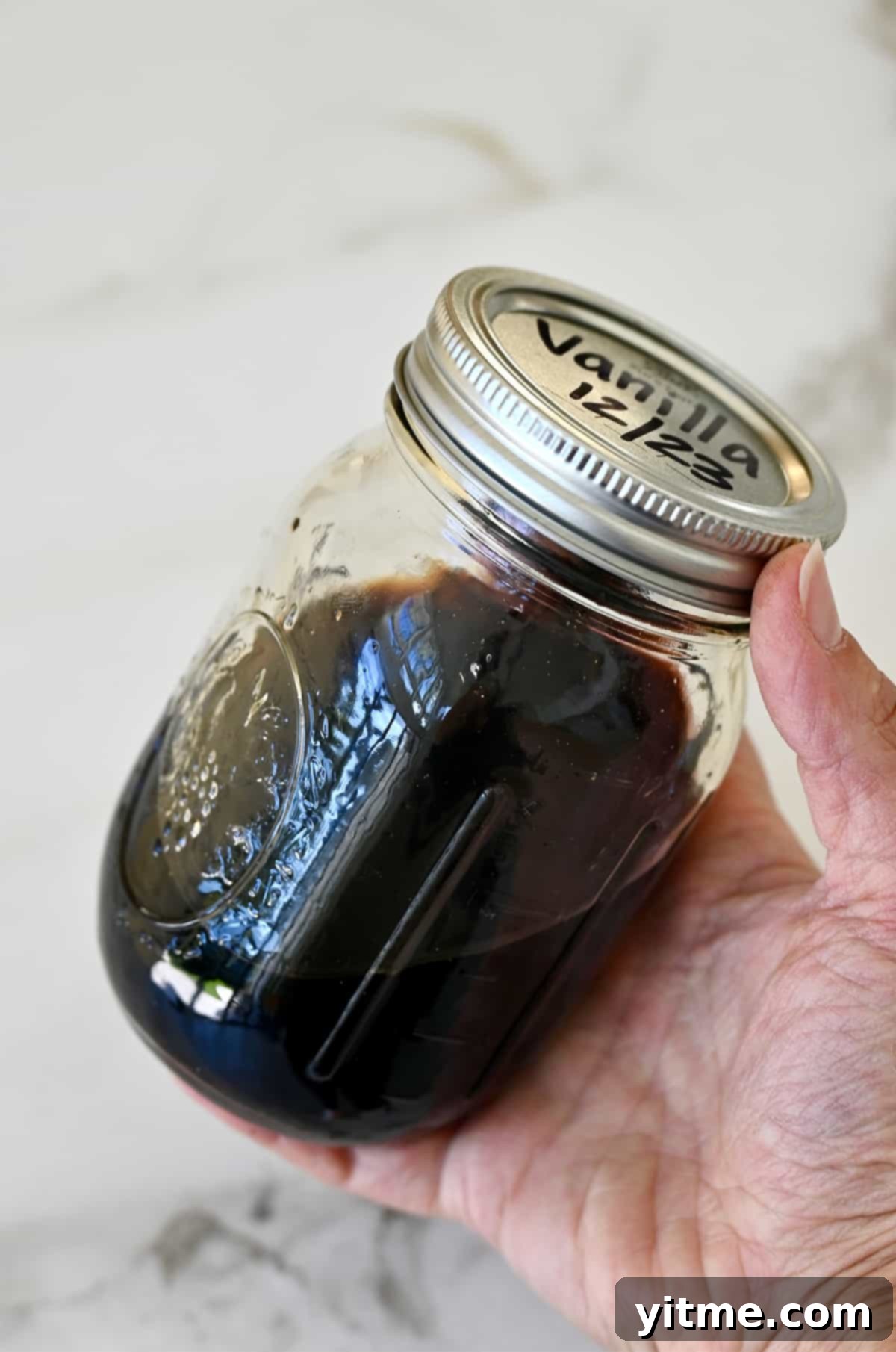
Table of Contents
- Homemade Vanilla Extract Video Tutorial
- Essential Ingredients and Equipment for Vanilla Extract
- Understanding Vanilla Beans: Varieties and Grades
- What’s the Difference Between Grade A and Grade B Vanilla Beans?
- How to Make Homemade Vanilla Extract: A Simple Guide
- Expert Tips for the Best Homemade Vanilla Extract
- Storage and Shelf Life of Homemade Vanilla Extract
- Delicious Recipes to Use Your Homemade Vanilla Extract
- Frequently Asked Questions About Homemade Vanilla Extract
- Homemade Vanilla Extract Recipe Card
Whether you’re baking up festive batches of Christmas cookies, aiming to significantly reduce your grocery bill by making your own pantry staples, or seeking heartfelt homemade gift ideas, DIY vanilla extract is an outstanding choice that covers all bases. Its rich aroma and deep flavor will impress anyone who tastes it, making it a perfect present for food lovers and home bakers alike. This simple project is a gateway to enhancing countless recipes with a truly exceptional ingredient.
Is making your own vanilla extract truly worth the effort? Absolutely, without a doubt! The benefits extend far beyond just the monetary savings. You gain complete control over the quality and origin of your ingredients, allowing you to create an extract free from artificial flavors or additives often found in commercial versions. This means a purer, more authentic vanilla taste for your dishes. While the initial outlay for good vanilla beans and a suitable alcohol might seem a bit higher upfront, the sheer volume and superior quality of extract you’ll produce over time make it a remarkably cost-effective and rewarding endeavor. Plus, there’s immense satisfaction and pride in using an ingredient you crafted yourself, knowing exactly what went into it.
Homemade Vanilla Extract Video Tutorial
Essential Ingredients and Equipment for Vanilla Extract
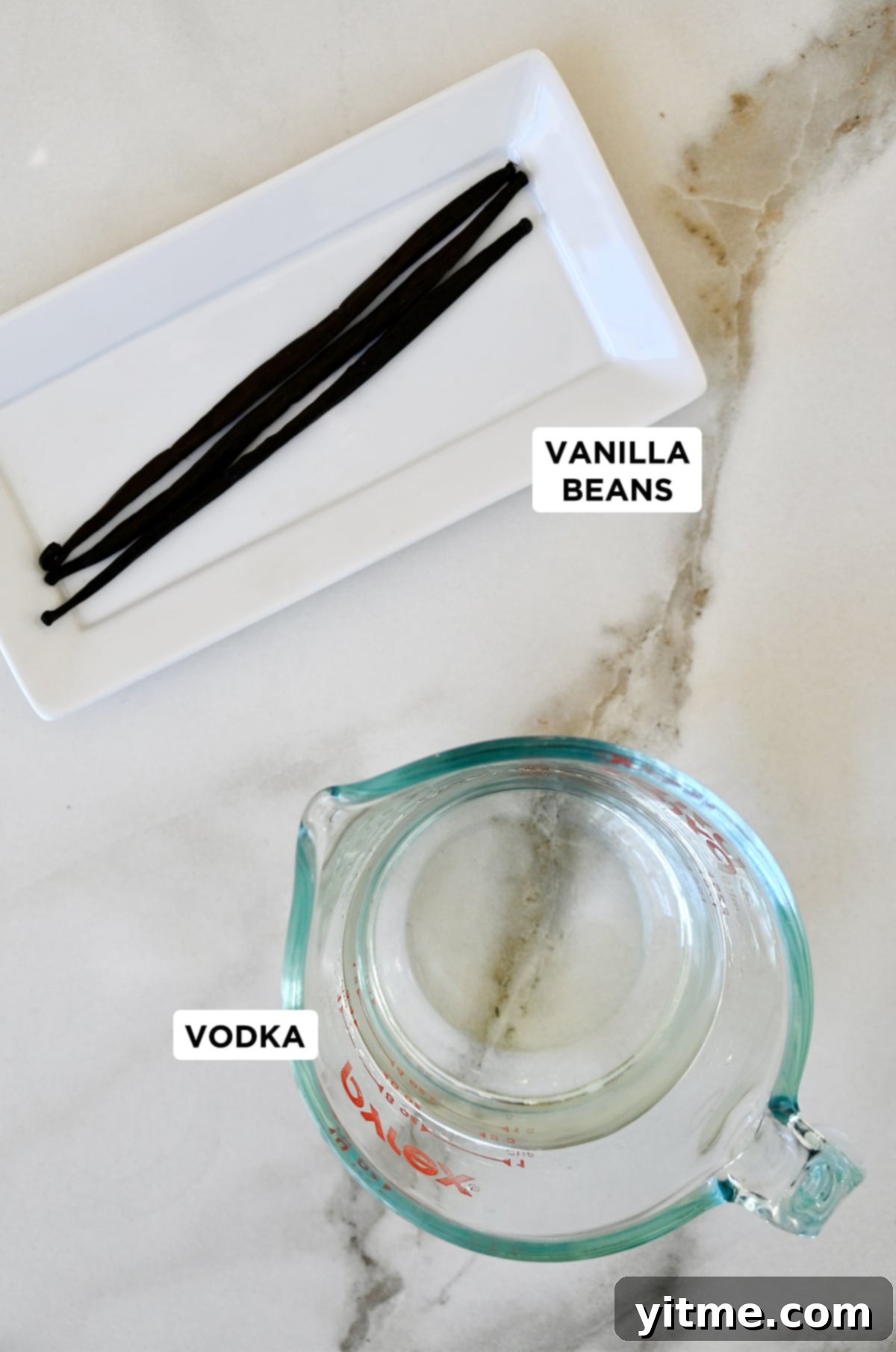
Crafting your own vanilla extract requires only a few key components. The beauty of this recipe lies in its simplicity, making it accessible to even the most novice of home cooks. Here’s a detailed look at what you’ll need to get started on your vanilla extract journey:
- High-Quality Vanilla Beans: This is where the magic truly begins! For the best results in your homemade extract, I highly recommend using Grade B vanilla beans. These are often labeled as “extract grade” because their lower moisture content and robust flavor profile make them ideal for long-term infusions, yielding an exceptionally rich and concentrated extract. While you might find vanilla beans in the gourmet spice section of larger grocery stores, specialty online retailers like Amazon or dedicated vanilla bean suppliers often offer a wider selection and better prices for bulk purchases, which is perfect for extract making. The typical guideline is to use approximately 3 to 5 vanilla beans for every cup of alcohol, but you can adjust this ratio for a stronger or milder extract according to your preference. Remember, plump, moist, and aromatic beans are always the best indicator of freshness and flavor potential.
- 70-80 Proof Alcohol: The choice of alcohol will subtly influence the final flavor profile of your extract, acting as the solvent that pulls out the vanilla’s aromatic compounds. Vodka is a classic and highly popular choice because of its neutral flavor, which allows the pure vanilla notes to shine through unobstructed, resulting in a clean, traditional vanilla extract. However, don’t hesitate to experiment with other spirits! Bourbon can impart a warm, smoky, and slightly caramel-like undertone, perfect for richer desserts like cookies or custards, while brandy adds a fruity, sweet complexity that complements lighter baked goods and fruit preparations. The most crucial factor is the alcohol content: ensure your chosen spirit is between 35-40% alcohol (70-80 proof) for optimal flavor extraction. Anything lower might not adequately extract the vanilla compounds, and anything much higher might overpower the delicate vanilla notes.
- Airtight Glass Jars or Bottles: Proper containment is essential for successful vanilla extract making. You’ll need clean, sterilized glass jars or bottles with tight-fitting, airtight lids. I personally favor these half-pint Mason jars for their durability, affordability, and excellent seal. An airtight seal is absolutely critical to prevent any alcohol evaporation during the long infusion process, which could otherwise weaken your extract, diminish its potency, and compromise its overall quality.
- Sharp Knife: A sharp utility knife or paring knife is indispensable for preparing your vanilla beans. You’ll need it to split the beans lengthwise, exposing the thousands of tiny seeds within the pod. A clean, precise cut ensures maximum surface area for the alcohol to penetrate and extract the flavor compounds efficiently without damaging the precious beans.
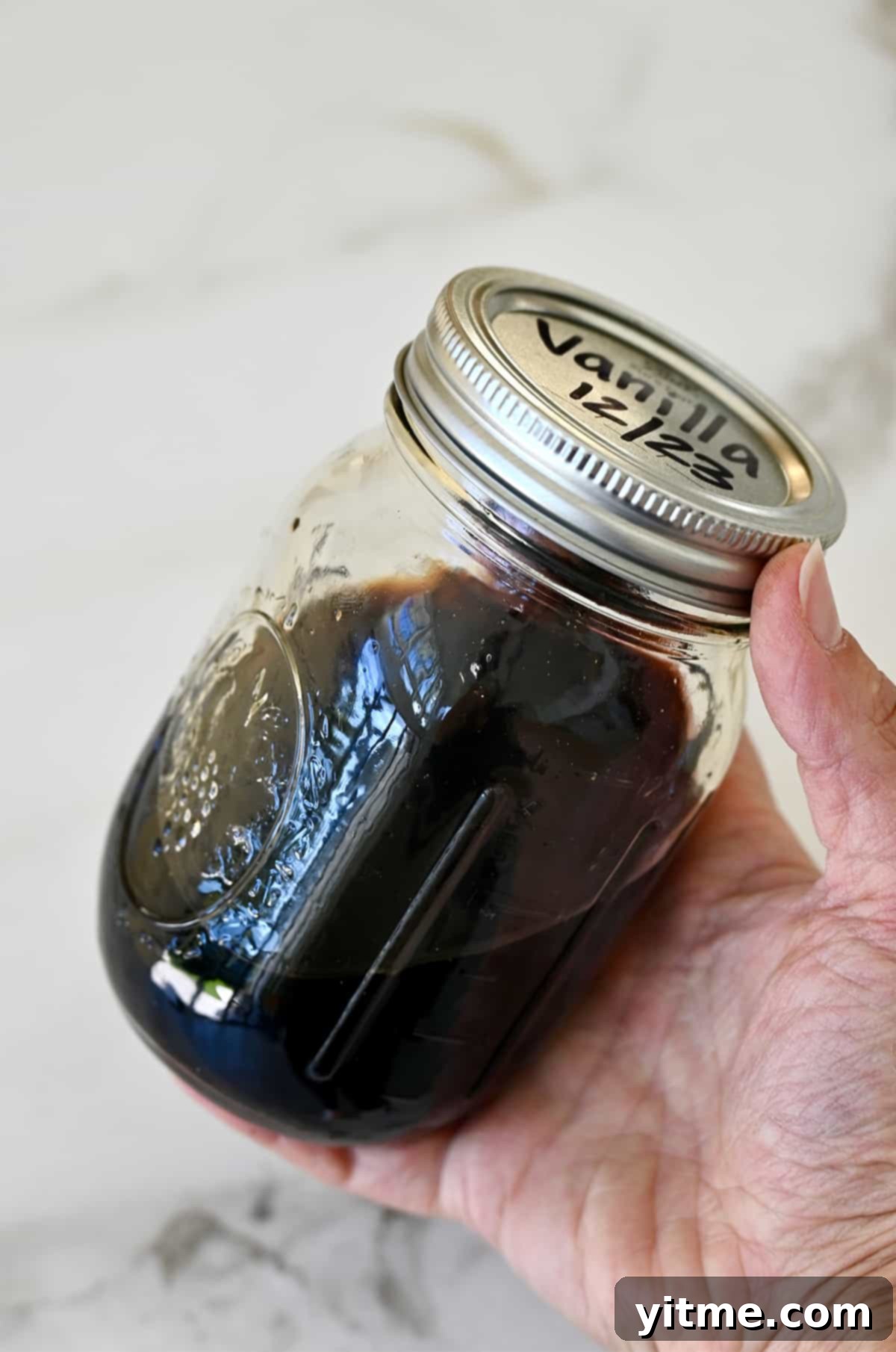
- Labels (Optional, but Highly Recommended!): While not strictly necessary for the process itself, labeling your jars adds a practical and delightful touch. Clearly marking the date you started the infusion, the type of vanilla bean used (e.g., “Madagascar Vanilla – Started 12/2024”), and the type of alcohol allows you to track the aging process and easily differentiate between experimental batches. This is invaluable for ensuring you use the extract at its optimal maturity and also makes your homemade extract look incredibly professional and personal if you plan to give it as a thoughtful gift. A simple permanent marker works just as well if you prefer simplicity!
For detailed quantities and specific measurements, please refer to the comprehensive recipe card provided at the end of this guide.
Understanding Vanilla Beans: Varieties and Grades
The type of vanilla bean you choose significantly influences the flavor profile of your homemade extract. Each variety boasts unique characteristics that can complement different types of desserts and dishes, allowing for a personalized culinary touch. Here’s an in-depth guide to help you select the perfect vanilla beans for your extract and culinary adventures:
- Bourbon (or Madagascar) Vanilla Beans
- Flavor Profile: Widely regarded as the most popular and versatile vanilla bean, Bourbon vanilla, primarily sourced from Madagascar, offers a classic, rich, creamy, and intensely sweet flavor. It’s often described as having buttery and slightly smoky undertones, making it the familiar and comforting aroma found in most traditional baking. This is the quintessential vanilla flavor that comes to mind for many.
- Ideal for: This variety is a true all-rounder, perfect for general use in almost any baking, dessert, or cooking application. If you’re looking for that iconic, universally loved vanilla flavor found in most traditional recipes, Bourbon vanilla is your go-to choice for a versatile homemade extract that will perform beautifully in any dish.
- Tahitian Vanilla Beans
- Flavor Profile: Tahitian vanilla beans present a distinctly more floral and fruity aroma compared to their Bourbon counterparts. They often carry delicate notes of cherry, anise, or even a subtle hint of licorice, with a slightly less creamy and more ethereal, bright profile. Their unique fragrance is quite perfumed and sophisticated.
- Ideal for: While less common for a universal vanilla extract, Tahitian vanilla beans are exceptional for those who desire a brighter, more perfumed flavor in specific baked goods, custards, fruit desserts, or dishes where a subtle, exotic floral note would be appreciated. They pair wonderfully with fruits and lighter creams.
- Mexican Vanilla Beans
- Flavor Profile: Mexican vanilla beans are renowned for their bold, rich, creamy, and spicy flavor. They often feature warm, woody undertones, sometimes with intriguing hints of cinnamon, clove, or nutmeg, offering a more complex and robust profile. This variety has a deep, almost earthy character.
- Ideal for: This robust variety excels in sweet dishes that benefit from a touch of spice, such as chocolate recipes, spiced custards, or anything incorporating warming spices like gingerbread or chai. Mexican vanilla extract can add a profound depth and aromatic complexity that truly stands out.
For a universally appealing, classic vanilla extract that performs beautifully across all your baking needs, Bourbon vanilla beans are typically the preferred choice. Their balanced and familiar flavor makes them an excellent starting point for your homemade extract journey, guaranteeing a delightful result.
However, if you’re feeling adventurous and wish to infuse your extract with a more exotic, fruity, or spicy nuance, experimenting with Tahitian or Mexican vanilla beans can yield truly unique and delightful results, adding a signature touch to your culinary creations that will impress anyone who tastes them!
My #1 tip for selecting vanilla beans: Always prioritize beans that feel plump and moist to the touch. They should be pliable and flexible, not brittle or dry, which indicates they still retain their precious oils. A strong, sweet, and inviting aroma is another excellent indicator of fresh, high-quality, and flavorful beans. Avoid any beans that appear shriveled, overly dry, or lack a distinct fragrance, as these will produce a less potent and less satisfying extract.
What’s the Difference Between Grade A and Grade B Vanilla Beans?
Understanding the distinction between vanilla bean grades is key to making the best choice for your extract, especially given their price difference and intended uses in various culinary applications:
Grade A beans, often referred to as “gourmet” or “prime” beans, are characterized by their larger size, plumpness, and significantly higher moisture content (typically 25-30%). These beans are usually more expensive because they are prized for their visual appeal and immediate flavor release. They are perfect for applications where you want to scrape the seeds directly into a recipe for instant, visible vanilla flecks and intense flavor, such as these vanilla bean cupcakes or this mango tart with vanilla bean pastry cream. Their high moisture means less time is needed to infuse their flavor into a dish.
Grade B beans, conversely, are less expensive and possess a lower moisture content (typically 15-20%). They are often called “extract grade” beans. While they might not look as visually impressive as Grade A beans, their drier nature makes them absolutely perfect for extract making. They don’t release their flavor as quickly, but when they do, it’s incredibly concentrated and deep, developing beautifully over a longer infusion period. This makes them the economical and flavorful choice for homemade vanilla extract, as they are designed to slowly impart their potent vanilla compounds into the alcohol, resulting in a rich, long-lasting, and highly aromatic extract.
How to Make Homemade Vanilla Extract: A Simple Guide
Making your own vanilla extract is surprisingly straightforward and requires minimal effort. The most challenging part is simply waiting for the magic to happen as the flavors infuse! Follow these easy steps to create your own gourmet vanilla extract at home:
- Prepare Your Container: Begin by pouring your chosen 70-80 proof alcohol (vodka, bourbon, or brandy) into a clean, sealable glass container. A Mason jar with a tight-fitting, airtight lid is an excellent choice as it provides a secure seal, crucial for preventing evaporation during the infusion period. Make sure the container is large enough to comfortably hold the vanilla beans and alcohol.
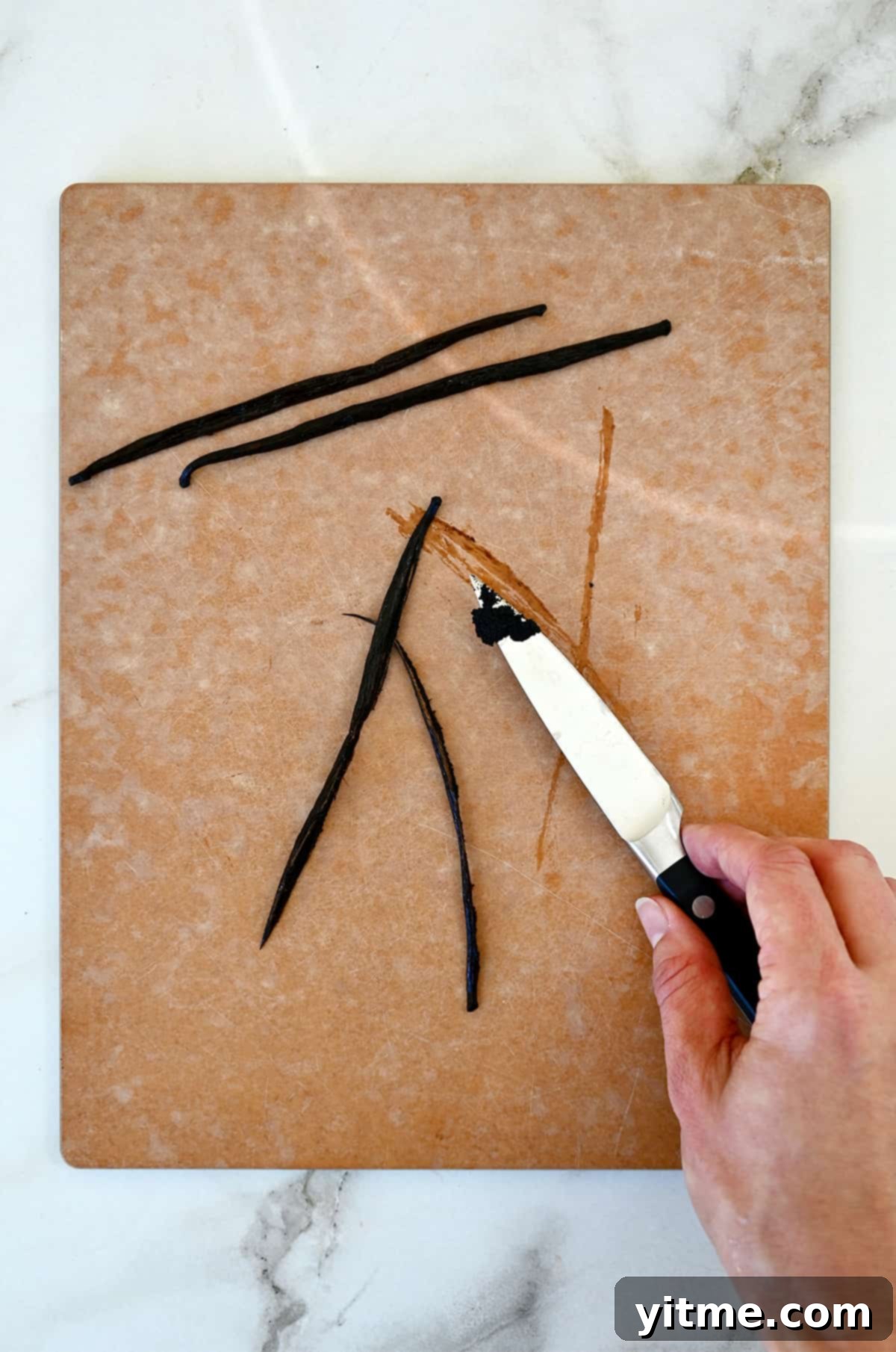
- Prepare the Vanilla Beans: Lay each vanilla bean flat on a clean cutting board. Using your sharp knife, carefully slice each bean lengthwise from end to end, but don’t cut completely through; you want to create a hinge, exposing the tiny, flavorful seeds within the pod. Next, use the back of your knife or a small spoon to gently scrape out the sticky vanilla bean paste and all the seeds from both halves of the pod. This step maximizes the surface area for flavor extraction, ensuring you get the most out of your beans.
- Combine and Seal: Place both the scraped vanilla bean seeds and the empty vanilla bean pods into the alcohol in your prepared jar. The pods still contain a significant amount of flavor and will contribute greatly to the richness and depth of your extract. Secure the lid tightly on the container to create an impenetrable, airtight seal. Give the jar a good shake for a few seconds to ensure the beans are fully submerged and coated in the alcohol, initiating the infusion process.
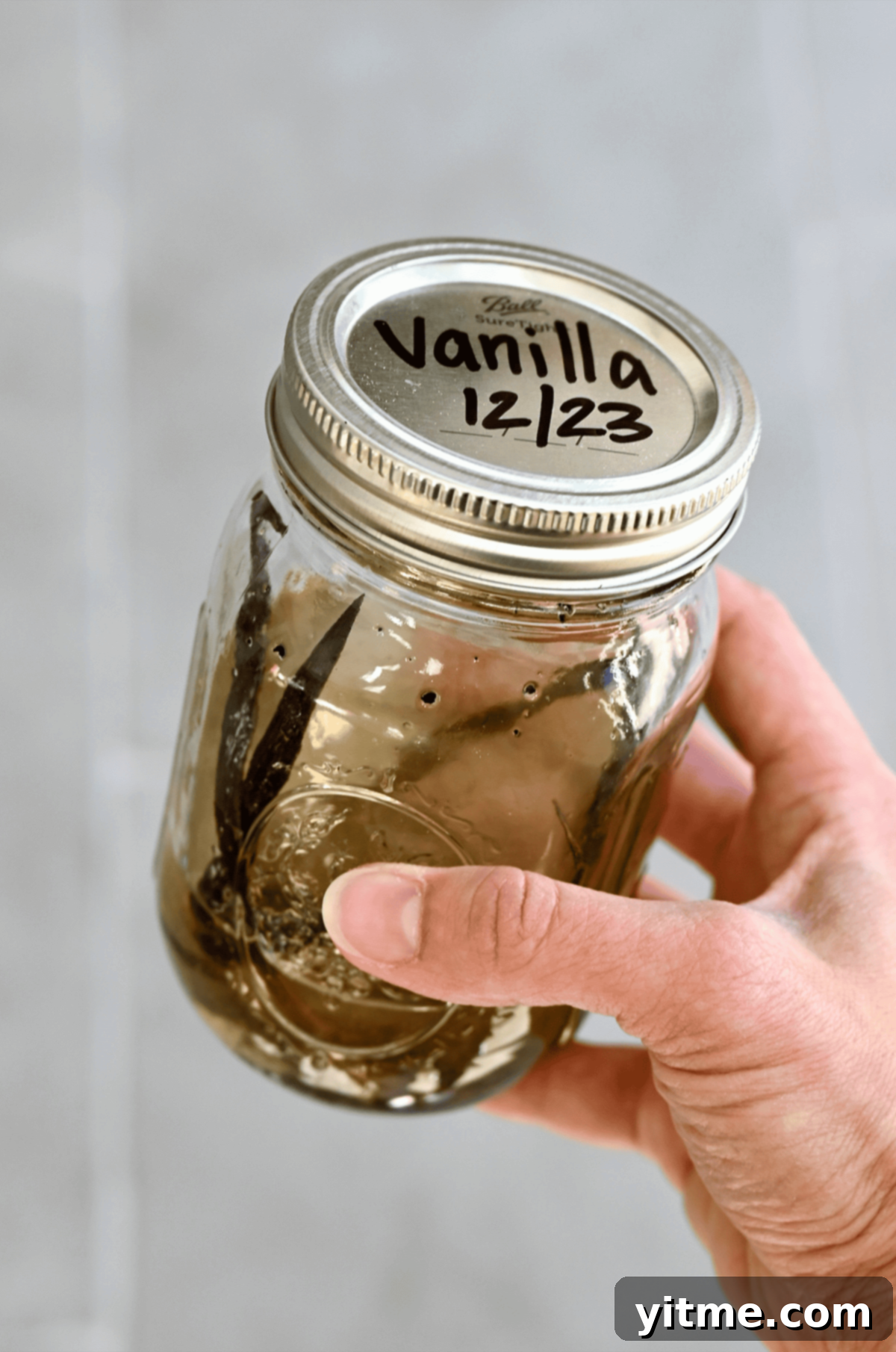
- Infuse and Wait: Store your sealed jar of vanilla extract in a cool, dark place, away from direct sunlight and extreme temperature fluctuations. A pantry or cupboard is an ideal location. This is where patience is truly a virtue! Allow the mixture to infuse for a minimum of 8 weeks before its first use. For the most intense, complex, and deeply flavored extract, many enthusiasts and experts recommend waiting 6 months or even a full year. You’ll notice the alcohol gradually darkening and developing the characteristic rich amber hue of vanilla extract as the flavors deepen over time. The longer it infuses, the more potent and delicious your extract will become.
Important Note: The tiny vanilla bean seeds contribute significantly to the extract’s flavor and visual appeal. They are incredibly small and do not need to be strained out before using your extract. In fact, leaving them in can even enhance the flavor over time and adds an authentic, gourmet touch to your finished baked goods, showing off its homemade quality.
Expert Tips for the Best Homemade Vanilla Extract
Achieving a truly exceptional homemade vanilla extract is easy when you keep a few key tips in mind. These insights will help you maximize flavor and ensure a long-lasting, high-quality product:
- Select an Alcohol You Enjoy: The alcohol serves as the base, so its inherent quality and flavor will subtly influence the final extract. While vodka is ideal for a pure vanilla flavor that lets the bean’s nuances shine, consider using a good quality bourbon or brandy if you desire a warm, oaky, or fruity undertone in your extract. Choose a spirit that you wouldn’t mind sipping on its own, as this ensures a pleasant foundational taste.
- Ensure an Absolute Airtight Seal: This cannot be stressed enough! Evaporation of alcohol will not only diminish the potency of your extract but can also lead to a less stable product over time. Always use jars or bottles with high-quality, airtight seals to lock in all that precious flavor and alcohol, preserving the integrity of your extract.
- Embrace Patience: Vanilla extract is a labor of love that generously rewards patience. While you can technically use it after 8 weeks, the flavor truly deepens, matures, and becomes more complex over a longer period. Aim for at least 6 months, or even a year, for the most robust, well-rounded, and complex vanilla notes. The longer it infuses, the more concentrated and flavorful your extract will become.
- Shake it Up Regularly: During the lengthy infusion period, make it a habit to give your jar a gentle shake every week or two. This simple action helps to redistribute the vanilla beans and ensures that all surfaces are consistently exposed to the alcohol, promoting an even and thorough extraction of flavor compounds throughout the liquid.
- Label Like a Professional: Implement a clear and comprehensive labeling system for your jars. Include essential details like the date the extract was started, the specific type of vanilla beans used (e.g., Madagascar, Tahitian, Mexican), and the type of alcohol. This is invaluable for tracking the aging process, comparing different batches, and especially useful if you plan to make various kinds of extracts or give them as thoughtful, personalized gifts.
- Replenish and “Top Off”: One of the amazing benefits of homemade vanilla extract is its sustainability. As you use your vanilla extract over time, you can often “top off” the jar with more alcohol. If your vanilla beans are still visibly plump, pliable, and fragrant, you can continue to add more alcohol and let it infuse, essentially creating an endless supply of vanilla extract. Just remember that each “top off” will require a new, shorter infusion period to reach optimal flavor again.
- Use in All Your Favorite Recipes: Once ready, your homemade vanilla extract is a game-changer for your kitchen! Its unparalleled depth of flavor will elevate everything from classic Nutella-stuffed chocolate chip cookies to rich chocolate sugar cookies and decadent red velvet brookies. Don’t be shy; confidently replace any store-bought extract with your superior homemade version in any recipe that calls for it.
Storage and Shelf Life of Homemade Vanilla Extract
Proper storage is key to ensuring your homemade vanilla extract maintains its potent flavor, deep aroma, and lasts for years to come. The good news is, it’s incredibly low-maintenance and forgiving:
Always store your vanilla extract in a cool, dark place. A pantry, cupboard, or any location away from direct sunlight, heat sources (like ovens or stovetops), and significant temperature fluctuations is ideal. Exposure to light, especially sunlight, can degrade the delicate vanilla compounds, diminish the extract’s flavor, and lighten its characteristic rich amber color over time. There’s no need for refrigeration; in fact, the high alcohol content acts as a natural and highly effective preservative, preventing spoilage.
If sealed in an airtight container, homemade vanilla extract has an almost indefinite shelf life, lasting for many years, even decades! The flavors will actually continue to deepen, mellow, and become more complex over time, much like a fine wine or aged spirit. This remarkable longevity is one of the many compelling benefits of making your own; you’ll have a superior product that only gets better with age, ready whenever culinary inspiration strikes.
While refrigeration is not typically necessary for vanilla extract due to its inherent alcohol content, it remains an option, particularly if you reside in a consistently warm or humid climate or wish to slow down any minute degradation process even further. However, be aware that cold temperatures may cause the extract to appear cloudy or hazy, as some of the vanilla compounds may solidify. This is a purely cosmetic change, completely harmless, and does not affect the quality, flavor, or safety of the extract. Should this happen, simply allow the bottle to return to room temperature, and it will usually clear up naturally.
Before each use, it’s a good practice to give the bottle a gentle shake. This helps to redistribute any minuscule vanilla bean sediments that might have settled at the bottom and ensures a consistent, well-balanced flavor throughout your recipes, guaranteeing optimal taste every time.
Delicious Recipes to Use Your Homemade Vanilla Extract
Once your homemade vanilla extract has matured to perfection and developed its rich, nuanced flavor, you’ll be eager to incorporate it into all your favorite dishes. This versatile pantry staple is a true game-changer, enhancing everything from simple breakfasts to elaborate desserts. The possibilities are genuinely endless when you swap out store-bought vanilla for your superior homemade version!
- Cookies: Elevate any cookie recipe with your potent homemade extract. The pure vanilla flavor will shine through, making them extra special. From chewy monster cookies to perfectly baked high altitude chocolate chip cookies, a generous dash of your DIY vanilla will make them utterly irresistible and memorable.
- Cakes and Cupcakes: Vanilla is a cornerstone in countless cake and cupcake recipes, providing a foundational sweetness and aroma. It’s particularly divine in this tender banana cake recipe with cream cheese frosting, adding an extra layer of warmth, depth, and sophistication that complements the fruit perfectly.
- Banana Bread: A classic comfort food, banana bread benefits immensely from a high-quality vanilla extract. It brings out the natural sweetness of the ripe bananas and adds a profound depth and aromatic complexity to the entire loaf, making each slice more flavorful.
- Fluffy Greek Yogurt Pancakes and Sheet Pan Pancakes: Start your day with a burst of flavor! A generous splash of homemade vanilla extract transforms ordinary pancakes into an extraordinary breakfast treat, adding a fragrant sweetness that elevates your morning meal.
- Custards and Puddings: The smooth, creamy texture of custards, crème brûlée, and puddings provides a perfect canvas for vanilla’s nuanced flavor. Homemade extract makes these desserts truly shine, imparting a richness and authenticity that artificial flavors simply cannot match.
- Whipped Cream and Frostings: A touch of quality vanilla extract is absolutely essential for perfectly flavored whipped cream and buttercreams. It adds a luxurious finish, balances the sweetness, and enhances the overall taste profile of any dessert it garnishes.
- Coffee and Hot Chocolate: Beyond baking, a few drops of homemade vanilla extract can transform your morning coffee or evening hot chocolate into a gourmet beverage, adding a subtle yet rich vanilla note.
Frequently Asked Questions About Homemade Vanilla Extract
High-quality vanilla beans are increasingly accessible to home cooks. You can often find them in the specialty spice aisle of major grocery stores, particularly those catering to gourmet cooking or organic products. For a wider selection, competitive pricing, and bulk options (which are ideal for extract making), consider reputable online retailers such as Amazon or dedicated vanilla bean suppliers who specialize in sourcing and selling beans directly. When making your purchase, always look for beans that are dark brown, pliable, and slightly oily to the touch, not dry or brittle. A strong, sweet, and unmistakable vanilla aroma is the best indicator of freshness and excellent flavor potential.
No, homemade vanilla extract does not require refrigeration. Thanks to its high alcohol content (usually 35-40%), vanilla extract is a self-preserving, shelf-stable product. It should be stored in a cool, dark place, such as a pantry or cupboard, away from direct light and heat sources. When stored correctly in an airtight container, your homemade extract will maintain its quality and continue to deepen in flavor for many years, making refrigeration entirely unnecessary. In fact, some believe that continuous cold storage can slow down the flavor development process.
Absolutely! Don’t discard those “spent” vanilla beans; they still hold a good amount of flavor and can be repurposed beautifully, giving them a second life in your kitchen. One popular and delightful way to reuse them is to make vanilla sugar. Simply rinse the used vanilla pods and pat them thoroughly dry. Once completely dry, place them into an airtight container filled with granulated sugar. Allow this mixture to sit for at least a week (or even longer for more intense flavor), giving it a shake occasionally to distribute the rich vanilla aroma throughout the sugar. You can choose to remove the beans after a few weeks or leave them in for continuous flavor infusion. And voilà! You’ll have homemade vanilla sugar, perfect for sweetening coffee, tea, baked goods, or sprinkling over fruit, adding another layer of vanilla goodness to your culinary creations.
Craving more delightful recipes and culinary inspiration? Subscribe to Just a Taste today to receive new recipes, expertly crafted meal plans, and a fantastic newsletter delivered straight to your inbox! And for all the latest updates, behind-the-scenes glimpses, and vibrant food content, make sure to stay connected with us on Facebook, TikTok, Pinterest, and Instagram!
Homemade Vanilla Extract
Ingredients
- 1 cup vodka, bourbon or brandy (70-80 proof)
- 3 Grade B vanilla beans (preferably Bourbon/Madagascar)
Instructions
- Carefully pour your chosen 70-80 proof alcohol (vodka, bourbon, or brandy) into a clean, sealable glass container, such as a Mason jar, ensuring it has a tight-fitting lid. This will be the base for your extract.
- Using a sharp knife, carefully slice each vanilla bean lengthwise down the center, creating a split that exposes the inner seeds but keeps the pod mostly intact. Then, use the back of your knife or a small spoon to gently scrape out all the tiny vanilla bean seeds from both halves of the pod. Add these precious seeds, along with the scraped pods, directly into the alcohol in your container. Seal the container tightly with its lid. Give the jar a good shake for several seconds to ensure the beans and seeds are well distributed and submerged.
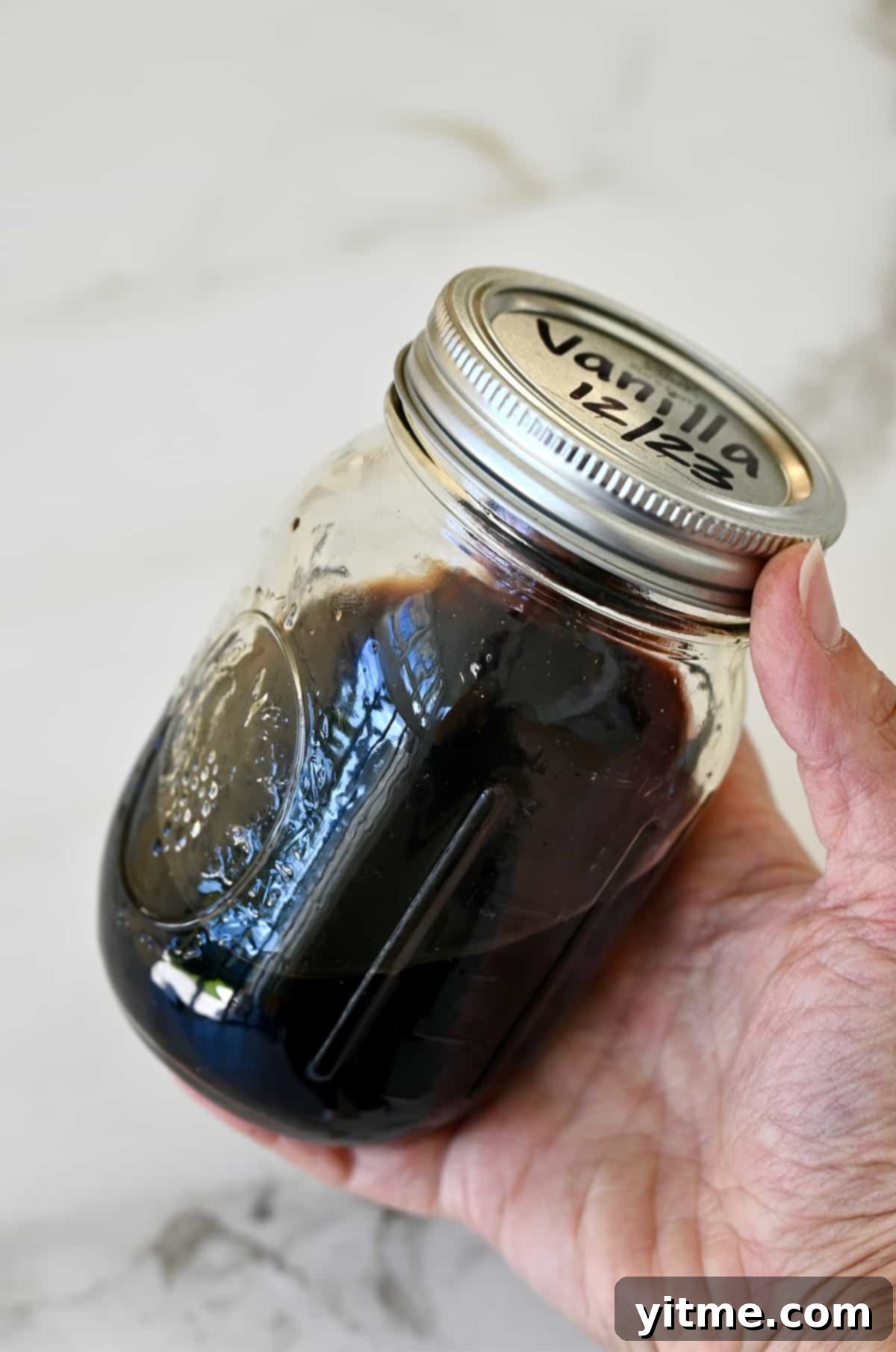
- Store the sealed jar in a cool, dark place at room temperature. Allow it to infuse for a minimum of 8 weeks before using. For a truly rich and deep flavor, aim for an infusion period of 6 months or even longer. Shake the jar occasionally (every week or two) to aid in the flavor extraction. When properly sealed, your homemade vanilla extract will last for years, continuously developing flavor.
Additional Notes
- The choice of alcohol significantly impacts the final flavor profile of your extract. Select a neutral vodka for a pure vanilla flavor, or opt for a good quality bourbon or brandy for added complexity and warmth that complements certain desserts.
- For classic, all-purpose baking, Bourbon (Madagascar) vanilla beans are often preferred for their balanced and rich flavor, making them an excellent starting point for your extract.
- Regularly shake the jar during the infusion process (every week or two) to ensure optimal flavor extraction and even infusion of the vanilla beans throughout the alcohol.
- Always label your jars with the start date and the specific ingredients used (type of vanilla bean, type of alcohol). This helps track the aging process and is crucial for creating different flavor profiles or for thoughtful gifting.
- Patience yields the best results. While homemade vanilla extract can be technically used after 8 weeks, the flavor becomes significantly richer, deeper, and more complex after 6 months to a year of infusion.
- The tiny vanilla bean seeds are packed with intense flavor and do not need to be strained out. They will naturally dissolve or remain as pleasant, authentic flecks in your recipes, indicating its homemade quality.
- ★ Did you make this recipe? Don’t forget to give it a star rating below and share your experience in the comments! Your feedback helps others!
Nutrition
Did you try this recipe?
Leave a comment below with your star rating!