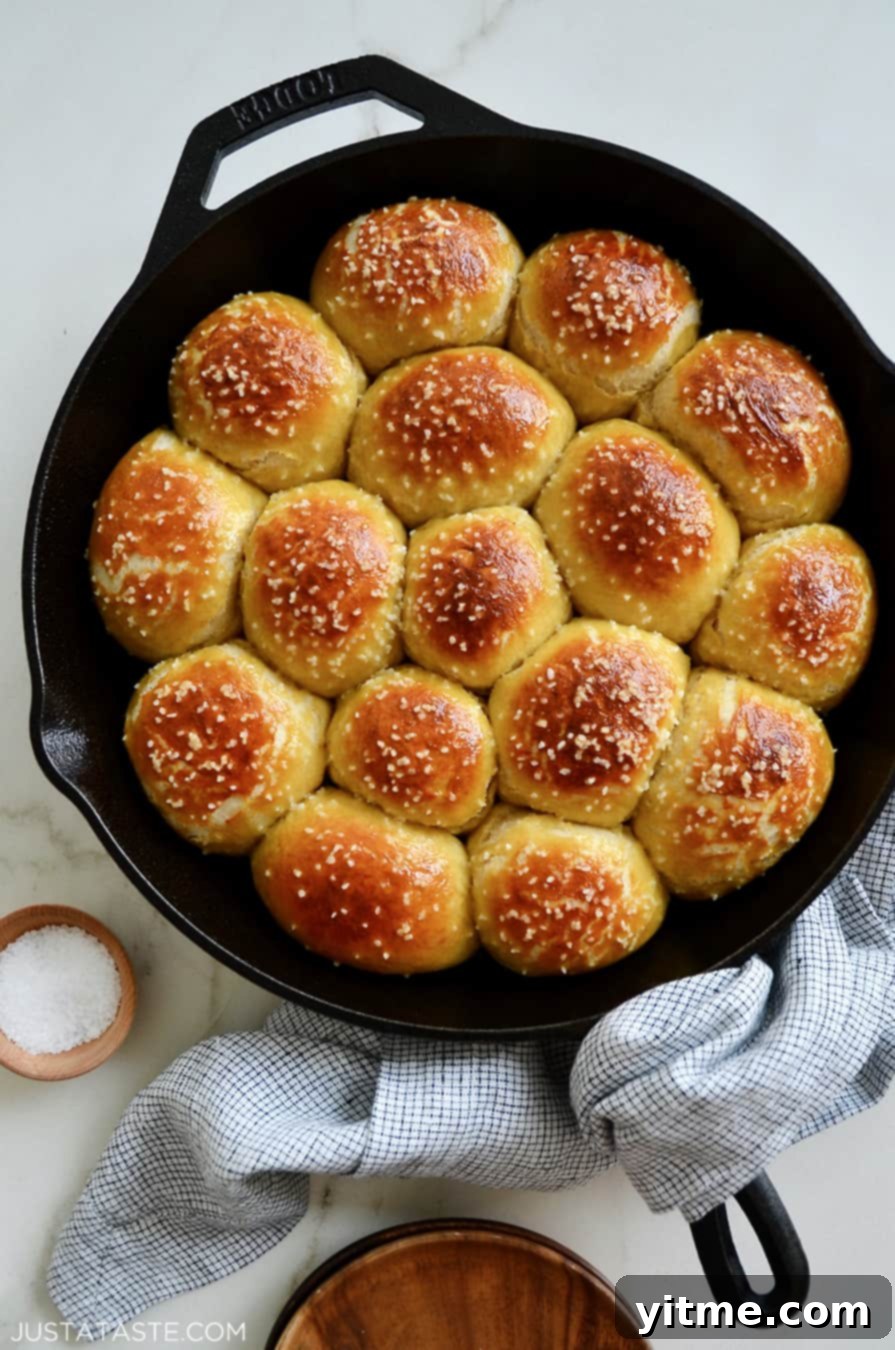
Easy Pull-Apart Pretzel Rolls: Your Ultimate Guide to Perfectly Golden, Chewy Homemade Goodness
Craving that distinctive pretzel flavor and chewy texture but in a convenient, pull-apart form? Look no further! Everyone’s favorite twisted carb gets a delightful makeover with this tried-and-tested recipe for Easy Pull-Apart Pretzel Rolls. These golden-brown, soft, and perfectly salted buns are an absolute game-changer, whether served as a hearty side dish or as the ideal slider-sized vessels for your favorite fillings.
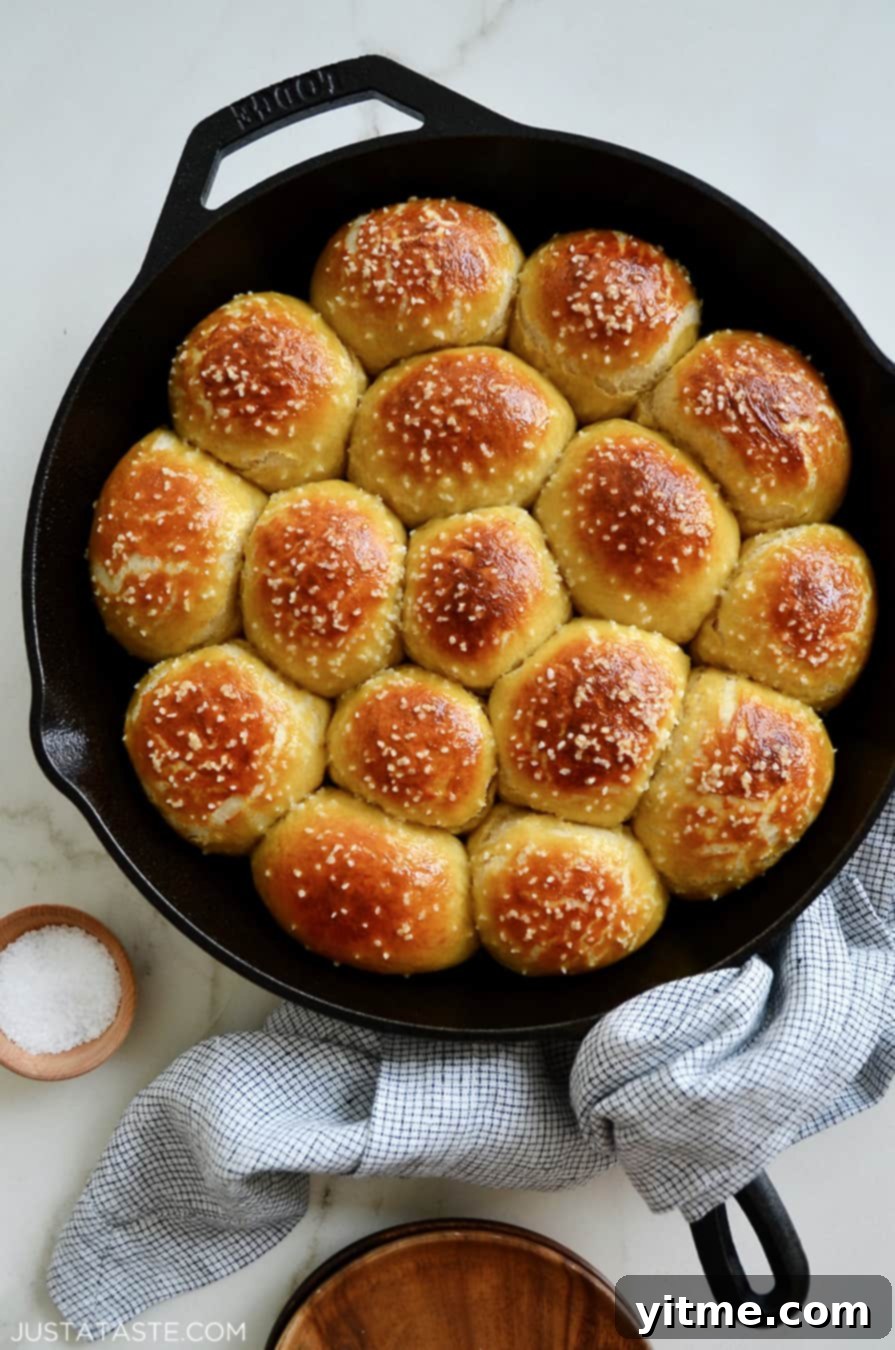
In our family, I’ve earned a reputation as the resident master baker of soft pretzels. When a batch is in the works, family members arrive in droves, eager to get their hands on the irresistible, golden-brown, chewy, and salted carbs that I craft in every imaginable shape and size. From delightful pretzel bites perfect for snacking, to hearty pretzel bagels that elevate any breakfast, and classic pretzel twists that are always a crowd-pleaser. Now, I’m thrilled to introduce these incredible pull-apart pretzel rolls to the lineup and share all my insider tips and tricks to ensure your baking success. Prepare to impress everyone with these unbelievably easy and utterly delicious homemade pretzel rolls!
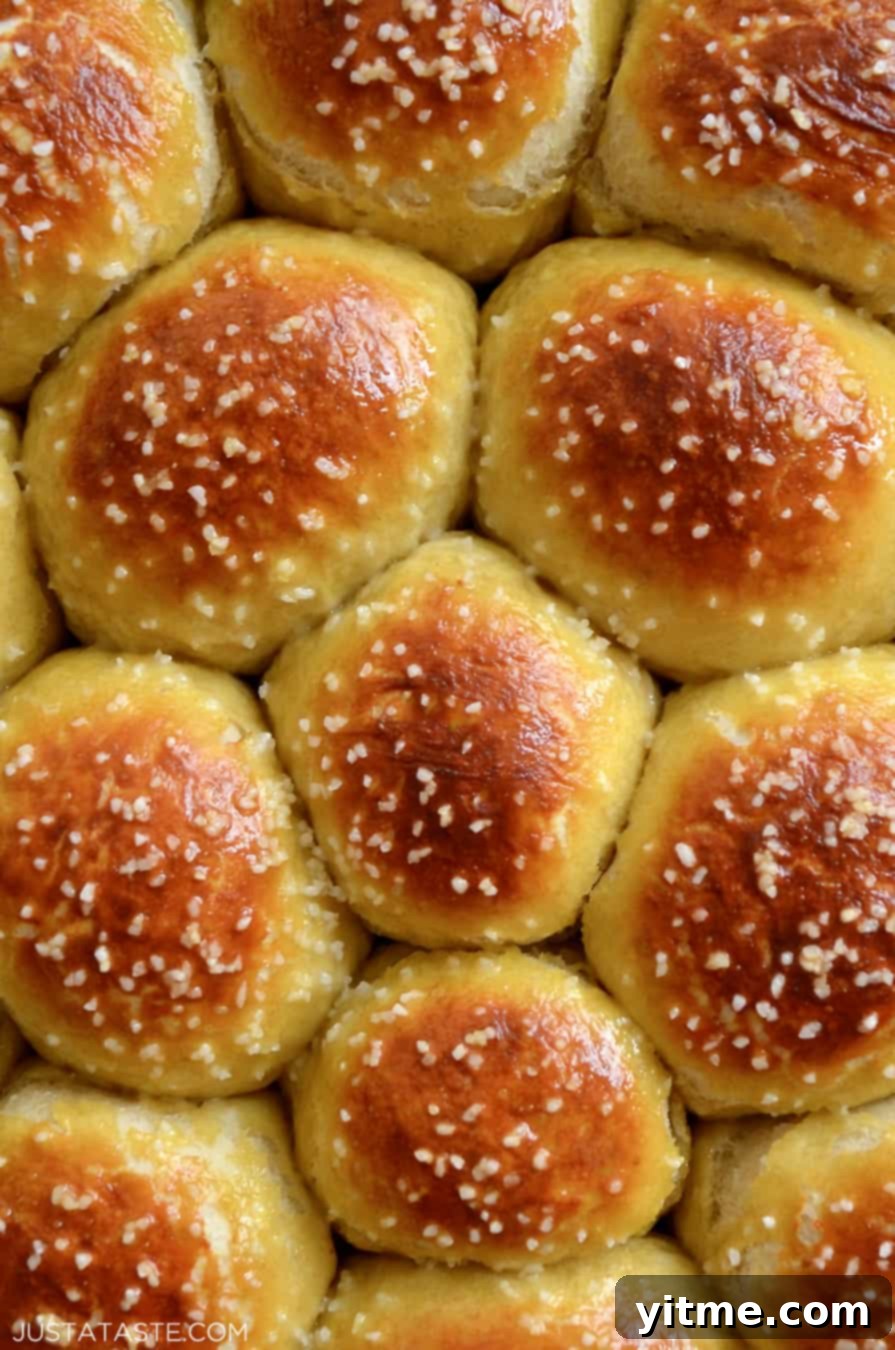
What Makes These Easy Soft Pretzel Rolls So Extraordinary?
Transforming ordinary dough into extraordinary, restaurant-quality pretzel rolls comes down to mastering a few key techniques. These pro tips are simple to follow and guarantee that signature golden crust and delightful chewiness you crave in a truly authentic soft pretzel:
- Precision Water Temperature: The foundation of any great yeasted dough starts with the right water temperature. Aim for a range of 110-115°F. This is the optimal “sweet spot” for activating active dry yeast. Water that is too hot will kill the yeast, preventing your dough from rising altogether, leaving you with dense, flat rolls. Conversely, water that is too cool won’t effectively activate the yeast, leading to slow or non-existent proofing. Using a kitchen thermometer is highly recommended to ensure accuracy and consistent results every time, allowing the yeast to begin its crucial “happy dance” of bubbling and growing.
- The Art of Proofing: Creating Light and Airy Rolls: “Proofing” is the magical stage where your dough rises, becoming light and airy thanks to the yeast’s fermentation process. For truly exceptional pretzel rolls, the dough needs to rest and proof in an environment that is consistently warm, dark, and humid. This ideal setting encourages the yeast to work its magic efficiently and effectively, producing the carbon dioxide gas that gives bread its beautiful rise and tender crumb. A proper proof ensures your rolls are not only delicious but also wonderfully fluffy on the inside.
- The Essential Baking Soda Bath: Achieving the Signature Pretzel Crust: This is arguably the most crucial step for achieving the iconic soft pretzel characteristics. To develop that distinct, dark golden-brown crust and characteristic chewy exterior, the dough balls must be briefly boiled in a baking soda bath. This alkaline solution initiates a chemical reaction on the surface of the dough, which significantly enhances the Maillard reaction during baking. It’s vital that the baking soda bath is at a rolling boil when you immerse the dough to ensure even cooking and optimal crust formation. This brief dip also contributes to the unique tanginess that is synonymous with authentic pretzels.
Help! I’m Scared to Work with Yeast
You’re not alone! Many home bakers find working with yeast intimidating, but I’m here to tell you there’s absolutely no need to fear. I once shared that apprehension, but once you grasp yeast’s fundamental needs and equip yourself with a foolproof recipe like this one, yeasted doughs become an absolute breeze. Think of yeast as a tiny, living organism that simply needs the right conditions to thrive. Provide those conditions, and it will do all the hard work for you.
For yeast to function optimally during the proofing stage, a yeasted dough must rise (or proof) in a specific type of environment. Meeting these conditions ensures your yeast is active, happy, and producing the carbon dioxide gas that makes your dough expand and become wonderfully light:
- Warm: Yeast loves warmth! A consistently warm environment helps the yeast ferment sugars at an ideal rate, speeding up the rising process and ensuring a robust, airy dough. Too cold, and the yeast will be sluggish; too hot, and it could be damaged.
- Humid: Humidity is crucial for preventing the surface of your dough from drying out and forming a crust. A dry crust can restrict the dough from rising fully, leading to a denser final product. A humid environment keeps the dough supple and allows for maximum expansion.
- Dark: While not a direct requirement for yeast activity itself, a dark environment typically implies an undisturbed setting where temperature and humidity can remain stable. It also prevents any potential UV light exposure, which can sometimes be detrimental to yeast. More importantly, it ensures the dough is left alone to do its job without temperature fluctuations or interruptions.
Where Should You Proof Dough for Best Results?
This might sound unconventional, but one of the most ideal spots for your dough to proof is right in your clothes dryer! It’s a surprisingly perfect environment, checking off all the essential boxes: it’s warm, humid, and dark. Here’s how to harness this secret weapon for perfectly risen dough:
Simply run your empty dryer for about 5 minutes. This creates a gentle warmth inside the machine. Once the 5 minutes are up, turn the dryer OFF. Place your bowl of dough (ensuring it’s covered tightly with plastic wrap or a clean kitchen towel to maintain humidity) inside the warm dryer and close the door. The residual warmth, combined with the enclosed space, creates a stable, humid, and dark environment where your yeast will thrive. You’ll be amazed at how quickly and effectively the yeast activates, bringing you mere minutes closer to enjoying your delicious, homemade carbs!
If the dryer method isn’t for you, there are other excellent alternatives:
- Oven with the Light On: Turn on your oven light, but do not turn on the heat. The small amount of heat generated by the light bulb is often enough to create a warm, cozy environment. Place your covered dough inside.
- Microwave with Hot Water: Heat a cup of water in your microwave until steaming, then remove the water (or leave it in the corner). Place your covered dough inside the microwave’s warm, humid environment.
- Sunny Spot: On a sunny day, a warm spot near a window can work, but be mindful of direct sunlight overheating the dough. Cover it with a light towel.
- Warm Room: Any consistently warm room in your house, away from drafts, can also be suitable.
Regardless of the method you choose, always remember to cover your dough to prevent it from drying out, which is vital for an even and successful rise.
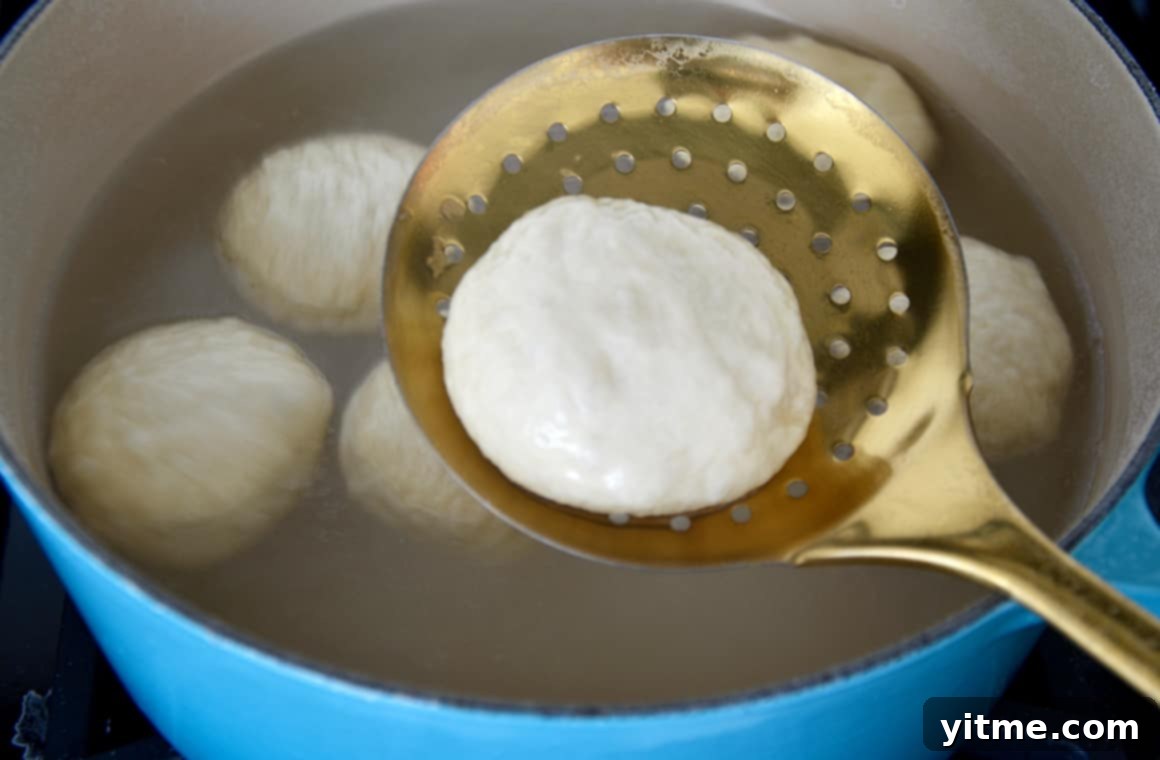
Why Do You Boil Pretzels Before Baking Them? The Science Behind the Crust
This is a fantastic question, and the answer lies not just in the act of boiling, but precisely in *what* you’re boiling them in: an alkaline solution of water and baking soda. This step is absolutely fundamental to achieving the unique characteristics of a soft pretzel.
Historically, soft pretzels were boiled in a lye solution, which is a highly alkaline substance. Lye, while providing an unparalleled dark crust and intense pretzel flavor, is corrosive and not safe for most home kitchens. Baking soda, however, is a common and safe substitute that provides remarkably similar, excellent results.
Here’s why the baking soda bath is essential:
- Accelerates Browning (Maillard Reaction): The alkalinity of the baking soda solution raises the pH of the dough’s surface. This increased alkalinity significantly accelerates the Maillard reaction—the chemical process responsible for the browning and complex flavor development—during baking. This is what gives pretzels their distinct, deep golden-brown color and rich, savory flavor that’s different from standard bread.
- Creates the Signature Chewiness: The brief dip in the boiling water causes the starches on the surface of the dough to gelatinize. This gelatinization is what gives soft pretzels their characteristic chewy exterior while keeping the interior soft and fluffy. Without this step, your “pretzel” would simply be a standard bread roll.
- Adds a Subtle Tang: Beyond color and texture, the baking soda bath also imparts a subtle, slightly tangy flavor that is unmistakably pretzel-like.
This step is an absolutely essential part of making soft pretzels, regardless of their shape or size. It’s the secret sauce (or rather, secret bath!) that transforms a simple dough into the beloved soft pretzel we all adore.
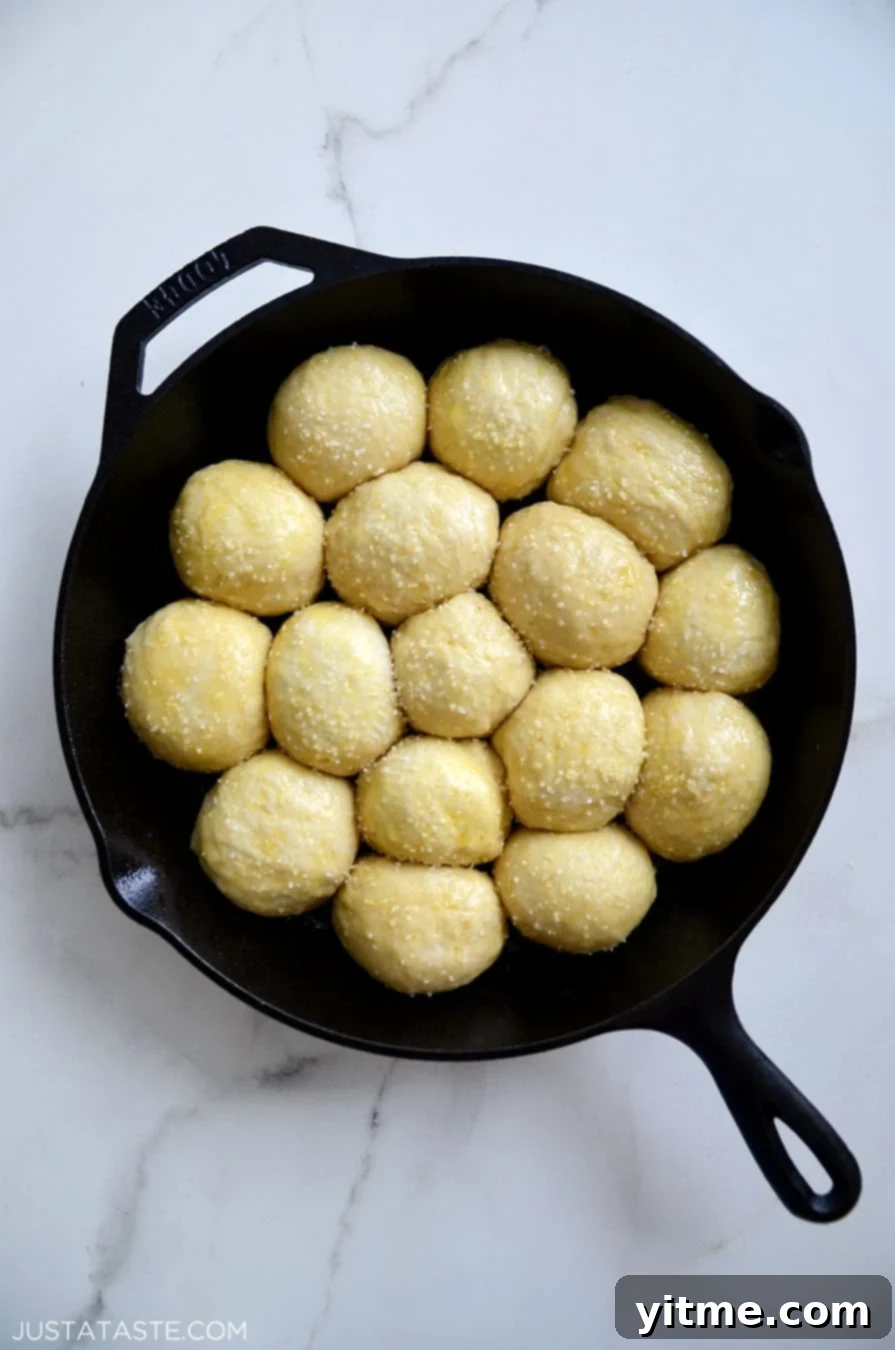
Do You Need a Cast-Iron Skillet to Make Pretzel Rolls?
Absolutely not! While a cast-iron skillet provides an excellent baking environment and a beautiful rustic presentation for your pull-apart pretzel rolls, it is by no means a necessity. This versatile recipe works wonderfully in any baking dish you have on hand, provided you prepare it correctly.
Here’s how you can adapt and still achieve fantastic results:
- Any Oven-Safe Baking Dish: A standard ceramic or glass baking dish (such as a 9×13-inch pan) will work perfectly. The key is to generously grease the dish with unsalted butter before arranging your rolls. This prevents sticking and helps create that lovely, slightly crisp bottom crust.
- Baking Sheet with Parchment Paper: If you prefer to bake your rolls spread out or don’t have a suitable dish, a baking sheet is a great option. Simply line your baking sheet with parchment paper, then lightly grease the parchment paper with vegetable oil or melted butter. You can bake the rolls directly on this prepared surface. While they won’t “pull apart” from each other in the same way as rolls baked snugly in a pan, they will still be delicious and retain all the wonderful pretzel characteristics.
The main goal for “pull-apart” rolls is to have them baked close together, allowing their sides to touch and fuse slightly as they expand, creating that delightful tearing experience. So, any pan that allows for a snug arrangement will yield beautiful pull-apart results.
Can You Make Pretzel Rolls from Pizza Dough?
Absolutely! If you’re pressed for time or simply looking for a fantastic store-bought shortcut that can significantly cut down on your prep, using pre-made pizza dough is a brilliant idea. It’s an excellent way to enjoy the flavors and textures of a soft pretzel with minimal effort.
While homemade dough often offers a superior depth of flavor and texture, store-bought pizza dough can be a surprisingly good base for quick pretzel-inspired treats. It’s especially useful for impromptu snacks or when you need a fast appetizer. The process remains similar: you’ll portion, shape, boil in the baking soda bath, and bake. The result will be a delicious, chewy, and salty bite with that familiar pretzel tang.
If this shortcut appeals to your busy schedule, I highly recommend checking out my specific recipe for Easy Pizza Dough Soft Pretzel Bites. This recipe is tailored to maximize the potential of store-bought dough, delivering satisfying pretzel goodness with half the effort!
Ready to Become the Pretzel Roll Hero in Your Neighborhood?
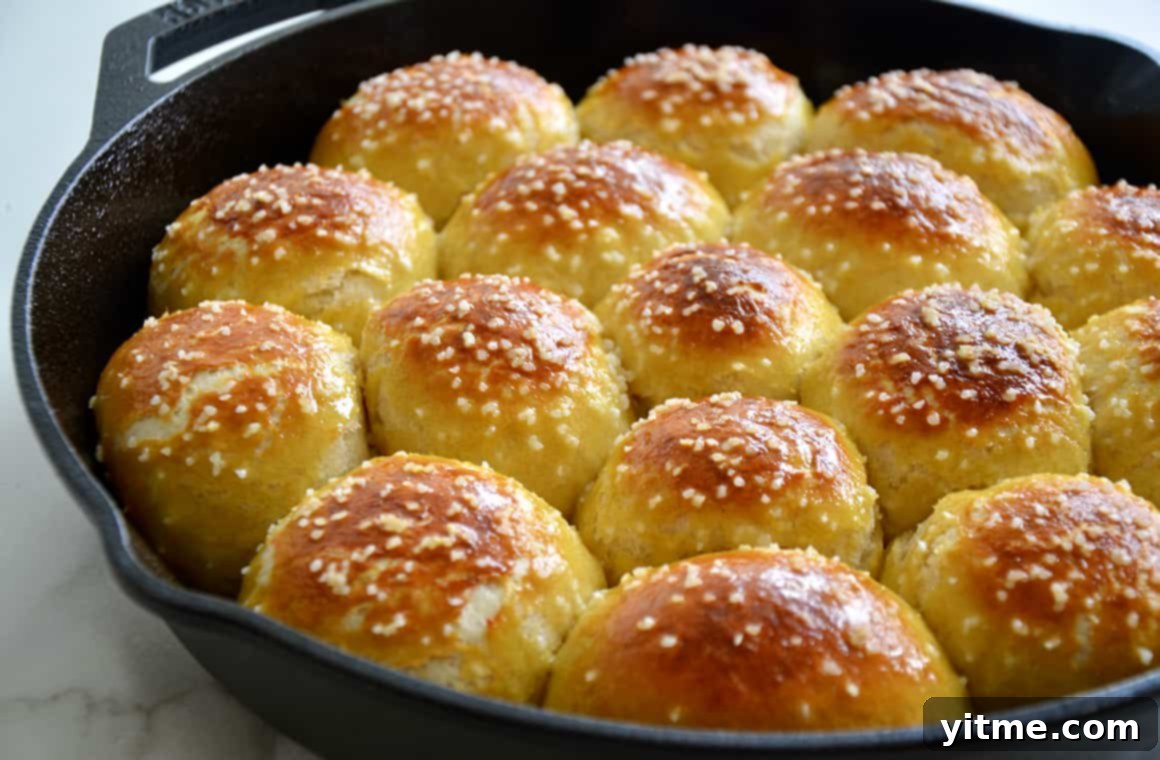
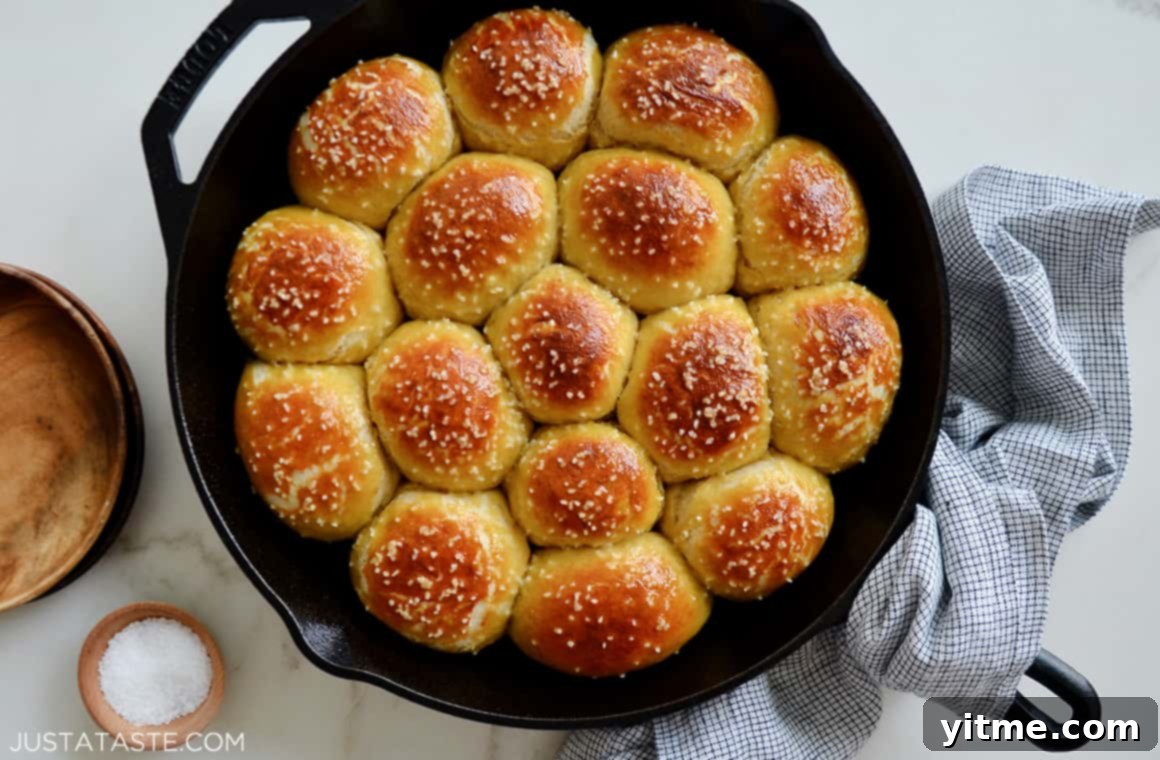
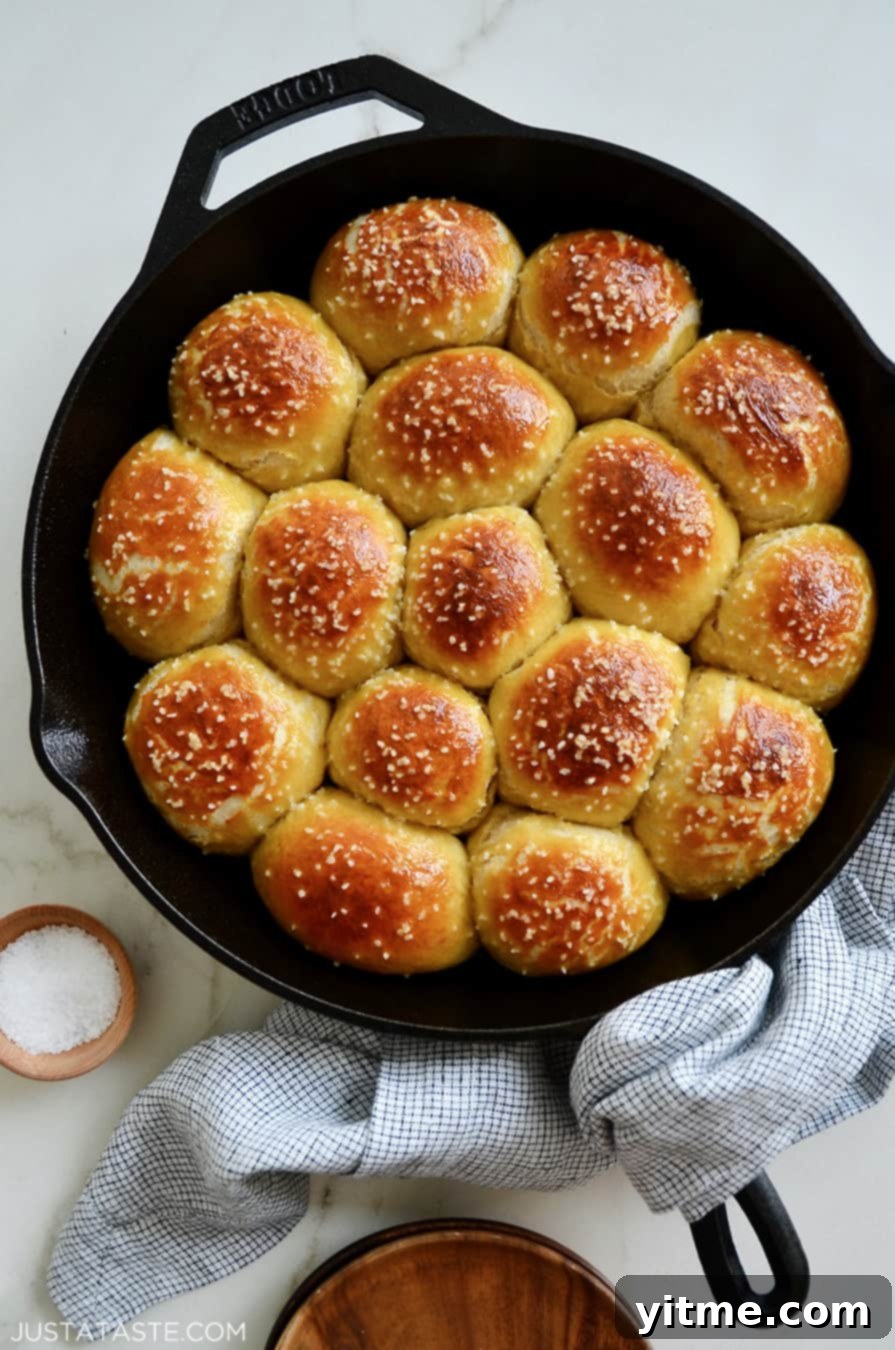
With these straightforward tips and a reliable recipe, you are well on your way to mastering the art of homemade pretzel rolls. Imagine the delight on everyone’s faces when you present a skillet full of these warm, inviting, and utterly delicious treats. They are perfectly soft, wonderfully pillowy, satisfyingly chewy, and boast that enviable golden-brown crust, generously sprinkled with coarse salt.
These versatile rolls make an incredible side dish for any meal, elevating a simple dinner into something special. But their potential doesn’t stop there! Their slider-sized perfection makes them the ideal bun for a myriad of fillings. Think savory pulled pork sliders, miniature juicy cheeseburgers, thinly sliced deli meats with a touch of mustard, or even a simple smear of cream cheese. The possibilities are endless!
So, grab your active dry yeast, choose your preferred baking pan – whether it’s a trusty cast-iron skillet or a convenient baking sheet – and get ready to create some culinary magic. These pull-apart pretzel rolls are more than just bread; they’re an experience, a delightful snack, and a testament to the joy of homemade baking. Get ready for compliments, requests for the recipe, and the satisfaction of knowing you’ve created something truly special!
Craving more amazing recipes? Subscribe to Just a Taste to get new recipes and a newsletter delivered straight to your inbox! And stay in touch on Facebook, Twitter, Pinterest and Instagram for all of the latest updates.
Easy Pull-Apart Pretzel Rolls
Ingredients
- 1 1/2 cups warm water (110-115°F)
- 1 Tablespoon sugar
- 2 teaspoons kosher salt, plus more for topping
- 1 (1/4-oz.) packet active dry yeast
- 4 1/2 cups all-purpose flour
- 4 Tablespoons unsalted butter, melted, plus more for greasing
- 10 cups water
- 2/3 cup baking soda
- 1 large egg yolk, mixed with 1 Tablespoon water
Instructions
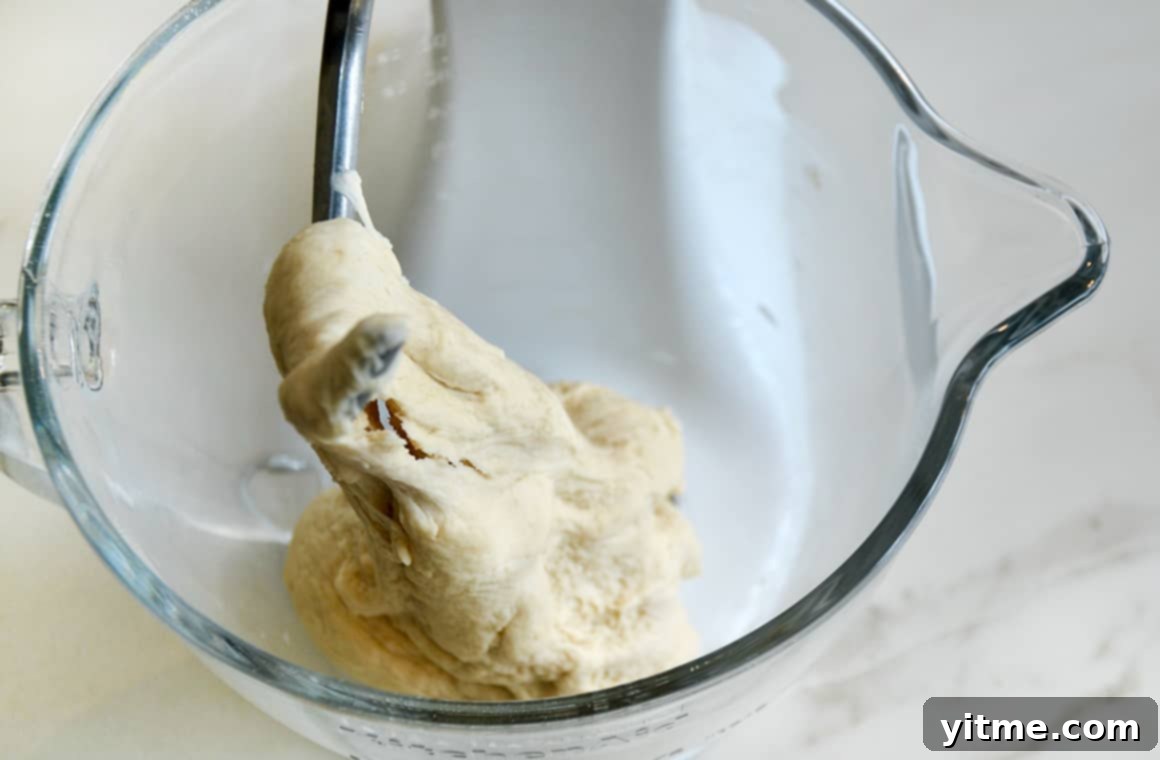
- In the bowl of a stand mixer fitted with the dough hook, combine the water, sugar and salt. Sprinkle the yeast on top and let it sit for 5 minutes, or until it begins to foam.
- Add the flour and melted butter to the bowl and mix on low speed until a dough ball begins to form, then increase the speed to medium and knead the dough until it pulls away from the sides of the bowl, 2 to 3 minutes. Remove the dough from the bowl then grease the bowl with vegetable oil and return the dough to it. Cover it with plastic wrap and set it in a dark, warm place to proof until it doubles in size, about 1 hour.
- Preheat the oven to 450ºF. Grease a 10-inch cast-iron skillet or 13×9-inch baking pan with butter. Line a baking sheet with parchment paper then grease the parchment paper with butter.
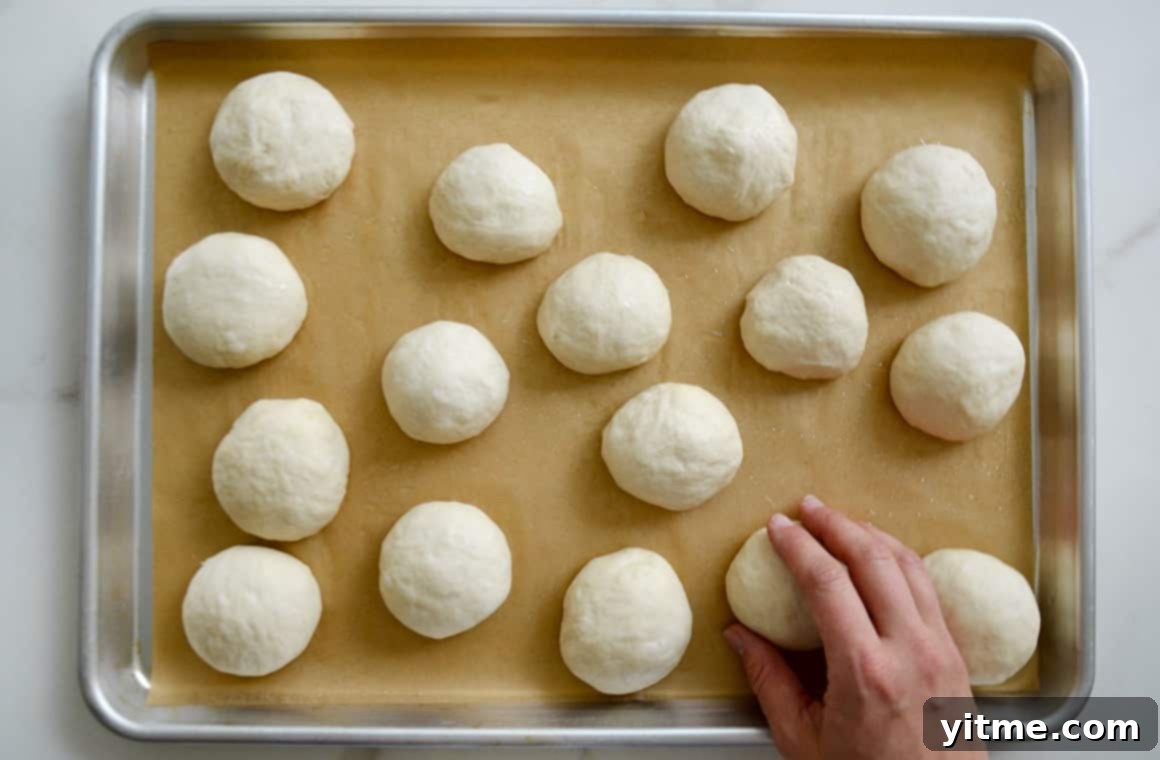
- In a large stockpot, whisk together the water and baking soda. Bring the mixture to a rolling boil. While the mixture is coming to a boil, uncover the dough, transfer it to your work surface and divide it into 16 equal portions. Cupping your hand over each piece of dough, roll it into a ball then set it on the greased baking sheet.
- Working in batches, boil the rolls in the baking soda mixture for 30 seconds, flipping them once. Using a slotted spoon or spider, transfer the rolls back onto the baking sheet.
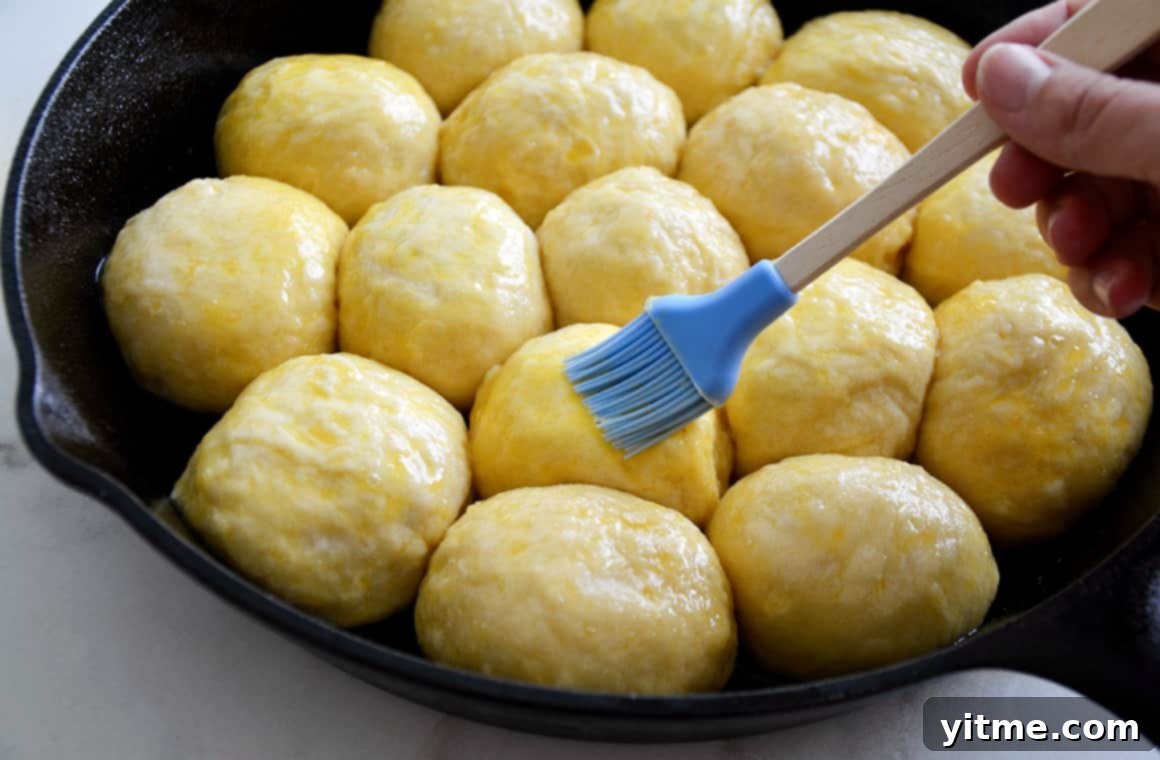
- Arrange the rolls in a single layer in the cast-iron skillet or baking dish. Brush the tops of the rolls with the egg wash, then sprinkle them with salt.
- Bake the rolls until they are dark golden brown on top and cooked through, 15 to 18 minutes. Remove them from the oven and serve.
Nutrition
Did you try this recipe?
Leave a comment below with your star rating!