The Ultimate Guide to Cabbage: From Buying to Delicious Recipes
The often-underestimated cabbage is a culinary chameleon, ready to transform from a crisp salad ingredient to a comforting cooked dish. More than just a St. Patrick’s Day staple or a summertime coleslaw component, cabbage is a versatile vegetable that shines in countless recipes. While it reaches its peak during the cooler months of autumn and winter, fresh cabbage is readily available year-round, making it a convenient and healthy addition to your diet.
In its raw state, cabbage offers a slightly bitter and pungent flavor profile. However, when cooked, it undergoes a magical transformation, becoming milder and even sweeter. This adaptability makes it a star player in a diverse range of cuisines worldwide. From the fermented Korean delight of kimchi to the tangy German sauerkraut, and from the comforting embrace of stuffed cabbage leaves to vibrant and quick stir-fries, the possibilities are truly endless.
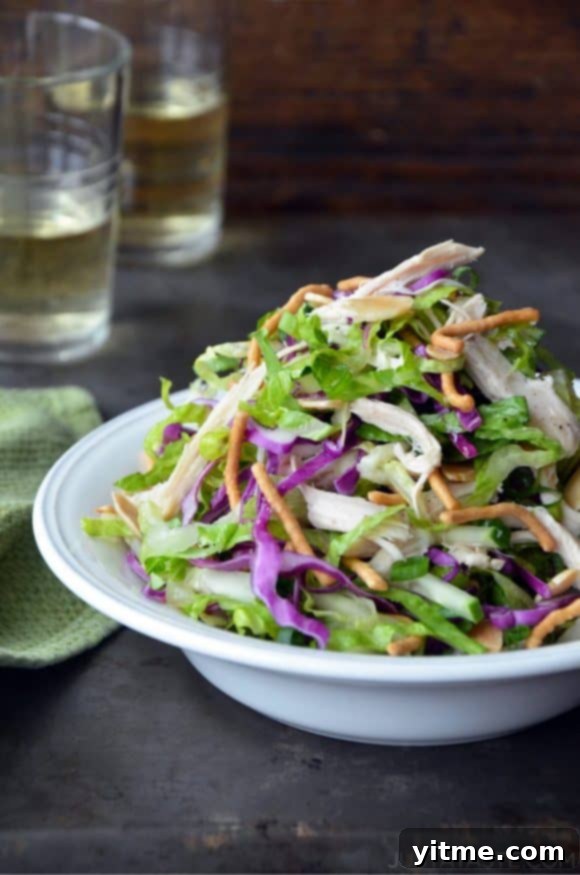
We particularly adore cabbage shredded into our Chinese Chicken Salad with Sesame Dressing, where its crispness adds a delightful contrast to the tender chicken and flavorful dressing. It also provides a satisfying crunch when tucked inside these Crispy Baked Chicken Spring Rolls, adding another layer of texture to this beloved appetizer. And let’s not forget its role as a refreshing slaw topping on Asian Barbecue Pork Burgers, where it balances the richness of the pork with its light and tangy flavor.
But cabbage is more than just a delicious ingredient; it’s also packed with nutrients and offers numerous health benefits. Rich in vitamins C and K, as well as fiber and antioxidants, cabbage contributes to a healthy immune system, strong bones, and improved digestion. Its affordability and long shelf life make it a practical choice for budget-conscious shoppers seeking nutritious meal options.
Ready to unlock the full potential of this remarkable vegetable? Read on for a comprehensive guide to buying, storing, and preparing cabbage, along with a selection of inspiring recipes to elevate your culinary creations. We’ll delve into the different varieties of cabbage, explore their unique characteristics, and share tips and tricks to ensure you get the most out of this versatile ingredient. Whether you’re a seasoned chef or a novice cook, you’ll find valuable information to enhance your cabbage-cooking skills.
Choosing the Perfect Cabbage: A Buyer’s Guide
Selecting the right cabbage is crucial for achieving the best flavor and texture in your dishes. When purchasing cabbage, keep the following points in mind:
- Firmness: Opt for cabbage heads that feel firm and heavy for their size. This indicates that the leaves are tightly packed and the cabbage is fresh. Avoid cabbage heads that feel soft or spongy, as they may be past their prime.
- Leaf Quality: Look for leaves that are tightly packed together, crisp, and vibrantly colored. The color will vary depending on the type of cabbage, but the leaves should appear healthy and free from blemishes.
- Stem Check: Carefully inspect the stem at the base of the cabbage head. It should be intact and free from cracks or discoloration. Cracking around the base of the stem can indicate that the cabbage is losing moisture and freshness.
- Variety Consideration: Different types of cabbage have distinct characteristics. Green cabbage is the most common and versatile, while red cabbage offers a slightly peppery flavor and vibrant color. Savoy cabbage has crinkled leaves and a milder taste, and Napa cabbage is known for its delicate flavor and tender texture. Choose the variety that best suits your recipe and taste preferences.
By following these guidelines, you can confidently select fresh, high-quality cabbage that will elevate your culinary creations.
Mastering Cabbage Storage: Keeping It Fresh Longer
Proper storage is essential for preserving the freshness and flavor of cabbage. Follow these tips to extend its shelf life:
- Whole Cabbage: Store whole heads of green and red cabbage in a perforated plastic bag in your refrigerator’s crisper drawer. This helps maintain humidity while allowing for air circulation. Properly stored, whole cabbage heads can last for up to two weeks. For Savoy and Napa cabbage, aim to use them within a week for optimal freshness.
- Cut Cabbage: Once you’ve cut into a cabbage head, wrap the partially used portion tightly in plastic wrap to prevent it from drying out. Return it to the crisper drawer and use it within a couple of days. Cut cabbage tends to lose moisture and flavor more quickly than whole heads.
- Avoid Washing Before Storage: It’s best to avoid washing cabbage before storing it, as excess moisture can promote spoilage. Wash the cabbage just before you’re ready to use it.
With proper storage, you can keep your cabbage fresh and ready to use whenever inspiration strikes.
Preparing Cabbage Like a Pro: Simple Steps for Success
Preparing cabbage is a straightforward process, but following these steps will ensure optimal results:
- Initial Cleaning: Begin by removing and discarding any wilted or damaged outer leaves. Rinse the cabbage head under cold running water to remove any dirt or debris.
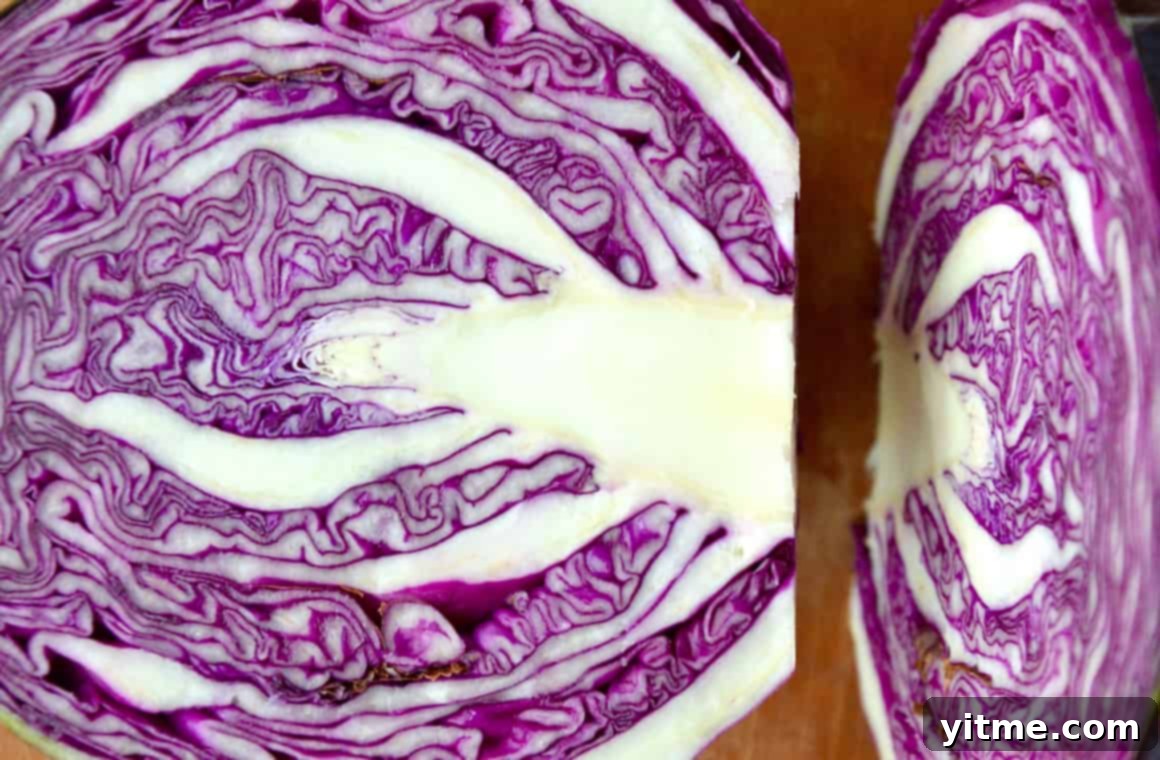
- Cutting and Coring: Place the cabbage head on a cutting board and carefully cut it in half or into quarters, depending on your recipe. Using a sharp knife, slice off the core from each segment. The core is the tough, fibrous center of the cabbage.
- Shredding or Slicing: For salads, slaws, or stir-fries, shred or slice the cabbage into thin strips using a knife, mandoline, or food processor. The thickness of the shreds or slices will depend on your personal preference and the recipe you’re using.
- Grilling: For grilled cabbage, cut the cabbage into wedges and brush them with oil. Grill the wedges over medium heat until they are crisp-tender and slightly charred, about 5-7 minutes per side.
- Cooking Tips: When cooking cabbage, avoid overcooking it, as this can result in a strong odor and flavor. Cook the cabbage until it is crisp-tender, retaining a slight bite.
By following these simple steps, you can prepare cabbage like a pro and create delicious and healthy meals.
Cabbage Recipe Inspirations: From Simple to Spectacular
Now that you know how to buy, store, and prepare cabbage, it’s time to explore some delicious recipes. Here are a few ideas to get you started:
- Classic Coleslaw: A summertime staple made with shredded cabbage, carrots, and a creamy dressing. Experiment with different variations by adding fruits, nuts, or herbs.
- Kimchi: A fermented Korean side dish made with Napa cabbage, spices, and other vegetables. Kimchi is known for its spicy and tangy flavor and is a rich source of probiotics.
- Sauerkraut: A fermented German dish made with shredded cabbage and salt. Sauerkraut is often served as a side dish with sausages or pork.
- Stuffed Cabbage Rolls: A comforting dish made with cabbage leaves filled with a mixture of ground meat, rice, and vegetables. The rolls are simmered in a tomato-based sauce.
- Cabbage Soup: A hearty and flavorful soup made with cabbage, vegetables, and broth. Add meat or beans for a more substantial meal.
- Stir-Fried Cabbage: A quick and easy dish made with shredded cabbage, vegetables, and a flavorful sauce. Add protein such as chicken, tofu, or shrimp for a complete meal.
- Roasted Cabbage: A simple and delicious way to cook cabbage. Toss cabbage wedges with olive oil, salt, and pepper and roast them in the oven until tender and slightly caramelized.
These are just a few ideas to get you started. With its versatility and adaptability, cabbage can be incorporated into a wide range of dishes, from simple weeknight meals to elegant dinner party fare. Don’t be afraid to experiment with different flavors and techniques to discover your favorite ways to enjoy this remarkable vegetable.
Beyond the Basics: Exploring Cabbage Varieties
While green cabbage is the most common variety, exploring other types of cabbage can add depth and complexity to your cooking. Here’s a brief overview of some popular cabbage varieties:
- Green Cabbage: The most common and versatile type, with a mild flavor and crisp texture. Ideal for coleslaw, stir-fries, and soups.
- Red Cabbage: Offers a slightly peppery flavor and vibrant purple-red color. Adds visual appeal to salads and slaws, and is also delicious braised or pickled.
- Savoy Cabbage: Features crinkled leaves and a milder, more delicate flavor than green cabbage. Excellent in soups, stews, and stir-fries.
- Napa Cabbage: Known for its delicate flavor and tender texture. Commonly used in Asian cuisine, particularly in kimchi and stir-fries.
- Bok Choy: A type of Chinese cabbage with long, green leaves and white stalks. Offers a mild, slightly sweet flavor and is delicious stir-fried, steamed, or added to soups.
By experimenting with different cabbage varieties, you can expand your culinary horizons and discover new flavors and textures.
So, what’s your favorite way to enjoy cabbage? Share your go-to cabbage recipes and cooking tips in the comments below! We’d love to hear from you and learn about your creative cabbage creations.