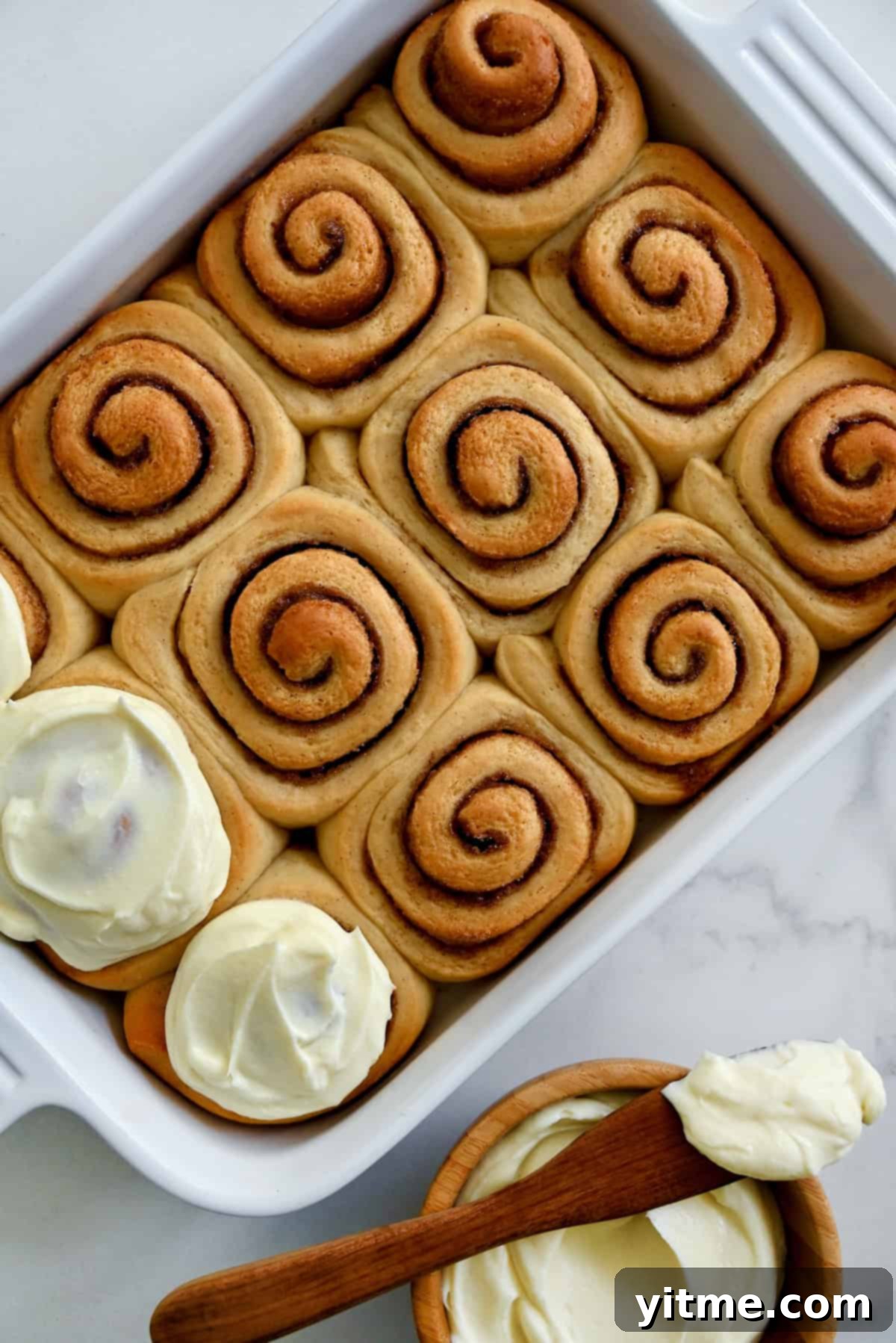
The Ultimate Overnight Cinnamon Rolls Recipe with Cream Cheese Frosting
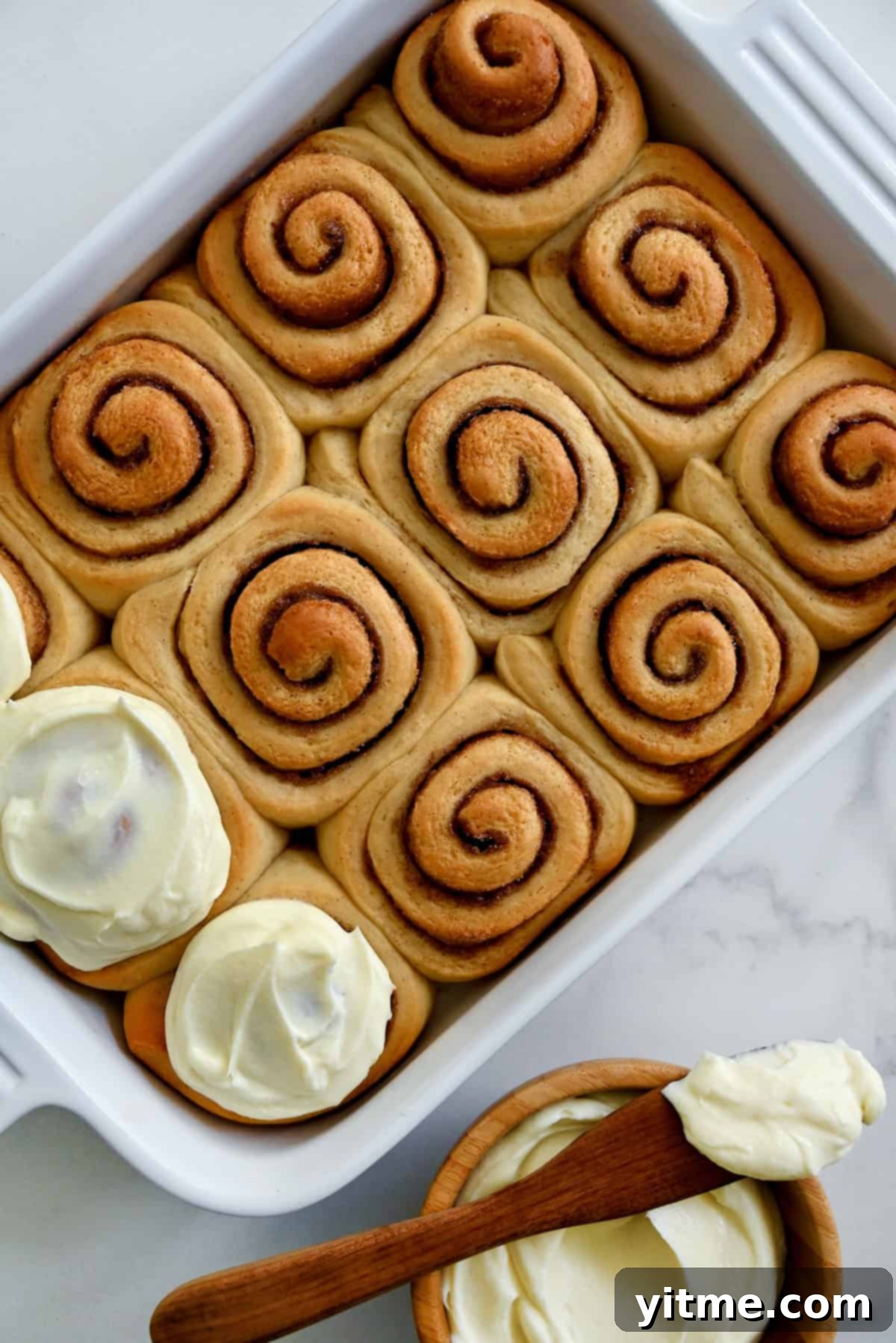
There are few commercially available delights that rival the appeal of freshly made cinnamon rolls. The aroma alone, whether encountered at a shopping mall kiosk or wafting from an airport terminal, is enough to trigger an irresistible craving.
The allure of Cinnabon, with its freshly baked rolls and classic frosting, is undeniable. The promise of F-R-E-S-H fresh cinnamon rolls, warm and gooey, is a temptation that’s difficult to resist.
But achieving that level of freshness and flavor isn’t exclusive to commercial bakeries. With a little effort, you can create equally delectable cinnamon rolls in your own kitchen. That’s where the magic of DIY comes in!
Why You’ll Love This Recipe
- Make-Ahead Convenience: Prepare the dough the night before and let it rise in the fridge. In the morning, simply bake and frost for a stress-free treat.
- Bakery-Quality Flavor: This from-scratch recipe delivers soft, fluffy cinnamon rolls that rival those from your favorite bakery. Expect a delightful balance of cinnamon, sugar, and a touch of tanginess.
- Crowd-Pleasing Quantity: This recipe yields a dozen generously sized cinnamon rolls, perfect for sharing with family and friends. They’re ideal for brunches, holidays, or any special occasion.
- Irresistible Cream Cheese Frosting: A luscious cream cheese frosting is the ultimate complement to warm cinnamon rolls. Its tangy sweetness perfectly balances the richness of the dough and filling.
Essential Ingredients
Here’s a breakdown of the key ingredients you’ll need to create these delectable make-ahead cinnamon rolls.
For the Cinnamon Roll Dough and Filling:
- Milk: Whole milk is recommended for its higher fat content, which contributes to a tender and flavorful dough. The fat also helps to create a richer, more satisfying texture.
- Butter: Unsalted butter is preferred in baking to allow for precise control over the salt content. This ensures that the flavors are balanced and not overly salty.
- Sugar: Granulated sugar provides sweetness and tenderness to the dough. Light brown sugar lends a delightful caramel note to the filling, adding depth and complexity to the flavor profile.
- Yeast: Active dry yeast requires activation in warm liquid before being added to the other ingredients. This process ensures that the yeast is alive and active, allowing it to leaven the dough properly.
- Flour: Accurately measuring flour is essential for successful baking. The scoop-and-level technique is a reliable method for achieving consistent results.
- Eggs: Using room-temperature eggs prevents the dough from cooling down too much. If the eggs are cold, they can inhibit the yeast’s activity and affect the dough’s rise. Warm the eggs in a bowl of warm water for 10 minutes if needed.
- Cinnamon: Freshly ground cinnamon offers the most intense and aromatic flavor. If your ground cinnamon is older than two or three years, consider replacing it for optimal results.
- Salt: Salt plays a crucial role in controlling the growth of yeast and enhancing the overall flavor of baked goods. It balances the sweetness and brings out the other flavors in the dough.
For the Cream Cheese Frosting:
- Vanilla Extract: High-quality vanilla extract adds a warm and aromatic note to the frosting. Consider using homemade vanilla extract for an extra touch of flavor.
- Cream Cheese: Softened cream cheese is essential for a smooth and lump-free frosting. Ensure that the cream cheese is completely softened to room temperature before using.
- Butter: Similar to cream cheese, the butter should also be quite soft to achieve the creamiest and smoothest frosting consistency. Soft butter blends easily with the other ingredients, creating a luxurious texture.
- Buttermilk: Buttermilk adds a tangy flavor and a subtle moistness to the frosting. If you don’t have buttermilk on hand, you can use a buttermilk substitute. Save any remaining buttermilk for buttermilk pancakes or buttermilk salad dressing.
- Salt: A pinch of salt balances the sweetness of the frosting, creating a more complex and flavorful experience. It prevents the frosting from being overly sweet and enhances the other flavors.
- Confectioner’s Sugar: Sifting the confectioner’s sugar before using it ensures a smooth and lump-free frosting. Sifting removes any clumps and creates a fine, even texture.
See the complete recipe card below for detailed information on ingredients and quantities.
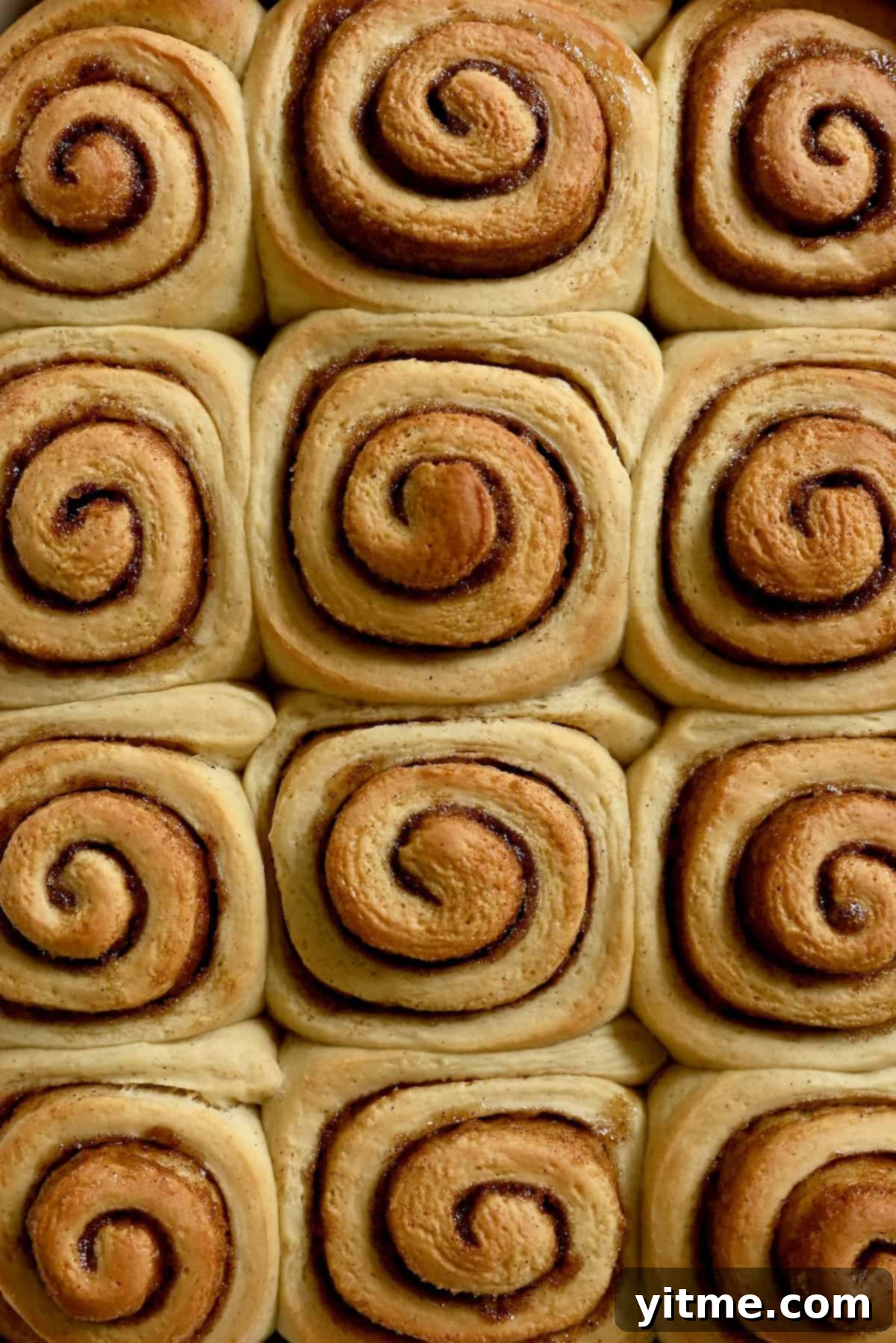
Imagine waking up to the aroma of warm, freshly baked cinnamon rolls. By preparing them in advance, you can enjoy this delightful treat with minimal effort. The overnight refrigeration period allows the dough to develop a deeper flavor and a perfectly soft texture. In the morning, simply pop them into the oven and sip on your favorite mimosa while the sweet aroma fills your kitchen.
Step-by-Step Instructions for Overnight Cinnamon Rolls
Making homemade cinnamon rolls is indeed a labor of love. However, by breaking down the process into manageable steps and utilizing a few simple tricks, you can easily master the art of make-ahead cinnamon rolls, also known as overnight cinnamon rolls. The key is to successfully start and then pause the preparation, allowing you to enjoy the fruits of your labor without spending the entire morning in the kitchen.
- Activate the Yeast: Mixing the active dry yeast with warm milk and sugar initiates the activation process. The yeast feeds on the sugar and begins to multiply, which is essential for leavening the dough.
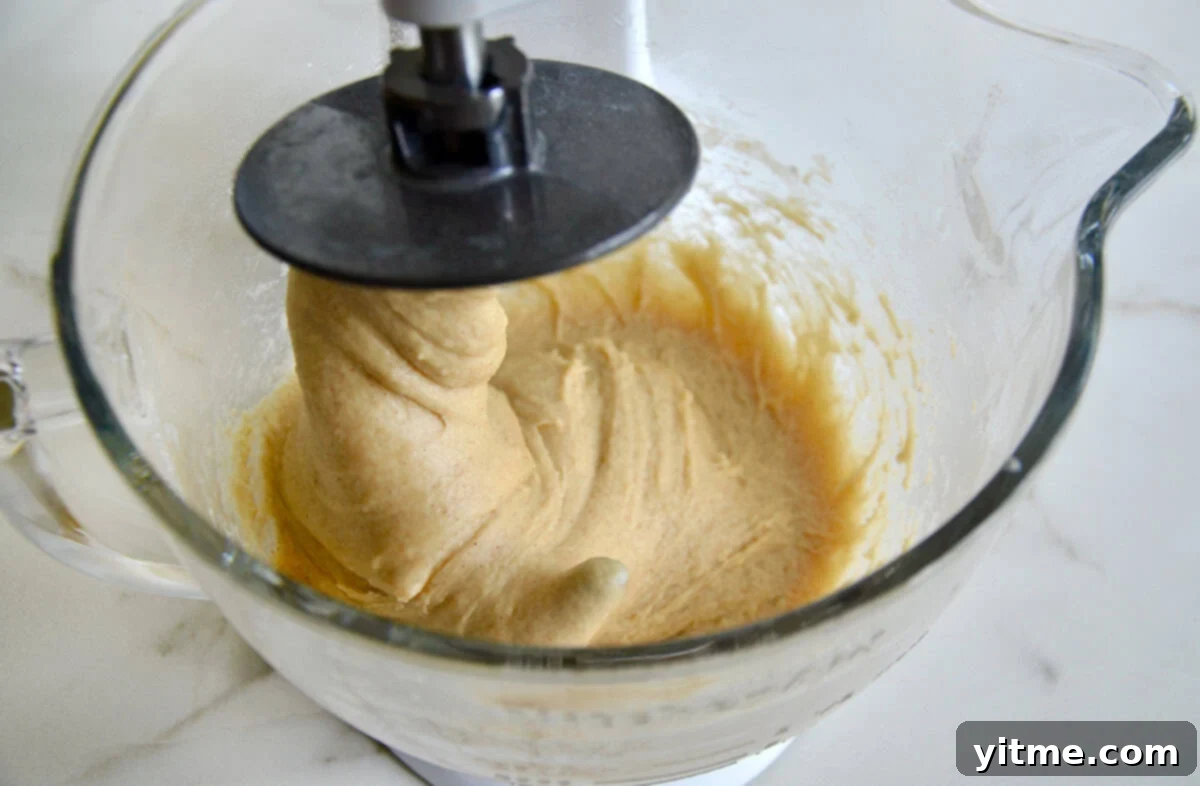
- Mix the Dough: A stand mixer with a dough hook attachment is the ideal tool for combining the wet and dry ingredients and kneading the dough until it’s smooth and elastic. The dough should be proofed (allowed to rise) until it doubles in size. Many bakers have found unique places to proof their yeast doughs.
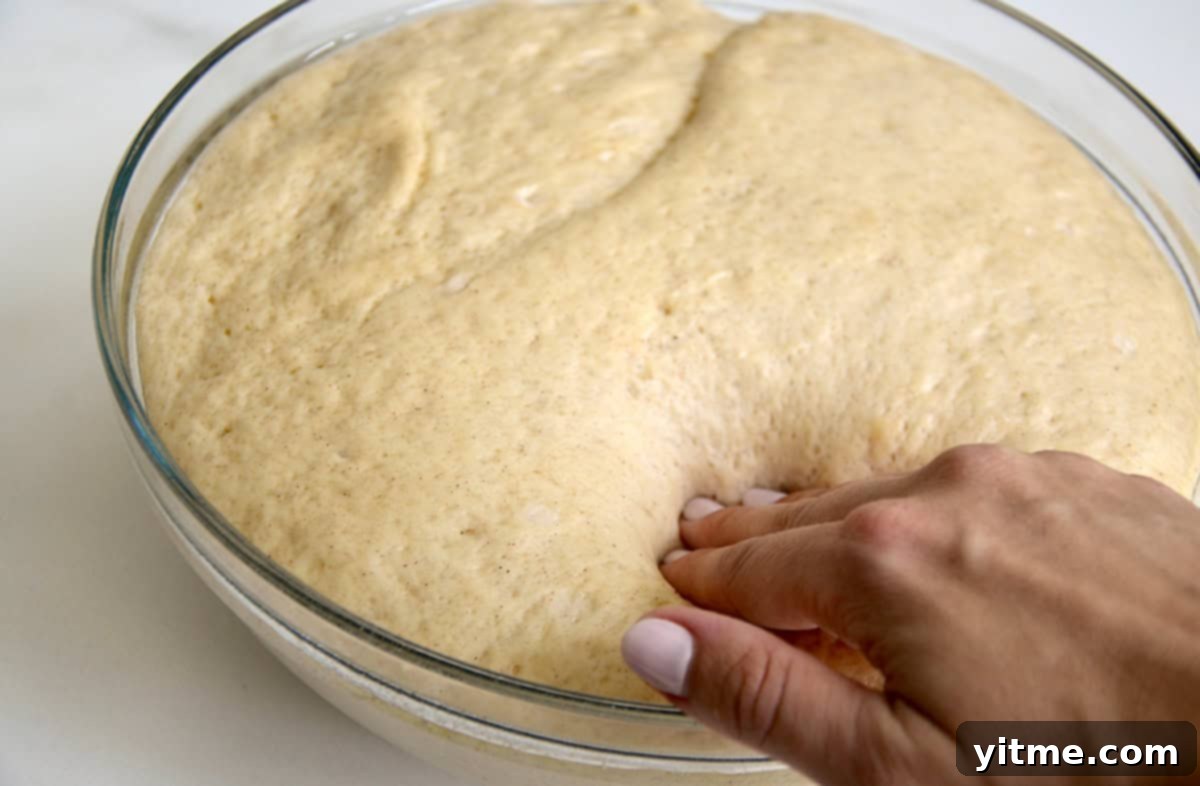
- Roll Out the Dough: On a lightly floured surface, roll the dough into a rectangular shape. Brushing the dough with melted butter ensures a moist and flavorful filling.
- Make the Filling: Combine the sugars and cinnamon in a bowl. Sprinkle the mixture evenly over the buttered dough, ensuring that it reaches all the edges. This guarantees that every bite is filled with gooey goodness.
Pro Tip: A silicone pastry mat is an invaluable tool for rolling out dough. Many mats have measurement markings, allowing you to accurately roll the dough to the correct dimensions.
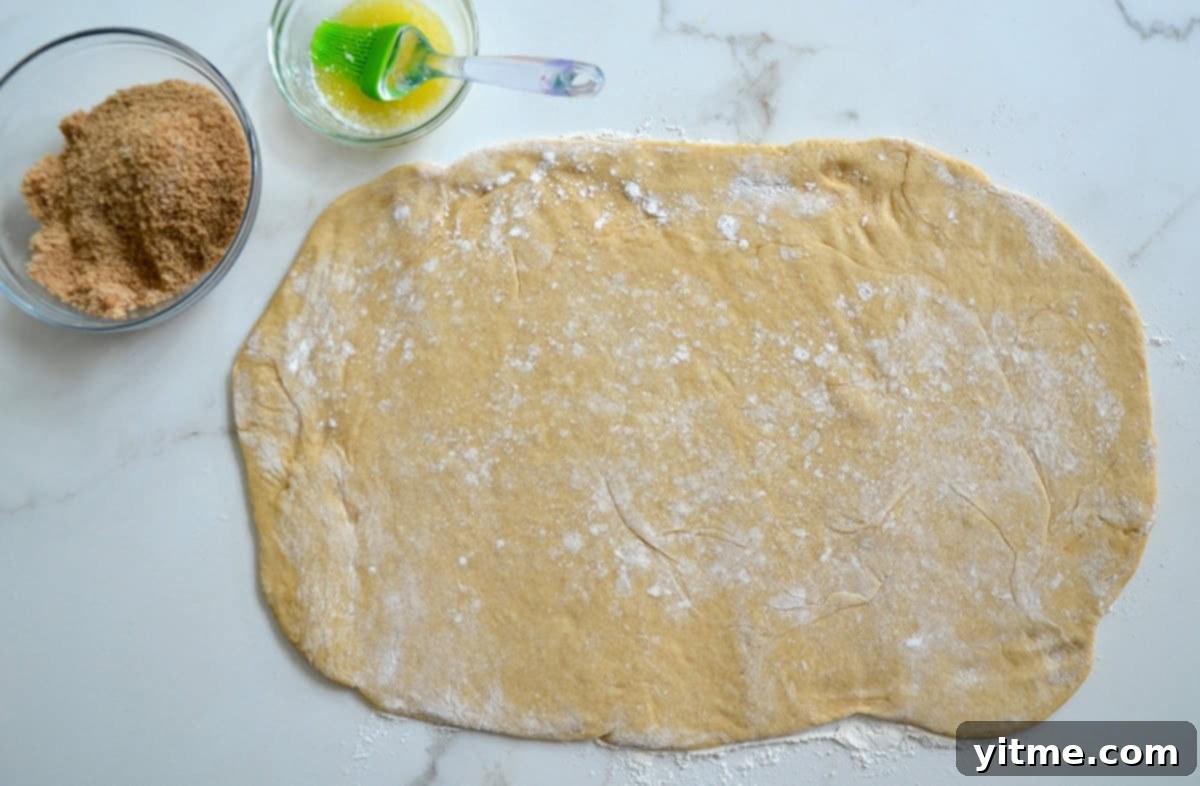
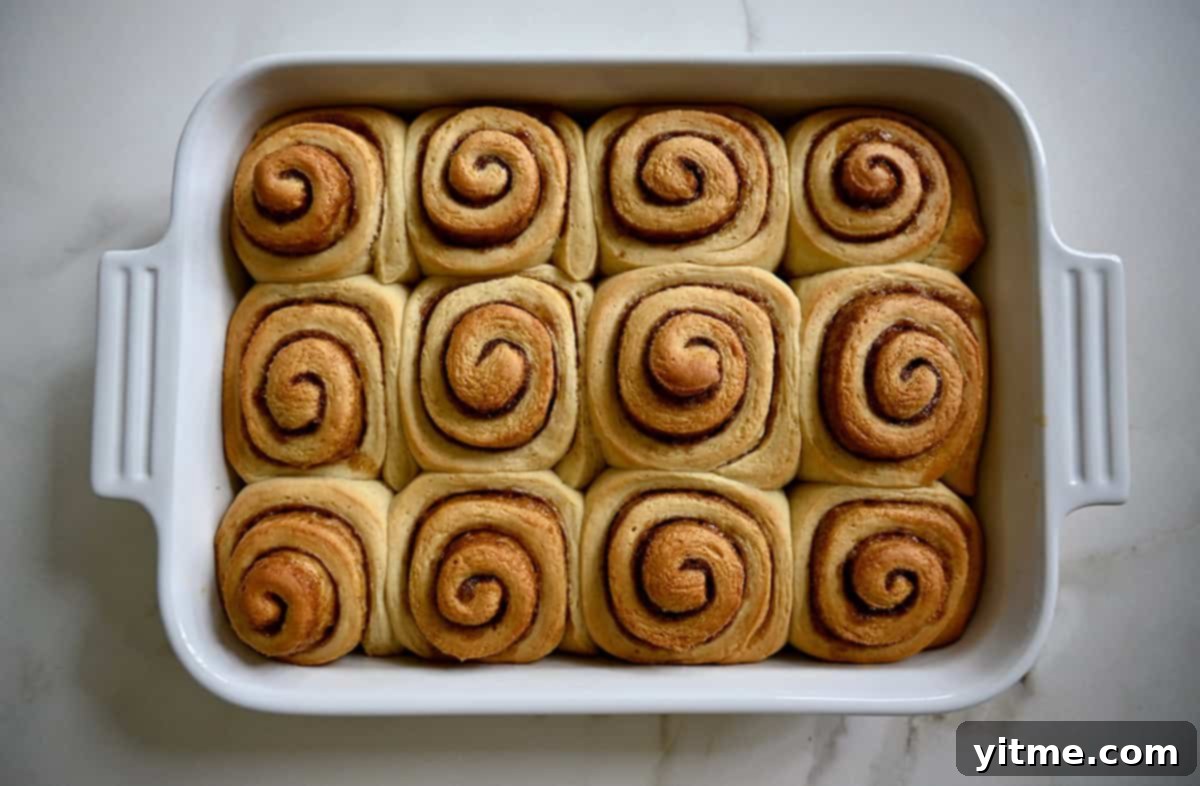
- Assemble the Rolls: Starting with the long side of the rectangle, roll the prepared dough tightly and evenly into a log. Slice the log into spirals, arrange them in a greased pan, and cover them with plastic wrap. Allow the rolls to rise again for about 30 minutes to achieve puffy, airy perfection. At this point, you can refrigerate the rolls overnight.
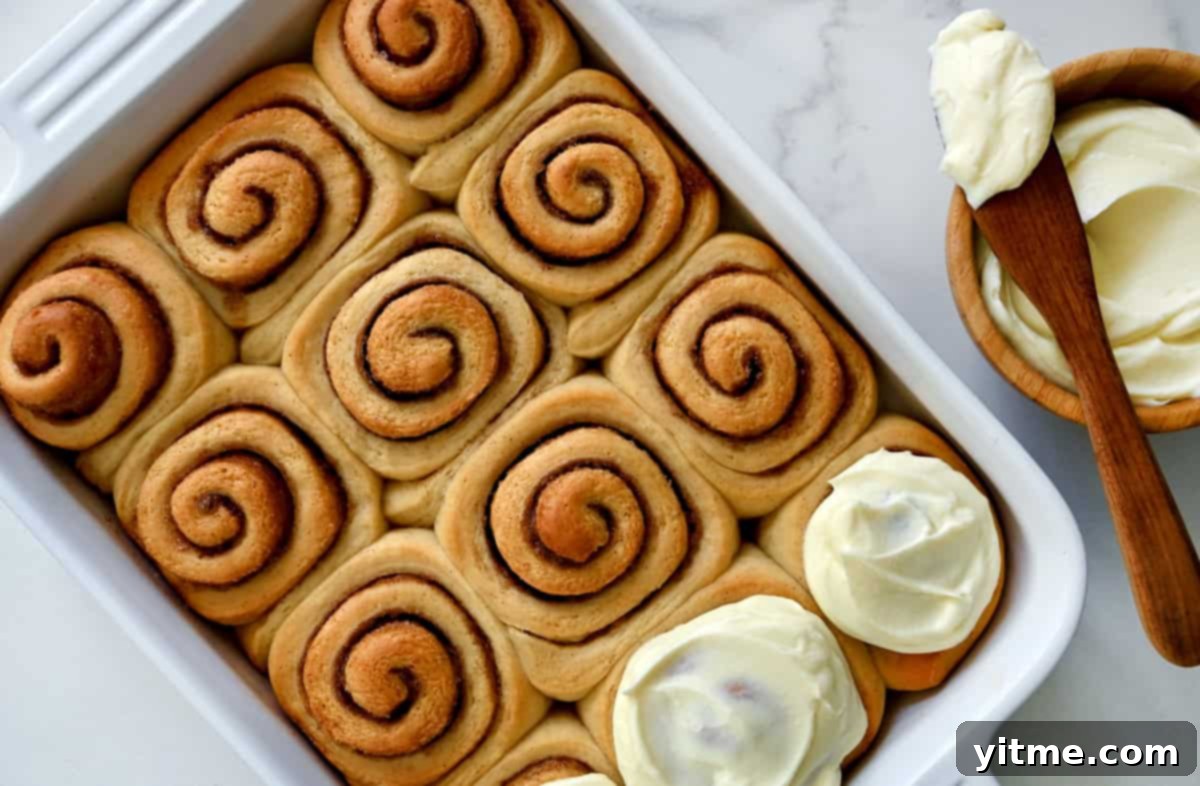
- Bake and Frost: While the rolls are baking, prepare the cream cheese frosting in a stand mixer fitted with the paddle attachment. Cream the butter and cream cheese together until smooth, ensuring that no lumps remain. Add the remaining ingredients and mix until well combined. Allow the rolls to cool completely before frosting, otherwise the frosting will melt and slide off.
How to Make the Best Cream Cheese Frosting
Warm cinnamon rolls deserve the lightest, tangiest cream cheese frosting imaginable. To achieve frosting perfection, follow these two key tips:
- Beat the cream cheese first until smooth, then beat in the butter. This ensures that the cream cheese is properly incorporated and prevents lumps from forming.
- Sift the confectioner’s sugar before adding it to the bowl. Sifting removes any clumps and creates a fine, even texture, resulting in a smooth and creamy frosting.
Mastering these techniques will result in a breakfast masterpiece: cinnamony, swirly, buttery perfection.
Expert Tips and Tricks for Cinnamon Roll Success
- Proof the Dough in the Dryer: The dryer provides the ideal warm and humid environment for yeast dough to rise. Run the dryer on empty for 5 minutes to warm it up, then turn it off and place the bowl inside, covered with a towel or plastic wrap.
- Keep it Sticky: Use just enough flour to prevent the dough from sticking excessively to the work surface when rolling it out. The dough should be tacky, but not overly sticky. Using too much flour can result in dry rolls.
- Use Tooth Floss to Cut the Rolls: For clean and precise cuts, use a piece of unwaxed, unflavored tooth floss. Place the center of the floss under the roll where you want to make the cut, cross the ends over the top, and pull them in opposite directions.
Want to truly master DIY dough? Watch the video to discover the surprising place where I proof my cinnamon roll dough!
[Video Embed]
Freezing Cinnamon Rolls for Future Enjoyment
Baked cinnamon rolls can be frozen for up to 3 months. Wrap each individually in plastic wrap, freeze until solid, then transfer to a freezer bag. Thaw overnight in the refrigerator, unwrap, and warm in the oven before serving.
You can also freeze the unbaked cinnamon rolls to bake later. Use a disposable foil pan. Form the rolls in the pan, then wrap tightly with plastic wrap, followed by aluminum foil. Let them thaw overnight in the refrigerator or at room temperature for 2 to 3 hours before baking as directed.
Frequently Asked Questions About Cinnamon Rolls
- Do I have to use cream cheese frosting?
- No! If cream cheese frosting seems too rich, you can leave the rolls unfrosted or make a lighter icing with powdered sugar and milk. Add a little vanilla for flavor. Alternatively, try the cream cheese glaze from a monkey bread recipe. A dusting of powdered sugar is also a nice finishing touch for a less-sweet cinnamon roll.
- How do I store leftover cinnamon rolls with cream cheese frosting?
- Leftover cinnamon rolls will keep in the refrigerator for up to 5 days. Wrap them with plastic wrap before storing. Microwave them, unwrapped, for 10 to 15 seconds before eating to freshen them up. Due to the cream cheese in the frosting, cinnamon rolls should not be stored at room temperature.
- Why do my cinnamon rolls rise unevenly when baking?
- If your oven heats unevenly (and most do!), your cinnamon rolls may rise or cook unevenly. To avoid this, turn the pan halfway through cooking. Also, ensure the oven is completely preheated before baking.
- Why are my cinnamon rolls not fluffy?
- When working with yeast, it must be activated in liquid at the right temperature, around 110°F. Check that the mixture bubbles after 5 to 10 minutes — if it does not, your yeast may be expired. It’s also important to allow the full amount of time for the dough to rise in a warm place both before and after forming the cinnamon rolls.
More Sweet Breakfast Inspiration
- Easy Cream Cheese Danish
- White Chocolate Chip Raspberry Scones
- Pumpkin Spice Waffles
- Overnight French Toast Bake
- Easy Caramel Apple Monkey Bread
- Greek Yogurt Banana Muffins
Craving more delicious recipes? Subscribe to Just a Taste to receive new recipes, meal plans, and a newsletter directly to your inbox! And stay connected on Facebook, TikTok, Pinterest, and Instagram for the latest updates and culinary inspiration.
Overnight Cinnamon Rolls with Cream Cheese Frosting
Kelly Senyei