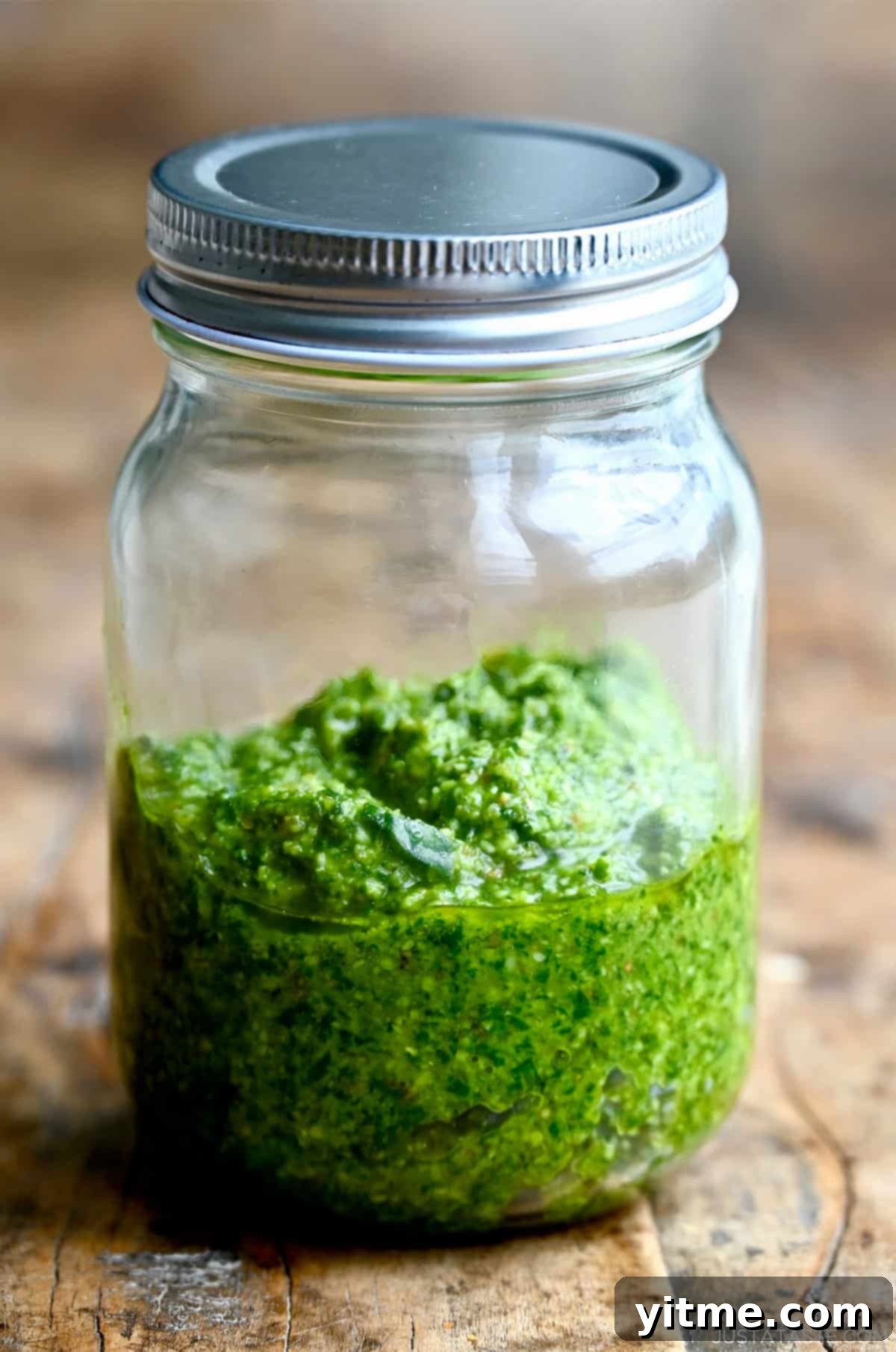
Easy Homemade Basil Pesto Recipe: Fresh, Fast & Flavorful
This easy homemade basil pesto recipe is fresh, fast, and far superior to anything you can buy in a store! With just a handful of ingredients, you can whip up a batch in about 5 minutes. I’m excited to share my favorite ways to use this vibrant sauce, along with essential tips for keeping it from browning and expert advice on how to freeze pesto like a pro.
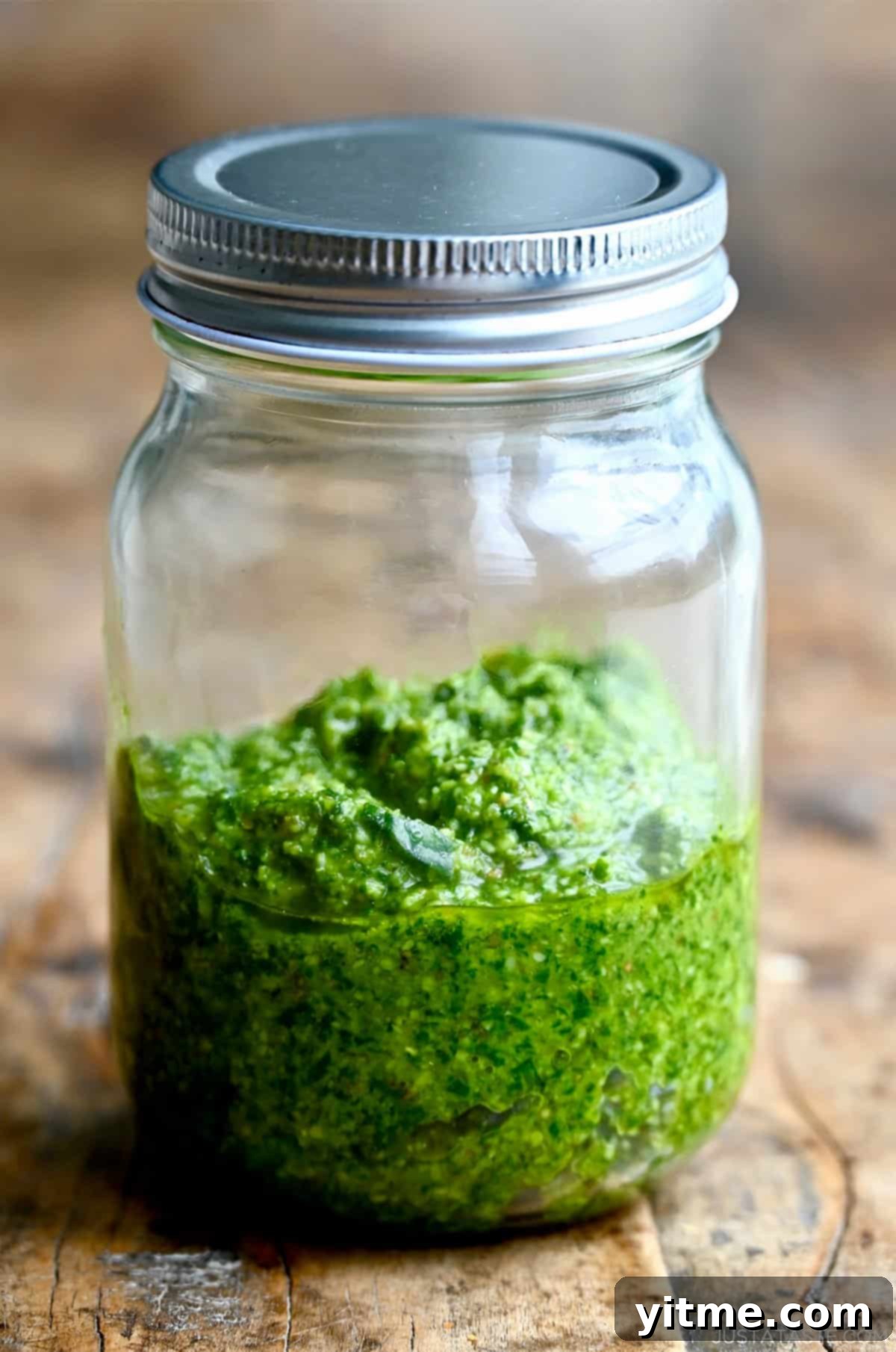
In my family, we lovingly refer to this homemade pesto recipe as “green gold,” and I promise, once you taste it, you’ll understand exactly why! My mom, Noni, has been masterfully blending up batches of basil pesto for as long as I can remember. Her recipe is the real deal: boasting a vibrant color, a generous punch of garlic, and an undeniable burst of fresh basil flavor. Whether we’re swirling it into a comforting bowl of pasta or drizzling it over tender stovetop chicken breasts, this incredible sauce never seems to last long in our refrigerator.
The best part? This pesto comes together in mere minutes. While it might be tempting to reserve this flavorful concoction solely for dinner, I’m here to urge you otherwise: don’t limit yourself! Pesto belongs on practically everything – from elevating your morning eggs to adding a gourmet touch to sandwiches and creating irresistible savory toasts. And the absolute best thing about it? It freezes like a dream, ensuring you can savor a delightful taste of summer all year round.
Ingredients You’ll Need
Here’s what goes into the best homemade basil pesto—and how to tweak it based on what you have (or don’t have!) on hand:
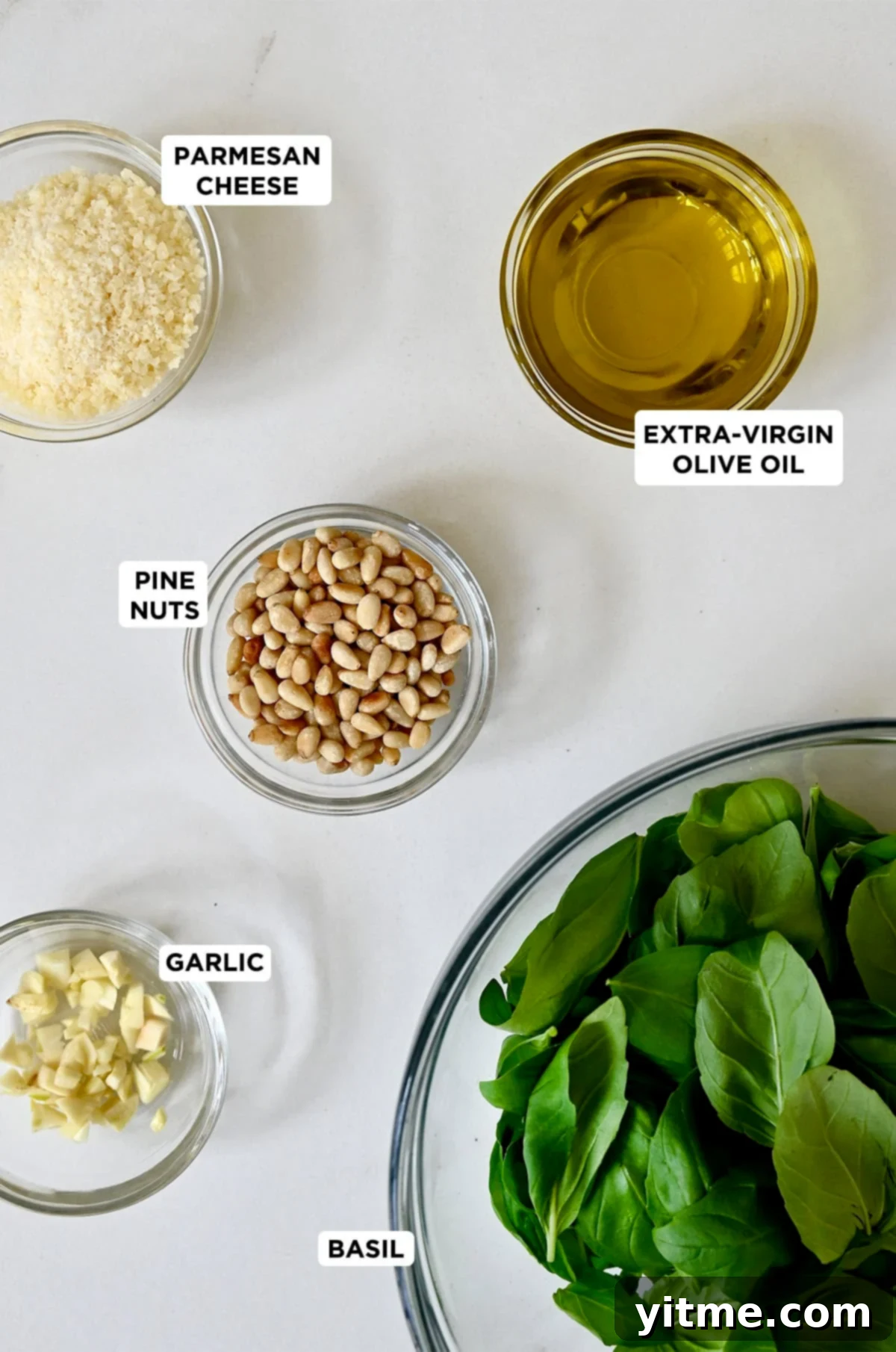
- Fresh Basil: Abundant fresh basil leaves form the aromatic foundation of this classic Italian pesto. When I’m not lucky enough to be using basil straight from my mom’s garden, I typically pick up one of those small, convenient potted basil plants from the produce section of my local grocery store. It’s absolutely crucial to wash and thoroughly dry your basil leaves before using them. Lingering moisture can dilute the intense flavor and unfortunately speed up the browning process. I swear by my salad spinner to remove excess water, followed by gently laying the leaves out on a clean kitchen towel to air dry for a few minutes before they hit the food processor.
- Parmesan Cheese: Freshly grated Parmesan cheese lends a wonderfully salty, savory depth to the pesto. While I’m partial to the robust flavor of Parmigiano-Reggiano or Pecorino Romano, don’t hesitate to experiment with Asiago or Grana Padano – they’re both excellent substitutes.
- Garlic: A little raw garlic contributes a significant amount of flavor to the homemade pesto. I generally use 1 to 2 cloves, depending entirely on their size and how garlicky I’m feeling. Remember, you can always add more!
- Pine Nuts: Traditional pesto calls for pine nuts, and for good reason! They impart a buttery, subtly nutty flavor and contribute to the pesto’s luxuriously smooth texture. However, I understand that pine nuts can sometimes be expensive and a bit challenging to find. That’s why I often reach for walnuts as a perfectly acceptable substitute. Almonds, cashews, or even pistachios (like the ones I use in my pistachio pesto recipe) also work beautifully. I’m a firm believer in toasting the pine nuts (or whatever nut you choose) in a dry skillet for a few minutes. This quick step unlocks a whole new level of flavor, and I highly recommend it!
- Extra Virgin Olive Oil: Quality is key here! Use a good-quality extra virgin olive oil, because it serves as the primary liquid component of the pesto and contributes a significant amount of rich flavor. While not sponsored, my all-time favorite brand is Kosterina.
- Salt & Pepper: Just a pinch of each to taste! My recommendation is to blend everything else first, then season at the very end. This will prevent you from accidentally overdoing it, particularly since some cheeses tend to be saltier than others.
See the recipe card for full information on ingredients and quantities.
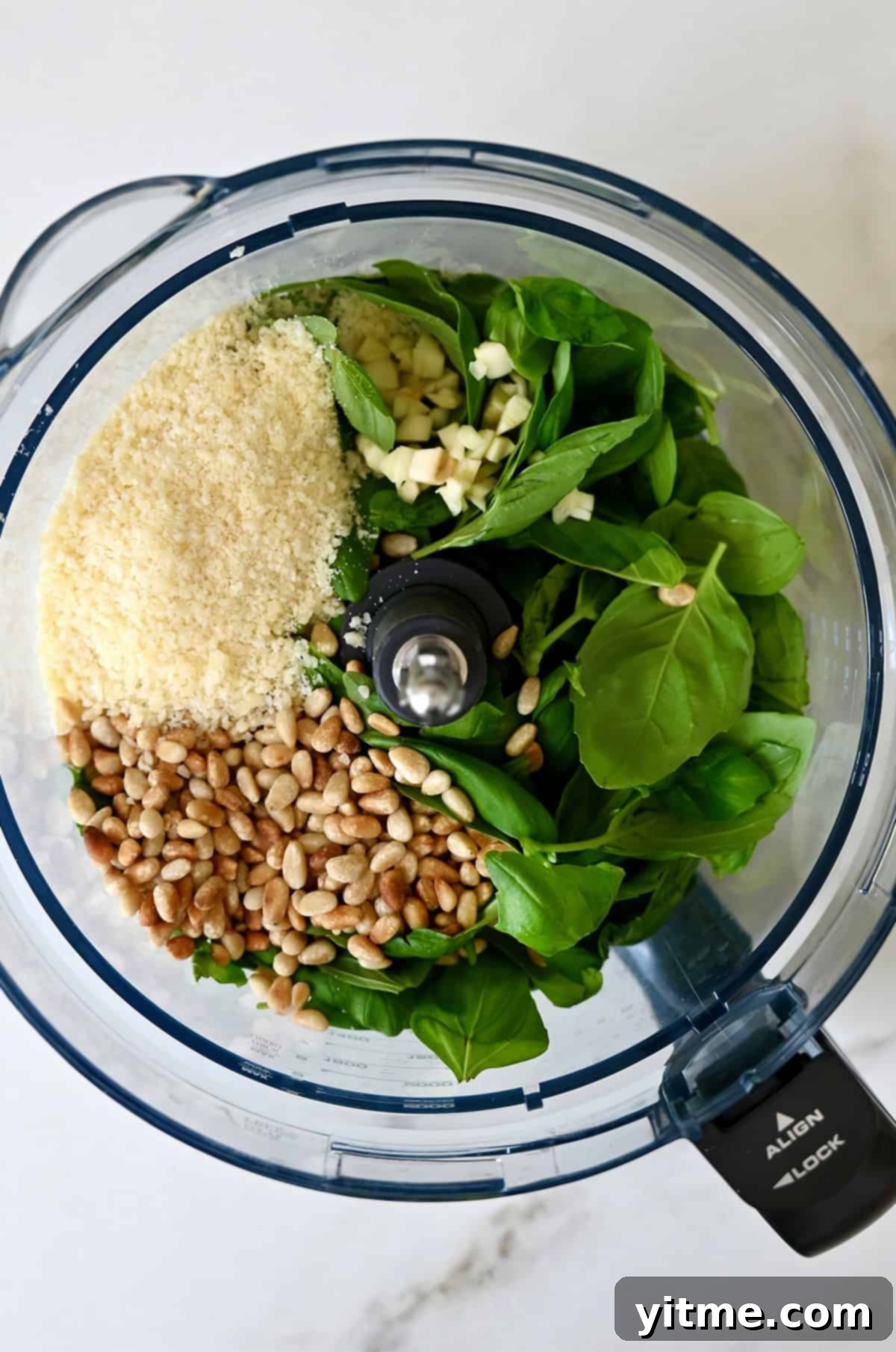
How to Make Pesto
Making pesto from scratch couldn’t possibly be easier. Best of all, this recipe can easily be doubled or even tripled if you’ve got extra basil on hand. Whether you’re looking to enhance your pasta, spread it on sandwiches, or simply enjoy its fresh flavors, this basil pesto recipe is a game-changer.
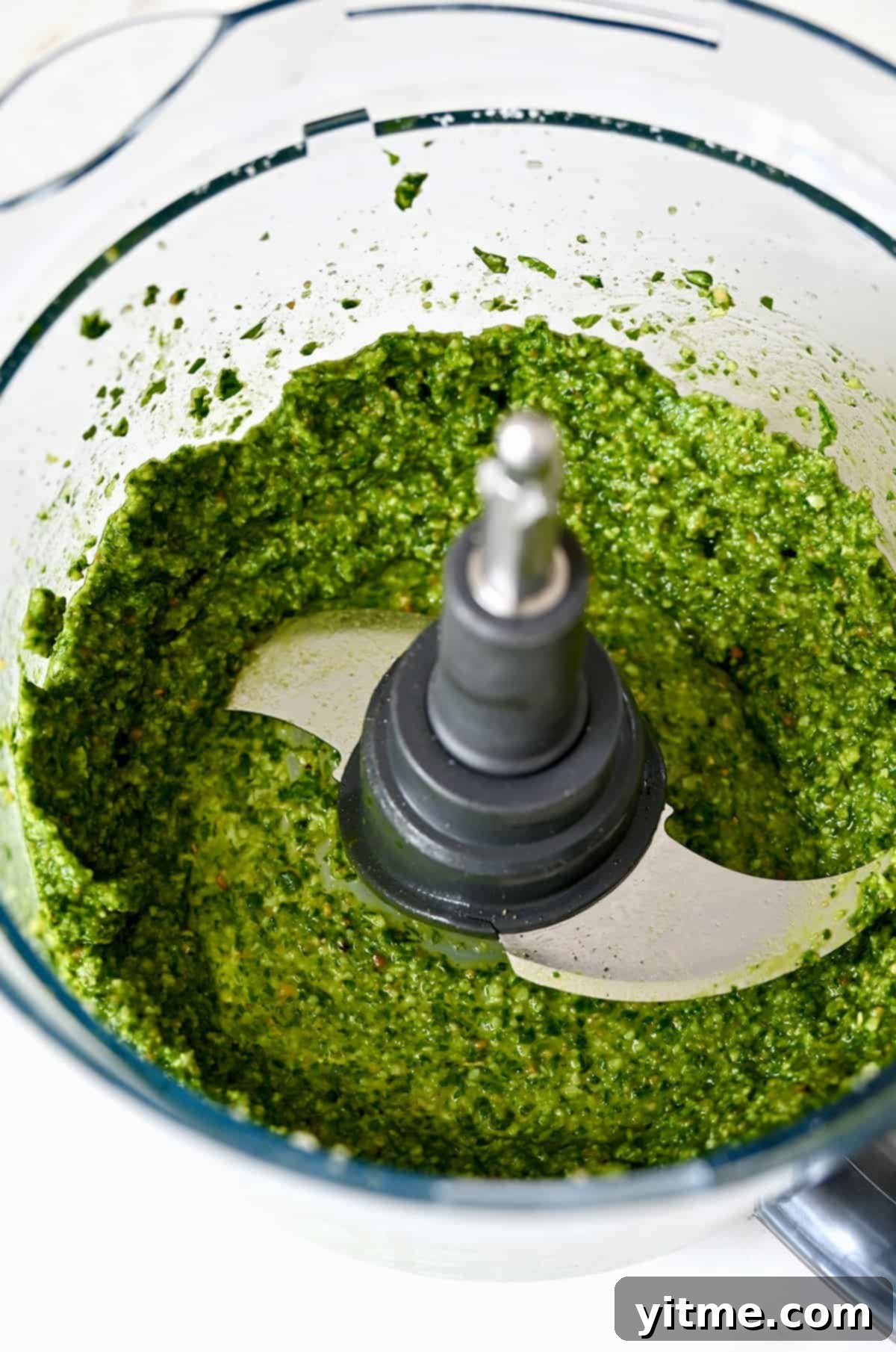
- Add the basil, pine nuts, garlic, Parmesan cheese, salt, and pepper to the bowl of a food processor. Pulse until everything is finely chopped and evenly combined.
- With the food processor running continuously, slowly drizzle in the extra virgin olive oil until the mixture transforms into a beautifully smooth yet still texturally interesting sauce. Be sure to pause occasionally to scrape down the sides of the bowl as needed, ensuring that all ingredients are fully incorporated.
- Give your pesto a taste and don’t hesitate to adjust the seasonings to your personal preference. Craving more garlic? Add another clove. Think it needs a bit more salt to enhance the flavors? Go for it. Or perhaps you’re in the mood for an extra cheesy kick? Add a touch more Parmesan. This is your opportunity to create the pesto of your dreams.
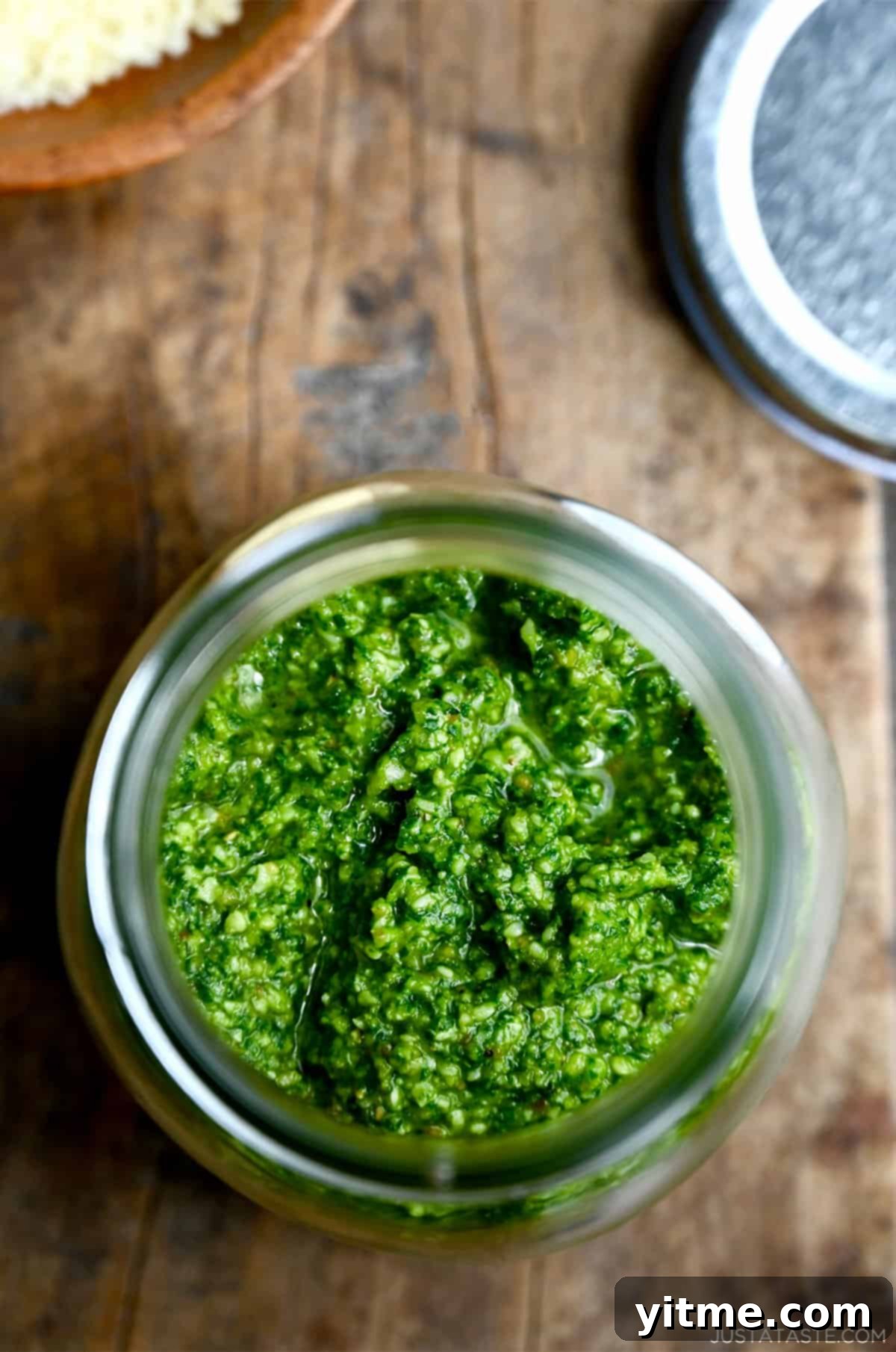
That’s it! Your homemade pesto is ready to use.
Favorite Ways to Use Pesto
I could easily eat pesto for breakfast, lunch, and dinner! From stirring it into scrambled eggs and elevating simple grilled cheese sandwiches to swirling it into comforting lasagna roll-ups and countless other culinary creations, here are some of my very favorite ways to use this incredibly versatile basil pesto:
- Toss with Pasta: It’s a classic pairing for a reason! Give it a try with my pesto pasta recipe for a quick and satisfying weeknight dinner.
- Elevate Eggs: Follow my recipe for pesto eggs on cheesy toast. You can also swap out the butter for pesto the next time you fry an egg for an incredibly flavorful twist.
- Pesto Puff Pastry Wreath: This Pesto Puff Pastry Wreath is guaranteed to be as visually stunning as it is incredibly delicious.
- Lasagna Roll Ups: Swirl pesto into my lasagna roll ups for a delightful twist on a beloved comfort food classic. The addition of pesto adds a layer of fresh, herbaceous flavor that elevates the dish to a whole new level.
- Pesto Chicken: Stuff it into chicken roulades for a burst of flavor, or simply slather it atop perfectly pan-seared chicken breasts for an easy and elegant meal.
- Gourmet Grilled Cheese: Spread pesto onto your favorite bread (or get adventurous and try my recipe for no-yeast bread), then layer on your go-to cheese (I personally love a combination of sharp cheddar and creamy gouda). Cook the sandwich in a skillet with a pat of butter until it’s beautifully golden and crispy on the outside and delightfully gooey in the middle.
- Supercharge Soups: A spoonful of pesto swirled over a bowl of tortellini soup with greens or creamy homemade tomato soup adds a wonderful pop of both flavor and color. It’s a simple way to elevate your soup game.
- Pizza Perfection: Skip the traditional marinara sauce entirely and go green! Pesto makes a delicious and unexpected base for homemade pizzas.
- Caprese Garlic Bread: Add a generous dollop of pesto atop my caprese garlic bread recipe for an explosion of fresh, Italian-inspired flavors.
- Dipping Sauce Delight: Serve pesto as a flavorful dip alongside homemade French fries, homemade garlic knots, or slices of homemade focaccia.

How to Store Homemade Pesto
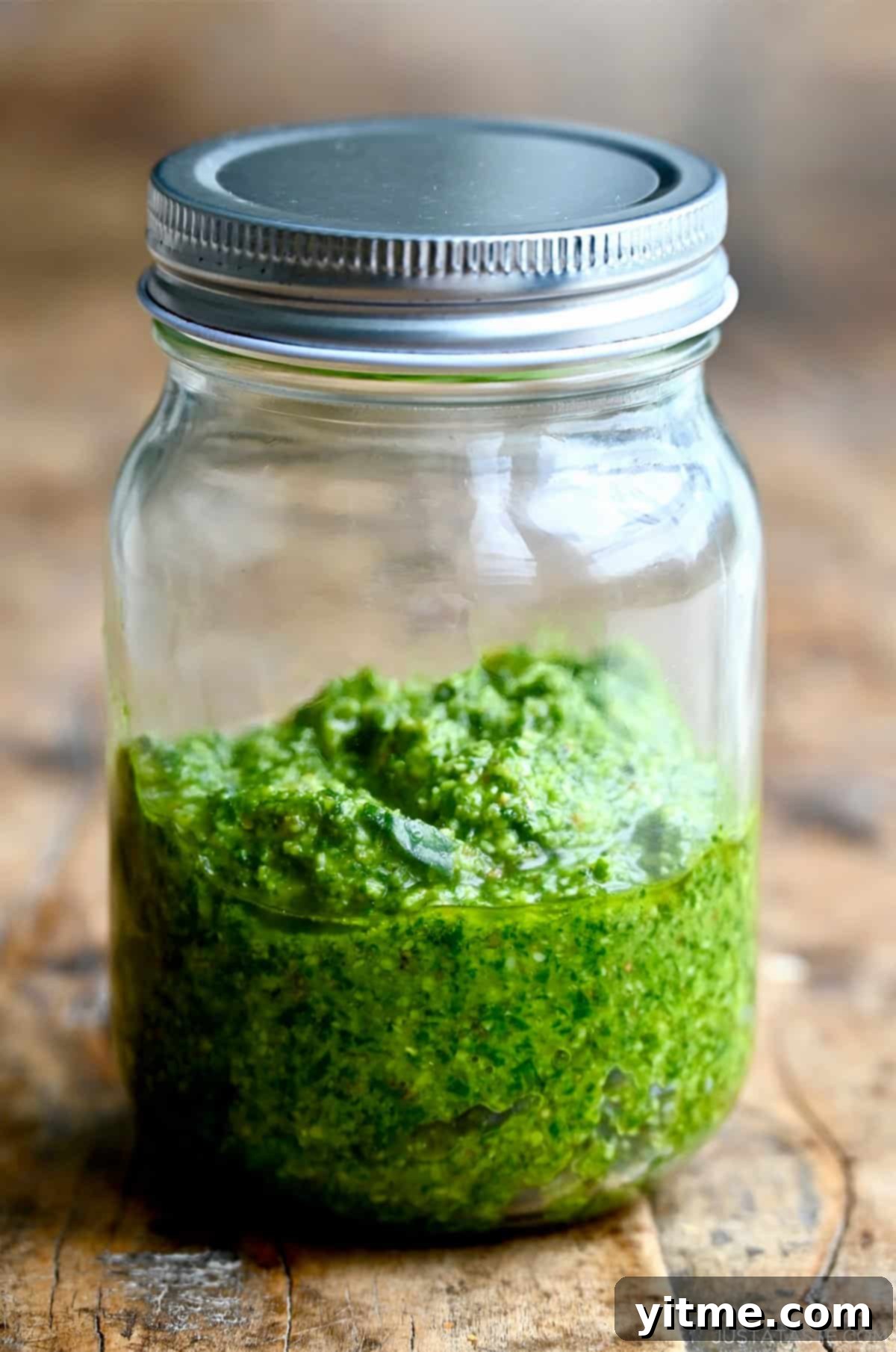
Proper storage is essential to maintain the quality and flavor of your homemade pesto. When stored correctly, pesto will keep in an airtight container in the refrigerator for up to 5 days. To maximize its shelf life and help prevent browning, pour a thin layer of extra virgin olive oil over the top of the pesto. Then, gently press a piece of plastic wrap directly against the surface of the pesto before sealing the container. This extra step creates a barrier against air, which helps to keep that gorgeous green color bright and vibrant.
FAQ: Can You Freeze Pesto?
Absolutely, yes! Freezing pesto is one of my absolute favorite ways to preserve the taste of summer and enjoy it throughout the year. Here are my two go-to methods for freezing pesto:
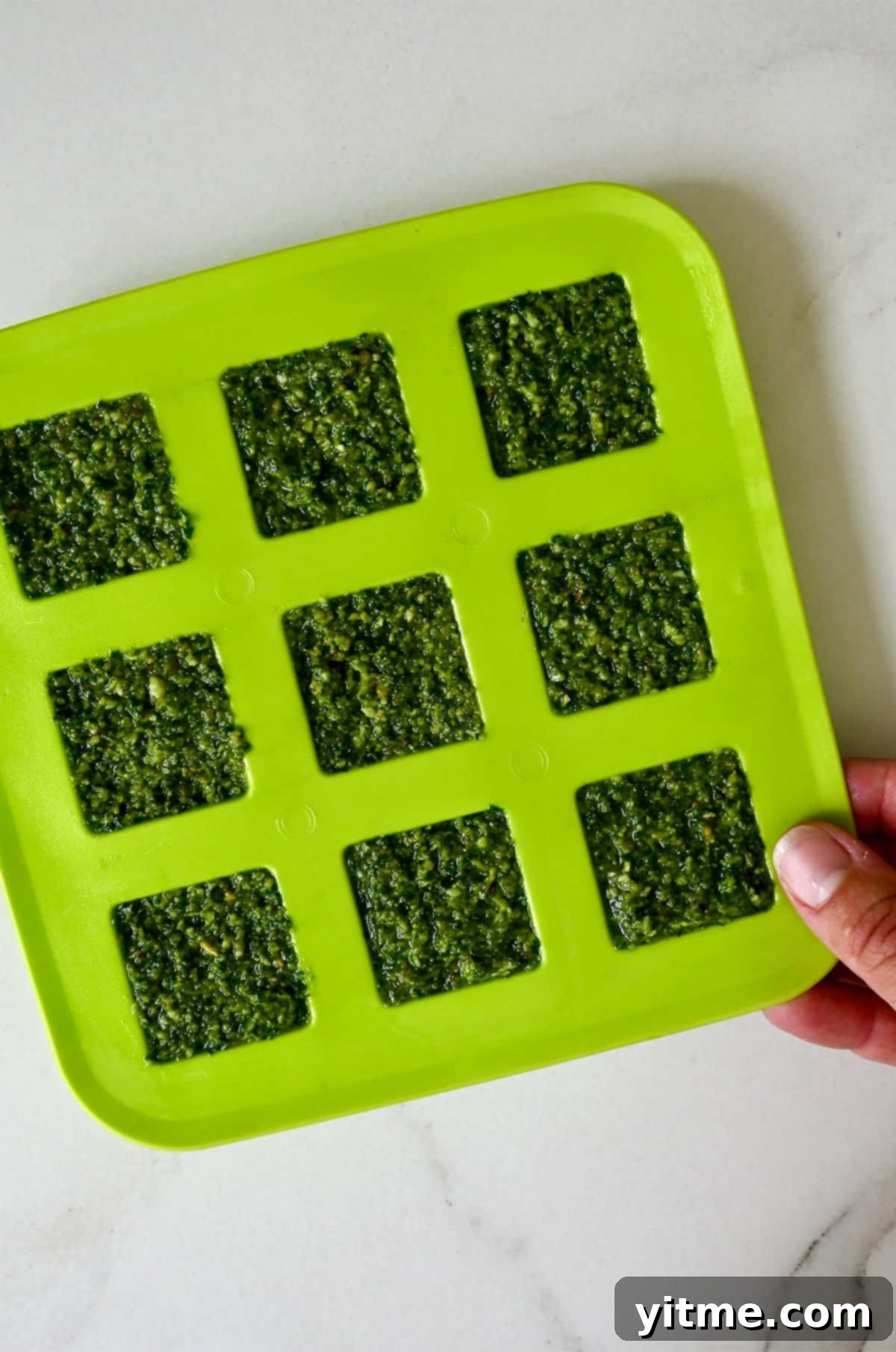
- Silicone Tray Method: Carefully spoon your freshly made pesto into a silicone ice cube tray, filling each compartment to the desired level. Then, transfer the tray to your freezer and freeze until the pesto is completely solid. Once frozen, pop out the individual pesto cubes and transfer them to a freezer-safe bag or container for long-term storage.
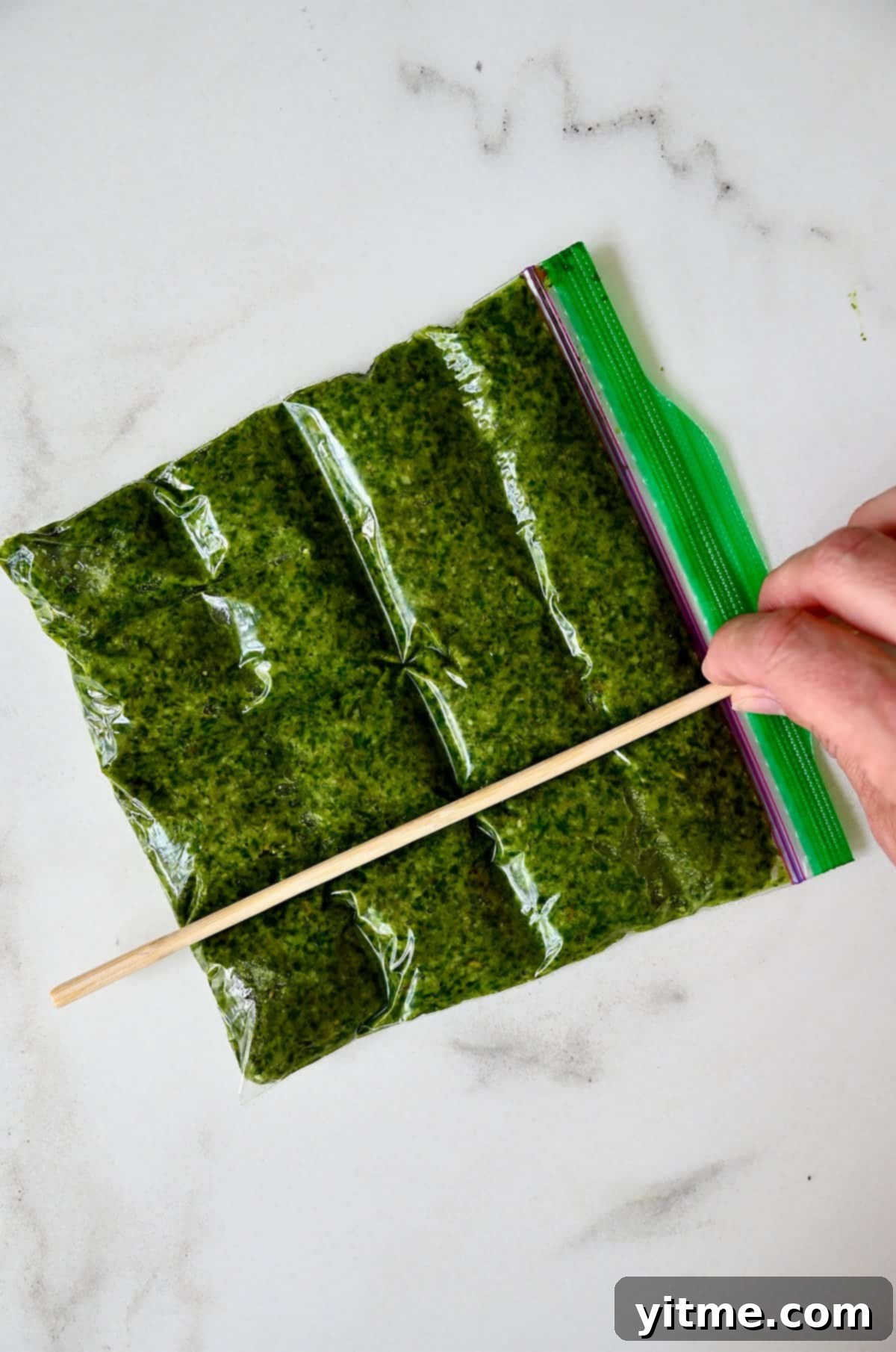
- Plastic Bag with Wooden Rod Trick: Spread pesto evenly into a freezer-safe zip-top plastic bag, pressing out any excess air to prevent freezer burn. Then, use the handle of a wooden spoon or a chopstick to gently press ridges into the surface of the pesto within the bag, creating a grid-like pattern. Lay the bag flat in your freezer and freeze until solid. Once frozen, you can easily break off individual portions of pesto as needed.
Properly frozen pesto will keep for up to 3 months, allowing you to enjoy its vibrant flavors long after basil season has ended. When you’re ready to use your frozen pesto, there’s no need to thaw the entire bag. Simply break off a cube or chunk and stir it directly into hot pasta dishes, soups, scrambled eggs, or roasted vegetables. The pesto will melt quickly and mix in perfectly, infusing your dishes with its delicious flavor.
Do you have a favorite unique way to use pesto? I’d love to hear about it in the comments section below!
Craving more culinary inspiration? Subscribe to Just a Taste to have new recipes, meal plans, and a newsletter delivered straight to your inbox! And be sure to stay in touch on Facebook, TikTok, Pinterest, and Instagram for all the latest updates and delicious content.
Easy Homemade Pesto Recipe
Equipment
- Food processor
Ingredients
- 2 1/2 cups fresh basil leaves, washed and dried thoroughly
- 2 Tablespoons grated Parmesan cheese
- 3 cloves garlic
- 2 Tablespoons pine nuts (See Kelly’s Note)
- 1/2 teaspoon kosher salt
- 1/8 teaspoon black pepper
- 1/4 cup extra virgin olive oil
Instructions
- Add the basil, Parmesan, garlic, pine nuts, salt, and pepper to a food processor or blender. Pulse until everything is finely chopped and combined.
- With the machine running, slowly stream in the olive oil. Blend until the pesto is mostly smooth but still has a little texture, scraping down the sides as needed.
- Taste and adjust the seasoning with more salt or pepper, if needed. Use immediately, or transfer to an airtight container and refrigerate until ready to serve.
Kelly’s Notes
- I like to toast the pine nuts in a dry skillet for a few minutes to deepen their flavor. Allow them to cool slightly before blending. No pine nuts? Try walnuts, almonds, cashews or even pistachios.
- Optional: While traditional pesto doesn’t include lemon juice, a squeeze of fresh lemon can brighten the flavor and help preserve that vibrant green color, especially if you’re storing it for later. Try adding 1 to 2 teaspoons, if desired.
- ★ Did you make this recipe? Don’t forget to give it a star rating below!
Nutrition
Did you try this recipe?
Leave a comment below with your star rating!