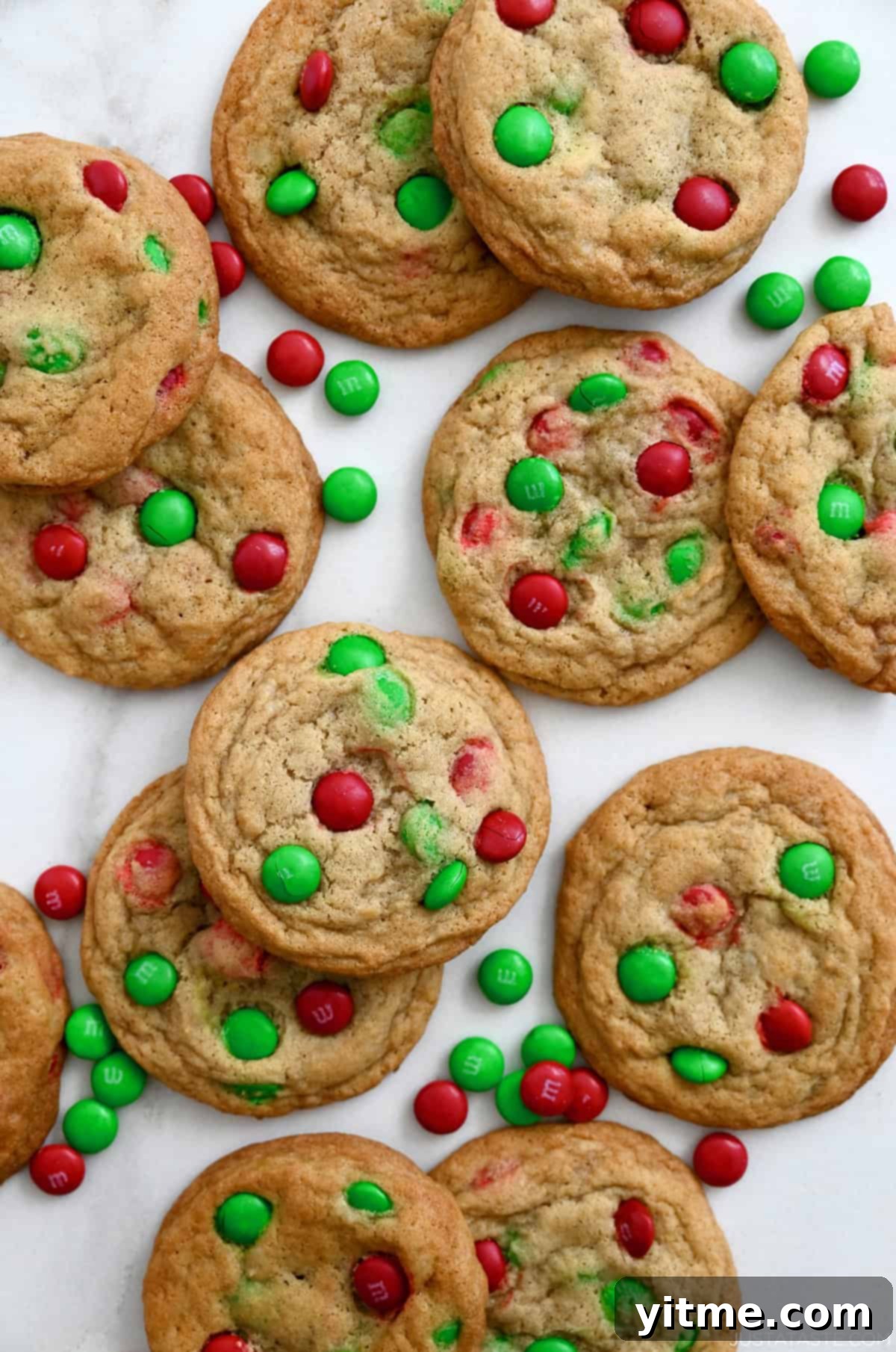
Holiday Cookie Baking Secrets: Expert Tips for Perfect Festive Treats
Are you ready to bake the most delightful batch of holiday cookies ever? These essential cookie baking tips will help you create festive treats that are not only visually stunning but also incredibly delicious! Get ready to impress your family and friends with your baking prowess this holiday season.
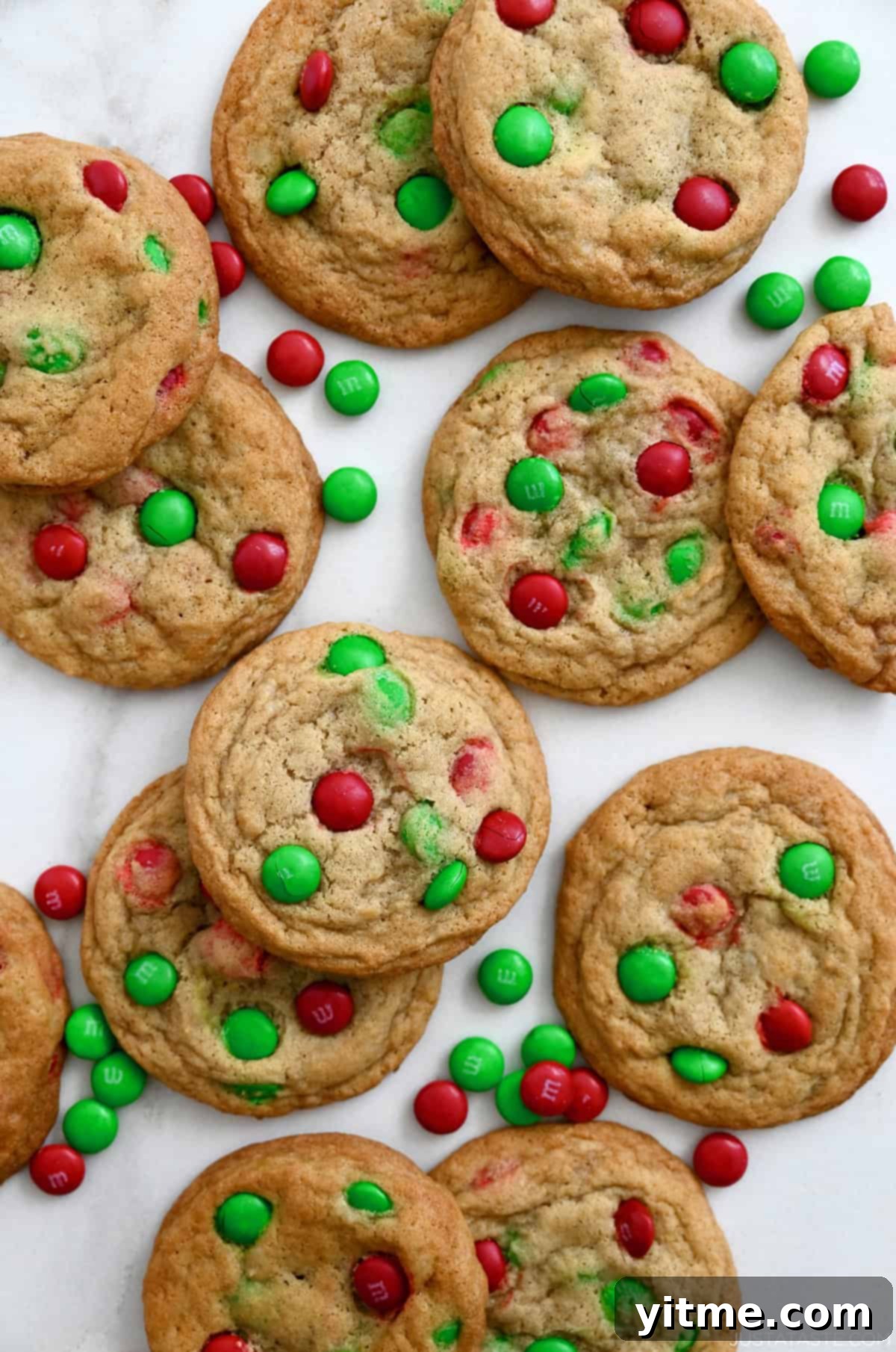
The aroma of freshly baked cookies is synonymous with the start of the winter holiday season. After countless hours of creating, testing, and perfecting over 60 holiday cookie recipes, along with numerous other cookie favorites, I’ve gained valuable insights into what distinguishes a flawlessly baked cookie from a complete baking disaster. Learning how to bake the perfect cookie is easier than you think!
Whether you prefer the delightful crunch of candy cane sugar cookies or the comforting chewiness of chewy chocolate chip cookies, these time-tested tips (accompanied by a few indispensable tools!) will elevate your holiday cookie baking skills to a professional level. Get ready to become a holiday baking expert!
11 Essential Tips for Baking Perfect Holiday Cookies
1. Measure Your Flour Accurately
Baking is a precise science, and accuracy is paramount. Using too much flour can result in dense cookies that don’t spread properly. Avoid scooping flour directly from the bag with your measuring cup, as this compacts the flour, leading to an excess amount in your recipe. Instead, gently stir the flour in its container, then spoon it loosely into your measuring cup, and level it off with a straight edge. This ensures you’re using the correct amount of flour, leading to better cookie texture and consistency.
This tip is so crucial that I dedicated an entire post to it: Why Accurate Flour Measurement Matters. Understanding the science behind flour measurement is key to achieving baking success.
2. Avoid Overmixing Your Cookie Dough
Cookie recipes that contain flour are susceptible to becoming overly tough if the dough is overmixed. When flour is stirred, gluten is activated. Excessive stirring develops too much gluten, resulting in cookies that are dense and tough in texture. To prevent this, use your KitchenAid Stand Mixer on a low setting and watch carefully for the moment when the dry ingredients are just combined with the wet ingredients. This creates a lighter dough, which translates to less dense and more tender cookies. Achieving the right dough consistency is essential for perfect cookies.
3. Roll Your Dough Evenly for Uniform Baking
Cutout Christmas sugar cookies are a holiday staple and a beloved tradition for many. However, before you start stamping out those adorable snowmen shapes, make sure your dough is rolled out uniformly in all areas. This ensures that your cookies will bake at the same rate and in the same amount of time, preventing some cookies from being overbaked while others remain underbaked. Consistent thickness is key to even baking.
Watch it in action: Check out my video for a simple baking trick that I use to evenly roll out cookie dough, ensuring you’ll have uniform cookies batch after batch! This technique will help you create professional-looking cookies every time.
4. Chill Your Cookie Dough for Better Texture
Most cookie dough recipes – whether it’s my favorite thumbprint cookies or classic butter cookies – benefit from being chilled in the refrigerator before shaping and baking. Refrigerating cookie dough offers two main advantages:
- It firms up the butter, making the dough easier to handle and shape. This prevents the dough from becoming too sticky and difficult to work with.
- It allows the flour to absorb extra moisture, which helps prevent the cookies from spreading too much during baking. This results in thicker, chewier cookies with a more defined shape.
Chilling the dough is a simple step that significantly improves the final result.
Short on time? No problem! Some of my favorite holiday cookies don’t require any dough chilling, including chewy ginger molasses cookies, shortbread cookies and Christmas monster cookies. These recipes are perfect for those last-minute baking sessions!
5. Temperature is Key for Perfect Results
Temperature plays a crucial role in making cookies, from your oven to your ingredients and even your dough (as mentioned in tip #4). Understanding and controlling temperature is essential for successful cookie baking.
- Oven temperature: There’s nothing more frustrating than spending time making and shaping cookies only to discover that your oven is not at the correct temperature. A miscalibrated oven can lead to burned cookies if it runs too hot, or underbaked cookies if it runs too cold. Make sure to double-check your oven temperature using an oven thermometer. This simple step can prevent many baking disasters.
- Butter and egg temperature: Pay close attention to the specific instructions in your cookie recipe. If the recipe calls for cold ingredients, use cold ingredients. If it calls for room-temperature eggs, butter, or other dairy ingredients, take the time to bring them to room temperature. Room-temperature ingredients blend more easily with the other ingredients, creating a uniform texture and preventing lumps. Additionally, room-temperature eggs add more volume to the dough, resulting in fluffier, lighter cookies.
Baker’s Tip: Room temperature butter should feel cool to the touch, not warm, and when you press it, your finger should leave a slight indent. I usually take my butter out of the fridge about 1 hour before I start baking. But if you forget (like I often do), check out my guide on how to soften butter quickly. Softening butter correctly is crucial for achieving the right consistency in your dough.
6. Space Your Cookies Apart on the Baking Sheet
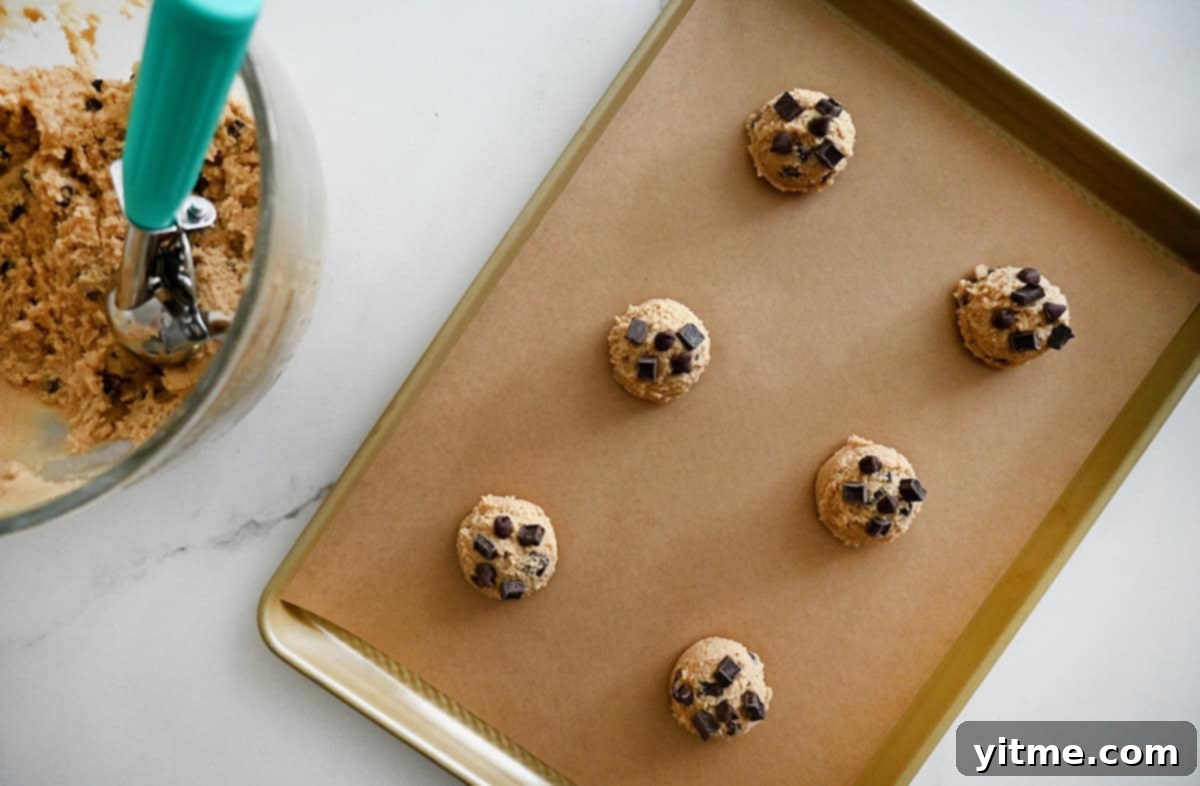
Proper spacing is crucial! While it may seem basic, giving your cookies enough room to spread on the baking sheet is essential for achieving picture-perfect results. Different types of cookies will spread differently, but I’ve found that keeping them at least 2 inches apart on the baking sheet generally works well. This prevents the cookies from merging together during baking, ensuring they maintain their individual shapes and bake evenly.
Baker’s Tip: Use a cookie scoop to ensure your cookies are uniform in size. This not only helps with even baking but also creates a more visually appealing presentation.
7. Bake One Batch at a Time for Even Results
It can be tempting to bake all your holiday cookies at once to save time, but baking one batch at a time is the best way to ensure even baking and optimal results. Baking multiple sheets of cookies simultaneously can lead to uneven baking, resulting in burnt bottoms and raw centers. For a perfectly golden batch every time, bake each sheet on the middle rack of your oven by itself. If you’re pressed for time, you can rotate your pans halfway through the baking process for added insurance, but baking one batch at a time is still the preferred method.
8. Prevent Excess Spreading for Defined Shapes
Nobody likes a flat, sad-looking cookie! To keep those festive shapes crisp and those centers chewy, here are a few tried-and-true tricks to prevent excess spreading during baking:
- Chill for clean shapes: If you’re making sugar cookies or cutout cookies, pop the shaped dough in the fridge before baking. A chilled cutout cookie holds its shape better, resulting in nice, sharp edges rather than amorphous blobs.
- Choose the right baking sheets: The type of baking sheet you use can significantly impact the outcome of your cookies. Dark baking sheets can over-bake cookies, while thin, flimsy sheets can burn the bottoms. I highly recommend these Nordic Ware Sheet Pans for their even heat distribution and durability.
- Line your baking sheets: Skip nonstick sprays, as they create too slick of a surface. Instead, opt for parchment paper (I swear by these sheets!) or silicone baking mats. Silicone grips the dough, which helps prevent cookies from spreading too much and promotes even browning.
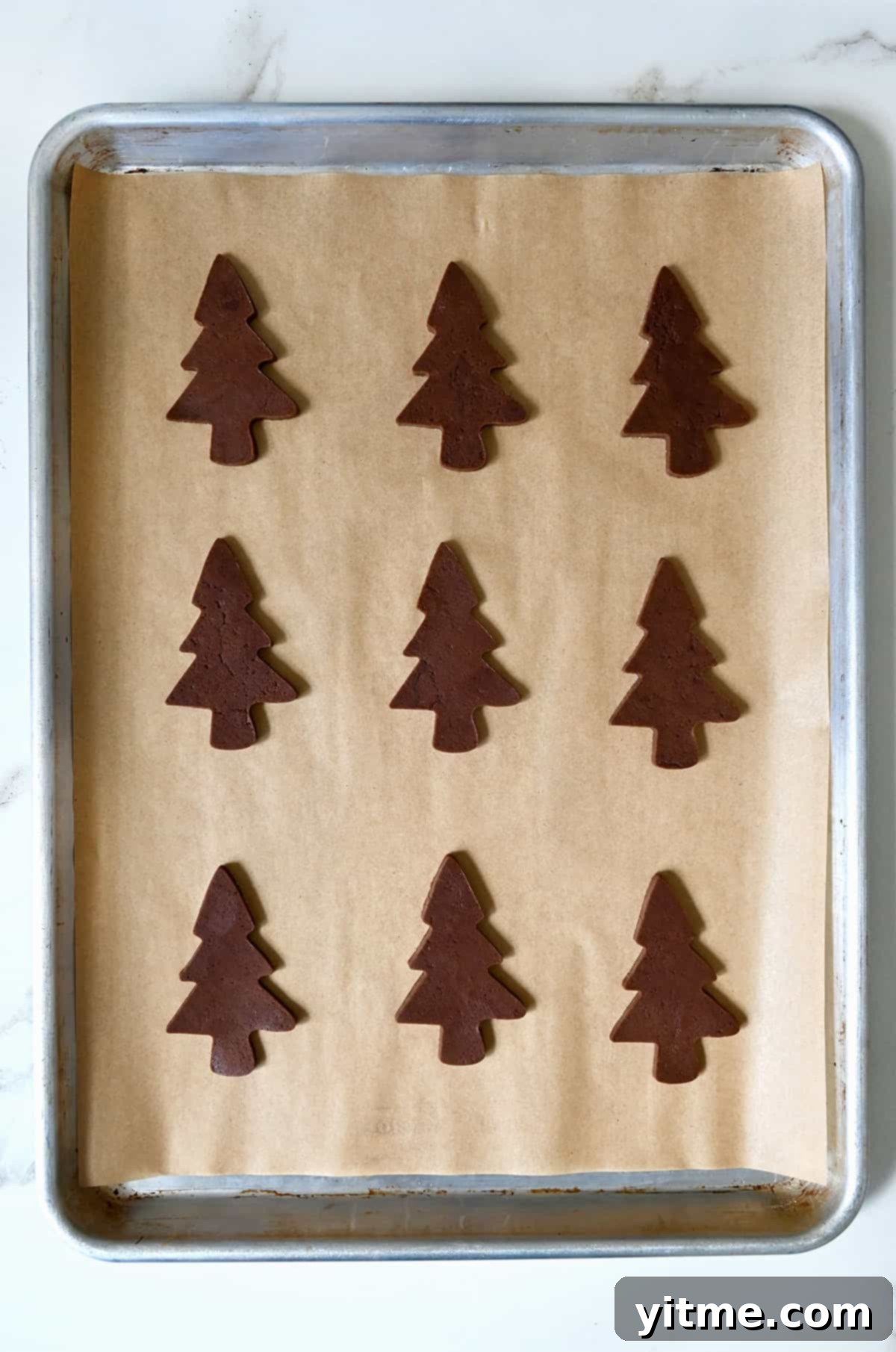
What if your cookies aren’t spreading enough? This is a common concern! Here are some possible reasons and solutions:
- Too much flour: This is often the primary cause of non-spreading cookies (refer back to tip #1). Ensure you are measuring your flour accurately.
- Your dough is too cold: While chilling is important, overly cold dough won’t spread well. Let the dough sit at room temperature for a few minutes before baking to allow it to soften slightly.
- Not enough fat: Fat, typically butter, contributes to cookie spread. If you’ve substituted the butter or didn’t allow it to soften adequately, your cookies might remain thicker. Make sure you’re using the correct amount of fat and letting butter come to room temperature as specified in the recipe (see step #5).
If your cookies didn’t spread, no worries! While they’re still warm from the oven, you can gently press them down with the back of a spoon or spatula to flatten them out a bit. They will hold that shape as they cool, giving you a more desirable cookie thickness.
9. Account for Carryover Cooking
To ensure your cookies are perfectly baked, remove them from the oven a few minutes before they reach your desired level of doneness. Cookies will continue to bake on the cookie sheet after they’re removed from the oven due to carryover cooking. It’s crucial to factor in this carryover cooking time to prevent overbaking. Removing them slightly early will result in perfectly baked cookies with a soft, chewy center.
10. Avoid Placing Cookie Dough on a Hot Baking Sheet
Allow baking sheets to cool completely between batches of cookies. As tempting as it may be to speed up the baking process, avoid rushing and never place cookie dough on hot baking sheets. Placing cookie dough on a hot baking sheet can cause the cookies to spread excessively or become overbaked, leading to uneven results. Patience is key when baking perfect cookies!
11. Cool Cookies Completely Before Decorating
In addition to allowing the baking sheet to cool between batches, it’s equally important to allow the baked cookies to cool completely before you begin decorating them. Applying buttercream frosting to hot cookies is a recipe for a melted, albeit delicious, mess. Ensure your cookies are completely cool to the touch before adding any frosting, sprinkles, or other decorations to prevent them from melting or sliding off.

Get Baking with My Favorite Holiday Cookie Recipes
Ready to put your newly acquired cookie baking skills to the test? Find inspiration with my collection of the best holiday cookie recipes:
The Best Cutout Sugar Cookies
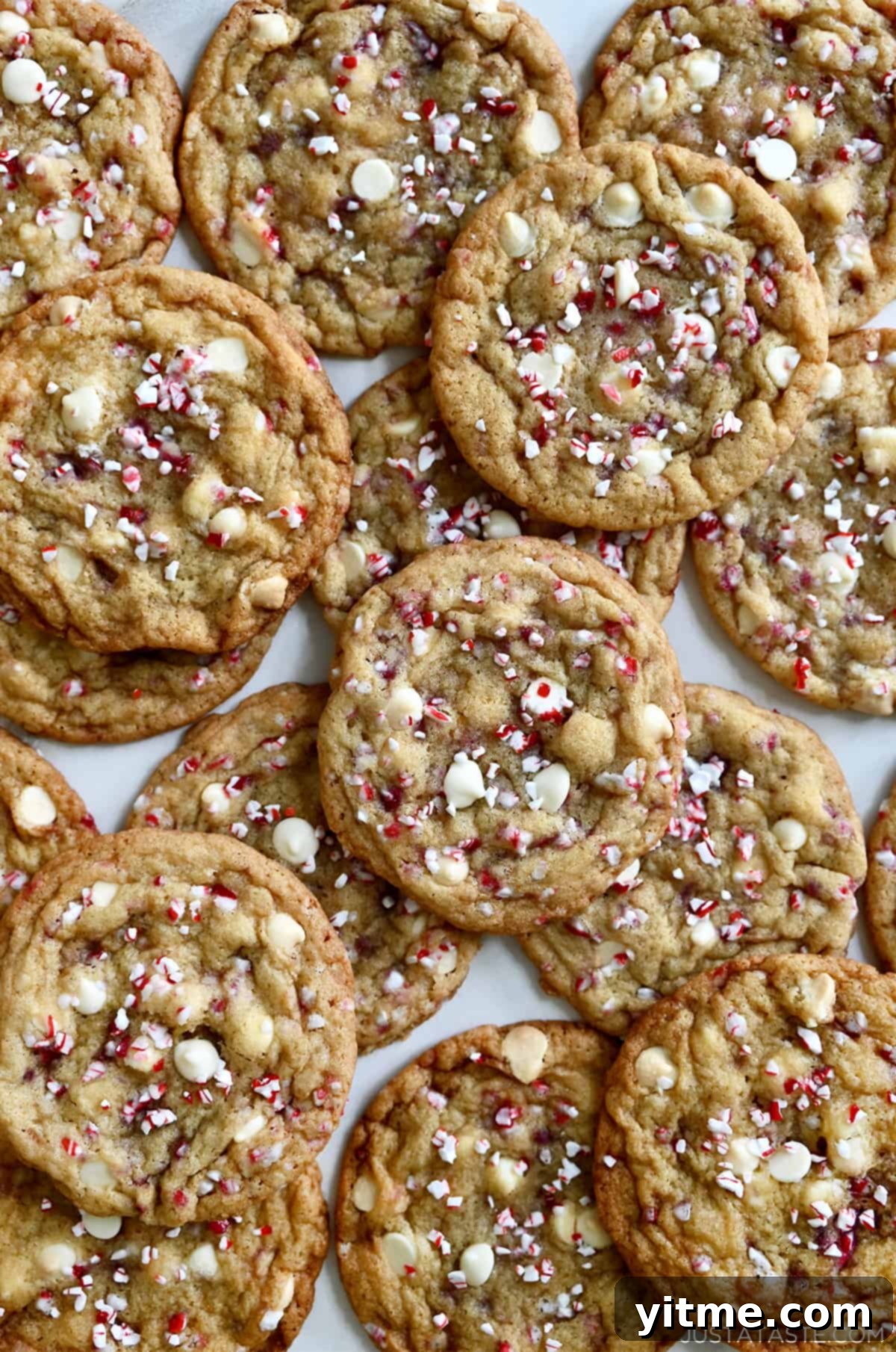
White Chocolate Peppermint Cookies
Marshmallow Christmas Wreaths
Christmas Pinwheel Cookies
Preheat your oven, turn up that Christmas music, and enjoy the sweet smell of cookies filling your kitchen. Happy baking—and even happier eating!
Craving more delicious recipes? Subscribe to Just a Taste to receive new recipes, meal plans, and a newsletter directly in your inbox! Stay connected on Facebook, TikTok, Pinterest, and Instagram for the latest updates and culinary inspiration.