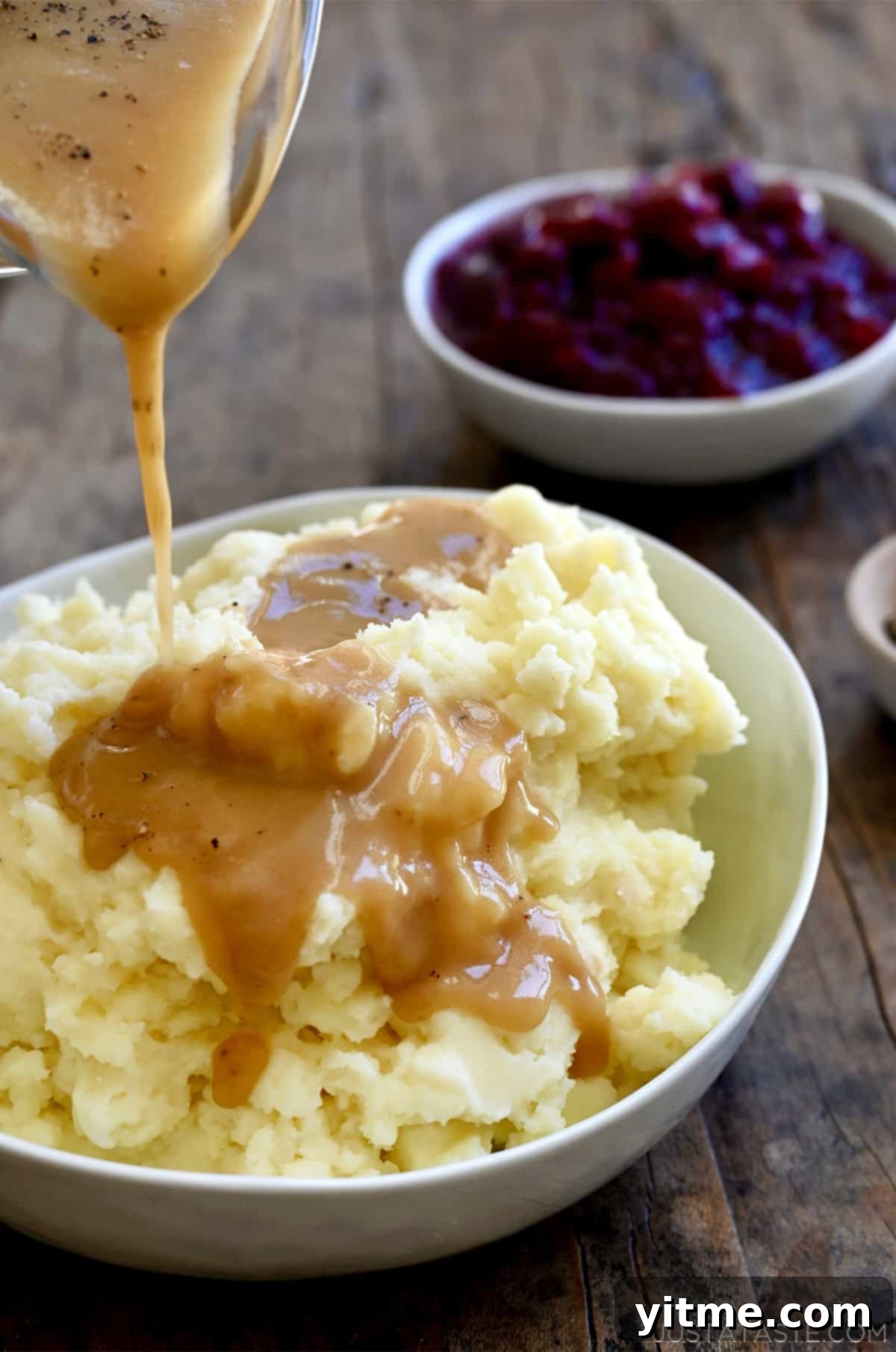
Homemade Gravy Recipe: Easy Steps for Delicious Gravy from Scratch
Discover the secrets to making homemade gravy from scratch, with or without drippings! This simple, easy-to-follow recipe will guide you to create a rich, flavorful gravy that’s far superior to anything you can buy in a store. Get ready to impress your family and friends with this ultimate comfort food.
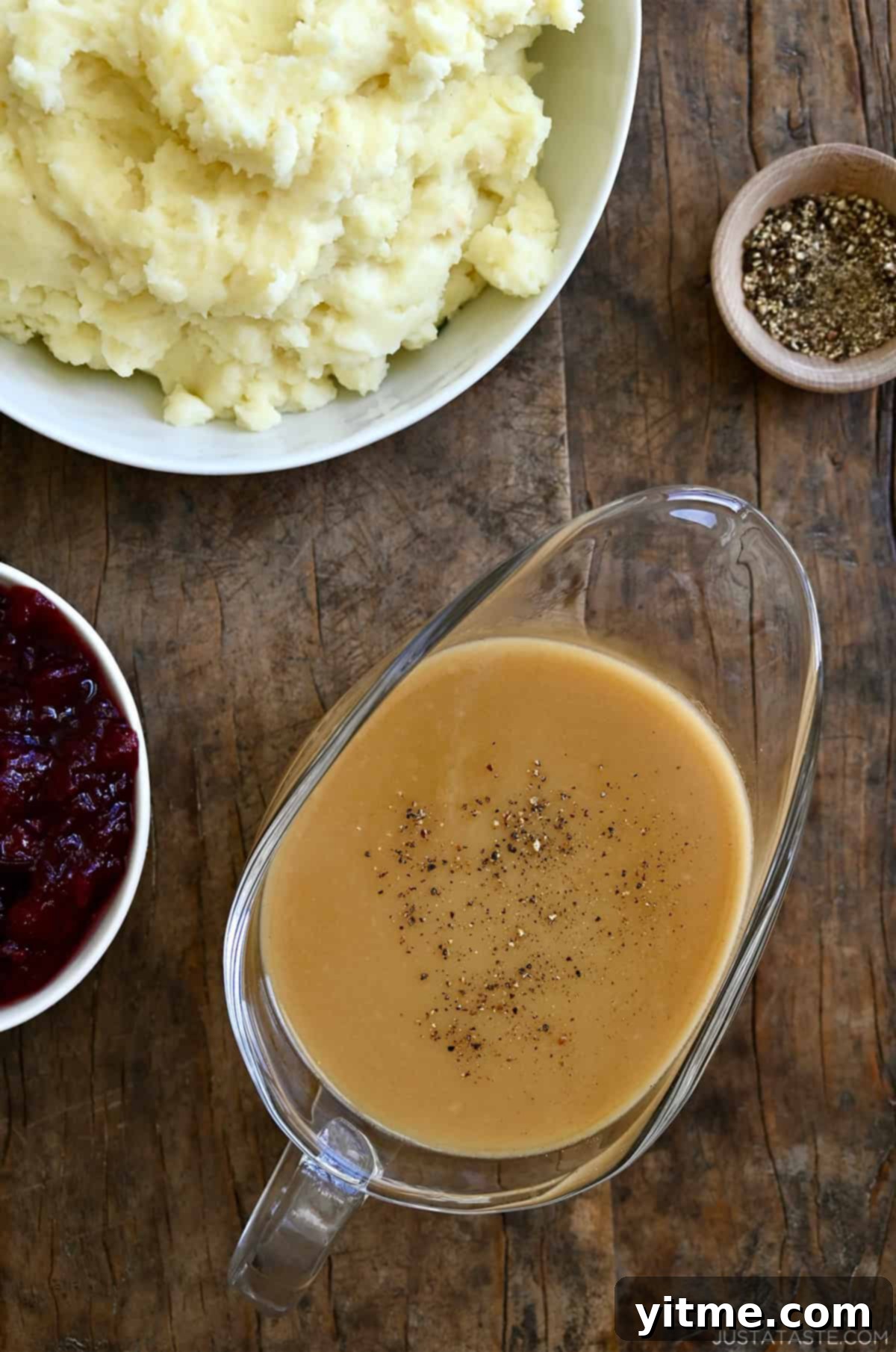
Table of Contents
- Ingredients
- How to Make Homemade Gravy from Scratch
- With Pan Drippings
- Without Pan Drippings
- How to Thicken Gravy
- Make-Ahead and Storage Tips
- What to Serve with Gravy
- Easy Gravy Recipe
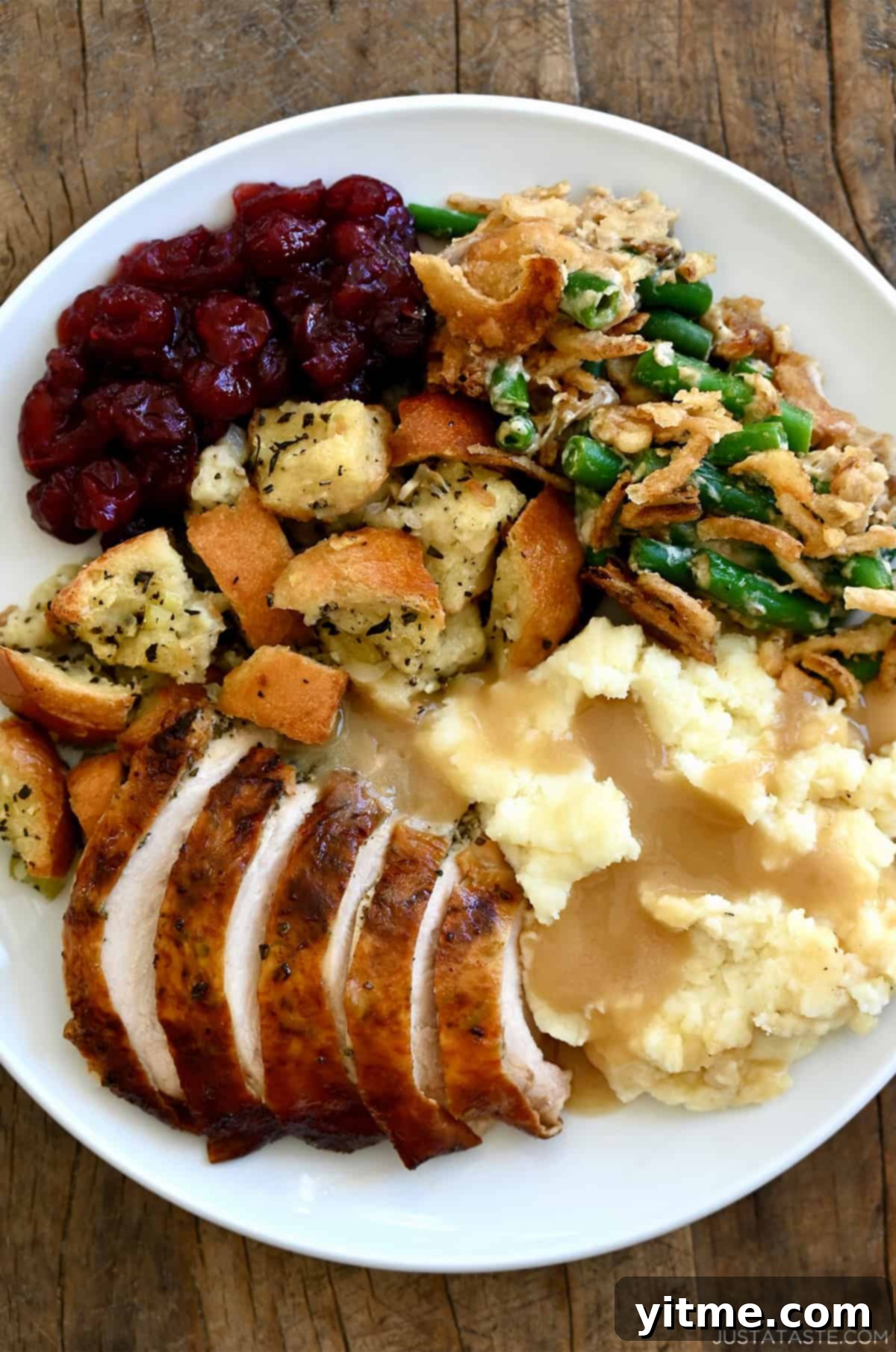
How much do you love gravy on a scale of 1 to 10? For many, it’s an essential part of holiday meals and comfort food. Picture a Thanksgiving plate piled high with cream cheese mashed potatoes, classic stuffing, green bean casserole, orange cranberry sauce, and the star of the show, roasted turkey.
But to truly elevate that plate, everything needs to be generously smothered in easy homemade gravy.
Whether you’re making gravy using delicious pan drippings or taking the convenient no-drippings route, we’ve got you covered. So, grab a whisk (constant whisking is key to achieving silky-smooth gravy!) and let’s transform those rich turkey drippings or simple pantry staples into the ultimate, flavorful sauce for your holiday feast or everyday dinner.
Ingredients for Homemade Gravy
Making homemade gravy from scratch is much simpler than you might think. It fundamentally involves combining a few basic, versatile ingredients:
- Fat (such as pan drippings, butter, or oil): When fat is cooked with flour, it creates a roux – a crucial element for thickening your gravy to the perfect, spoon-coating consistency. The type of fat you use influences the final flavor of your gravy, adding depth and richness.
- Thickener (typically flour or cornstarch): This is the key ingredient that provides your gravy with body and texture, effectively binding everything together. All-purpose flour is a popular choice, blending seamlessly without significantly altering the gravy’s overall flavor. However, cornstarch can be a good gluten-free alternative.
- Liquid (such as stock, broth, wine, or even a splash of milk or cream): The liquid forms the foundation of your gravy, contributing significantly to its overall flavor profile. You can use any type of stock or broth, but it’s best to select one that complements the main dish. For example, use beef stock for red meats, and chicken or turkey stock for poultry, intensifying the harmonious blend of flavors.
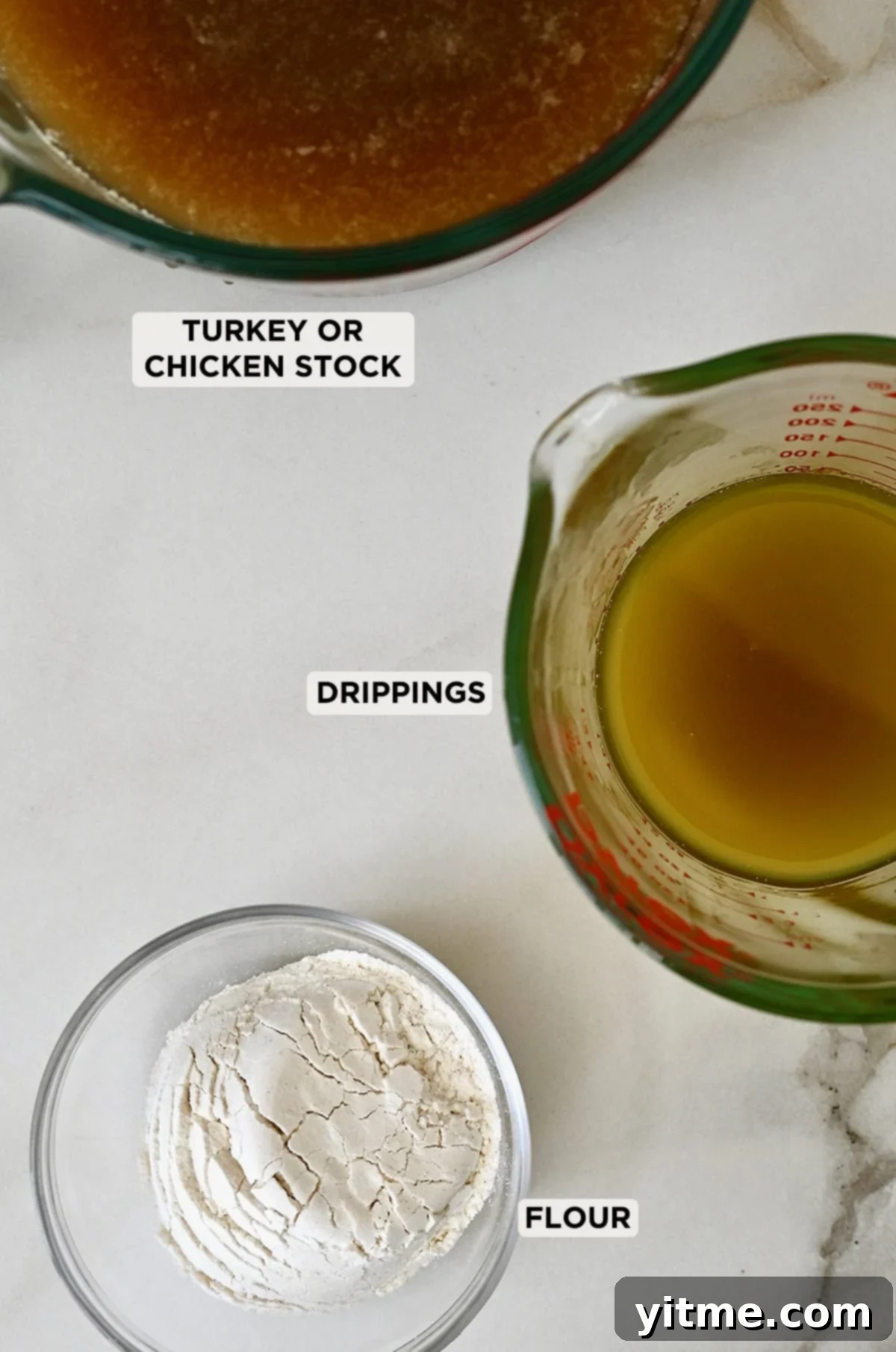
For classic gravy made with drippings, you’ll only need three core ingredients: flavorful turkey drippings (or the drippings from whatever meat you’ve roasted), all-purpose flour, and rich stock.
For delicious gravy without drippings, the flavor is built from a foundation of simple ingredients: butter (or another fat), aromatic shallots, minced garlic, a dash of poultry seasoning for that classic gravy taste, and flavorful stock. Consider adding a splash of dry white wine for an additional layer of nuanced flavor. This version is perfect when you’re not roasting meat or want to create a savory gravy as a standalone side dish.
See the recipe card for detailed information on specific ingredient amounts and quantities.
How to Make the Best Homemade Gravy from Scratch
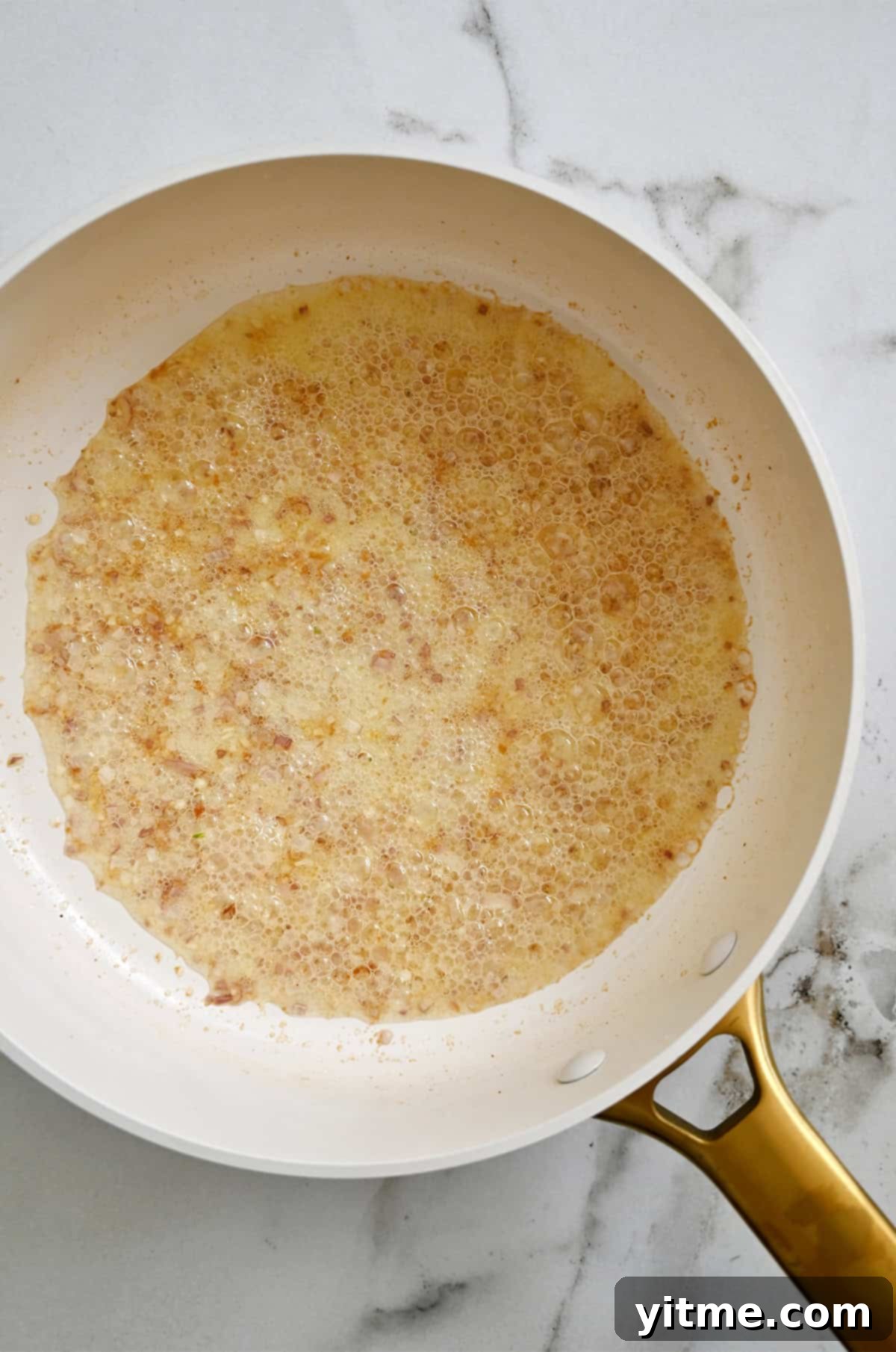
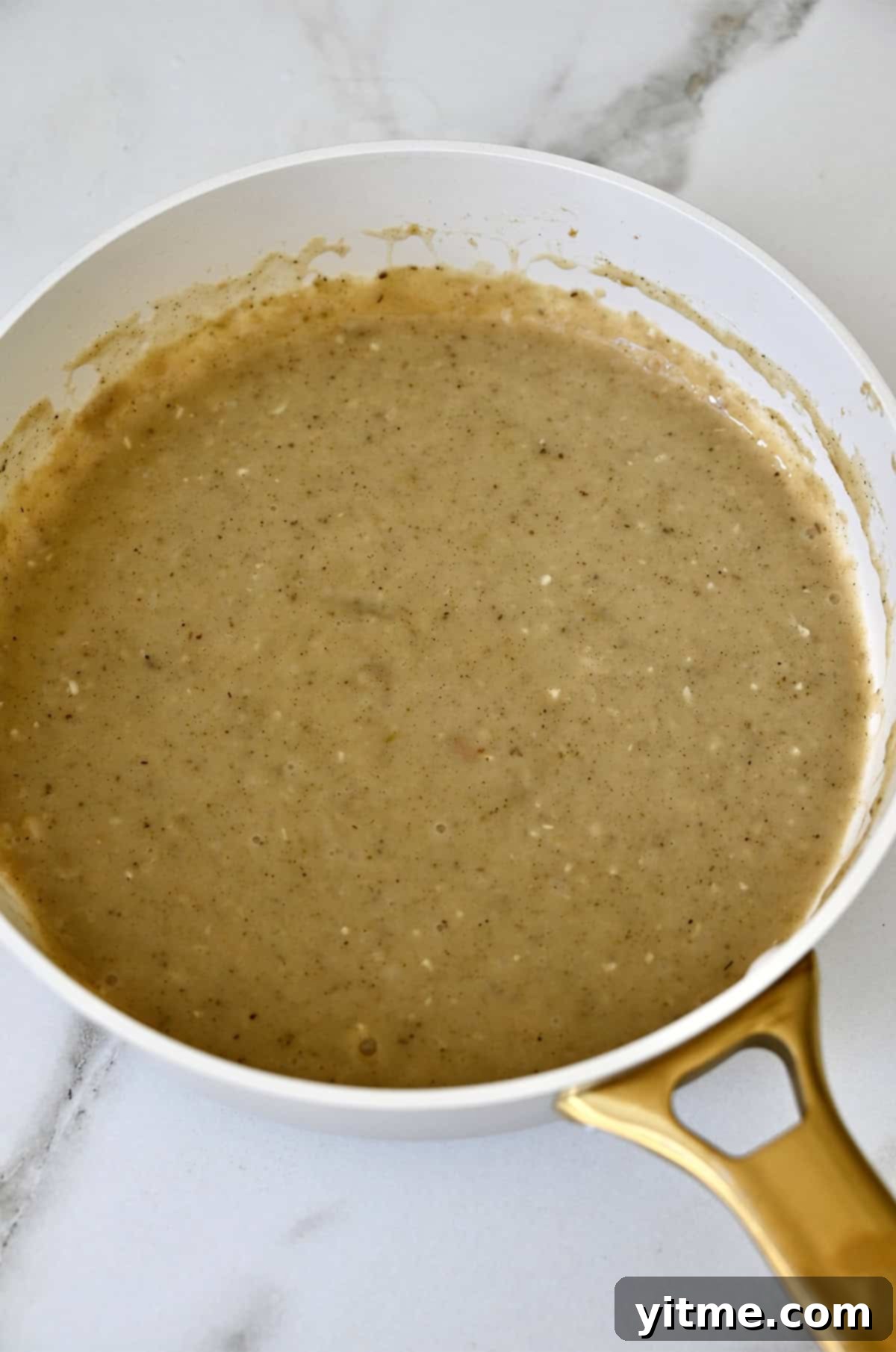
Using flavorful pan drippings results in a rich, deep, savory gravy that’s incredibly satisfying. No drippings available? No problem at all! Gravy made without drippings is equally delicious and convenient, even allowing you to prepare it in advance. Here’s a concise guide on making impeccable homemade gravy in just three simple steps, either using pan drippings or without:
Making Gravy With Pan Drippings
After roasting your choice of meat, carefully skim off about ¼ cup of the flavorful drippings from the pan. Pour off any excess fat that may have accumulated, but be sure to retain some fat. This fat will be essential in building the roux that forms the base of your rich gravy.
- Prepare the roux. Add the reserved drippings to a large skillet set over medium heat. (Pro Tip: If you’re using a roasting pan suitable for stovetop use, you can place it directly over two burners to minimize the number of pans to wash later!) Once the drippings are warm, sprinkle in an equal amount of all-purpose flour and whisk continuously to form a smooth, homogenous paste known as a roux. Let this roux cook, stirring occasionally to prevent burning, until it develops a light golden-brown color and emits a delightfully nutty aroma, typically about 3 minutes. This step is absolutely essential for thickening the gravy properly, so be patient and don’t rush the process!
- Incorporate the liquid. While whisking constantly to maintain a smooth texture, slowly stream in approximately 1 cup of the chosen stock, ensuring it is thoroughly incorporated into the roux mixture. Once the mixture becomes smooth and free of lumps, continue slowly whisking in the remaining 2 cups of stock, maintaining a consistent and smooth consistency.
- Simmer and season. Allow the gravy to gently simmer, whisking occasionally to prevent sticking or scorching, for approximately 5 to 7 minutes, or until it thickens sufficiently to coat the back of a spoon with a velvety layer. Taste the gravy and season generously with salt and freshly ground black pepper as needed to enhance the flavors, then serve immediately and enjoy!
Making Gravy Without Pan Drippings
- Start with butter and aromatics. Melt butter (or your preferred fat of choice) in a skillet over medium heat until it shimmers and is fully melted. Add the minced garlic and shallots to the melted butter and cook, stirring frequently to prevent burning, until the garlic turns a beautiful golden brown color and the shallots soften and become translucent, typically about 3 minutes. This infuses the butter with a delightful aromatic base for the gravy.
- Create a roux by sprinkling in an equal amount of flour, and whisking until smooth. Sprinkle an equal amount of all-purpose flour into the skillet with the butter and aromatics, then whisk vigorously and continuously until a smooth, homogenous mixture (a roux) forms. Continue cooking this roux, whisking occasionally to prevent sticking and ensure even browning, until it develops a toasted aroma and a pale golden color, usually about 3 minutes.
- Add liquid and season. Whisk in approximately ¼ cup of dry white wine (or water as a substitute), carefully scraping up any flavorful brown bits that may have accumulated on the bottom of the pan during cooking. These browned bits (fond) add depth and complexity to the gravy’s flavor profile. Then, whisk in the poultry seasoning to impart that classic, savory gravy flavor. Slowly whisk in 3 cups of the chosen stock, bringing the gravy to a gentle simmer. Let the gravy cook, whisking occasionally to prevent sticking and ensure even thickening, until it thickens to your desired consistency. Taste the gravy and season generously with salt, freshly ground black pepper, and any other spices or herbs as desired to customize the flavor to your preferences.
Pro Tip: Elevate your gravy made without drippings by incorporating fresh herbs such as finely chopped parsley, thyme, and sage for a bright, herbaceous flavor. A sprinkle of onion powder, garlic powder, or a dash of soy sauce can also significantly enhance the overall flavor profile of the gravy!
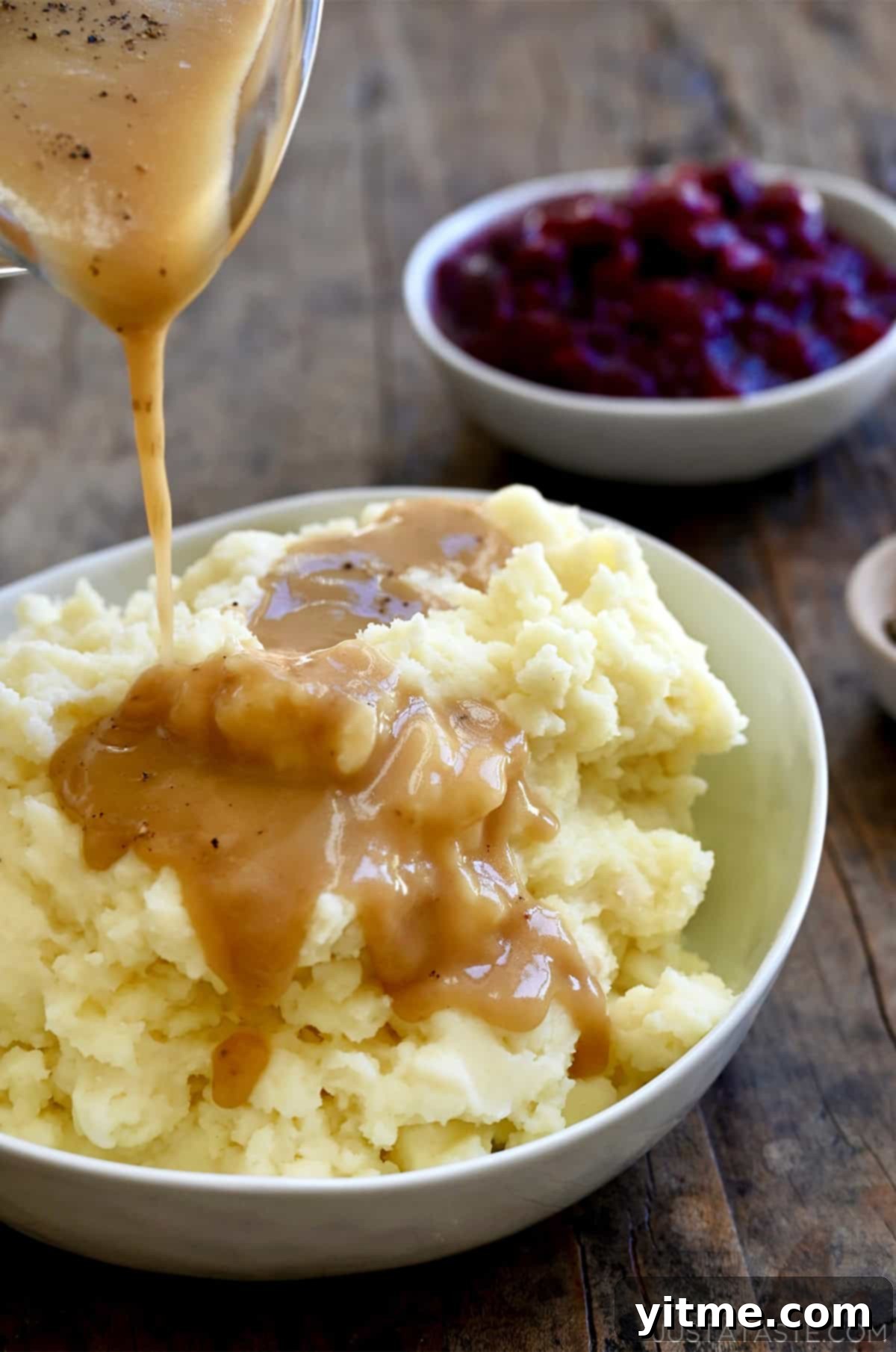
- Gravy is too thick? Whisk in a bit more stock, 1 tablespoon at a time, until you reach the right consistency.
- Lumpy gravy? Don’t panic! You can strain it through a fine-mesh sieve for a smooth finish, or give it a quick blitz in your blender.
How to Thicken Gravy: Easy Solutions
If your homemade gravy isn’t quite reaching that perfect, velvety texture that you desire, don’t worry! There are several easy and effective methods to thicken it up and achieve the ideal consistency.
- Adjusting the roux: The key to a luxuriously thick gravy lies in creating a properly developed roux. If your gravy isn’t as thick as you’d like, you can easily remedy this by making a quick roux in a separate saucepan. Melt 1 tablespoon of butter in the saucepan, then whisk in 1 tablespoon of all-purpose flour until it forms a smooth paste and turns golden brown. Slowly whisk this newly made roux into your simmering gravy, allowing it to thicken gradually until it reaches your preferred consistency.
- Using cornstarch: For a rapid thickening solution, mix 1 tablespoon of cornstarch with 1 tablespoon of cold water in a small bowl to create a smooth slurry. Whisk this cornstarch slurry into your simmering gravy a little at a time, ensuring it’s fully incorporated. Be cautious not to use too much cornstarch at once, as it can cause your gravy to turn into a gelatinous consistency. Allow the gravy to thicken gradually as the cornstarch cooks.
- Simmering: In many cases, a gravy that appears too thin simply needs more time simmering on the stovetop. Simply allow the gravy to simmer uncovered for a bit longer, stirring occasionally, which allows excess liquid to evaporate and the gravy to concentrate and thicken naturally.
Pro Tip: Keep in mind that gravy will continue to thicken as it cools, so aim for a slightly thinner consistency than your desired final product if you’re planning to make it ahead of time or serve it later. This will prevent the gravy from becoming overly thick and unappetizing as it sits.
Make-Ahead and Storage Tips for Gravy
Making gravy ahead of time is a great way to simplify your holiday meal preparation or streamline any dinner service. Plus, make-ahead gravy tastes just as delicious, or even more so, than gravy made at the last minute!
- Make-ahead: You can prepare homemade gravy up to 2 days in advance of when you plan to serve it. Simply prepare the gravy according to your chosen recipe, let it cool completely at room temperature, then store it in an airtight container in the refrigerator to maintain its freshness. When you’re ready to serve, reheat the gravy gently over medium-low heat on the stovetop, whisking occasionally to ensure it returns to a smooth, consistent texture. Pro Tip: To enhance the flavor of your make-ahead gravy, whisk in a small amount of reserved turkey pan drippings (or drippings from other roasted meats) as it reheats, adding a richer, more savory dimension.
- Leftovers: If you happen to have leftover gravy after your meal, store it promptly in the refrigerator to prevent spoilage. Transfer the leftover gravy to a covered container or wrap it tightly in plastic wrap to keep it fresh, and store it in the refrigerator for up to 4 days. When you’re ready to enjoy it again, reheat the gravy gently on the stovetop over low heat, whisking frequently to restore its smooth and creamy consistency.
- Freezer: Yes, you can absolutely freeze this flour-based homemade gravy for longer storage! Simply pour the cooled gravy into a zippered freezer bag, pressing out as much air as possible to prevent freezer burn, or into an airtight freezer-safe container to maintain its quality. Seal the container tightly and freeze the gravy for up to 3 months. When you’re ready to use the frozen gravy, thaw it overnight in the refrigerator for best results, or you can thaw it slowly in a saucepan over medium-low heat on the stovetop. Be aware that you may need to add a small amount of extra stock or water to the gravy as it reheats to achieve the desired consistency after freezing and thawing.
What to Serve with Gravy: Delicious Pairings
While gravy is a traditional accompaniment to Thanksgiving and holiday feasts, its versatility extends far beyond those special occasions! Here are a few of my favorite classic and creative dishes that pair exceptionally well with rich and flavorful gravy:
- Mashed potatoes – The quintessential gravy vehicle! Creamy mashed potatoes are the perfect canvas for soaking up every last drop of delicious gravy.
- Cheddar biscuits – Warm, flaky cheddar biscuits are fantastic for dipping into gravy or for building savory biscuit sandwiches.
- Turkey sliders with Hawaiian rolls – Elevate your turkey sliders by drizzling them with gravy for an extra layer of flavor and moisture.
- Fried mashed potato balls – Crispy fried mashed potato balls become even more irresistible when served with a generous ladle of warm gravy.
- Classic roasted chicken – Drizzle gravy over slices of roast chicken for a comforting and flavorful meal.
- Roast beef – Gravy is a natural complement to tender slices of roast beef, adding richness and depth of flavor to the dish.
- Crispy air fryer chicken nuggets – Take your air fryer chicken nuggets to the next level by serving them with gravy for dipping.
- Stuffed Acorn Squash – Roasted acorn squash filled with a savory stuffing and topped with a drizzle of gravy for a fall-inspired twist. The sweetness of the squash pairs beautifully with the savory gravy.
- Leftover stuffing waffles – Transform leftover stuffing into crispy waffles and serve them with gravy for a unique and satisfying dish.
- Gravy-topped breakfast bowls – Think scrambled eggs, roasted potatoes, and sausage all topped with a generous ladle of gravy for a savory twist on breakfast. This is a hearty and flavorful way to start the day!
Now that you’ve mastered all the essential tips, tricks, and inspiration for crafting the best homemade gravy, it’s time to bring it to the table and share your culinary creation! And if you’re in the midst of planning your complete holiday spread, be sure to explore my other Thanksgiving recipes for even more delicious and innovative ideas to impress your guests.
Craving more culinary inspiration? Subscribe to Just a Taste to receive new recipes, convenient meal plans, and a curated newsletter delivered directly to your inbox! And stay connected and up-to-date on all the latest cooking trends, tips, and recipe releases by following Just a Taste on Facebook, TikTok, Pinterest, and Instagram. Don’t miss out on the delicious journey – join the community today!