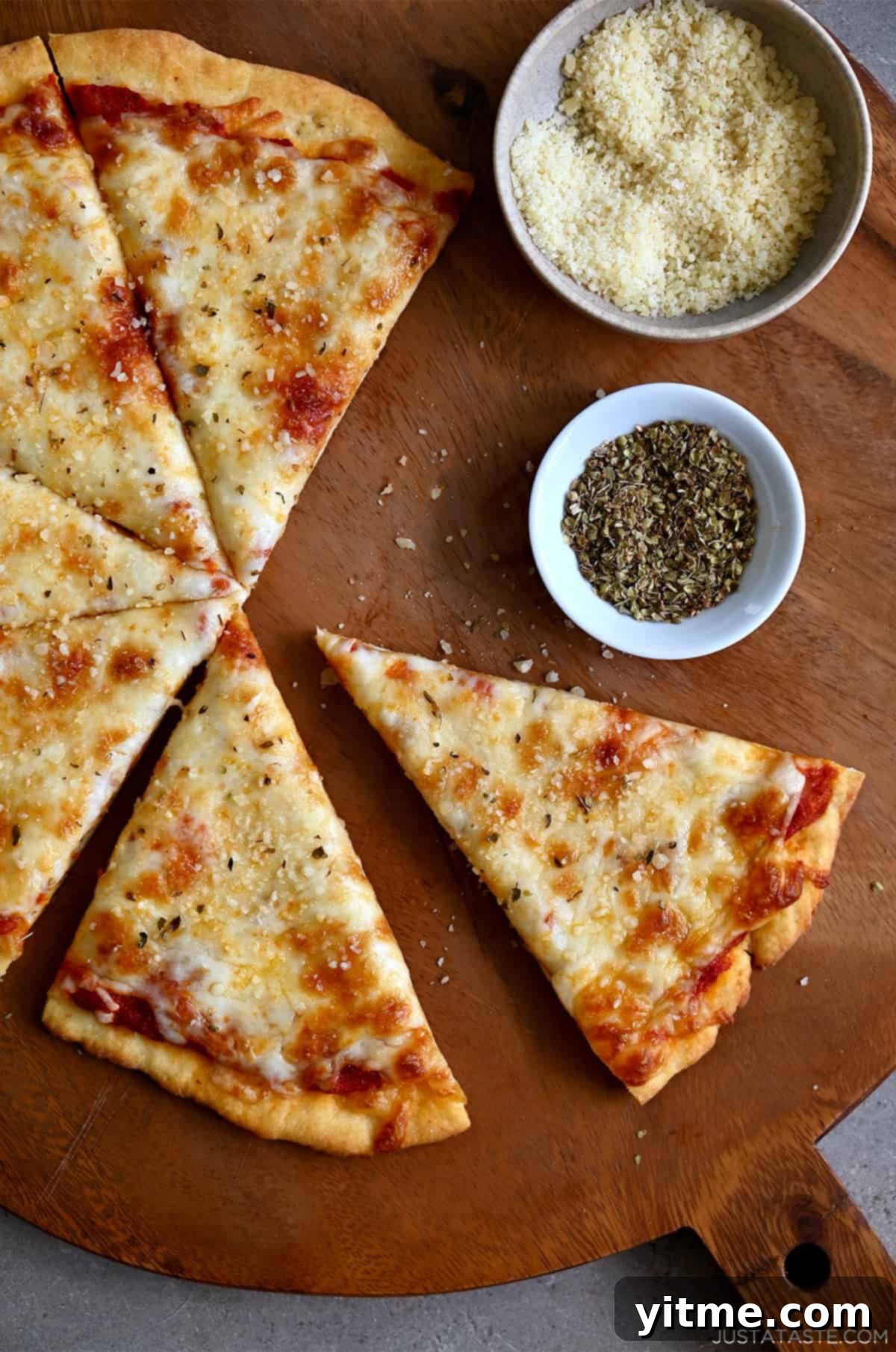
Cottage Cheese Pizza Crust: High-Protein, Easy Recipe
This cottage cheese pizza crust is a fantastic high-protein, no-yeast alternative that’s surprisingly soft, wonderfully chewy, delightfully crispy, and downright delicious! Crafted with just four simple ingredients, this easy pizza dough provides the ultimate base for showcasing all your favorite pizza toppings. Say goodbye to traditional dough and hello to a healthier, protein-packed pizza night.
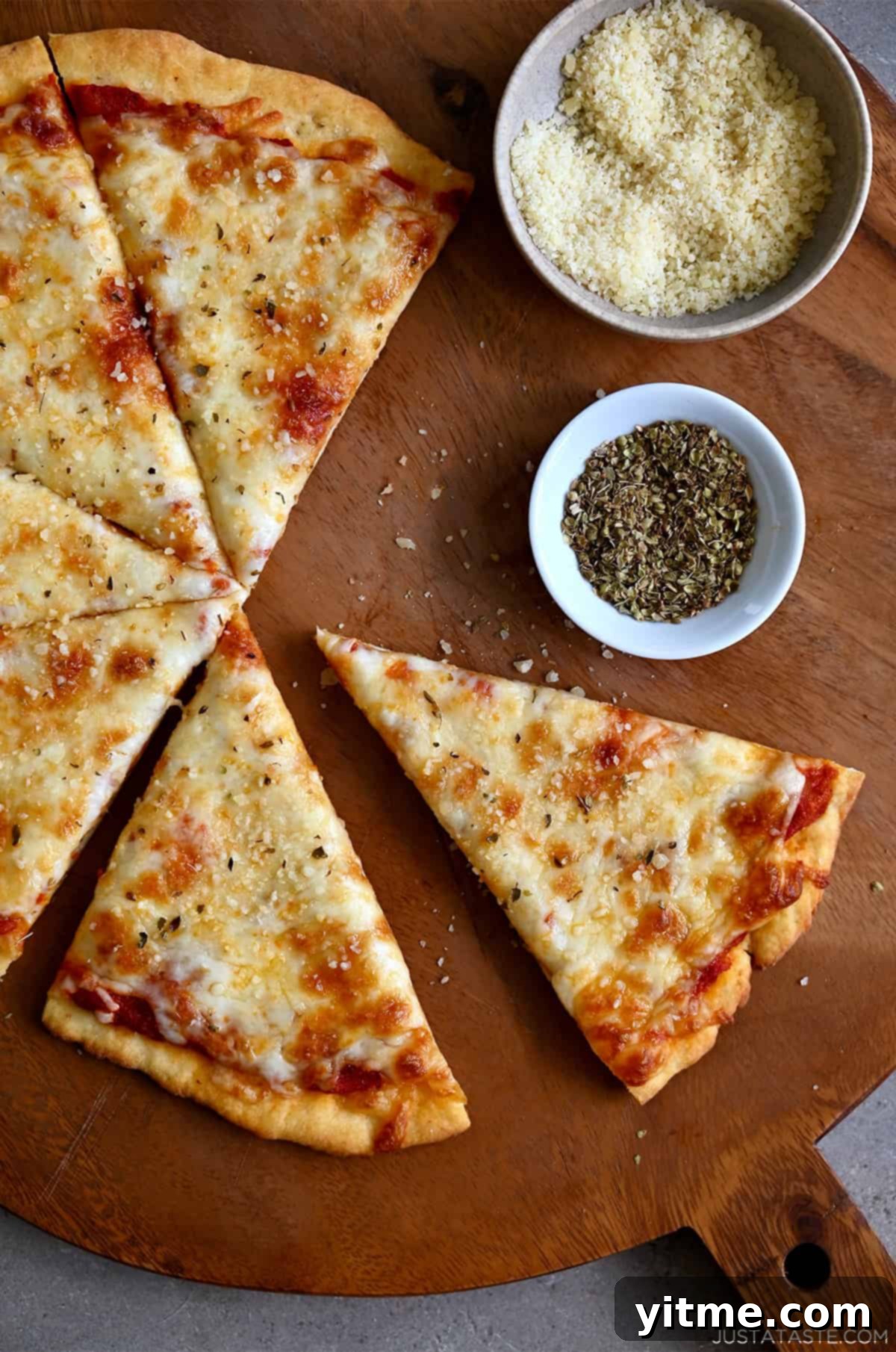
Crispy, Chewy, and Packed with Protein
Cottage cheese is experiencing a well-deserved surge in popularity, and I am absolutely embracing it! Beyond adding moisture and richness to baked goods, it also delivers a significant protein boost. For years, I’ve been incorporating it into various recipes, ranging from fruit smoothies to pizza dip. Therefore, it was only natural that it would eventually find its way into my pizza crust.
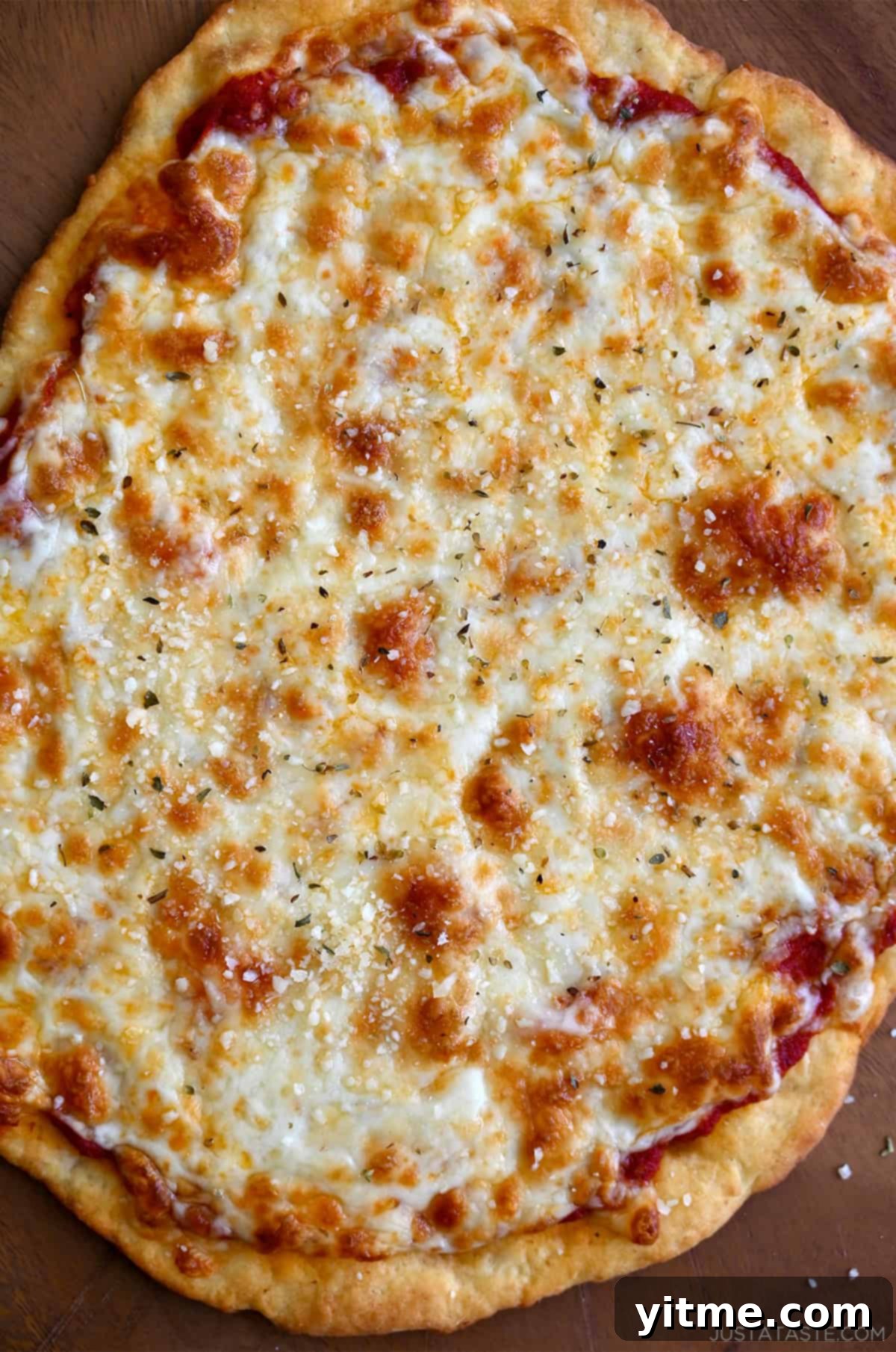
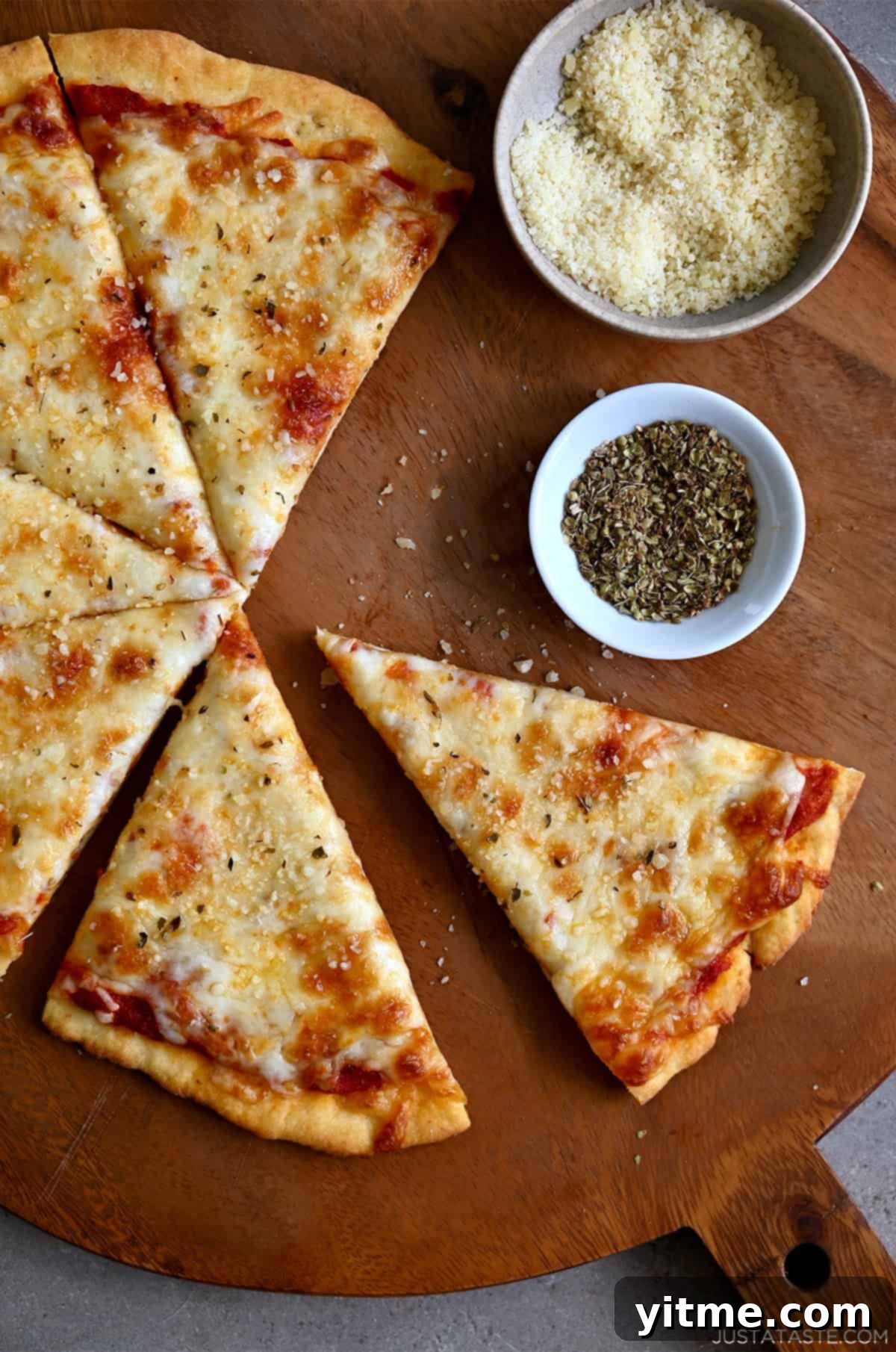
That’s right – this cottage cheese pizza crust isn’t your run-of-the-mill dough. It’s soft, pleasantly chewy, and incredibly high in protein (a whopping 37g per serving!), all thanks to the blended cottage cheese. But don’t let the healthy aspect mislead you; this crust bakes to a beautiful golden brown with wonderfully crisp edges and boasts the sturdiness to support all your cherished pizza toppings. I must confess, I might even prefer this crust over traditional pizza dough!
Whether you’re seeking a high-protein pizza crust alternative or simply a novel approach to elevate your pizza night, this recipe delivers exceptionally. And the best part? It comes together in mere minutes – no yeast, no proofing, just mix, roll, and bake! It’s the perfect solution for a quick, healthy, and satisfying meal.
Essential Ingredients
The foundation of this cottage cheese pizza dough requires only four simple, readily available ingredients:
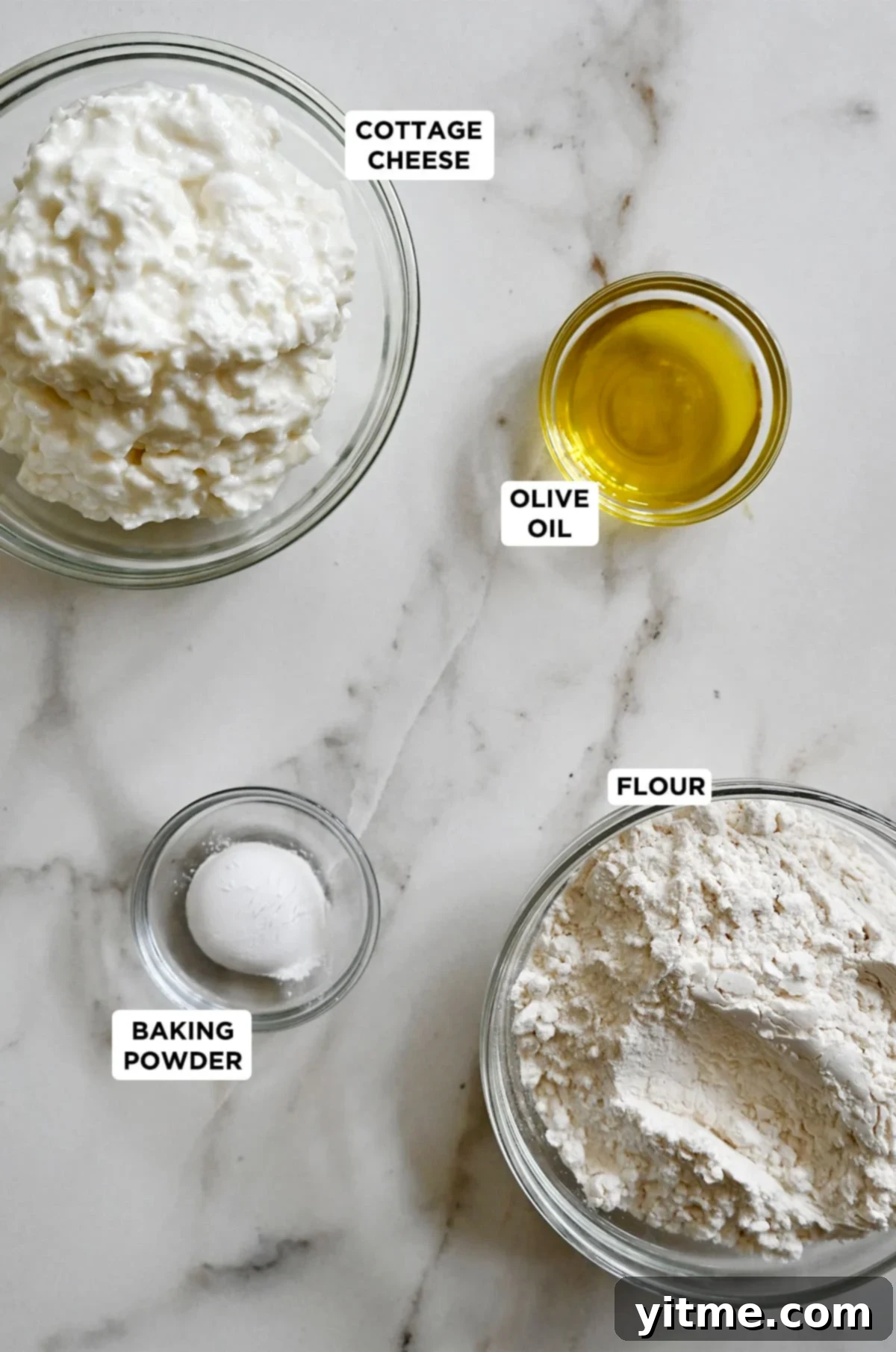
- Cottage cheese: I opted for full-fat cottage cheese, but low-fat versions work equally well. Since we’ll be blending the cottage cheese, the curd size (large or small) is inconsequential.
- All-purpose flour: To keep things uncomplicated, I used dependable all-purpose flour, a pantry staple for most home cooks. If you want a lighter crust consider using bread flour.
- Baking powder: This leavening agent aids the dough in rising during baking, resulting in a lighter, fluffier crust. Ensure your baking powder is fresh for optimal results.
- Olive oil: Brushing a light coating of olive oil onto the pizza dough before baking serves dual purposes: it prevents scorching and promotes a crisp, flavorful crust. Extra virgin olive oil is recommended for it’s rich flavor.
- Seasonings: I maintained a classic approach with a touch of salt, but feel free to personalize the flavor by incorporating a pinch of garlic powder or Italian seasoning. Experiment with different herbs and spices to create your own signature crust.
- Toppings: This versatile crust can handle a wide array of toppings, from pepperoni to roasted vegetables, and of course, an ample amount of mozzarella (the quintessential pizza cheese!) for that irresistible cheese pull. If you have an extra 10 minutes, consider whipping up my homemade marinara sauce for a perfectly tangy base. Fresh basil leaves add brightness when the pizza comes out of the oven.
For complete details on ingredients and measurements, please refer to the recipe card below.
How to Make Cottage Cheese Pizza Crust
Follow these simple steps to create your own delicious cottage cheese pizza crust:
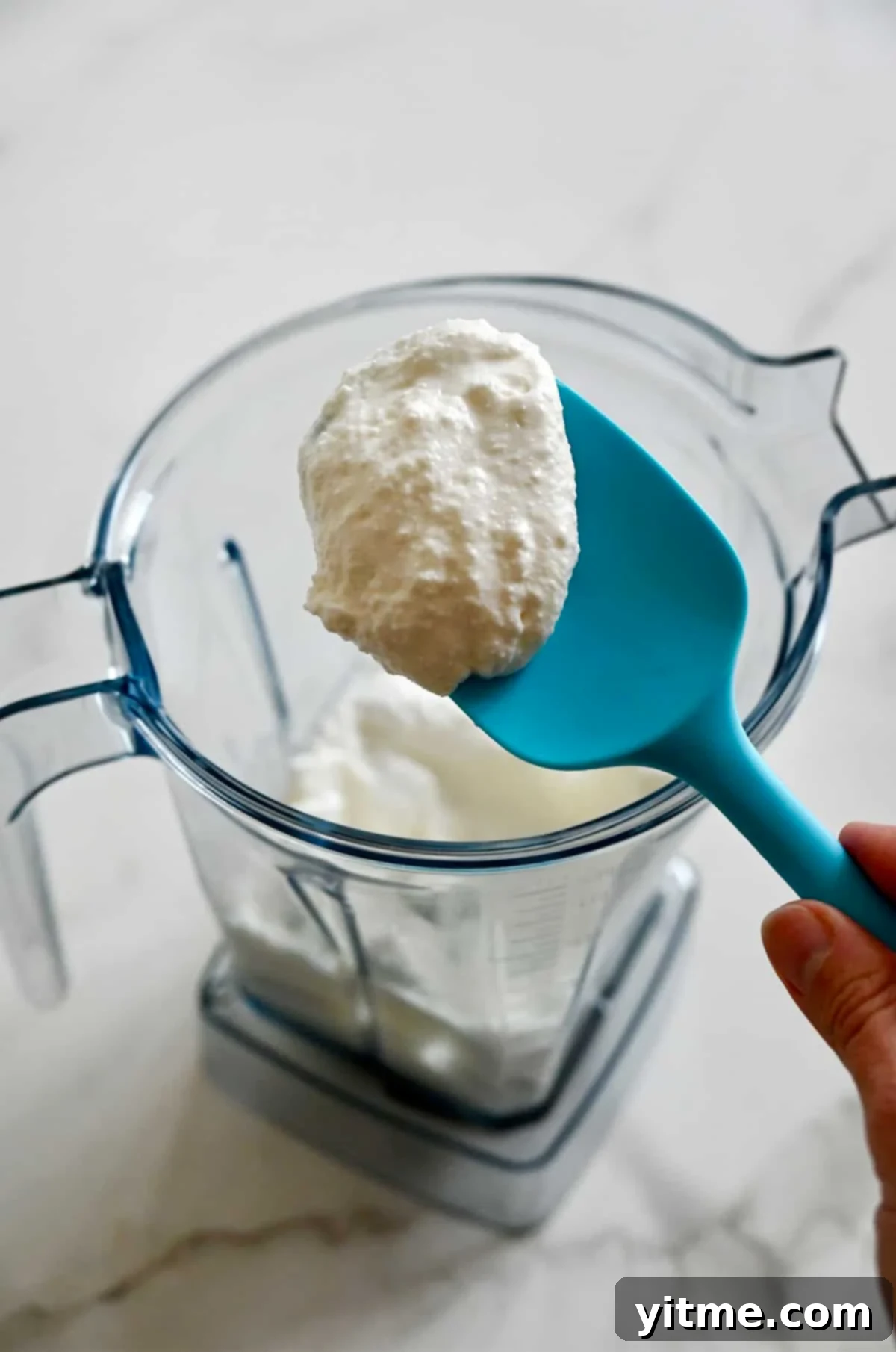
- Blend the cottage cheese until smooth. If you’re using small-curd cottage cheese, you can skip this step, but note that your crust might have a slightly gummy texture. Using a high speed blender or food processor helps achieve the perfect smooth consistency.
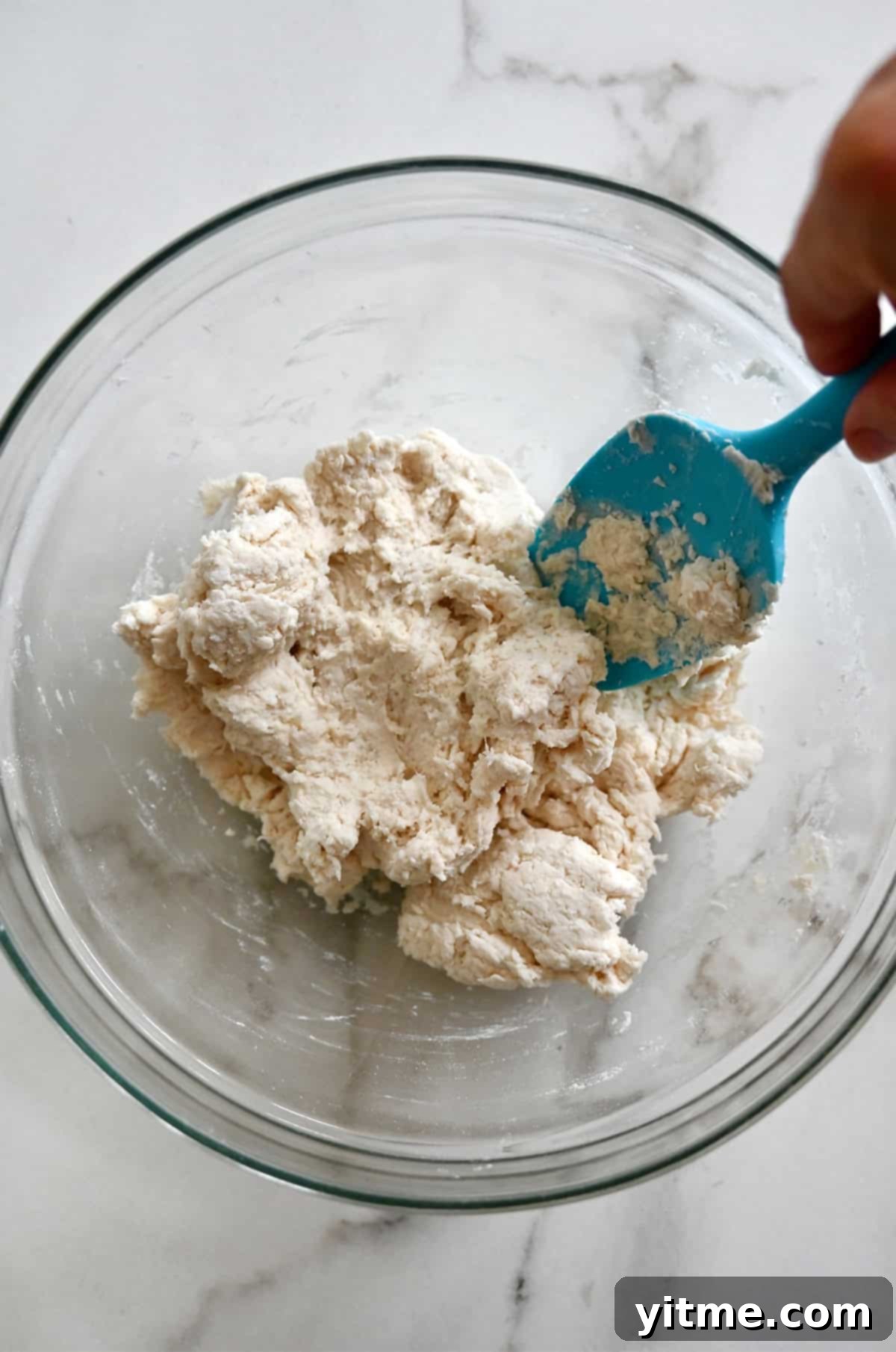
- Form the dough. In a bowl, combine the blended cottage cheese, flour, baking powder, and a pinch of salt (about ¼ teaspoon). Mix until a shaggy dough forms. Avoid over mixing to keep the crust tender.
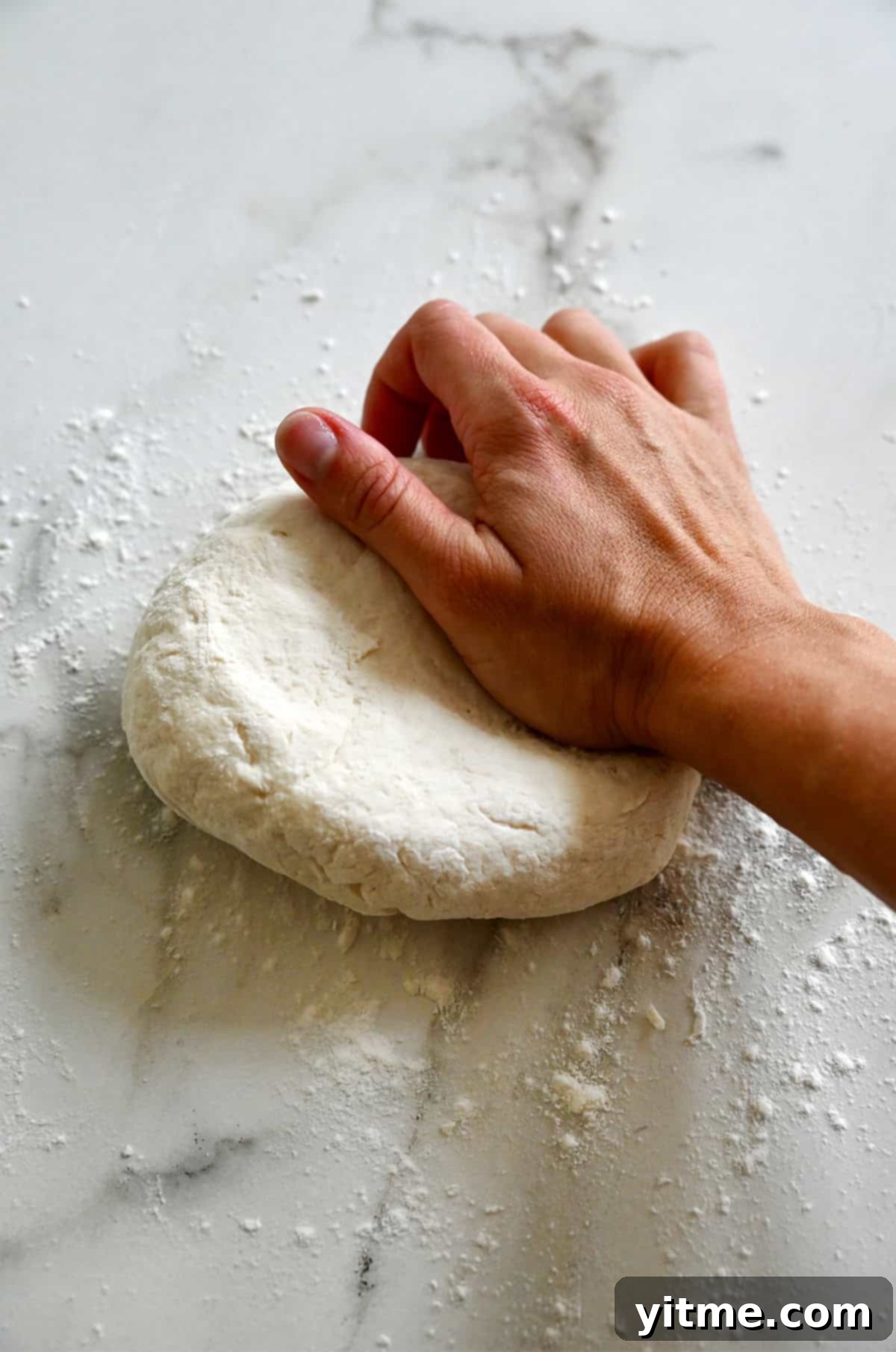
- Knead the dough. Lightly flour your work surface. Knead the dough 5-6 times, until it’s smooth. Be careful not to overwork the dough; it should remain slightly tacky.
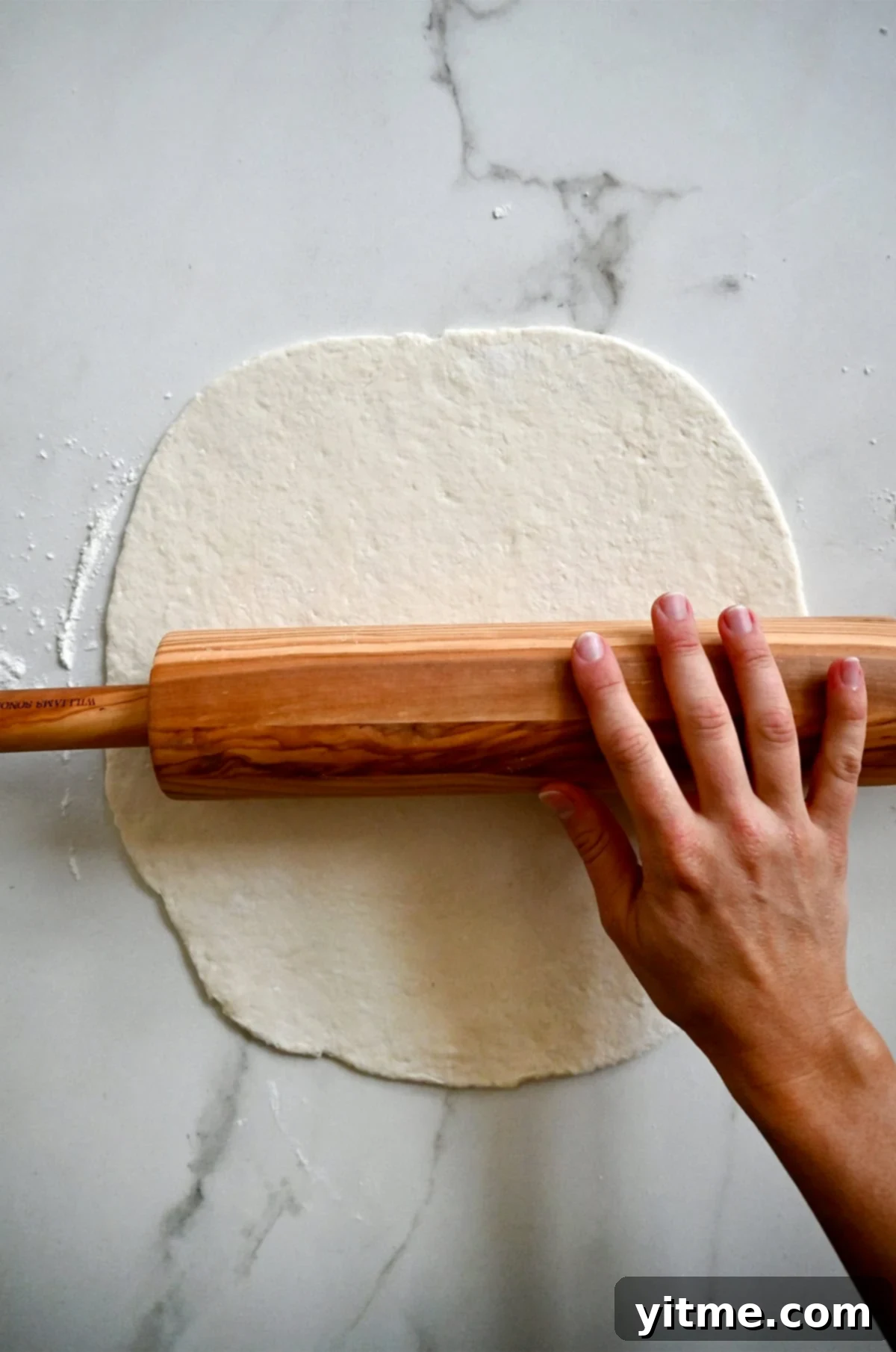
- Roll it out. The thinner you roll the dough, the crispier the final crust will be, while a thicker dough will yield a chewier result. I prefer a thickness of about ½ inch for a good balance of chewiness and crispness. Transfer to a pizza stone for best results.
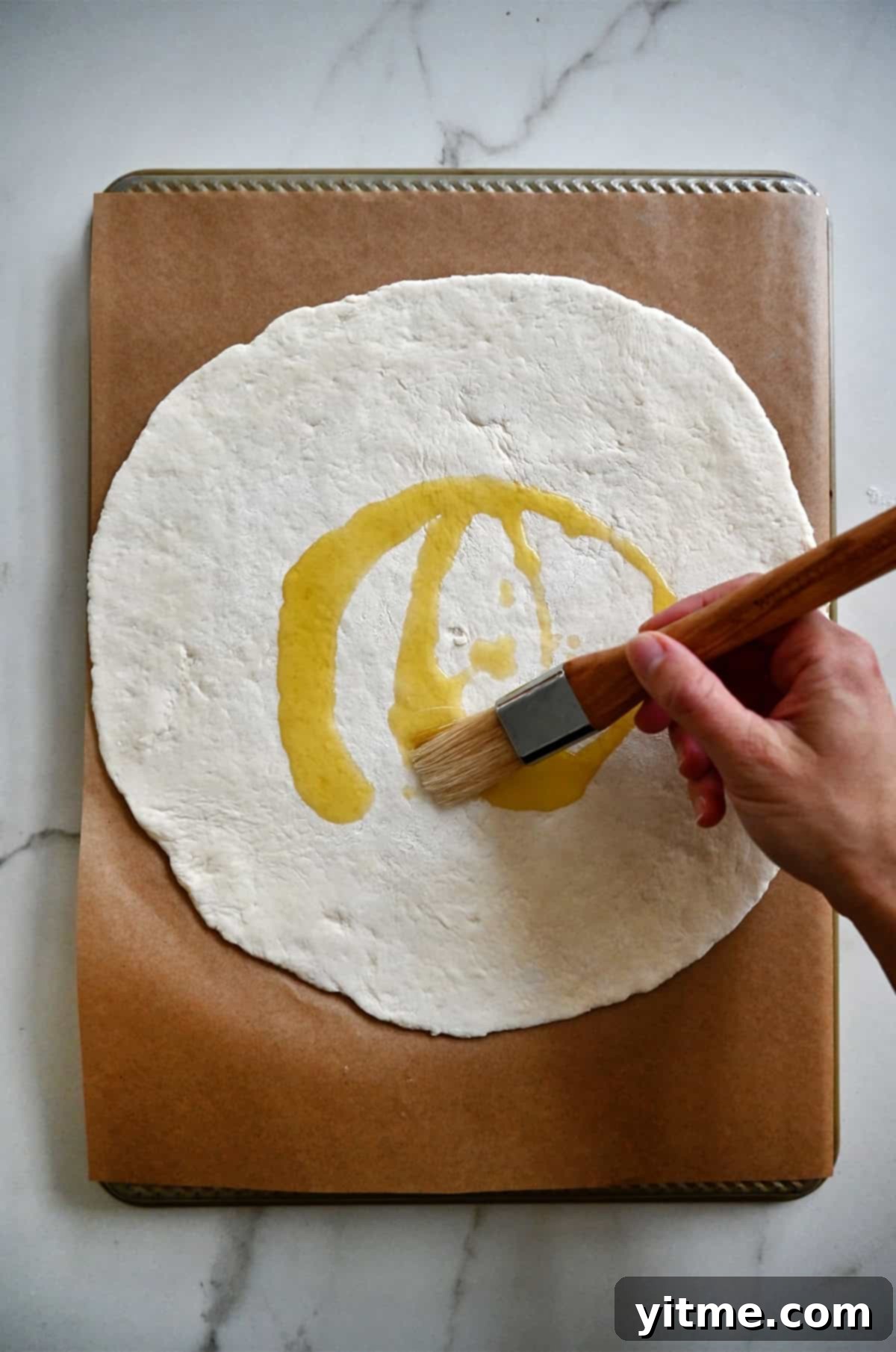
- Brush with olive oil. This step helps the crust develop a golden-brown color and a crisper texture as it bakes. Consider adding garlic powder to the oil for enhanced flavor.
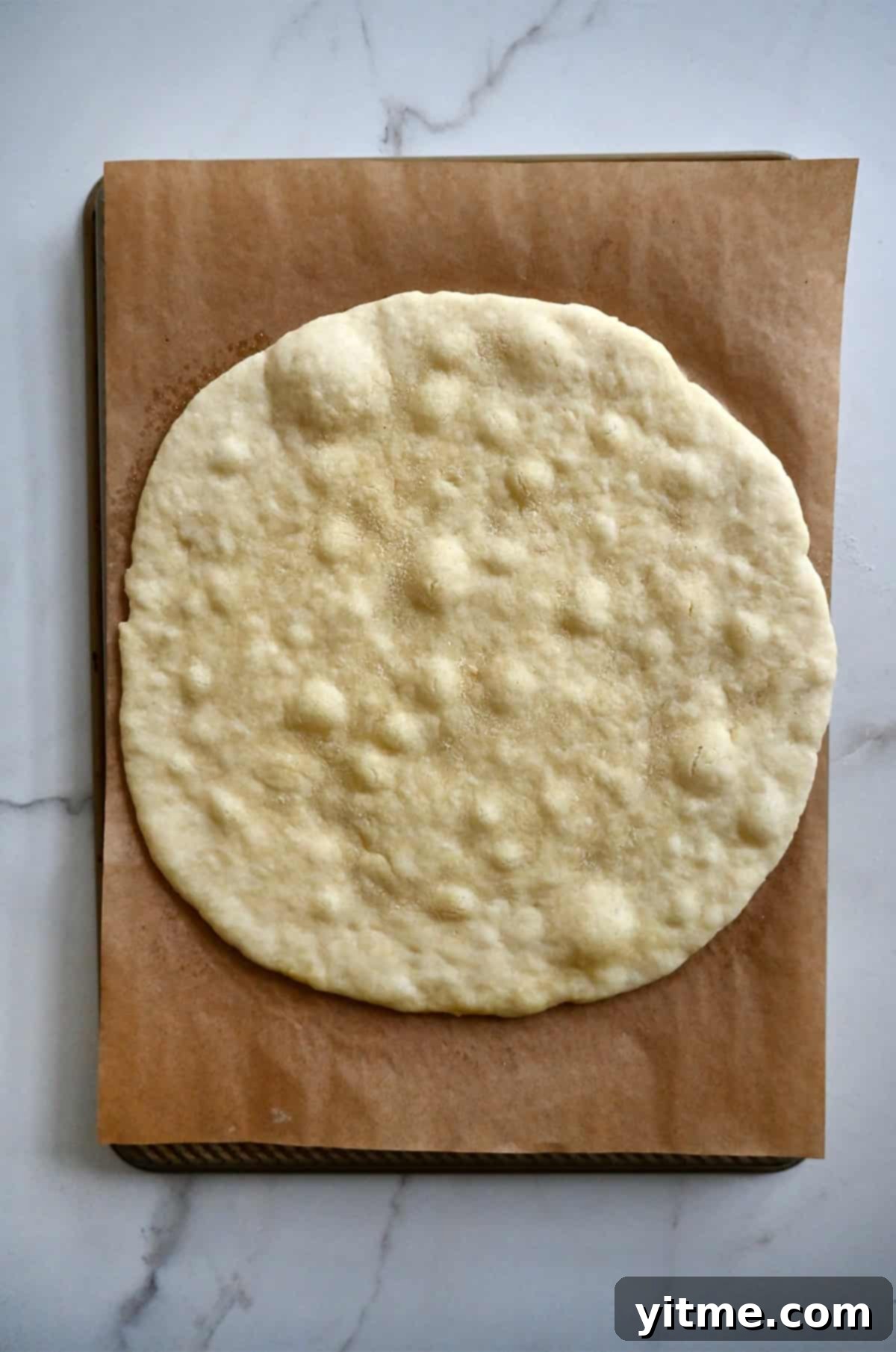
- Pre-bake the crust. Partially baking the crust ensures it’s sturdy enough to hold all your toppings and helps prevent a soggy bottom. A crispy crust requires a pre-bake.
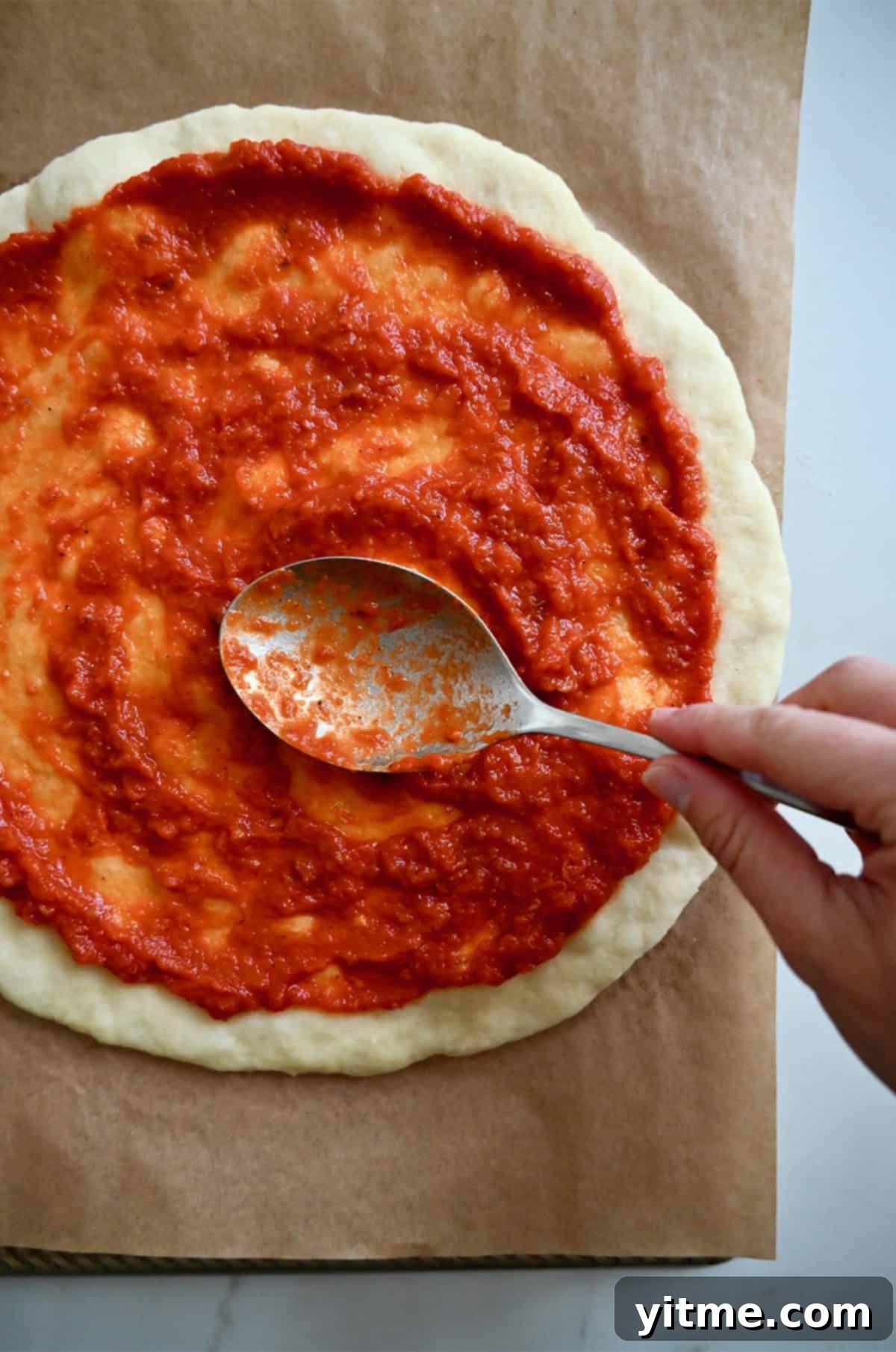
- Add your pizza sauce. I use the back of a spoon to spread it evenly over the pre-baked crust, leaving a small border for those perfect crispy edges. A generous layer of pizza sauce helps create a good moisture base for the cheese.
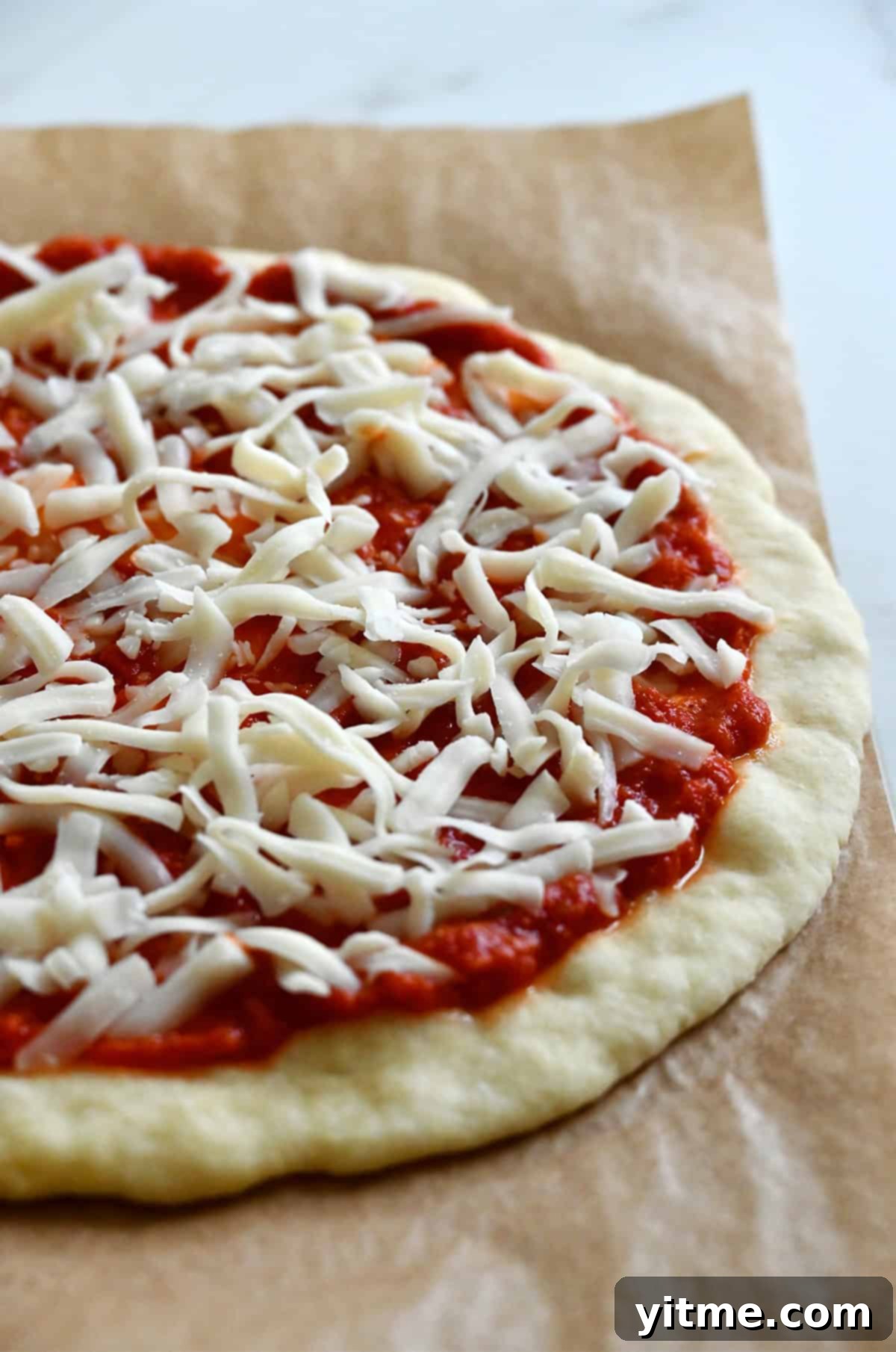
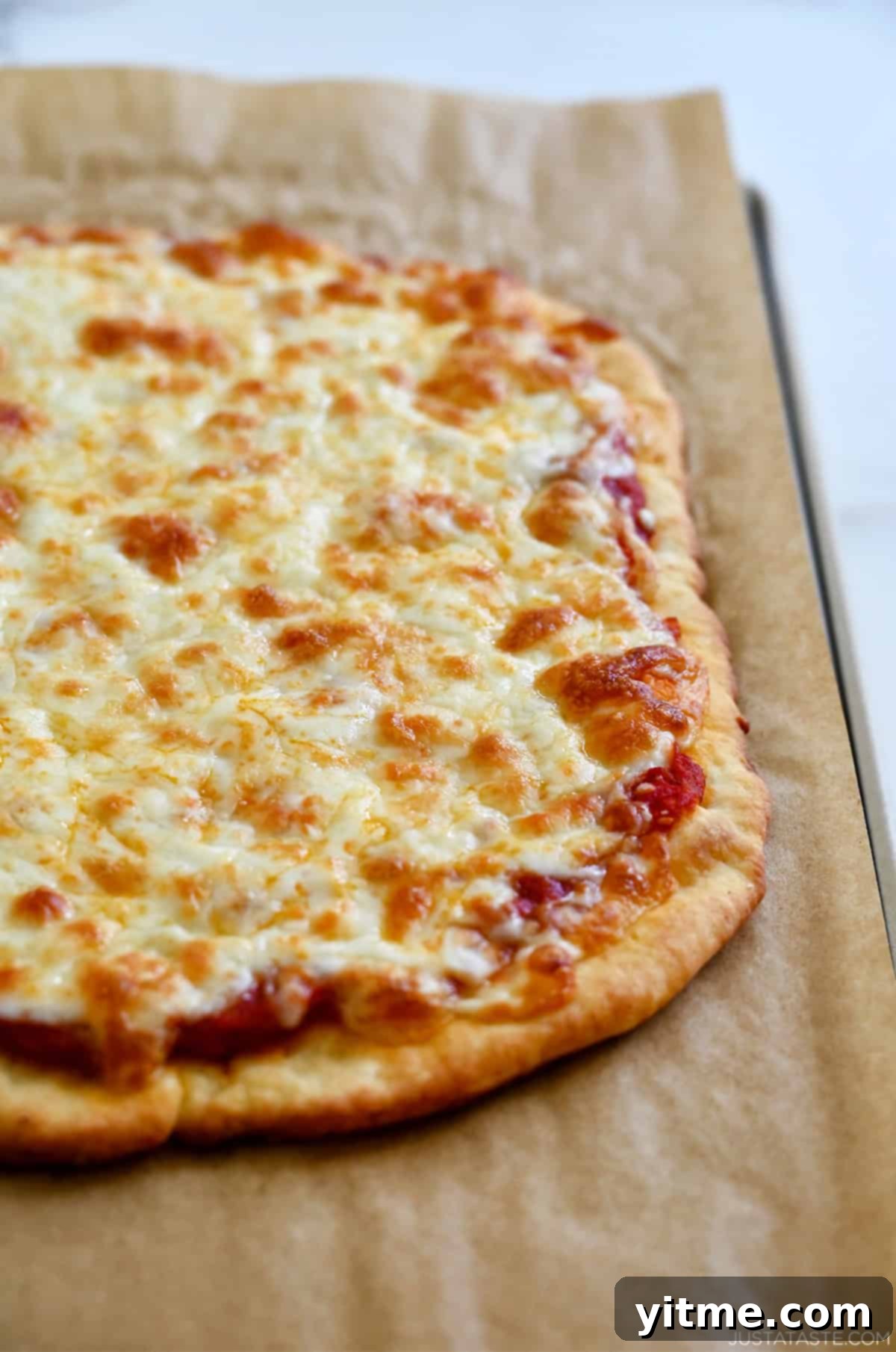
- Add your toppings. Sprinkle on the mozzarella cheese and any other toppings you love. Return the pizza to the oven and bake until the crust is golden and the cheese is bubbly and melted. If you want to add parmesan cheese, add it halfway through the baking process.
Kelly’s Note: For extra browning on the cheese, pop the pizza under the broiler for 1-2 minutes, but watch it carefully to avoid burning!
Storage and Freezing Tips
- To store: Keep leftover pizza in an airtight container in the refrigerator for up to 3 days. Reheat in a 375°F (190°C) oven for best results. Microwaving the pizza results in a soft crust, while baking it restores its crispness.
- To freeze: Wrap the pizza dough tightly in plastic wrap and then place it in a freezer-safe bag. Freeze for up to 3 months. Thaw in the refrigerator overnight, and then bring it to room temperature before rolling it out. For best results, use the dough within 1 month.
Frequently Asked Questions
Yes! A 1:1 gluten-free flour blend, such as Cup4Cup, should work as a direct substitute for regular flour. Keep in mind that the texture may be slightly different, so you might need to adjust the kneading time or add a bit more flour if the dough feels too sticky. Monitor the dough’s consistency and make adjustments as needed.
Almond flour doesn’t contain gluten, so it won’t provide the same structure and elasticity needed for a sturdy pizza crust. If you’d like a lower-carb option, you can try using a blend of almond flour and coconut flour (typically a 3:1 ratio of almond flour to coconut flour) along with an egg to help bind the dough. Note: I haven’t tried this so I can’t guarantee what the results will be!
If you try this recipe, be sure to leave a comment and let me know how it turned out. Happy pizza-making! 🍕
More High-Protein Recipes You’ll Love
Explore these other protein-packed recipes for more healthy and delicious meals:
Best Homemade Lasagna
Ham and Cheese Quiche with Hash Brown Crust
Healthy Egg Roll In a Bowl
Healthy Stuffed Zucchini Boats
Craving more? Subscribe to Just a Taste to get new recipes, meal plans and a newsletter delivered straight to your inbox! And stay in touch on Facebook, TikTok, Pinterest and Instagram for all of the latest updates.
Cottage Cheese Pizza Crust Recipe
10 mins
18 mins
28 mins
Ingredients 1x2x3x
- 1 cup cottage cheese
- 1 cup all-purpose flour, plus more for rolling out the dough
- 1 teaspoon baking powder
- 1 1/2 Tablespoons olive oil
- 1/2 cup marinara sauce
- 1 1/2 cups shredded mozzarella cheese
- Pizza toppings of choice
Instructions
- Preheat the oven to 425°F (220°C). Line a baking sheet with parchment paper.
- Add the cottage cheese to the bowl of a food processor or blender and blend until smooth. Transfer the cottage cheese to a medium bowl then stir in the flour, baking powder and ¼ teaspoon kosher salt. Mix just until combined. (The dough will be shaggy.)
- Lightly flour your work surface then turn out the dough and knead it 5 or 6 times just until smooth. Using a rolling pin, roll it out until the crust is about 11 inches in diameter and about 1/2-inch-thick. Transfer the crust to the baking sheet and brush it lightly with the olive oil then bake it for 8 minutes.
- Remove the crust from the oven then spread on the marinara sauce, leaving a 1/2-inch border around the edges. Sprinkle on the cheese, plus any toppings, then return the pizza to the oven and bake until the edges are golden brown, an additional 8 to 10 minutes. (See Kelly’s Note)
- Remove the pizza from the oven and let it cool slightly before slicing and serving.
Kelly’s Notes
- To get a bit of browning on the cheese, pop the pizza under the broiler for 1 to 2 minutes, but watch it carefully so it doesn’t burn!
- Gluten-free: A 1:1 gluten-free flour, such as Cup4Cup, should work as a direct swap for regular flour. Keep in mind that the texture may be slightly different, so you may need to adjust the kneading time or add a little extra flour if the dough feels too sticky.
- To freeze: Wrap the dough tightly in plastic wrap and place in a freezer-safe bag. Freeze for up to 3 months. Thaw in the fridge overnight, then bring to room temperature before rolling out.
- ★ Did you make this recipe? Don’t forget to give it a star rating below!
Nutrition
Did you try this recipe?
Leave a comment below with your star rating!