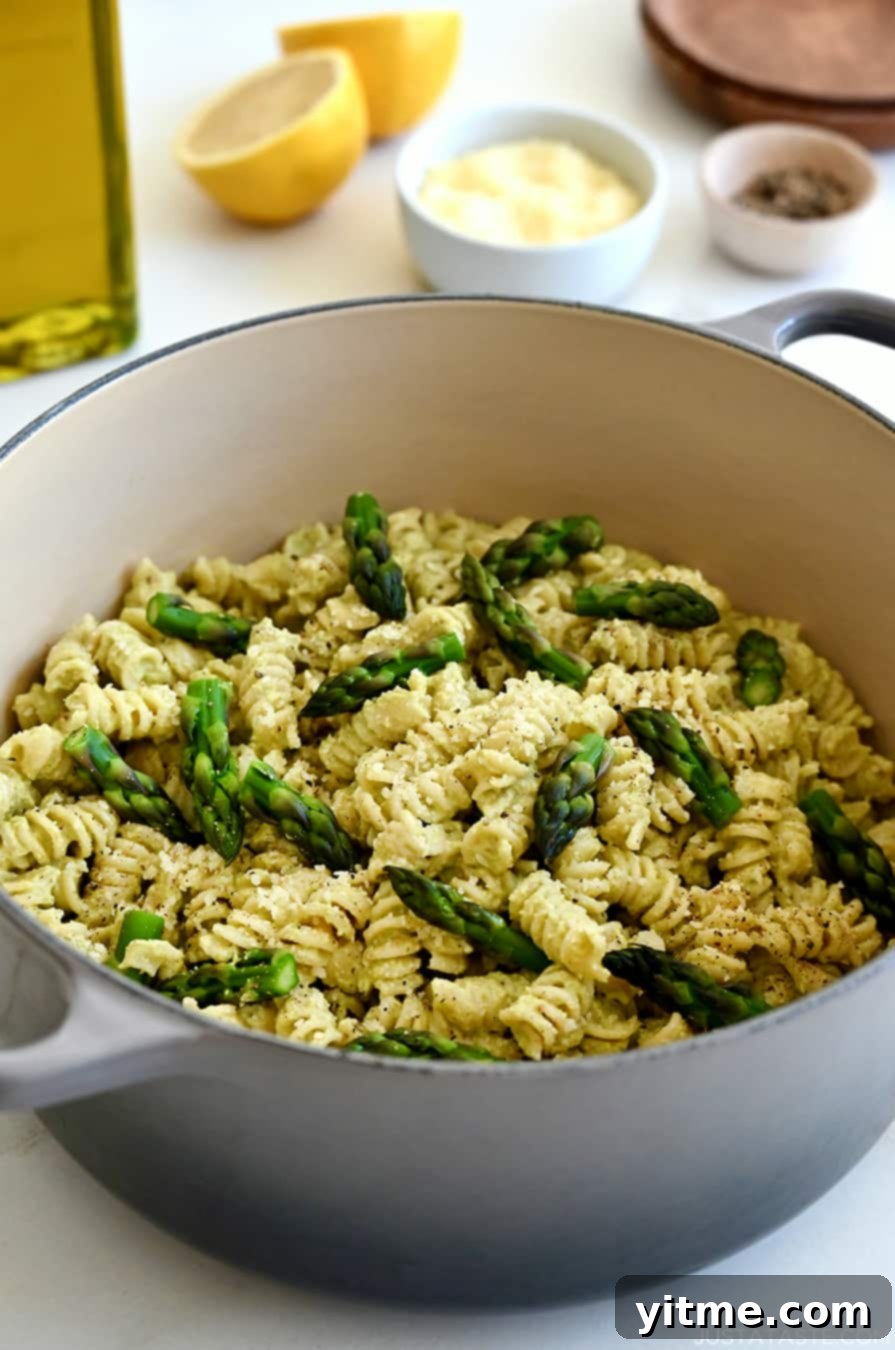
Easy Cheesy Asparagus Pesto Pasta: A Vibrant & Healthy Weeknight Meal in Under 30 Minutes
The quest for a quick, delicious, and healthy weeknight dinner often leads us down familiar paths, but what if you could infuse a classic Italian favorite with a fresh, seasonal twist? Enter Cheesy Asparagus Pesto Pasta, a recipe that promises to elevate your mealtime experience with minimal effort and maximum flavor. This isn’t just any pasta dish; it’s a celebration of vibrant green asparagus transformed into a rich, creamy pesto that clings beautifully to every strand of pasta. Crafted with only nine simple ingredients, this dish comes together remarkably fast, making it the perfect solution for busy evenings when you crave something both comforting and light.
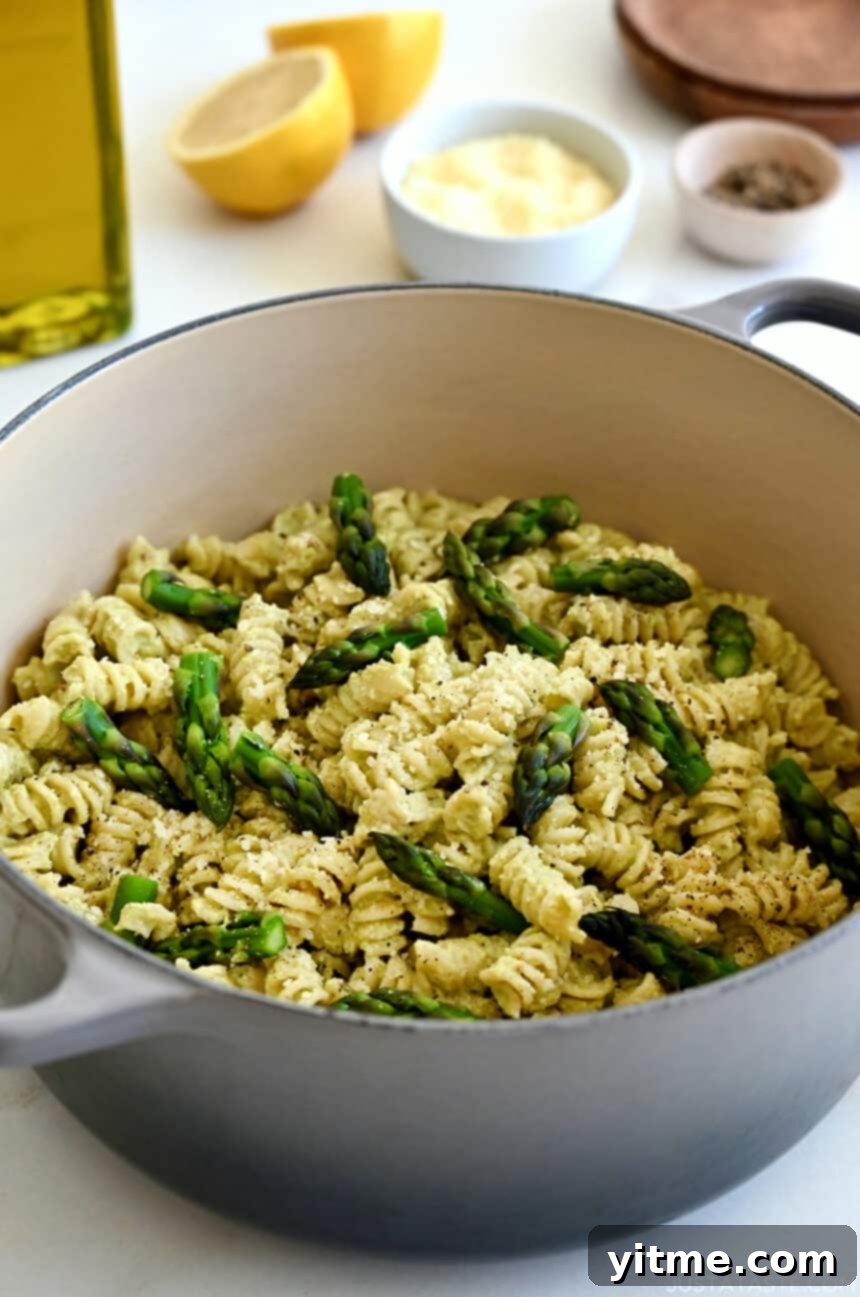
Table of Contents
- Why You’ll Love this Recipe
- Key Ingredients You’ll Need
- How to Make Asparagus Pesto
- Pro Tips for Recipe Success
- Frequently Asked Questions
- More Recipes to Make with Asparagus
- Cheesy Asparagus Pesto Pasta Recipe
Pesto has always been a culinary chameleon, capable of adapting to a myriad of ingredients beyond its traditional basil base. From the earthy notes of classic basil and the surprising depth of broccoli to the sweet freshness of peas and the elegant crunch of pistachios, I’ve explored countless variations. This time, our focus shifts to the humble yet magnificent asparagus. Often relegated to a side dish, asparagus truly shines when its tender stalks are blended into a bright, herbaceous pesto. This homemade asparagus pesto isn’t just for pasta; its incredible versatility makes it ideal for whisking into mayonnaise for a gourmet sandwich spread, spooning atop roasted vegetables for an extra layer of flavor, or slathering generously onto your go-to no-yeast pizza dough. Get ready to discover your new favorite way to enjoy asparagus!
Why You’ll Love this Cheesy Asparagus Pesto Pasta Recipe
This Cheesy Asparagus Pesto Pasta isn’t just another meal; it’s an experience waiting to happen, offering a delightful blend of simplicity, flavor, and adaptability that will make it a staple in your kitchen.
- Simple, Wholesome Ingredients: Forget complicated shopping lists. This recipe relies on a handful of readily available ingredients that combine to create something truly extraordinary. Fresh asparagus, quality olive oil, rich Parmesan, and aromatic garlic are the stars, proving that you don’t need exotic items to craft a gourmet meal. Each ingredient plays a vital role in building layers of fresh, herbaceous, and savory flavor.
- Super Easy and Delicious: Time is precious, especially on weeknights. This recipe respects that, delivering an incredibly flavorful meal without demanding hours in the kitchen. The process is straightforward: a quick blanch of the asparagus, a blitz in the blender, and a toss with your favorite pasta. The result? A vibrant, creamy, and utterly delicious pasta dish that tastes like it took far more effort than it actually did. It’s truly a testament to how simple cooking can yield impressive results.
- Remarkably Versatile: While outstanding as a pasta sauce, the asparagus pesto itself is a true culinary MVP. Imagine it as a sophisticated spread for sandwiches and wraps, a vibrant dip for crunchy crudités or warm, crusty baguette, or even as a flavorful dollop atop grilled chicken or fish. Its bright, cheesy profile adds a burst of spring to almost any dish, making it a valuable addition to your recipe repertoire.
- Effortless to Customize: This recipe is a fantastic canvas for your creativity. Don’t have pine nuts? Walnuts or almonds work beautifully. Prefer a dairy-free option? Nutritional yeast can step in for Parmesan. Want to add more greens? A handful of spinach or basil can be blended in. You can adjust the garlic, lemon, and cheese to your personal taste, making it truly your perfect pesto.
- Root-to-Stem Cooking at Its Finest: This recipe encourages a mindful approach to cooking, utilizing the entire asparagus stalk. While we might trim the very ends, the majority of the stalk, which is often underutilized or discarded, becomes the foundation of our flavorful pesto. This not only minimizes waste but also ensures you’re harnessing the full nutritional and flavor potential of this wonderful spring vegetable. It’s a sustainable and delicious way to cook!
Key Ingredients You’ll Need for Asparagus Pesto
Crafting the perfect asparagus pesto starts with understanding the role of each key ingredient. Here’s what you’ll need to create this vibrant sauce:
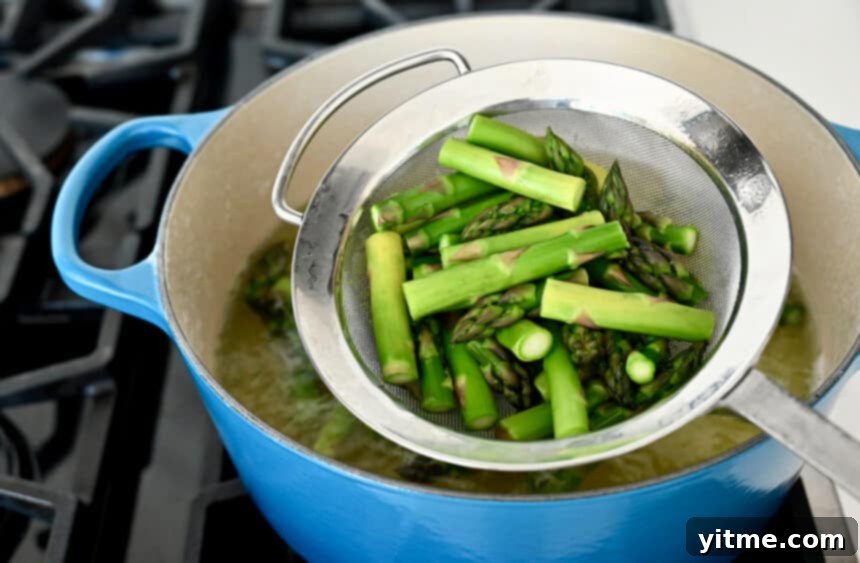
- Fresh Asparagus: The undisputed star of our pesto. When selecting asparagus, look for firm, bright green stalks with tight, compact tips. Avoid any that look wilted or have open, flowering tips. The magic of this recipe begins with quickly blanching the asparagus in hot water. This crucial step serves a dual purpose: it rapidly tenderizes the stalks, ensuring they blend into a silky-smooth pesto, and it locks in that gorgeous, vibrant green color, preventing the pesto from turning dull. Asparagus is not only delicious but also packed with vitamins K, A, C, and folate, making this pesto a healthy choice.
- Flavorful Nuts: Nuts are essential for adding richness, body, and a subtle earthy crunch to pesto. While the recipe calls for pine nuts, which are a classic choice for their buttery texture, don’t hesitate to experiment! Pistachios offer a unique, slightly sweet flavor and a lovely green hue. Walnuts provide a more robust, earthy note, while almonds contribute a delicate, buttery sweetness. The key is to toast your chosen nuts lightly before blending. This simple step vastly amplifies their natural oils and deepens their flavor, making them sing in the pesto. For those with nut allergies, sunflower seeds or pumpkin seeds can be fantastic alternatives, just ensure they are toasted for best flavor.
- Parmesan Cheese: This hard, salty Italian cheese is a non-negotiable for a truly authentic (or inspired) pesto experience, lending its distinct umami and savory depth. Its granular texture helps emulsify the sauce, adding to its creamy consistency. If you find yourself without Parmesan, or simply wish to explore other options, fear not! Any hard-grating cheese can step in. Excellent substitutes include Asiago (slightly nuttier and sharper), Manchego (a Spanish sheep’s milk cheese with a distinct tangy flavor), Pecorino Romano (a saltier, tangier sheep’s milk cheese), or Grana Padano (similar to Parmesan but often milder and less crumbly). Choose a good quality block of cheese and grate it fresh for the best flavor and texture.
- Fresh Garlic: The pungent backbone of any good pesto. Fresh garlic cloves are highly recommended for their vibrant, sharp flavor. However, to introduce an incredible depth and sweetness, consider roasting the garlic first! Roasted garlic mellows in flavor, becoming caramelized and tender, which adds a beautiful complexity to the pesto that is both unexpected and utterly delightful. Either way, garlic is indispensable for that signature savory kick.
- Bright Lemon Juice: A squeeze of fresh lemon juice is like a splash of sunshine in this pesto. It not only brightens the overall flavor profile, cutting through the richness of the oil and cheese, but also adds a crucial touch of acidity and zing. This acidity also plays a role in helping the asparagus pesto maintain its vibrant green color, preventing oxidation and browning. Always opt for freshly squeezed lemon juice for the best results.
- High-Quality Olive Oil: As with any pesto, olive oil is the emulsifier that brings all the ingredients together into a cohesive sauce. Using a good-quality extra virgin olive oil is paramount here. It’s not just a binder; it’s a flavor contributor. A high-quality oil will lend a fruity, peppery, or slightly grassy note that enhances the overall taste of the pesto. My favorite brand, Kosterina, offers exceptional extra virgin olive oil that truly elevates this recipe. Avoid using regular olive oil or vegetable oils, as their flavor profiles are much less robust and will detract from the pesto’s richness.
How to Make Homemade Asparagus Pesto
Creating this luscious asparagus pesto is surprisingly simple and swift. Follow these steps for a perfectly blended sauce every time:
- First, Blanch the Asparagus to Perfection. Begin by preparing your asparagus. Trim off the woody ends, then slice the tender stalks into roughly 2-inch pieces. Bring a large pot of salted water to a rolling boil. Once boiling, carefully add the asparagus pieces. Allow them to blanch for just 1 minute – this short burst in hot water is key! Immediately after, remove the asparagus using a slotted spoon or by draining quickly, and plunge them into an ice bath or rinse thoroughly under very cold running water. This “shocking” process immediately stops the cooking, preserving the asparagus’s vibrant green color and crisp-tender texture, which will translate beautifully into your pesto.
Pro Tip: Don’t skip this critical step! Blanching the asparagus in hot water followed by a cold shock not only quickly tenderizes the stalks, making them ideal for blending, but also crucially locks in their bright green hue. This ensures your pesto is as visually appealing as it is delicious, maintaining that fresh, springtime color.
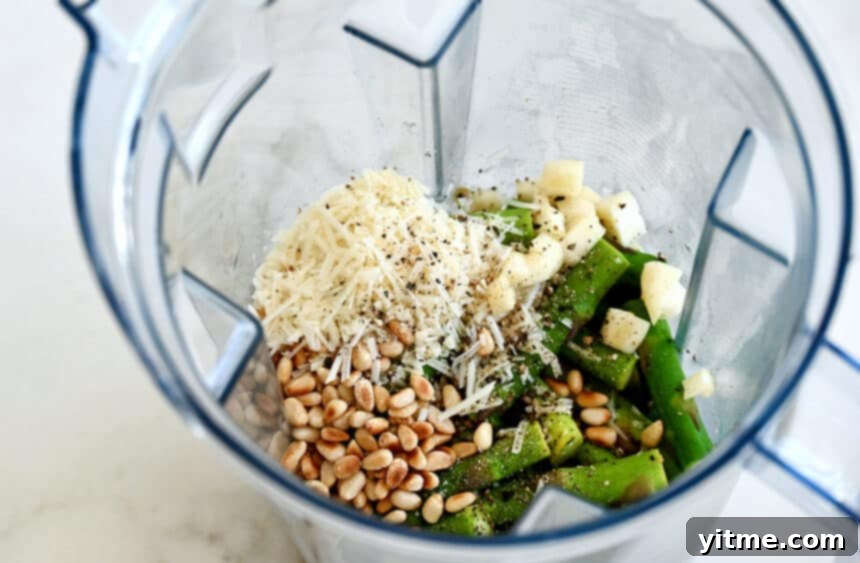
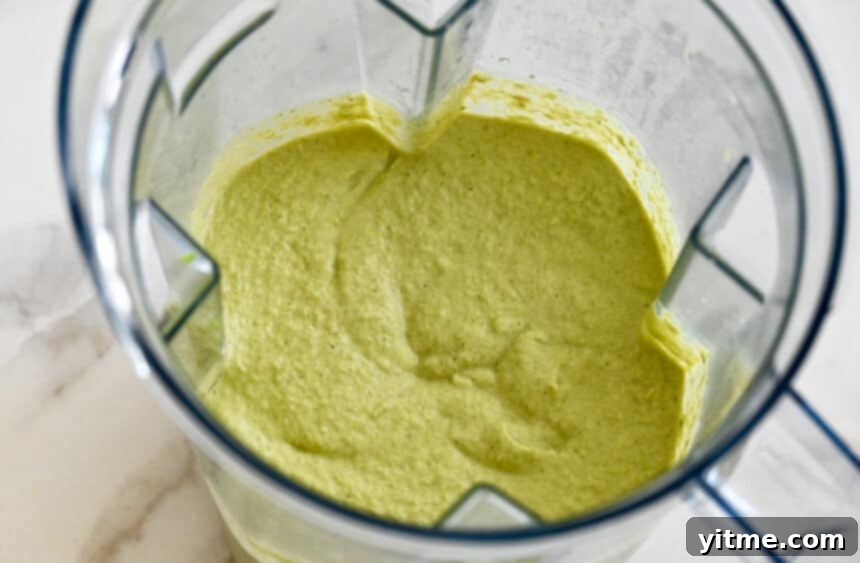
- Next, Blend to Creamy Perfection. With your blanched asparagus ready, it’s time to assemble your pesto. Into the pitcher of a high-speed blender or the bowl of a food processor, add the blanched asparagus, along with the toasted pine nuts (or your chosen nuts), shredded Parmesan cheese, chopped garlic cloves, fresh lemon juice, and a generous pinch of salt and freshly ground black pepper. Begin by blending these ingredients for about 10 to 15 seconds, pulsing until they start to break down and combine. Then, with the blender or food processor still running on a low to medium speed, slowly and steadily stream in the extra virgin olive oil. This gradual addition is essential for emulsifying the pesto, creating a smooth, creamy, and cohesive sauce rather than a separated, oily mixture. Continue blending until the mixture is well-blended and reaches your desired creamy consistency. You may need to stop occasionally to scrape down the sides of the blender/food processor with a spatula, ensuring all ingredients are fully incorporated. Once smooth, transfer the freshly made pesto to a bowl. Give it a final taste test and adjust the seasoning with additional salt and pepper as needed. This recipe is easily doubled or even tripled if your blender or food processor has the capacity, making it perfect for meal prepping or feeding a crowd!
Pro Tips for Asparagus Pesto Success
Achieving pesto perfection is within reach with these expert tips designed to enhance flavor, storage, and versatility:
- Always Toast Your Nuts: This isn’t just an optional step; it’s a game-changer. Regardless of whether you choose traditional pine nuts, earthy walnuts, or sweet almonds, toasting them before adding them to your blender is crucial. The heat gently coaxes out their natural oils, intensifying their nutty flavor and adding a depth that untoasted nuts simply can’t match. You can toast them in a dry skillet over medium heat for a few minutes until fragrant, or spread them on a baking sheet and toast in a preheated oven at 350°F (175°C) for 5-7 minutes. Watch them carefully, as nuts can burn quickly!
- Master the Art of Freezing Pesto: One of the best qualities of pesto of all varieties is how beautifully it freezes, making it perfect for batch cooking and extending the vibrant flavors of spring well into other seasons. To ensure easy portioning and reheating, transfer your freshly made pesto into an ice cube tray. Once frozen solid, pop the pesto cubes out and transfer them to a freezer-safe zip-top bag or airtight container. This method allows you to grab just the right amount for a single serving of pasta, a small dollop for soup, or a few cubes to incorporate into a larger dish. Frozen pesto will maintain its quality for up to six months, ready whenever you need a burst of fresh flavor.
- Unleash Pesto’s Versatility Beyond Pasta: While a classic pairing, pesto’s potential stretches far beyond a plate of pasta. Get creative and explore the myriad of ways this delicious sauce can elevate your meals. Mix a spoonful into mayonnaise for an instant gourmet sandwich spread or a tangy dip. Use it as a flavorful base for homemade pizza, replacing traditional tomato sauce for a brighter, herbaceous twist. Drizzle it generously atop grilled vegetables, baked potatoes, or even soups for a fresh finish. Consider stirring it into scrambled eggs, spreading it on toast with avocado, or folding it into mashed potatoes for an unexpected flavor boost. The possibilities are truly endless!
Frequently Asked Questions About Asparagus Pesto
There are a couple of key strategies to maintain that beautiful vibrant green color in your asparagus pesto. First and foremost, blanching the asparagus (a quick dip in boiling water followed by an immediate cold shock) stops the cooking process and locks in the chlorophyll, preserving its bright green hue. Secondly, the addition of fresh lemon juice is crucial. The acidity in the lemon juice acts as an antioxidant, preventing the asparagus from oxidizing and turning brown. For extra protection, you can also press a layer of plastic wrap directly onto the surface of the pesto before storing it, minimizing exposure to air.
When stored properly, homemade asparagus pesto can last for a good amount of time in the refrigerator. To maximize its freshness and prevent spoilage, transfer the pesto to a clean jar or an airtight container. For best results, pour a thin layer of olive oil over the surface of the pesto before sealing it with a tight-fitting lid. This creates a barrier that further protects it from air exposure, which helps prevent browning and maintains flavor. Stored this way, your asparagus pesto will stay fresh and delicious for up to one week.
Absolutely, freezing is an excellent way to preserve fresh pesto for longer enjoyment! Pesto freezes exceptionally well and can be stored in a freezer-safe container for up to six months without significant loss of flavor or quality. For ultimate convenience and portion control, we highly recommend freezing pesto in ice cube trays. Simply spoon or pour the pesto into the compartments of an ice cube tray and place it in the freezer for a few hours until the cubes are completely solid. Once frozen, remove the pesto cubes from the tray and transfer them to a heavy-duty, zip-top plastic freezer bag or another airtight freezer container. This allows you to easily grab just one or two cubes as needed, perfect for single servings or small recipe additions.
Defrosting pesto is straightforward and depends on how you plan to use it. The fastest method for defrosting smaller quantities, like pesto cubes, is to place them in a microwave-safe dish and use the defrost setting, stirring intermittently until thawed. However, if you’re planning to incorporate the pesto into a hot dish, such as tossing it with warm pasta or adding it to a sauté pan, there’s often no need to defrost it beforehand! Simply take out the desired number of frozen pesto cubes and add them directly to your hot pasta, stirring until melted and coated, or drop them into your hot pan to melt and mix with other ingredients. For larger quantities or if you need fully thawed pesto for a cold application like a sandwich spread, it’s best to transfer it to the refrigerator and let it thaw slowly overnight.
More Delicious Recipes to Make with Asparagus
Asparagus is a versatile and healthy vegetable that deserves to be celebrated in more than just one way! If you’ve loved this Cheesy Asparagus Pesto Pasta, you’ll definitely want to try these other fantastic asparagus recipes:
- Asparagus Pasta Salad with Italian Dressing: A refreshing and vibrant pasta salad, perfect for spring picnics or as a light lunch. It combines tender asparagus with your favorite pasta and a zesty Italian dressing for a dish that’s bursting with flavor.
- Cheesy Asparagus Tart: Elegant and delicious, this tart features crisp-tender asparagus nestled in a rich, cheesy filling, all baked within a flaky pastry crust. It’s an impressive dish for brunch or a light dinner.
- Crispy Bacon-Wrapped Asparagus Bundles: A perfect appetizer or side dish that’s incredibly simple yet undeniably addictive. Fresh asparagus spears are wrapped in savory bacon and baked until crispy – a delightful combination of flavors and textures.
- Baked Asparagus Fries with Roasted Garlic Aioli: A healthier twist on a classic comfort food. These “fries” are crispy, flavorful, and incredibly easy to make, served with a creamy, pungent roasted garlic aioli that you’ll want to put on everything!
- Roasted Asparagus with Cheesy Breadcrumbs: Simple yet incredibly flavorful, this side dish elevates roasted asparagus with a crunchy, cheesy topping. It’s quick to prepare and pairs well with almost any main course.
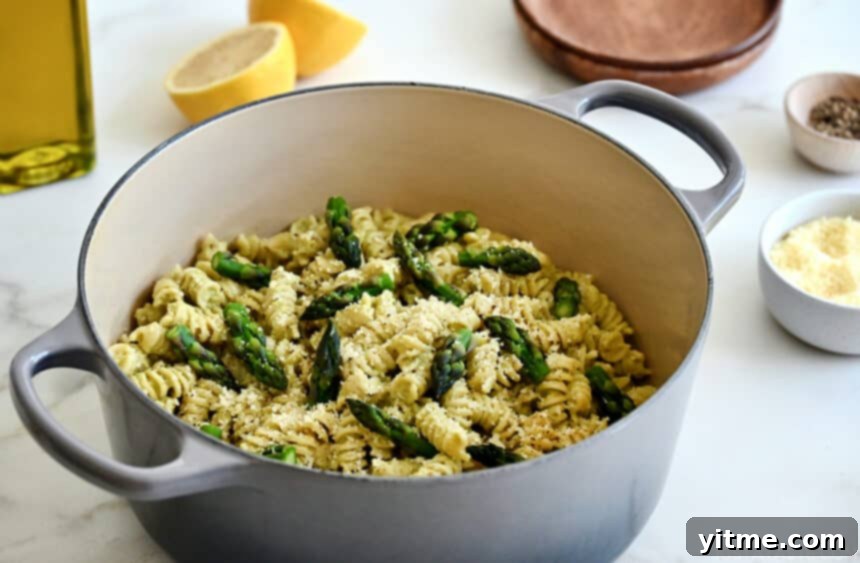
This Cheesy Asparagus Pesto Pasta is more than just a recipe; it’s an invitation to embrace the freshness of spring in a simple, satisfying, and utterly delicious way. With its vibrant color, rich texture, and irresistible flavors, it’s destined to become a new favorite in your culinary rotation. Whether you’re whipping it up for a quick weeknight dinner, preparing it for a special occasion, or simply looking for a creative way to enjoy asparagus, this dish delivers every time. Its ease of preparation and incredible versatility make it a winner for cooks of all skill levels. So, gather your fresh asparagus, toast those nuts, and get ready to indulge in a pasta dish that’s truly a breath of fresh air.
Craving even more culinary inspiration? Subscribe to Just a Taste today to ensure you never miss out on new recipes, curated meal plans, and our exclusive newsletter, all delivered directly to your inbox! And for all the latest updates, behind-the-scenes glimpses, and delicious daily content, make sure to stay connected with us on Facebook, Twitter, Pinterest, and Instagram. Happy cooking!
Cheesy Asparagus Pesto Pasta

Ingredients
- 1 pound fresh asparagus, ends trimmed
- 1/4 cup pine nuts, lightly toasted
- 1/3 cup shredded Parmesan cheese, plus more for serving
- 2 cloves fresh garlic, roughly chopped
- 1 Tablespoon fresh lemon juice, squeezed
- 1/2 cup high-quality extra-virgin olive oil
- 1 pound uncooked pasta of your choice (e.g., fettuccine, linguine, penne)
- Salt and freshly ground black pepper, to taste
Instructions
- Bring a large pot of generously salted water to a rolling boil.
- Slice the trimmed asparagus into uniform 2-inch pieces. Add them to the boiling water and blanch for precisely 1 minute. Immediately remove the asparagus using a slotted spoon and rinse them thoroughly under cold water or plunge into an ice bath to stop the cooking and preserve their vibrant green color. Keep the pot of salted water at a boil for the pasta.
- Reserve a few of the blanched asparagus tips to use later as a garnish for the finished dish. Add the remaining blanched asparagus to a blender or food processor, along with the toasted pine nuts, shredded Parmesan cheese, chopped garlic, fresh lemon juice, and a pinch of salt and pepper. Blend these ingredients for 10 to 15 seconds, then, with the blender still running, slowly stream in the extra-virgin olive oil until it is fully incorporated and the mixture is smooth and well-blended. Scrape down the sides of the blender/processor as needed to ensure an even consistency. Transfer the freshly made pesto to a bowl and season it with additional salt and pepper to taste.
- Add your chosen pasta to the actively boiling salted water and cook according to package directions until it reaches an al dente texture. Drain the pasta, reserving a small amount of pasta water if desired. Transfer the cooked pasta to a large serving bowl. Add the asparagus pesto and the reserved blanched asparagus spears, tossing gently to thoroughly combine and coat the pasta. Garnish with additional shredded Parmesan cheese before serving immediately.
- ★ Did you make this recipe? Don’t forget to give it a star rating below and leave a comment!
Nutrition
Did you try this recipe?
Leave a comment below with your star rating!