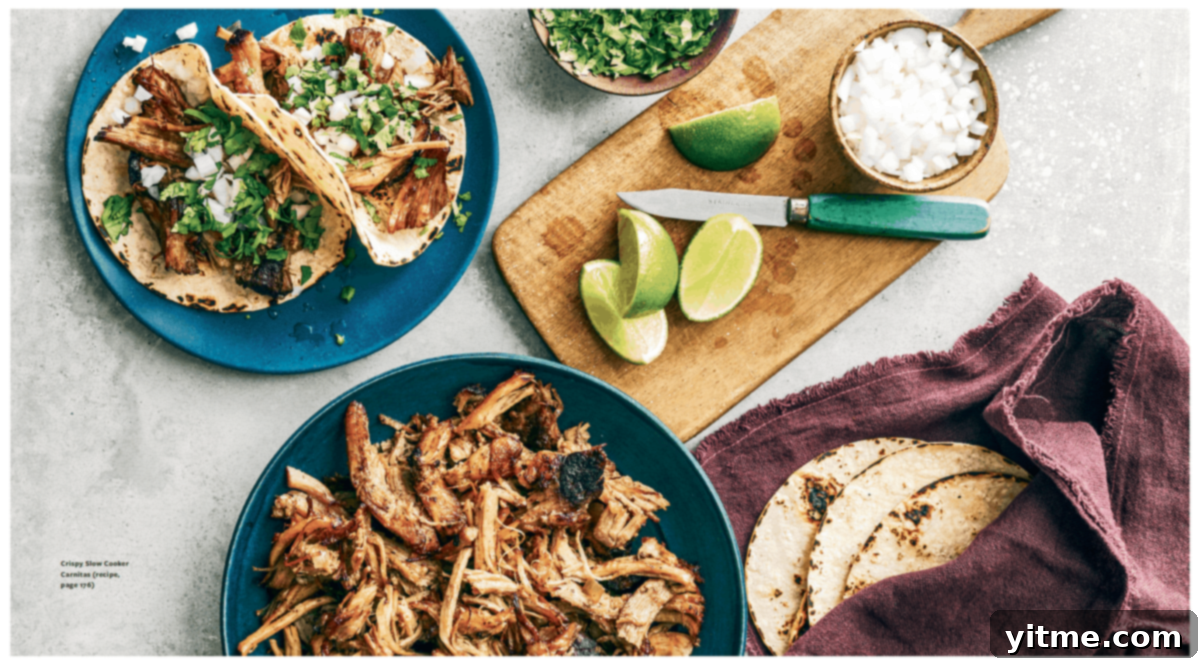
Food Styling Secrets: Expert Tips to Make Your Dishes Picture-Perfect
Have you ever looked at food photography in magazines or on TV and wondered how the dishes are styled to look so incredibly appealing? The art of food styling is a fascinating blend of culinary knowledge, artistic vision, and technical skill. It’s more than just making food look good; it’s about telling a story, evoking emotion, and making the viewer crave a taste.
In the world of food media, the food stylist is an unsung hero. They work behind the scenes, collaborating with photographers, chefs, and art directors to create visually stunning images that capture the essence of a dish. They are the masters of presentation, using a variety of techniques and tools to enhance the texture, color, and overall appeal of food.
To demystify the world of food styling, we’ve gathered insights from two of the industry’s leading professionals: Kate Buckens and Tiffany Scheligh. These talented women, who lent their expertise to styling the dishes in The Secret Ingredient Cookbook, share their secrets and tips for making food look its absolute best. Get ready to learn how to style food like a pro!
Let’s dive into the secrets of these culinary artists.
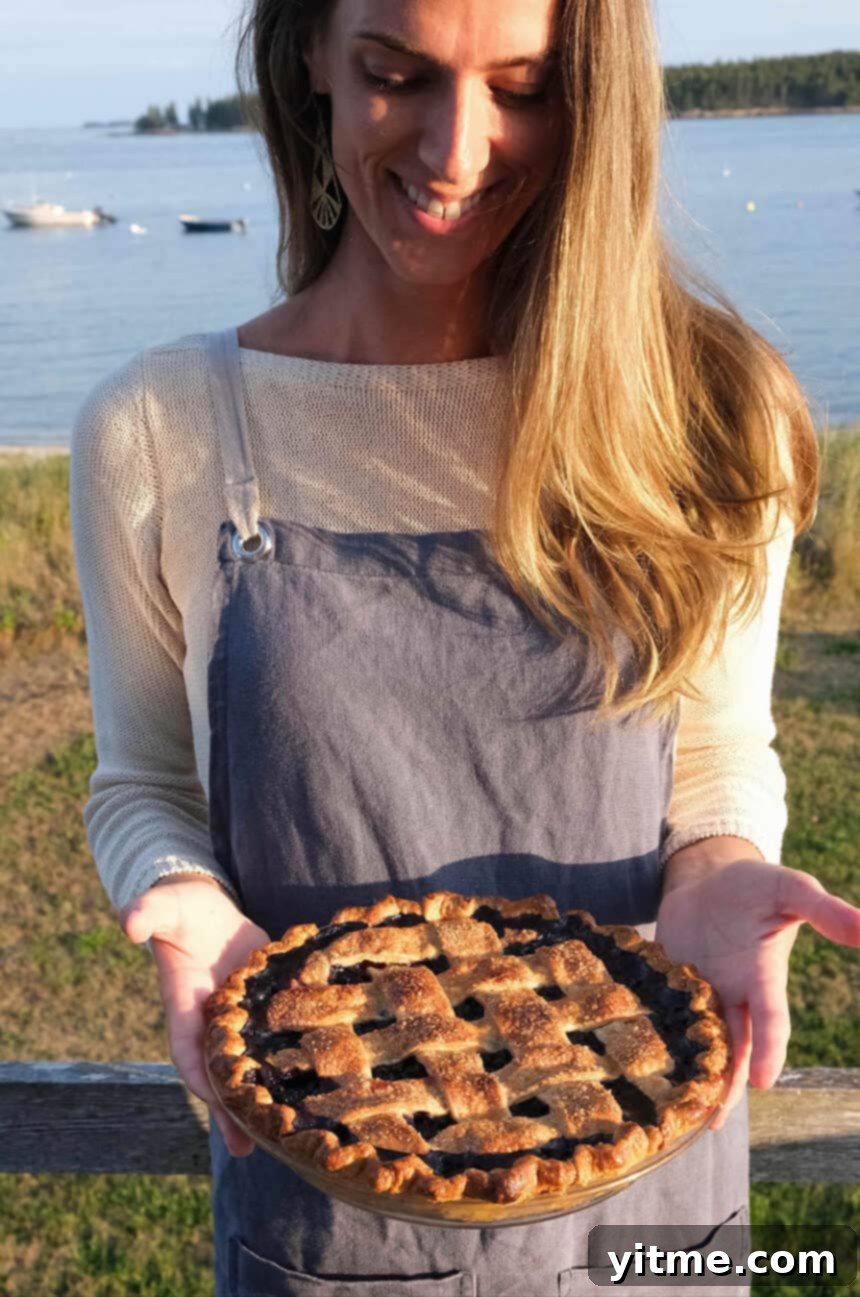
First, let’s meet our experts. Tiffany Scheligh is a New York City-based food stylist with a passion for all things culinary. Before embarking on her styling career, she honed her skills in the kitchens of renowned chefs like Christina Tosi, Daniel Boulud, and Alex Guarnaschelli. Her work has been featured on popular television shows such as Food Network’s Chopped, HBO’s Succession, and AMC’s Dietland. Tiffany’s background as a chef gives her a unique perspective on food styling, allowing her to understand the nuances of flavor and texture, and translate them into visually appealing presentations.
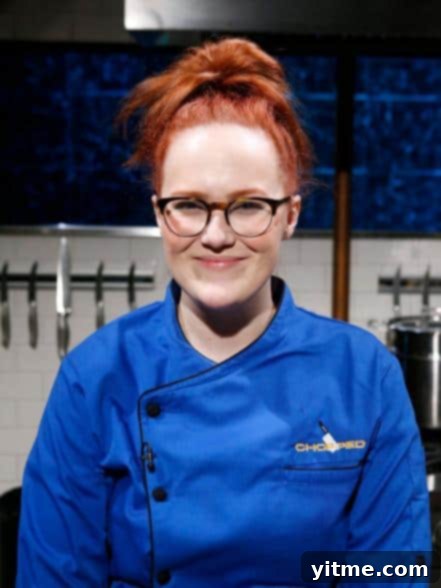
Kate Buckens is another New York City-based food stylist with over a decade of experience in the food industry. Her journey began in the front of house at restaurants in New Orleans, San Francisco, and New York, where she developed a keen eye for presentation and a deep appreciation for the art of dining. Kate’s business background provides a strong foundation for managing the complex logistics of food styling projects, especially large-scale endeavors like cookbook photo shoots.
So, what exactly does a food stylist do? And how can you apply their techniques to your own cooking and food photography?
Food Styling Tips from the Pros: Tiffany Scheligh
In the first part of our conversation, Tiffany Scheligh sheds light on the realities of being a food stylist, debunking common myths and sharing her top tips for elevating your plating skills. Here’s a glimpse of what we discussed:
- The Perceived vs. Actual Job Description: Tiffany explains that food styling is much more than just making food look pretty. It involves problem-solving, creative thinking, and meticulous attention to detail. A food stylist is responsible for sourcing ingredients, preparing dishes, and ensuring that the food looks fresh and appealing under the harsh lights of a photo shoot. They also need to be adaptable and resourceful, able to handle unexpected challenges and make quick decisions.
- Busting Food Styling Myths: There are many misconceptions about food styling, such as the belief that stylists use inedible or artificial ingredients to enhance the appearance of food. Tiffany clarifies that while some tricks of the trade do exist, the goal is always to showcase the food in its best light while maintaining its integrity. The key is to use natural techniques and ingredients to enhance the color, texture, and overall appeal of the dish. For example, lightly brushing vegetables with oil can make them appear more vibrant, or using a damp cloth to remove smudges and imperfections.
- Top Three Tips for Expert Plating: Tiffany shares her go-to techniques for creating visually stunning plates. These include:
- Embrace Height and Texture: Adding height and texture to your dishes creates visual interest and makes them more appealing. Use a variety of garnishes, sauces, and edible decorations to add dimension and contrast. Consider using different shapes and sizes of ingredients to create a dynamic and visually engaging presentation.
- Consider Color and Contrast: Color plays a crucial role in food styling. Use a variety of colors and textures to create a visually appealing and balanced plate. Think about complementary colors, such as red and green, or contrasting textures, such as creamy and crunchy.
- Less is More: Avoid overcrowding the plate. Focus on highlighting the key ingredients and elements of the dish. A clean and uncluttered presentation is often more effective than a busy and overwhelming one.
Food Styling Secrets: Kate Buckens Reveals Her Insights
In the second half of our conversation, Kate Buckens delves into the logistics of cookbook photo shoots, shares her career transition story, and reveals her must-have food styling tools. Here’s a sneak peek:
- The Intense Logistical Planning of Cookbook Photo Shoots: Kate describes the meticulous planning and coordination required for a cookbook photo shoot. This includes everything from sourcing ingredients and props to scheduling photo shoots and managing budgets. A successful cookbook photo shoot requires a team of talented professionals, including chefs, photographers, art directors, and food stylists, all working together to create a cohesive and visually stunning product.
- Transitioning from Business to Food Styling: Kate explains how she leveraged her business background to launch her food styling career. Her experience in management and organization proved invaluable in handling the complexities of food styling projects. Her story is an inspiration to anyone looking to make a career change and pursue their passion for food.
- Top Three Essential Food Styling Tools: Kate reveals the tools she can’t live without:
- Tweezers: For precise placement of garnishes and small ingredients. Tweezers allow you to create delicate and intricate designs, adding a touch of elegance to your dishes.
- Paintbrushes: For applying glazes, sauces, and oils with precision. Paintbrushes are essential for creating smooth and even coatings, ensuring that your food looks polished and professional.
- Black Q-Tips: For cleaning up spills and smudges without leaving any residue. The black color ensures that no fibers are visible, keeping your food looking clean and pristine.
The Secret Weapon: Black Q-Tips!
Kate’s mention of black Q-tips is a game-changer. These little wonders are incredibly absorbent and won’t leave any white fibers behind. It’s a small detail that makes a big difference in achieving a flawless finish. This is just one example of the many hidden tools and techniques that food stylists use to create their magic.
Food styling is an art form that combines creativity, technical skill, and a deep understanding of food. By learning from the experts, you can elevate your own cooking and food photography, making your dishes look as delicious as they taste. Whether you’re a professional chef, a food blogger, or simply someone who enjoys cooking at home, the tips and secrets shared by Kate Buckens and Tiffany Scheligh can help you transform your food into a visual masterpiece.
So, the next time you’re preparing a meal, remember the advice of these food styling pros. Pay attention to the details, experiment with textures and colors, and don’t be afraid to get creative. With a little practice and the right tools, you can create dishes that are not only delicious but also visually stunning.
Are you ready to put these food styling tips into action? Start experimenting with your favorite recipes and see how you can transform them into works of art. And don’t forget the black Q-tips!
By understanding the principles of food styling, you can enhance your appreciation for the art of cooking and create memorable dining experiences for yourself and others. The journey to becoming a skilled food stylist is a continuous process of learning, experimenting, and refining your techniques. So, embrace the challenge, have fun, and let your creativity shine!
Food styling is a dynamic and ever-evolving field, with new trends and techniques constantly emerging. Stay up-to-date with the latest developments by following food stylists on social media, attending workshops and seminars, and reading books and articles on the subject. The more you learn, the more you’ll be able to push the boundaries of your own creativity and develop your unique style.
Ultimately, food styling is about more than just making food look good. It’s about creating an emotional connection with the viewer, evoking feelings of hunger, excitement, and anticipation. It’s about telling a story through food, and inviting people to experience the joy of cooking and eating. So, go forth and create, and let your passion for food inspire you to create culinary masterpieces that are both delicious and visually stunning.