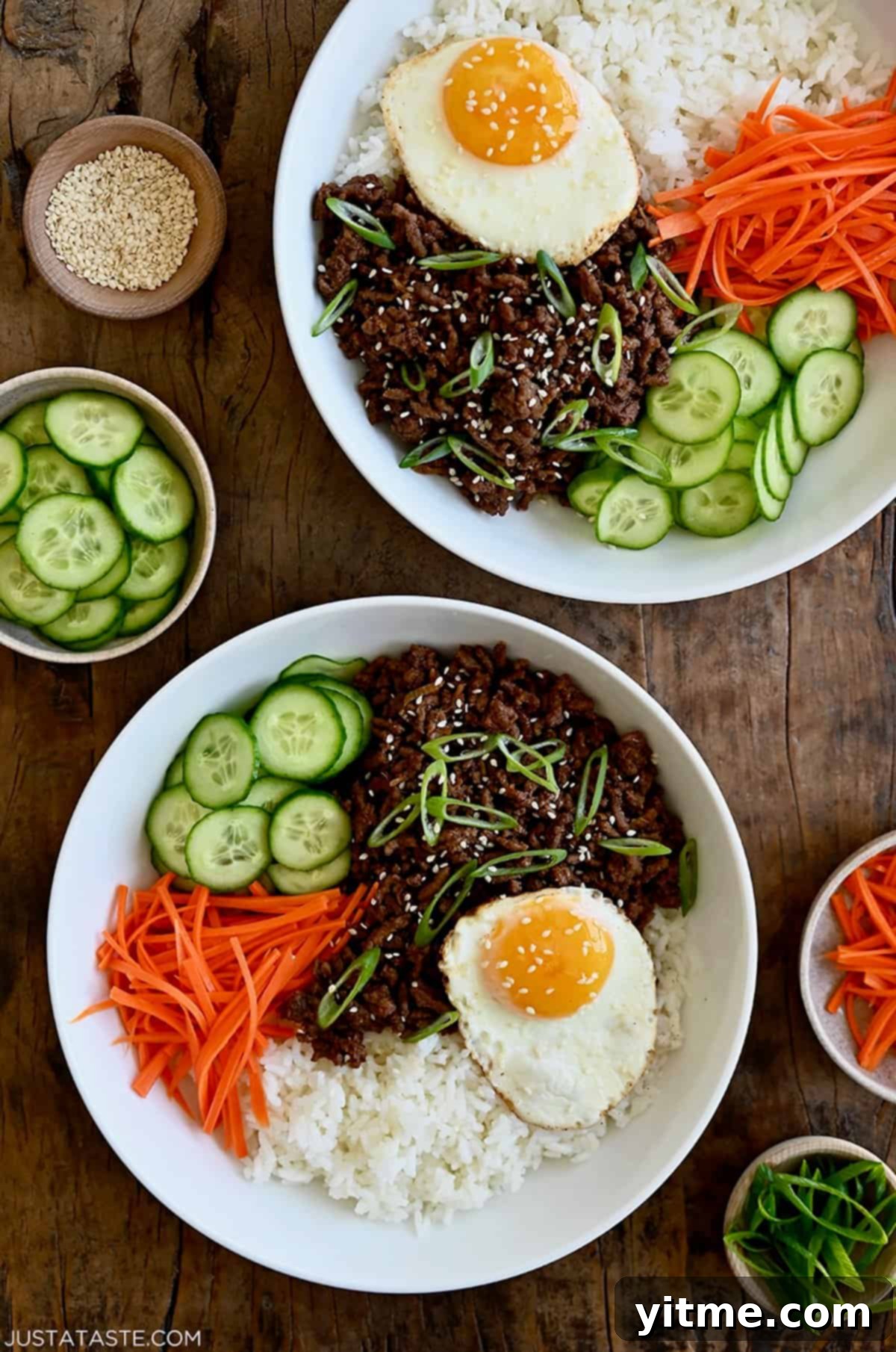
Quick & Easy Korean Ground Beef Bowl: A Flavorful 25-Minute Weeknight Dinner
Discover the ultimate weeknight hero with this incredible Korean Ground Beef Bowl recipe! Featuring perfectly seasoned ground beef simmered in a rich, savory sauce that strikes the ideal balance between sweet, salty, and a subtle kick of heat, this dish is a guaranteed family favorite. Served over fluffy steamed rice and topped with your choice of fresh, crunchy vegetables – perhaps even a fried egg for extra indulgence – this satisfying meal comes together in just 25 minutes, making it perfect for busy evenings without sacrificing flavor.
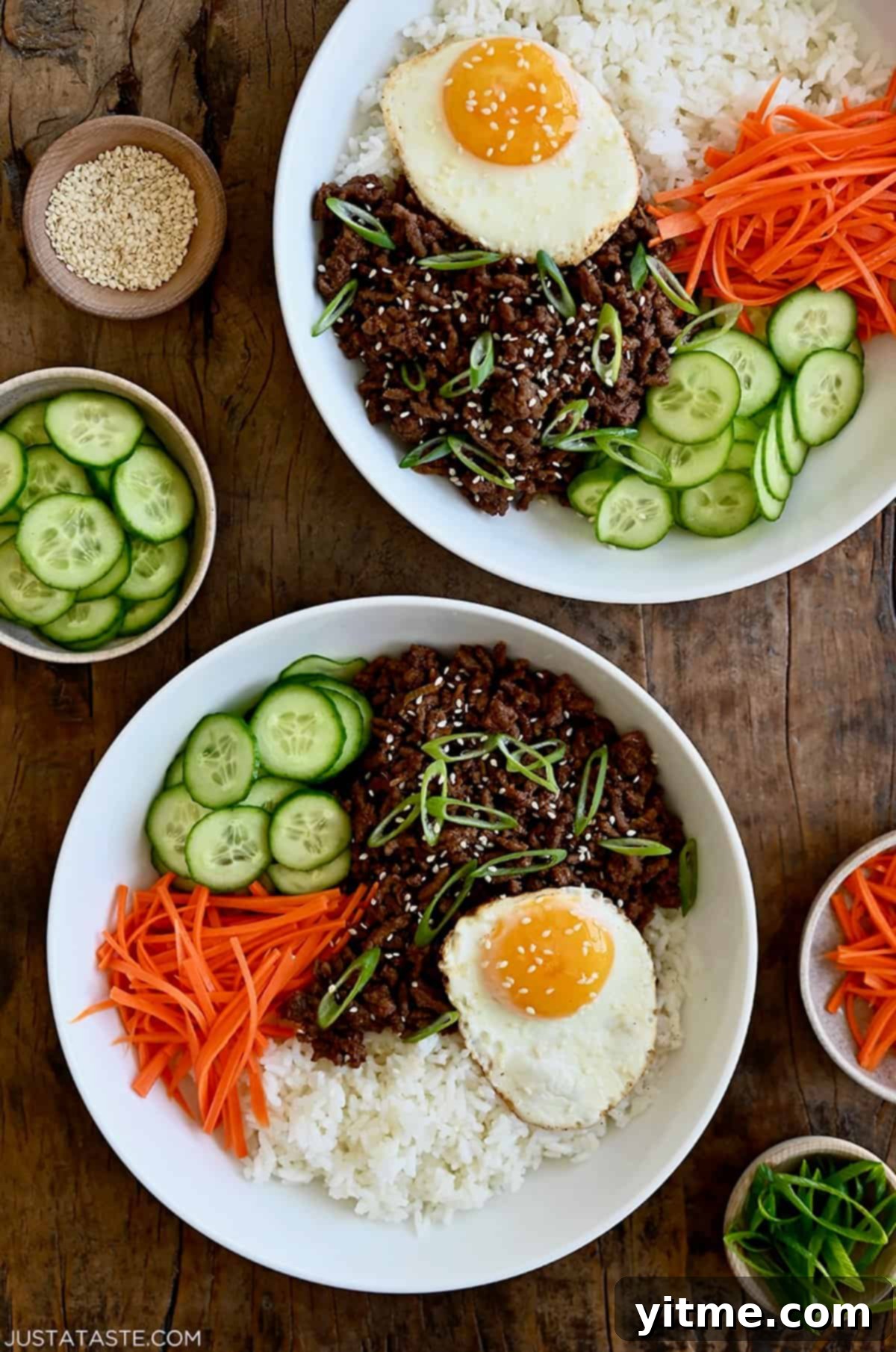
Table of Contents
- Why You’ll Love This Korean Beef Bowl
- Essential Ingredients for Your Korean Beef Bowl
- Choose Your Perfect Base
- Step-by-Step Guide: How to Make a Korean Beef Bowl
- Meal Prep & Storage Made Easy
- Can I Make This Recipe With A Different Protein?
- Customization Ideas & Toppings Galore
- Frequently Asked Questions (FAQ)
- More Beef Recipes You’ll Love
- Korean Beef Bowl Recipe
Ground beef dinners are consistently a massive hit in my household – my kids would happily eat them every single night if given the choice! If you’re anything like me, you’re constantly seeking weeknight dinner ideas that effortlessly tick all the boxes: quick preparation, incredible flavor, and truly satisfying. That’s precisely where this fantastic Korean ground beef bowl recipe shines. It’s a lifesaver for busy parents and anyone looking for a delicious, easy-to-make meal.
We regularly enjoy a variety of Asian-inspired dinners, which means I almost always have the necessary ingredients on hand to quickly whip up these delightful beef and rice bowls. The undisputed star of this dish is its signature sweet and savory sauce. It boasts a complex flavor profile that’s equal parts tangy and intensely garlicky, elevated by an optional yet highly recommended kick of heat from Gochujang chili sauce. This balanced sauce is what truly transforms simple ground beef into an extraordinary meal.
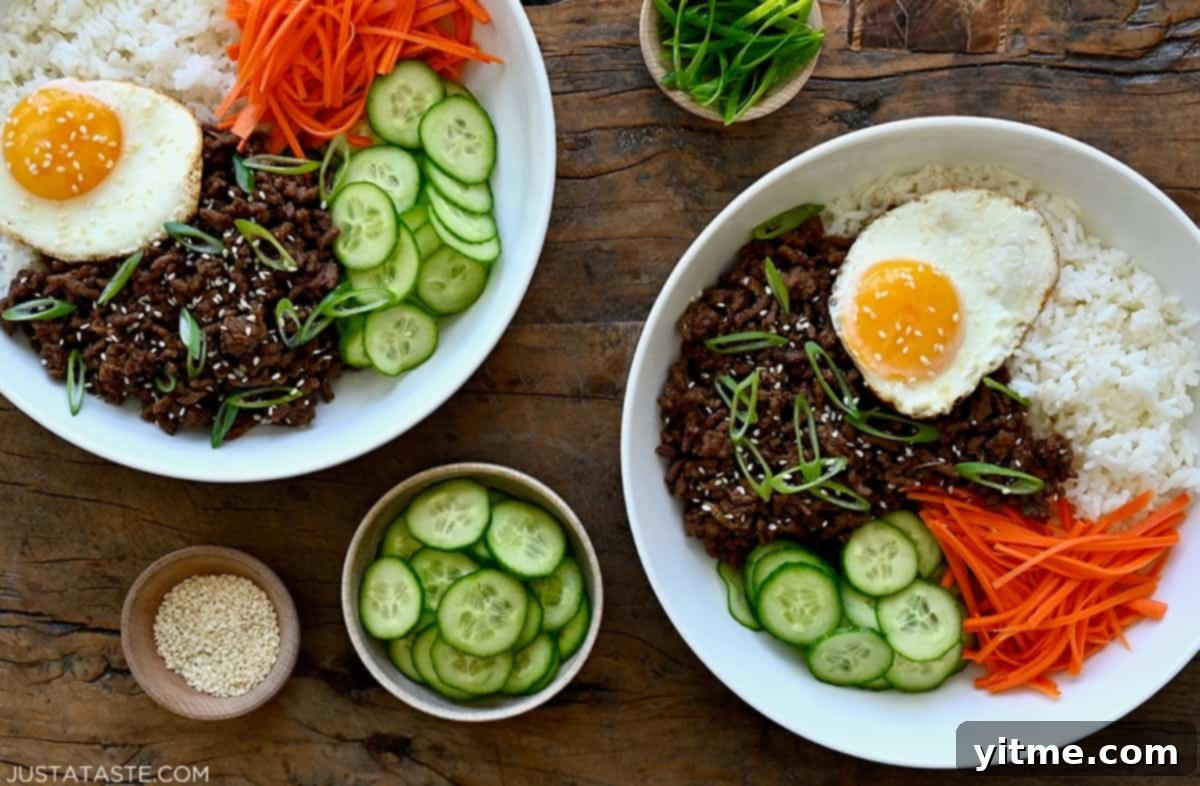
Perhaps the best aspect of this Korean beef recipe is its endless adaptability! My children adore customizing their ground beef bowls with an assortment of their favorite toppings. From the refreshing crunch of cucumbers and carrots to the zesty tang of pickled onions and the nutty aroma of sesame seeds, everyone can create their perfect bowl. This makes it an excellent choice for families with diverse preferences.
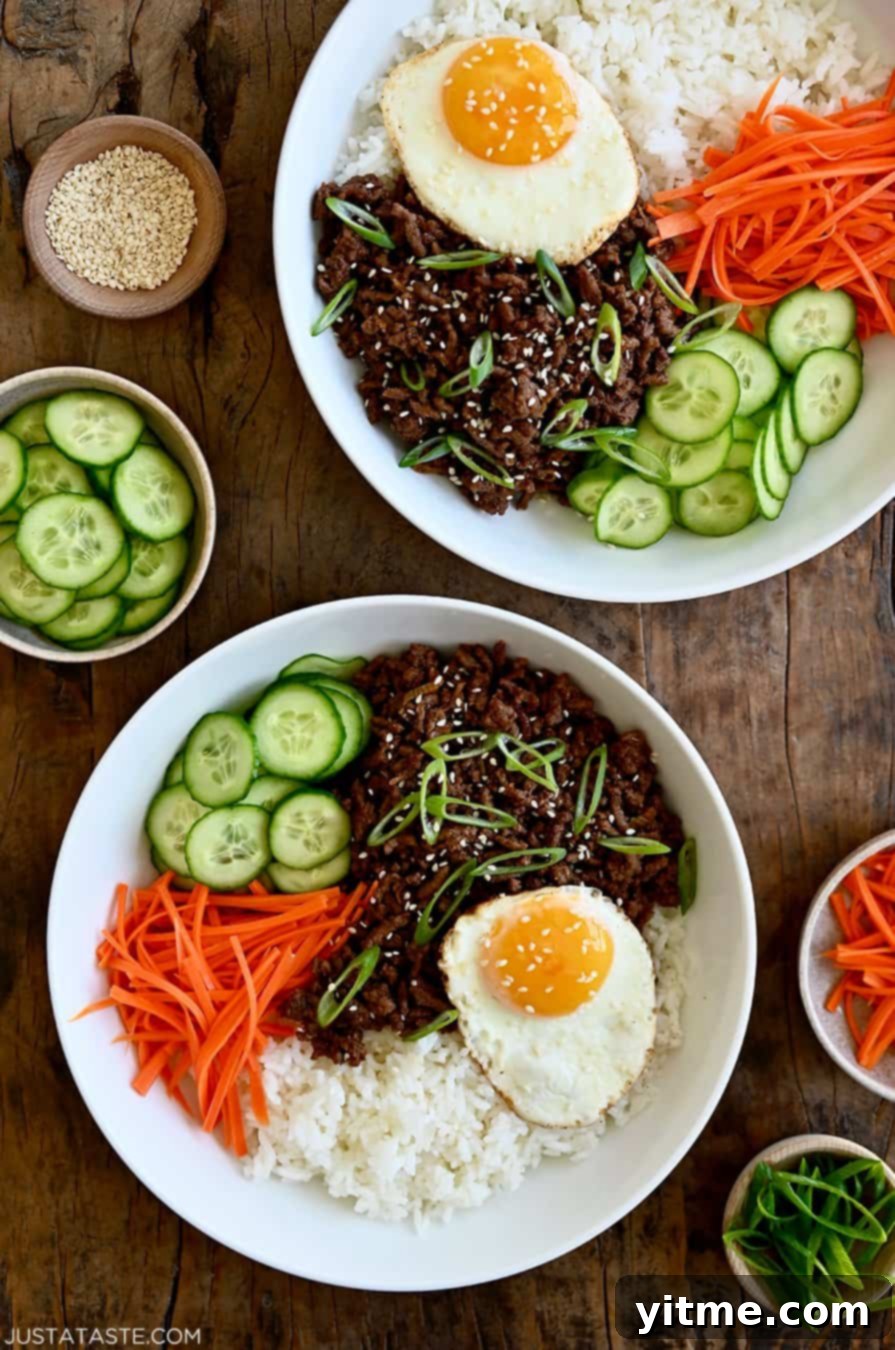
Served generously over a warm, fluffy bed of rice and beautifully finished with a runny fried egg or a generous drizzle of extra sauce (or both, if you’re feeling adventurous!), this Korean BBQ-inspired bowl is a guaranteed crowd-pleaser. It’s a dish that promises to bring smiles and satisfaction to everyone at the table, proving that a quick meal can also be an exceptionally delicious one.
Why You’ll Love This Korean Beef Bowl
- Incredibly Fast: This entire meal, from start to finish, is ready in 25 minutes or less, making it the perfect solution for even the busiest weeknights when time is of the essence.
- Perfect for Meal Prepping: Similar to a deconstructed egg roll in a bowl, all the individual components of this dish can be prepped, cooked, and stored separately. This allows for quick, easy assembly of fresh, delicious meals throughout the week without losing texture or flavor.
- Simple, Accessible Ingredients: If you’re a fan of stir-fries or other Asian-inspired cooking, chances are you already have most of these pantry staples on hand. No obscure ingredients required, making grocery shopping a breeze.
- Highly Versatile Base: The savory Korean ground beef pairs wonderfully with a variety of bases. While steamed jasmine rice is a classic, feel free to experiment with brown rice, quinoa, or even low-carb cauliflower rice to suit your dietary preferences.
- Endlessly Customizable Toppings: This is where the fun truly begins! Elevate your bowl with an array of fresh vegetables like shredded carrots, thinly sliced cucumbers, or blanched broccoli. Don’t shy away from traditional Korean toppings like kimchi for an authentic flavor boost, or a perfectly fried egg for added richness.
- Explosive Flavor Profile: The sauce is a harmonious blend of sweet, salty, savory, and umami, with a customizable level of heat. It coats the ground beef beautifully, ensuring every bite is packed with bold, satisfying Korean-inspired flavors that will tantalize your taste buds.
Essential Ingredients for Your Korean Beef Bowl
Crafting the perfect Korean Beef Bowl starts with a selection of fresh, high-quality ingredients that come together to create its signature flavor. Here’s a closer look at what you’ll need:
- Ground Beef: I highly recommend using lean ground beef (around 85% lean) to keep the dish light and flavorful without excessive grease. If you prefer an even leaner option, 90% lean ground beef works equally well and delivers fantastic results. This choice ensures a hearty yet balanced meal.
- Low-Sodium Soy Sauce: This forms the cornerstone of our savory sauce, providing that distinctive umami depth without overwhelming the dish with saltiness. For those with dietary restrictions, a simple swap to tamari or coconut aminos will make this Korean beef bowl entirely gluten-free.
- Brown Sugar: A touch of brown sugar is essential for balancing the bold savory notes with just the right amount of sweetness. It helps to caramelize the beef beautifully. If you’re out of brown sugar, honey makes for an excellent alternative, offering a slightly different but equally delicious sweetness.
- Sesame Oil: This ingredient is a flavor powerhouse! A small amount of toasted sesame oil goes a long way in imparting a rich, nutty, and distinctly aromatic flavor that is quintessential to Korean cuisine. Be sure to use toasted sesame oil for the best results.
- Rice Wine Vinegar: To cut through the richness and add a bright, tangy acidity, rice wine vinegar is indispensable. It brightens the entire flavor profile and adds a lovely depth.
- Fresh Garlic and Ginger: These aromatic powerhouses are non-negotiable! Freshly minced garlic and grated ginger provide an intense, pungent, and incredibly fragrant base for the sauce. Always opt for fresh over powdered for superior flavor.
- Scallions (Green Onions): The white parts of the scallions are incorporated into the sauce for a subtle, fresh onion flavor that harmonizes with the other aromatics. Reserve the vibrant green parts to use as a beautiful and flavorful garnish just before serving.
- Chili Garlic Sauce or Gochujang: For those who appreciate a pleasant warmth and a touch of complexity, a dash of chili garlic sauce or traditional Korean Gochujang chili paste is highly recommended. This ingredient is optional, but it truly elevates the dish with its savory heat.
Refer to the full recipe card below for precise measurements and quantities.
Choose Your Perfect Base
One of the most appealing aspects of these versatile Korean ground beef bowls is how easily you can customize the base. The foundation you choose can entirely transform the meal, adapting it to your preferences or dietary needs. Here are some of my top recommendations:
- Rice: Steamed white rice, such as jasmine or basmati, remains a timeless and beloved choice for these ground beef bowls, soaking up the flavorful sauce beautifully. However, for an extra layer of sweetness and fragrance that complements the savory beef, I adore using coconut rice. Alternatively, brown rice offers a more wholesome, nutty, and fiber-rich option that’s equally delicious.
- Cauliflower Rice: If you’re seeking a fantastic low-carb alternative, cauliflower rice is an excellent choice. It’s light, healthy, and incredibly adept at absorbing every drop of the rich Korean sauce, ensuring you don’t miss out on any flavor.
- Quinoa: For those looking to significantly boost the protein content and add a complete grain to their meal, quinoa is a superb option. Its slightly nutty flavor and fluffy texture provide a wonderful contrast to the savory beef. Check out my detailed tutorial for how to cook quinoa to achieve perfectly fluffy results every time.
- Mixed Greens: Transform this hearty meal into a lighter, veggie-packed Korean beef salad bowl by piling the flavorful beef and all your favorite toppings over a bed of crisp mixed greens. This is an ideal choice for a lighter lunch or dinner.
Step-by-Step Guide: How to Make a Korean Beef Bowl
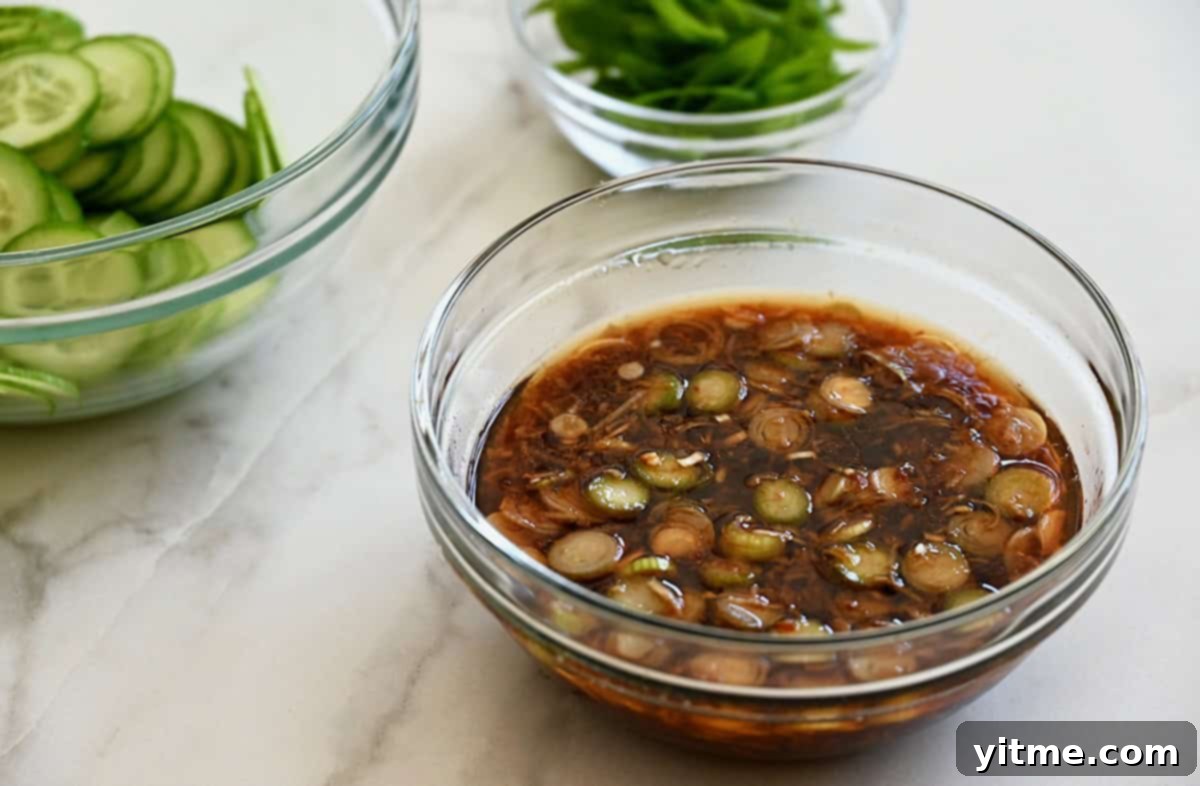
- Prepare the Savory Sauce: In a small bowl, combine all the sauce ingredients: low-sodium soy sauce, packed brown sugar, toasted sesame oil, rice wine vinegar, minced garlic, minced fresh ginger, and the white parts of the sliced scallions. Whisk everything together thoroughly until the sugar has dissolved and the sauce is well combined. Set this flavorful mixture aside as you prepare the beef.
- Brown the Ground Beef to Perfection: While it might be tempting to quickly mash your ground beef as it cooks, a little patience here will yield significantly juicier and more flavor-packed results for your beef bowls. For optimal, even cooking, allow your ground beef to come to room temperature for about 15 minutes before you begin. Add the beef to a large nonstick skillet and cook it over medium-low heat. Let it sit undisturbed for the first 5 minutes to develop a beautiful crust and rich color before you start breaking it apart with a spatula. Continue cooking until the beef is thoroughly browned. Once cooked, carefully drain any excess grease from the pan to keep the dish light and flavorful.
Pro Tip for Browning Beef: Resist the urge to constantly break apart your ground beef! Allowing it to cook undisturbed for the first 5 minutes creates a caramelized crust, which translates to deeper flavor and a more satisfying texture that often gets lost when the meat is mashed too early.
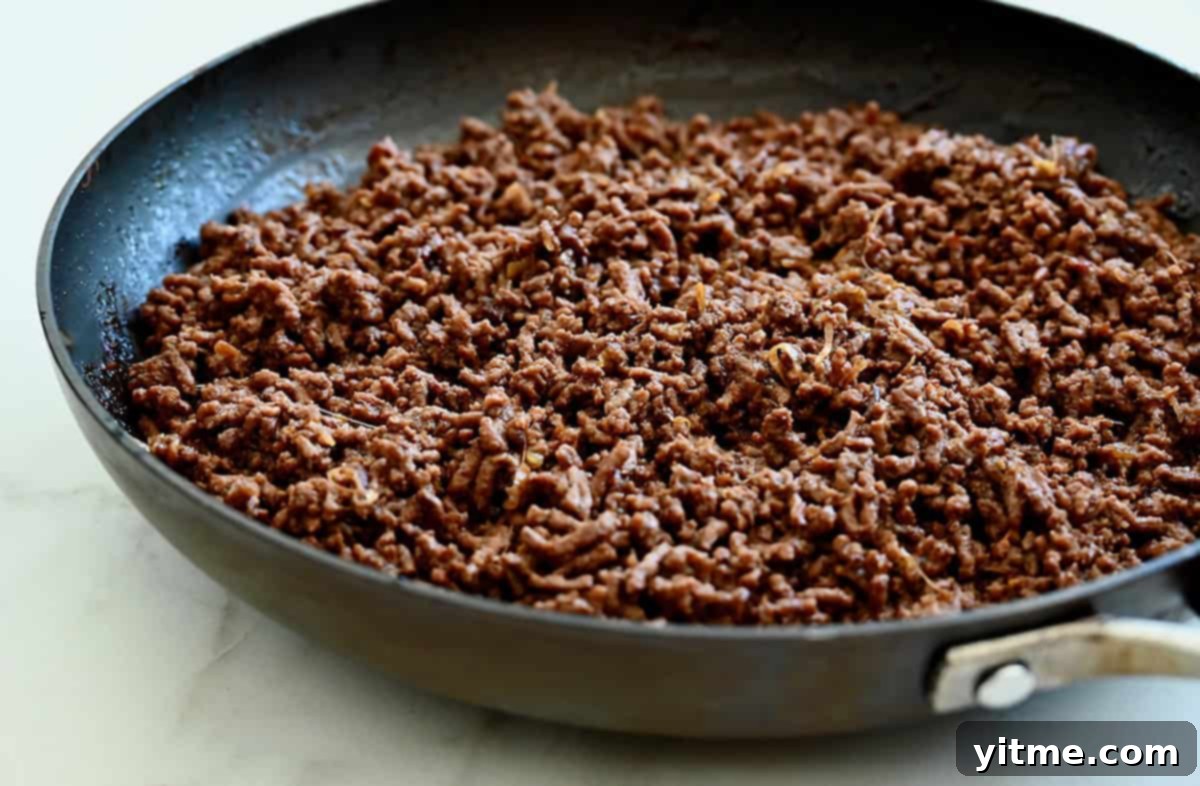
- Combine Beef with the Flavorful Sauce: Once your ground beef is beautifully browned and the excess grease has been drained, pour the prepared Korean sauce directly into the skillet with the beef. Increase the heat to medium. Stir continuously to ensure every piece of beef is thoroughly coated in the rich, aromatic sauce. Continue to cook for approximately 3 to 4 minutes, allowing the sauce to gently simmer and thicken slightly, clinging to the beef and infusing it with all its sweet, savory, and spicy goodness.
- Assemble Your Perfect Korean Beef Bowls: Now comes the best part – assembly! Spoon a generous portion of the saucy Korean ground beef over your chosen base (steamed white rice, brown rice, quinoa, or cauliflower rice). Arrange your favorite fresh toppings artfully around the beef. My absolute dream bowl features a perfectly cooked, yolky over-easy egg and an extra drizzle of spicy Gochujang chili sauce. When everything is mixed together, the rich egg yolk and the fiery Gochujang combine to create a magical secret sauce that coats every component of the bowl in an irresistible symphony of savory, spicy, and utterly delicious flavors.
Meal Prep & Storage Made Easy
- For Meal Prepping: This Korean beef bowl recipe is an absolute champion for meal prep! Once cooked, allow the beef and sauce mixture to cool completely before transferring it to an airtight container. It will stay fresh and delicious in the refrigerator for up to 4 days. I highly recommend storing components like cooked rice and crisp vegetables (such as cucumbers or carrots) separately until you’re ready to eat. This prevents sogginess and maintains their vibrant texture and freshness. Cooked rice, when stored correctly in an airtight container, also remains fresh for three to four days in the fridge.
- Reheating Instructions: When you’re ready to enjoy your prepped meal, simply combine the warm components – the beef mixture, rice, and any pre-cooked elements like a fried egg – in a microwave-safe bowl. Heat in 30-second intervals in the microwave, stirring occasionally, until everything is warmed through. Then, add your fresh, crisp vegetables and any desired garnishes, and savor your quick and healthy meal.
- Freezing for Later: The Korean beef mixture freezes exceptionally well, making it ideal for future meals. Portion the cooled beef and sauce into individual freezer-safe bags or containers, ensuring they are tightly sealed to prevent freezer burn. It can be stored in the freezer for up to 3 months. When ready to use, thaw overnight in the refrigerator and reheat as directed above.
Can I Make This Recipe With A Different Protein?
Absolutely! This Korean-inspired sauce is incredibly versatile and pairs beautifully with a variety of proteins, making it easy to adapt the recipe to your preferences or what you have on hand. Here are some of my favorite protein alternatives that work perfectly with this delicious dish:
- Tofu (Vegetarian Option): To create a delicious vegetarian Korean bowl, opt for extra-firm tofu. First, press it firmly to remove as much excess moisture as possible – this step is crucial for crispy tofu. Then, cut it into cubes or crumble it. You can either pan-fry the tofu until golden and then toss it with the prepared sauce, or marinate it in the sauce for a short while before cooking as directed for the beef.
- Chicken: Boneless, skinless chicken thighs or breasts are fantastic substitutes. Cut the chicken into bite-sized pieces and cook them in the skillet until browned and cooked through before adding the sauce. Alternatively, if you have leftover easy roast chicken, simply slice or shred it and toss it with the warmed Korean sauce for a quick meal.
- Pork: Thinly sliced pork tenderloin or pork shoulder works wonderfully in this dish, offering a slightly different but equally satisfying flavor. Cook the pork slices in the skillet until they are nicely browned and cooked through before incorporating the sauce. Ground pork can also be used as a direct substitute for ground beef.
- Ground Turkey or Chicken: For a leaner twist, ground turkey or ground chicken are excellent alternatives to ground beef. Simply brown your preferred ground meat in the skillet, breaking it apart, and then proceed with the recipe by mixing it with the savory Korean sauce. These lighter options create a quick and tasty version of this popular bowl.
Customization Ideas & Toppings Galore
One of the true joys of this Korean Ground Beef Bowl is its adaptability. Don’t limit yourself to the suggested toppings; feel free to get creative and tailor your bowl to your personal preferences and what you have available. Here are some ideas to inspire your culinary creations:
- Vegetable Power: Beyond shredded carrots and sliced cucumbers, consider adding blanched or stir-fried broccoli florets, sautéed mushrooms, thinly sliced bell peppers (red, yellow, or orange), or even baby spinach that wilts beautifully with the warm beef. Pickled radishes or daikon can also add a delightful crunch and tang.
- Spicy Enhancements: If you love heat, don’t just stop at Gochujang in the sauce! Drizzle extra Gochujang directly onto your finished bowl, or add a sprinkle of red pepper flakes (gochugaru for an authentic touch) for an extra fiery kick. A dash of sriracha also works well.
- Nutty Crunch: Toasted sesame seeds are a classic garnish, but you can also try chopped roasted peanuts or cashews for a different kind of crunch and richness.
- Extra Protein Boost: A perfectly fried or soft-boiled egg is a must for many, adding a creamy yolk that mingles with the sauce. For even more protein, consider adding edamame or even a spoonful of kimchi for its probiotic benefits and tangy, spicy flavor.
- Herbal Freshness: Fresh cilantro or mint leaves, finely chopped, can add a burst of freshness that complements the savory beef beautifully.
- Sauce Variations: While the core sauce is fantastic, you can experiment. Add a tiny splash of fish sauce for extra umami depth, or a squeeze of lime juice at the end for brightness.
The beauty of these bowls lies in their ability to be a blank canvas for your culinary imagination. Mix and match to find your perfect combination!
Frequently Asked Questions (FAQ)
- What is Gochujang? Gochujang is a savory, sweet, and spicy fermented Korean chili paste made from gochugaru (Korean chili powder), glutinous rice, meju (fermented soybean powder), yeotgireum (barley malt powder), and salt. It adds a distinct depth of flavor and a rich red color to Korean dishes.
- Can I make this recipe less spicy? Absolutely! The chili garlic sauce or Gochujang is listed as optional for a reason. Simply omit it from the sauce entirely if you prefer a mild flavor. You can always add a small amount to individual servings for those who enjoy a little heat.
- Is this recipe suitable for gluten-free diets? Yes, it can be easily adapted! Swap the low-sodium soy sauce for a gluten-free alternative like tamari or coconut aminos. Always check labels on other ingredients like chili garlic sauce to ensure they are certified gluten-free.
- What is the best way to serve this dish? While traditionally served over steamed white rice, feel free to get creative! It’s fantastic with brown rice, quinoa, cauliflower rice (for a low-carb option), or even over a bed of fresh mixed greens as a salad. Don’t forget your favorite toppings like fresh vegetables, a fried egg, and sesame seeds.
- How can I make this dish even faster? To shave off a few more minutes, you can prep the sauce ahead of time and store it in the fridge for up to 3 days. Having your rice cooked and vegetables pre-chopped will also significantly speed up assembly.
More Beef Recipes You’ll Love
- Easy Beef and Broccoli
- Simple Beef Bulgogi Bowls
- Hearty Cuban Picadillo
- 30-Minute Beef Lo Mein
Craving more delicious and easy recipes? Subscribe to Just a Taste to get new recipes, meal plans, and a delightful newsletter delivered straight to your inbox! And be sure to stay in touch on Facebook, TikTok, Pinterest, and Instagram for all of the latest updates and culinary inspiration.
Korean Beef Bowl Recipe
Kelly Senyei
15 minutes
10 minutes
25 minutes
6
servings
Ingredients
- 1/2 cup low sodium soy sauce
- 1/2 cup packed light brown sugar
- 2 teaspoons sesame oil
- 2 Tablespoons rice wine vinegar
- 1 1/2 teaspoons chili garlic sauce or Gochujang Chili Sauce (optional)
- 1 Tablespoon minced garlic
- 1 Tablespoon minced fresh ginger
- 1/4 cup sliced scallions, white parts only (reserve green parts for garnish)
- 2 pounds lean ground beef
- Cooked white rice, for serving
- Sliced cucumbers, shredded carrots, fried eggs and sesame seeds, for serving (optional)
Instructions
- In a small bowl, whisk together the soy sauce, brown sugar, sesame oil, rice wine vinegar, chili garlic sauce, garlic, ginger and scallions. Set the mixture aside.
- Add the ground beef to a large nonstick skillet set over medium-low heat. Cook, breaking apart the meat with a spatula, until browned. Drain any grease.
- Add the sauce mixture to the pan and increase the heat to medium. Cook, stirring, until the meat is cooked through and the sauce has thickened slightly, 3 to 4 minutes.
- Spoon the ground beef over rice. Garnish with sliced green parts of scallions. Serve with sliced cucumbers, shredded carrots, fried eggs and sesame seeds (optional).
- ★ Did you make this recipe? Don’t forget to give it a star rating below!
Nutrition
Calories:
307
kcal
,
Carbohydrates:
20
g
,
Protein:
35
g
,
Fat:
9
g
,
Saturated Fat:
4
g
,
Polyunsaturated Fat:
1
g
,
Monounsaturated Fat:
4
g
,
Trans Fat:
1
g
,
Cholesterol:
94
mg
,
Sodium:
932
mg
,
Potassium:
644
mg
,
Fiber:
0.4
g
,
Sugar:
18
g
,
Vitamin A:
42
IU
,
Vitamin C:
1
mg
,
Calcium:
41
mg
,
Iron:
4
mg
Did you try this recipe?
Leave a comment below with your star rating!