Broccoli: Your Ultimate Guide to This Nutrient-Packed Superfood and Culinary Star
Often remembered as the vegetable that graced (or perhaps haunted) our childhood dinner plates and famously avoided by a past U.S. president, broccoli has triumphantly emerged as the most popular cruciferous vegetable in the United States. Far more than just a green accompaniment, this vibrant member of the cabbage family, closely related to cauliflower, cabbage, and Brussels Sprouts, is a true nutritional powerhouse. Packed to the brim with dietary fiber, protein, powerful antioxidants, and essential vitamins – including a remarkable amount of vitamin C, even more than an orange – broccoli is an indispensable ingredient for a healthy lifestyle. While readily available in grocery stores year-round, its peak season, from October through April, offers the freshest and most flavorful heads.
This comprehensive guide will delve deep into the world of broccoli, exploring its incredible health benefits, offering expert advice on how to select and store it for maximum freshness, and providing a plethora of culinary ideas to help you incorporate this versatile vegetable into your diet. Whether you’re a seasoned chef or a hesitant home cook, prepare to unlock the full potential of broccoli and transform it from a mere side dish into a star ingredient in your kitchen.
The Remarkable Health Benefits of Broccoli: A Nutritional Powerhouse
Broccoli isn’t just a vegetable; it’s a superfood that brings a wealth of health advantages to your plate. Its rich nutrient profile contributes to overall well-being, disease prevention, and vitality. Here’s a closer look at what makes broccoli so beneficial:
- Rich in Vitamin C: Often associated with citrus fruits, broccoli boasts an impressive amount of Vitamin C, a potent antioxidant crucial for immune system support, collagen production for healthy skin, and protecting cells from damage caused by free radicals.
- Abundant in Vitamin K: Essential for blood clotting and bone health, Vitamin K in broccoli plays a vital role in maintaining skeletal integrity and preventing osteoporosis.
- Excellent Source of Dietary Fiber: The high fiber content aids digestion, promotes gut health by feeding beneficial bacteria, helps regulate blood sugar levels, and contributes to a feeling of fullness, which can assist in weight management.
- Packed with Antioxidants: Beyond Vitamin C, broccoli contains powerful antioxidants like sulforaphane, indole-3-carbinol, beta-carotene, and flavonoids. These compounds are renowned for their anti-inflammatory properties and their potential role in cancer prevention by neutralizing harmful free radicals and supporting detoxification pathways in the body.
- Good Source of Folate (Vitamin B9): Crucial for cell growth and function, folate is particularly important during pregnancy for fetal development and plays a role in heart health.
- Contains Essential Minerals: Broccoli provides important minerals such as potassium (for blood pressure regulation), iron (for oxygen transport), and calcium (for strong bones and teeth).
- Supports Heart Health: The fiber, antioxidants, and potassium in broccoli work synergistically to support cardiovascular health by helping to lower cholesterol levels, reduce inflammation, and maintain healthy blood pressure.
- Promotes Eye Health: With compounds like lutein and zeaxanthin, broccoli contributes to maintaining good vision and may help protect against age-related macular degeneration.
Incorporating broccoli regularly into your diet is a delicious and effective way to bolster your health and enjoy a vibrant, active lifestyle.
Buying Broccoli: How to Select the Freshest Heads
Selecting the freshest broccoli is key to enjoying its optimal flavor and nutritional benefits. When you’re at the grocery store or farmer’s market, keep an eye out for these indicators of quality:
- Color: Look for heads with a deep, vibrant green color. Avoid any broccoli that shows signs of yellowing, as this indicates that it’s past its prime and may have a tougher texture and reduced flavor. Yellowing florets are a sign of wilting and impending spoilage.
- Florets: The florets should be tight, compact, and firm to the touch. They should not be loose, spread apart, or have any visible flowering (small yellow blooms), which also indicates over-maturity.
- Stalks and Leaves: The stalks should be firm, bright green, and sturdy. If there are leaves attached, they should also be crisp and green, not wilted or discolored. A firm stalk is a good indicator of overall freshness.
- Absence of Blemishes: Inspect the broccoli for any soft spots, mold, or brown patches, which are all signs of spoilage. The entire head should appear healthy and intact.
- Weight: A fresh head of broccoli will feel heavy for its size, indicating good moisture content.
By following these simple tips, you can ensure you’re bringing home the best quality broccoli every time.
Storing Broccoli: Maximizing Freshness and Shelf Life
Proper storage is crucial for maintaining broccoli’s freshness, crispness, and nutritional value. With the right technique, you can keep your broccoli in excellent condition for up to a week.
Short-Term Storage (Up to 7 Days)
The best way to store fresh broccoli is unwashed, in a perforated plastic bag in the crisper drawer of your refrigerator. The perforation allows for proper air circulation while preventing excessive moisture buildup, which can lead to mold and spoilage. Storing it unwashed helps to prevent premature spoilage from excess moisture. While it can last up to a week, broccoli is always at its absolute best – crispest and most flavorful – within the first few days of purchase.
Long-Term Storage (Freezing)
For longer storage, freezing is an excellent option that locks in nutrients and flavor for several months. Here’s how to do it:
- Wash and Cut: Thoroughly wash the broccoli head and cut it into desired florets and pieces, peeling and slicing the stem if you plan to use it.
- Blanch: Bring a large pot of water to a rolling boil. Prepare a large bowl of ice water. Submerge the broccoli florets in the boiling water for 3 minutes. This process, called blanching, helps to preserve color, texture, and nutrients by halting enzyme action.
- Chill: Immediately transfer the blanched broccoli to the ice water bath for 3 minutes to stop the cooking process.
- Drain and Dry: Drain the broccoli thoroughly and pat it very dry with paper towels. Excess moisture can lead to freezer burn.
- Freeze: Spread the dried broccoli in a single layer on a baking sheet and freeze until solid (this prevents clumping). Once frozen, transfer the broccoli to airtight freezer bags or containers, removing as much air as possible before sealing. Frozen broccoli can last for 6 to 8 months.
Preparing Broccoli: From Head to Plate
Once you’ve selected and properly stored your broccoli, it’s time for preparation. All parts of the broccoli plant are edible, including the florets, stems, and even the tender leaves, though recipes typically focus on the florets and stems.
- Rinse Thoroughly: Always rinse the entire head of broccoli under cold running water to remove any dirt or residues. Pat dry with a clean towel or paper towels.
- Remove Leaves (Optional): If there are leaves attached to the stem, you can remove them, especially if they appear discolored or unhealthy. Tender, vibrant leaves can actually be cooked and eaten, much like kale or spinach, often adding a slightly more bitter note.
- Separate Florets: Using a sharp chef’s knife, carefully cut the florets from the main stalk. Aim for bite-sized pieces that are roughly uniform in size for even cooking. You can trim the tough ends of the florets if desired.
- Prepare the Stem: Don’t discard the stem! It’s perfectly edible and nutritious. Peel the tough outer layer of the main stalk with a vegetable peeler. Once peeled, you can slice the stem into rounds, matchsticks, or small cubes. The stem has a slightly milder, sweeter flavor and a denser texture than the florets, making it great for stir-fries, roasting, or even raw in salads.
- Ready for Cooking: Your broccoli is now ready to be cooked according to your chosen recipe!
Versatile Cooking Methods for Broccoli
Broccoli’s mild, slightly nutty flavor and satisfying texture make it incredibly versatile in the kitchen. Here are some of the most popular and delicious ways to prepare it:
Steaming Broccoli: Quick, Healthy & Vibrant
Steaming is one of the healthiest ways to cook broccoli as it helps retain its vibrant color, crisp-tender texture, and maximum nutrient content. Place florets in a steamer basket over an inch or two of boiling water, cover, and steam for 5-7 minutes until tender-crisp. Season with a drizzle of olive oil, salt, and pepper, or a squeeze of lemon juice.
Roasting Broccoli: Flavorful & Caramelized
Roasting brings out broccoli’s natural sweetness and creates delicious caramelized edges. Toss florets and peeled, sliced stems with olive oil, salt, pepper, garlic powder, and perhaps a pinch of red pepper flakes. Spread on a baking sheet in a single layer and roast at 400°F (200°C) for 15-25 minutes, flipping halfway, until tender and lightly browned.
Stir-Frying Broccoli: Fast & Crisp
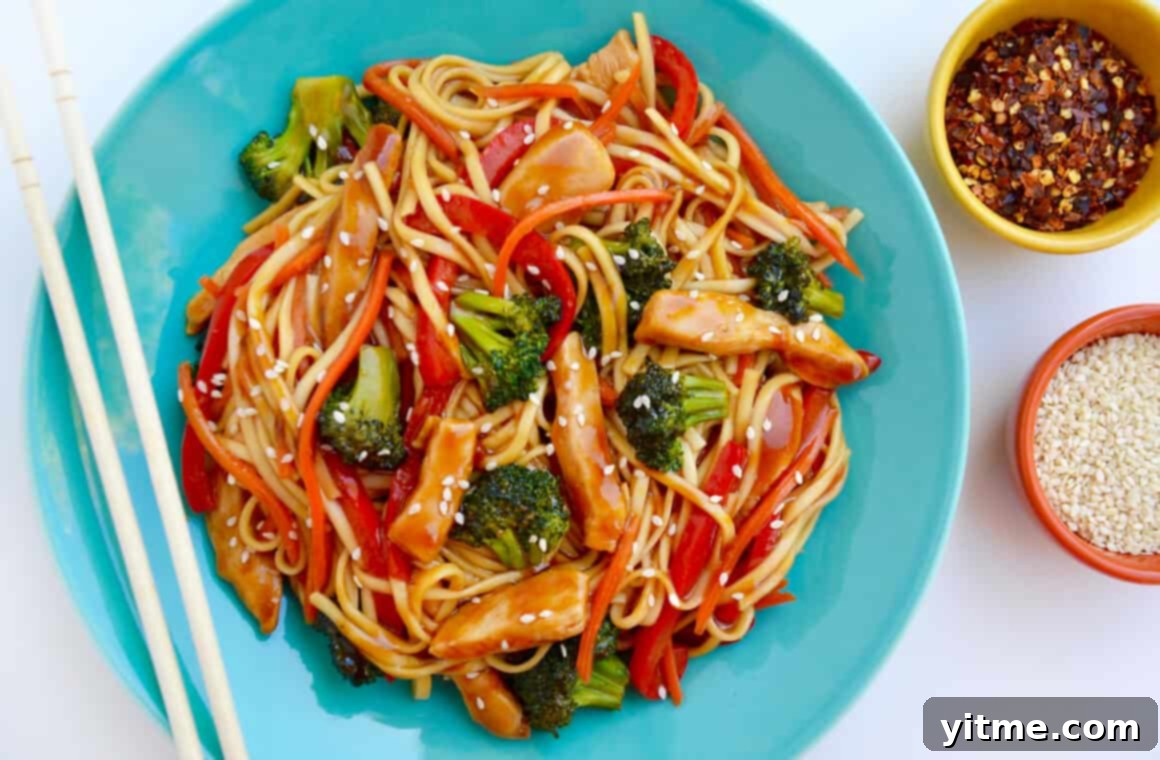
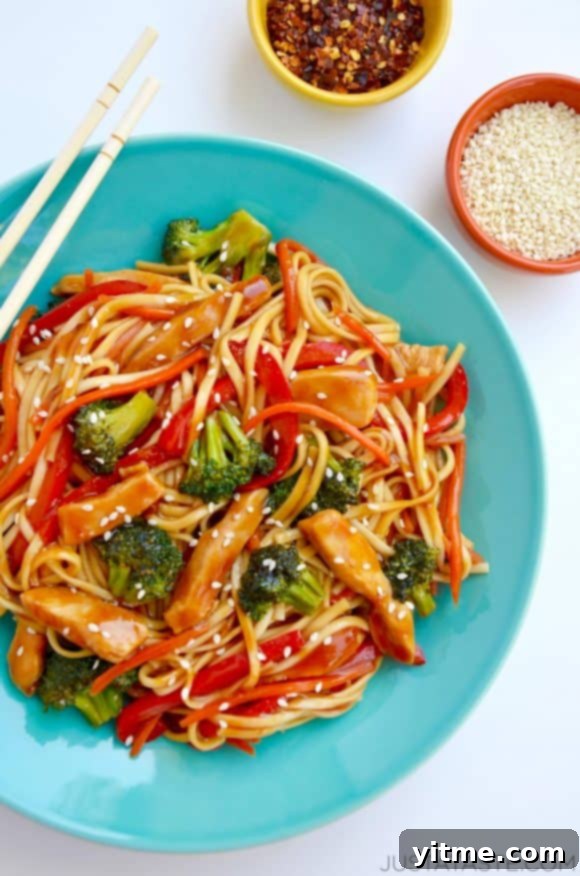
Perfect for quick weeknight meals, stir-frying keeps broccoli crisp and combines it beautifully with other vegetables, proteins, and sauces. Heat a wok or large skillet with a bit of oil over medium-high heat. Add broccoli florets (and stem pieces) and stir-fry for 3-5 minutes until bright green and tender-crisp. Incorporate into your favorite stir-fry recipes like Teriyaki Chicken Stir-Fry Noodles.
Blanching Broccoli: Perfect for Salads & Freezing
Blanching involves briefly boiling broccoli and then plunging it into ice water. This method brightens its color, slightly tenderizes it while maintaining crunch, and is ideal for preparing broccoli for salads, veggie platters, or for freezing. Boil for 1-2 minutes, then immediately chill in ice water.
Raw Broccoli: Crisp & Nutritious
Enjoying broccoli raw maximizes its nutrient content and offers a satisfying crunch. It’s excellent in salads, like a veggie bar, or served with dips. Just make sure to wash it thoroughly and cut it into small, manageable florets.
Grilling Broccoli: Smoky & Delicious
For a unique smoky flavor, try grilling broccoli. Toss florets with olive oil, salt, and pepper. Place them in a grill basket or directly on grill grates over medium heat for 5-8 minutes, turning occasionally, until tender-crisp with visible char marks.
Delicious Broccoli Recipes to Inspire Your Kitchen
Broccoli’s versatility shines through in a countless array of dishes. From wholesome main courses to delightful snacks and irresistible sides, there’s a broccoli recipe for every palate. Even picky eaters can learn to love their greens with the right preparation!
Kid-Friendly Favorites
- Baked Broccoli Tots: A genius way to get kids (and adults!) to enjoy broccoli. These crispy, savory tots are perfect for dipping in favorites like spicy ketchup or creamy garlic aioli. They transform broccoli into a fun, dippable snack.
- Broccoli Cheese Bites: Combine finely chopped broccoli with shredded cheese, a binding agent like egg and breadcrumbs, and bake into delicious, savory nuggets.
- Hidden Broccoli Pasta Sauce: Puree steamed broccoli into a creamy cheese sauce or tomato sauce for a boost of nutrition that even the most discerning diners won’t detect.
Quick & Easy Meals
- Speedy Broccoli Stir-Fry: As mentioned, broccoli is excellent in a stir-fry. Combine it with chicken, beef, tofu, or other vegetables and your favorite stir-fry sauce for a quick and nutritious meal.
- Broccoli and Garlic Pasta: Sauté garlic in olive oil, add steamed or blanched broccoli, toss with your favorite pasta, a splash of pasta water, and a generous sprinkle of Parmesan cheese.
- Sheet Pan Lemon Garlic Broccoli with Chicken: A simple, one-pan meal where broccoli and chicken are roasted together with lemon, garlic, and herbs for minimal cleanup.
Gourmet Sides & Salads
- Roasted Broccoli with Parmesan: A classic for a reason. Roasting brings out its best flavor, and Parmesan adds a salty, umami kick.
- Broccoli Slaw Salad: Use raw, thinly sliced broccoli stems and finely chopped florets as the base for a vibrant slaw with a creamy dressing, dried cranberries, and nuts.
- Broccoli and Cheddar Soup: A comforting and hearty soup that highlights broccoli’s earthy flavor, often pureed for a smooth, creamy texture.
Embrace the Broccoli Advantage
From its humble beginnings as a potentially dreaded vegetable to its rightful place as a celebrated superfood, broccoli offers an unparalleled combination of taste, versatility, and health benefits. Its ease of preparation and ability to adapt to a myriad of culinary styles make it a staple in kitchens around the globe.
By understanding how to select the freshest heads, store them properly, and prepare them using various delicious methods, you can effortlessly incorporate more of this powerful green into your daily diet. Whether steamed, roasted, stir-fried, or enjoyed raw, broccoli is a simple, effective, and delicious way to boost your nutritional intake and support a healthier lifestyle. It’s time to move beyond any lingering childhood aversion and fully embrace the incredible advantages that broccoli brings to your table.
What are your favorite broccoli recipes you have in your recipe repertoire? Share your culinary creations and tips in the comments below!