Delicious and Easy Potato Recipes: A Comprehensive Guide
The humble potato, a seemingly simple vegetable, holds a prominent place in cuisines around the world. Cultivated for over 5,000 years, potatoes are grown in countless countries and offer unparalleled versatility in the kitchen. However, not all potatoes are created equal. Different varieties possess unique characteristics that make them better suited for certain culinary applications. Understanding these differences is key to unlocking the full potential of this versatile root vegetable and creating truly exceptional dishes.
This guide delves into the world of potatoes, exploring their different types, how to select and store them properly, and a variety of delectable recipes to inspire your culinary adventures. Whether you’re a seasoned chef or a novice cook, this resource will equip you with the knowledge and inspiration to transform the humble potato into a culinary masterpiece.
Potato Varieties: Choosing the Right Potato for the Job
Potatoes are broadly categorized into two main types: starchy and waxy. Each type has a distinct texture and behavior when cooked, making them ideal for different dishes.
Starchy Potatoes: The Fluffy Choice
Starchy potatoes, such as russets, purple potatoes, and blue potatoes, are characterized by their high starch content and low moisture levels. When cooked, these potatoes become light, fluffy, and absorbent, making them perfect for:
- Baking: The high starch content allows these potatoes to bake up into a light and airy texture, perfect for loading with toppings or serving as a side dish.
- French Fries: The fluffy interior and ability to crisp up nicely make starchy potatoes the ideal choice for homemade French fries.
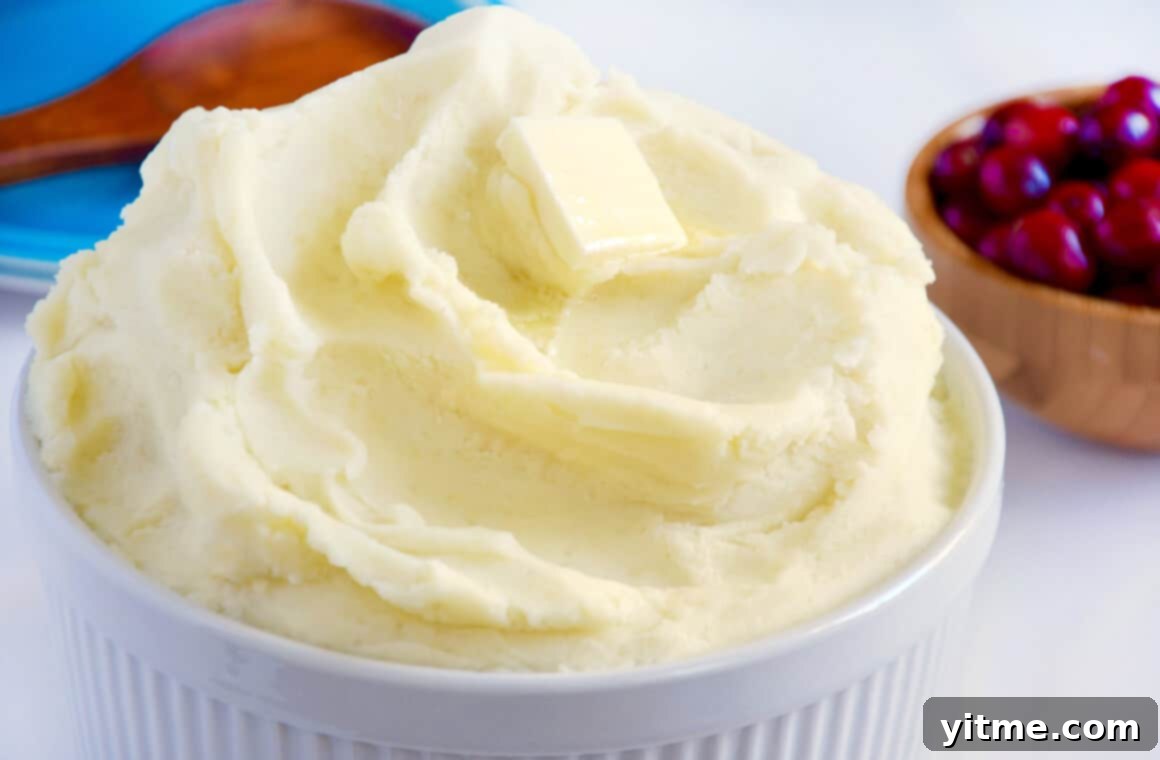
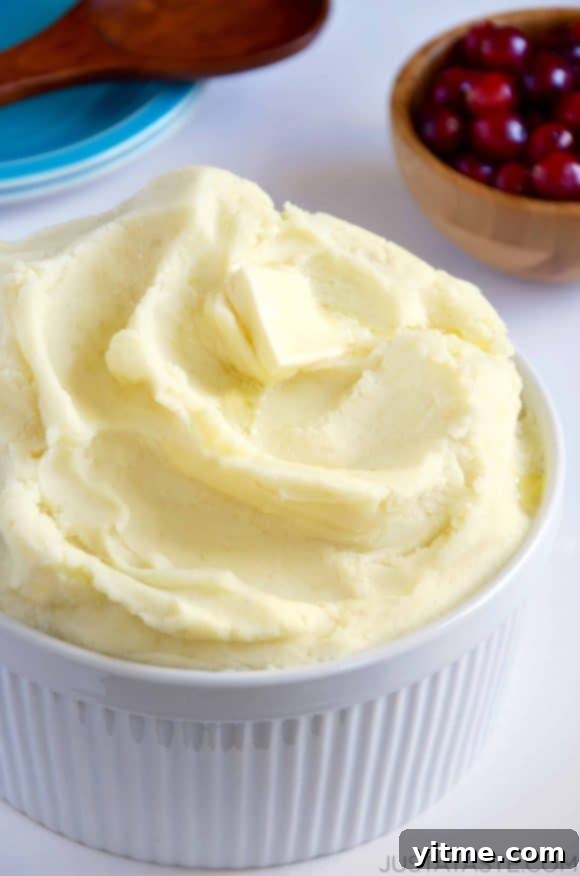
- Mashed Potatoes: When mashed, starchy potatoes yield a light and fluffy consistency, creating a creamy and comforting side dish.
- Potato Flakes/Dehydrated Potatoes: The texture lends itself perfectly to this industrial process.
Waxy Potatoes: Firm and Creamy
Waxy potatoes, including red potatoes, white potatoes, and yellow potatoes, have a lower starch content and higher moisture levels compared to their starchy counterparts. These potatoes hold their shape well when cooked and develop a creamy texture, making them ideal for:
- Boiling: Waxy potatoes retain their shape and firmness when boiled, making them perfect for potato salads, soups, and stews.
- Roasting: Roasting waxy potatoes brings out their natural sweetness and creates a crispy exterior with a creamy interior.
- Potato Salads: The firm texture of waxy potatoes prevents them from becoming mushy in potato salads, ensuring a delightful bite.
- Soups and Stews: Waxy potatoes hold their shape and add a creamy texture to soups and stews without disintegrating.
New Potatoes: A Delicate Delight
New potatoes are a type of waxy potato harvested before they reach full maturity. They have a delicate skin, a low starch content, and a subtly sweet flavor. New potatoes are best enjoyed simply prepared, such as:
- Steaming: Steaming new potatoes preserves their delicate flavor and texture.
- Roasting Whole: Roasting new potatoes whole brings out their natural sweetness and creates a crispy skin.
- Boiling and Serving with Butter and Herbs: A simple yet elegant way to enjoy the delicate flavor of new potatoes.
Beyond the Basics: Creative Potato Recipes
The versatility of potatoes extends far beyond simple side dishes. They can be transformed into comforting favorites and innovative culinary creations. Here are a few inspiring recipe ideas:
- Loaded Baked Potato Soup: Indulge in the ultimate comfort food with a creamy and flavorful loaded baked potato soup, topped with all your favorite baked potato fixings.
- Cheesy Leftover Mashed Potato Pancakes: Transform leftover mashed potatoes into crispy and cheesy pancakes, a delicious and creative way to reduce food waste.
- Homemade Barbecue Potato Chips: Skip the store-bought chips and make your own crispy and flavorful barbecue potato chips at home.
- Chorizo and Cheddar Potato Skins: Elevate potato skins with spicy chorizo and sharp cheddar cheese for a crowd-pleasing appetizer.
- Homemade Gnocchi: Master the art of homemade gnocchi with a light and fluffy potato-based dough, perfect for pairing with your favorite sauces.
- Spanish Tortillas: Discover the flavors of Spain with a traditional Spanish tortilla, a thick potato and egg omelet, served with a refreshing tomato salad.
These are just a few examples of the many delicious and creative ways to use potatoes. With a little imagination, you can transform this humble vegetable into a culinary masterpiece.
How to Buy the Best Potatoes
Selecting high-quality potatoes is crucial for achieving the best results in your recipes. When purchasing potatoes, look for the following characteristics:
- Firmness: Choose potatoes that are firm to the touch, without any soft spots or blemishes.
- Smooth Skin: Look for potatoes with smooth, unblemished skin, free from cuts, bruises, or wrinkles.
- No Green Tint or Sprouts: Avoid potatoes that have a green tint or have started to sprout, as these are signs of solanine production, a toxic compound that can cause bitterness and digestive upset.
- Avoid Damaged Potatoes: Make sure there are no cuts or dark spots.
It’s also a good idea to buy individual potatoes instead of pre-packaged bags, allowing you to inspect each one for quality.
Proper Potato Storage: Extending Shelf Life
Proper storage is essential for maintaining the quality and extending the shelf life of potatoes. Follow these tips for optimal potato storage:
- Cool, Dark, and Dry Place: Store potatoes in a cool, dark, and dry place with good air circulation, such as a pantry or cellar.
- Avoid Sunlight: Keep potatoes away from direct sunlight, as exposure to light can cause them to turn green and produce solanine.
- Do Not Refrigerate: Avoid refrigerating potatoes, as the cold temperatures can convert their starch into sugar, resulting in a sweet and unpleasant taste.
- Separate from Onions: Store potatoes separately from onions, as onions release ethylene gas, which can cause potatoes to sprout prematurely.
New potatoes have a shorter shelf life than mature varieties and should be used within a few days of purchase. Mature potatoes, when stored properly, can last up to two months. However, it’s important to check them regularly and remove any that have spoiled or sprouted, as one rotten potato can spoil an entire batch.
Preparing Potatoes for Cooking: A Step-by-Step Guide
Proper preparation is crucial for ensuring that your potatoes cook evenly and taste their best. Follow these steps when preparing potatoes for cooking:
- Wash Thoroughly: Wash potatoes thoroughly under cold running water, using a stiff brush to remove any dirt or debris.
- Remove Sprouts and Blemishes: Remove any sprout buds, dark spots, or flesh tinged with green, as these can impart a bitter taste.
- Peel or Leave Skin On: Peel or leave the skin on according to the recipe. Potato skins are a good source of fiber and nutrients, so leaving them on can add nutritional value to your dish.
- Cut into Uniform Pieces: Cut potatoes into uniform pieces to ensure even cooking.
Wait to wash the potatoes until you are ready to cook them to prevent oxidation.
Conclusion: Unleash Your Potato Potential
Potatoes are a versatile and nutritious vegetable that can be enjoyed in countless ways. By understanding the different types of potatoes, how to select and store them properly, and mastering a few basic cooking techniques, you can unlock the full potential of this humble ingredient and create truly exceptional dishes. So, embrace the versatility of the potato and embark on a culinary adventure filled with delicious and satisfying creations.
What are your favorite potato recipes? Share your culinary creations and tips in the comments below!