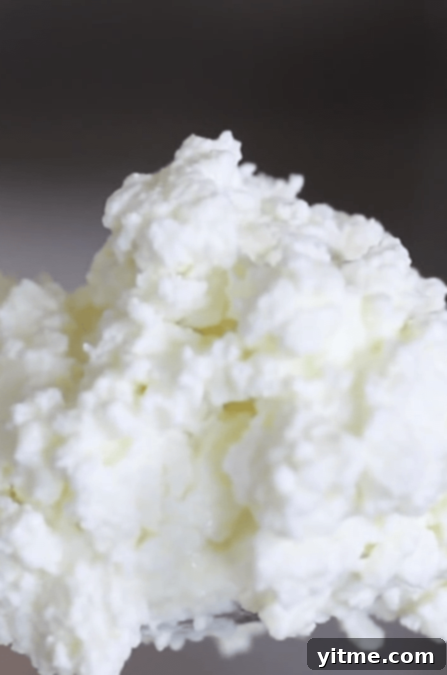
Easy Homemade Ricotta Cheese Recipe: Just 2 Ingredients!
Ricotta lovers, get ready to celebrate! Now you can create batch after batch of
your favorite creamy cheese using just two simple ingredients and a few essential
techniques. This easy homemade ricotta recipe is perfect for topping pizzas,
layering in lasagnas, or spreading generously on crostini. Let’s dive into the
world of cheesemaking and discover how simple it is to craft this delicious
dairy delight right in your own kitchen.
Why Make Ricotta Cheese at Home?
Making ricotta cheese at home might seem intimidating, but it’s surprisingly
easy and incredibly rewarding. Here are a few compelling reasons to try this
recipe:
-
Freshness and Flavor: Homemade ricotta boasts a flavor that
far surpasses store-bought varieties. The freshness is unmatched, and you
can truly taste the quality of the milk. -
Simplicity: This recipe requires just two basic ingredients:
whole milk and buttermilk. You likely already have these in your refrigerator! -
Control Over Ingredients: When you make ricotta at home, you
know exactly what’s going into it. No preservatives, additives, or
unnecessary ingredients. -
Cost-Effective: Making ricotta at home can be more
economical than buying it from the store, especially if you use high-quality
milk. -
Satisfying Experience: There’s something truly special about
making your own cheese. It’s a fun and engaging culinary project that will
leave you feeling accomplished.
The Simple Ingredients You’ll Need
This homemade ricotta cheese recipe calls for just two key ingredients:
-
Whole Milk: 8 cups of whole milk form the base of our
ricotta. Whole milk provides the necessary fat content for a rich and creamy
cheese. Opt for high-quality, pasteurized (but not ultra-pasteurized) whole
milk for the best results. -
Buttermilk: 2 cups of buttermilk act as the acid that
coagulates the milk proteins, forming the curds that make up the ricotta.
If you don’t have buttermilk, you can substitute it with a mixture of milk
and lemon juice or vinegar (see substitution options below).
Equipment You’ll Need for Homemade Ricotta
To make this ricotta cheese recipe successfully, you’ll need the following
equipment:
-
Large Pot: A heavy-bottomed pot, preferably stainless steel,
is essential for heating the milk evenly and preventing scorching. A 9-quart
or larger pot is ideal. A Le Creuset Cast-Iron 9-Quart Round French Oven works great. -
Thermometer: A reliable thermometer is crucial for monitoring
the milk’s temperature and ensuring it reaches the optimal range for curdling.
A Taylor Analog Thermometer is recommended. -
Cheesecloth: Several layers of cheesecloth are needed to
strain the curds from the whey. A Cheesecloth is essential for achieving the right texture. -
Colander: A colander is used to support the cheesecloth and
collect the whey as it drains. -
Bowl: A bowl is placed beneath the colander to catch the
draining whey.
Step-by-Step Instructions for Making Ricotta
Follow these simple steps to create delicious homemade ricotta:
-
Combine the Milk and Buttermilk: In the large pot, combine the
8 cups of whole milk and 2 cups of buttermilk. Stir gently to combine. -
Heat the Mixture: Place the pot over medium heat and attach
the thermometer to the side of the pot. Heat the milk mixture, stirring
occasionally, until it reaches 190-200°F (88-93°C). -
Observe Curdling: As the milk heats, you’ll notice it begins
to curdle. Small, white clumps (the curds) will separate from the yellowish
liquid (the whey). -
Remove from Heat: Once the milk reaches the desired
temperature and the curdling is evident, remove the pot from the heat. Let
the mixture sit undisturbed for 10 minutes to allow the curds to fully
form. -
Prepare the Cheesecloth: Line the colander with several layers
of cheesecloth, ensuring there’s enough overhang to gather the curds. Place
the colander over the bowl. -
Strain the Curds: Gently pour the curdled milk mixture into
the cheesecloth-lined colander. The whey will begin to drain into the bowl
below. -
Gather and Drain: Gather the edges of the cheesecloth and tie
them together to form a sack. Gently squeeze the sack to remove excess whey.
Be careful not to squeeze too hard, as this can result in dry ricotta. -
Hang or Refrigerate: For a drier ricotta, hang the cheesecloth
sack over the bowl for 30 minutes to 1 hour, allowing the whey to continue
draining. For a creamier ricotta, refrigerate the sack directly in the
colander over the bowl for a shorter period of time. -
Enjoy Your Ricotta: Once the ricotta has reached your desired
consistency, remove it from the cheesecloth and transfer it to an airtight
container. Store it in the refrigerator for up to 5 days.
Tips for Making Perfect Homemade Ricotta
Here are a few tips to ensure your homemade ricotta turns out perfectly every
time:
-
Use High-Quality Milk: The better the milk, the better the
ricotta. Opt for fresh, whole milk from a reputable source. -
Don’t Overheat: Overheating the milk can result in tough, dry
ricotta. Keep a close eye on the thermometer and remove the pot from the heat
as soon as it reaches the desired temperature. -
Don’t Over-Squeeze: Squeezing the cheesecloth sack too hard
will remove too much whey, resulting in dry ricotta. Be gentle and let the
whey drain naturally. -
Adjust Draining Time: The draining time will determine the
consistency of your ricotta. Longer draining times result in drier ricotta,
while shorter draining times result in creamier ricotta. -
Experiment with Flavors: Once you’ve mastered the basic
recipe, feel free to experiment with flavors. Add fresh herbs, spices, or
even a touch of honey to create unique and delicious ricotta variations.
Ricotta Cheese Recipe Variations
Once you’ve mastered the basic homemade ricotta recipe, try these delicious
variations:
-
Herb Ricotta: Stir in fresh herbs like basil, parsley,
chives, and thyme after draining the ricotta. See: Homemade Herb Ricotta. -
Lemon Ricotta: Add lemon zest and a squeeze of lemon juice
to the drained ricotta for a bright and citrusy flavor. -
Sweet Ricotta: Mix in a touch of honey, maple syrup, or
sugar to create a sweet ricotta that’s perfect for desserts. -
Spicy Ricotta: Incorporate red pepper flakes, chili powder,
or smoked paprika for a ricotta with a kick.
Serving Suggestions for Homemade Ricotta
Homemade ricotta is incredibly versatile and can be used in a variety of dishes.
Here are a few serving suggestions:
-
Pizza Topping: Use ricotta as a topping for pizzas, either on
its own or in combination with other cheeses and toppings. See: Shaved Asparagus and Ricotta Pizza. -
Lasagna Filling: Incorporate ricotta into lasagna as a creamy
and flavorful filling. See: Lots o’ Meat Lasagna. -
Crostini Topping: Spread ricotta on crostini and top with
various ingredients, such as roasted vegetables, balsamic glaze, or fresh
herbs. -
Pasta Filling: Use ricotta as a filling for ravioli, tortellini,
or other stuffed pasta dishes. -
Dessert Ingredient: Incorporate ricotta into desserts like
cheesecakes, cannoli, or ricotta pancakes.
Homemade ricotta cheese is a delightful addition to any culinary repertoire.
With its simple ingredients and straightforward process, you can enjoy fresh,
creamy ricotta whenever the craving strikes. So, gather your ingredients, follow
these steps, and savor the taste of homemade goodness!
Craving more delicious recipes? Subscribe to the
Just a Taste YouTube channel
and stay in touch on
Facebook,
Twitter
and
Instagram
for all of the latest updates.
Disclosure: There are Amazon affiliate links in this post.