The Ultimate Guide to Fresh Peas: Buying, Storing, Preparing, and Delicious Recipes
Brilliantly green, incredibly tender, and bursting with a sweet, earthy flavor, fresh peas are a true culinary delight that often gets overshadowed by their frozen or canned counterparts. While convenience has its place, nothing quite compares to the vibrant taste and satisfying texture of plump peas plucked straight from their pods. Far from being a mere afterthought or simple soup ingredient, these seasonal gems add remarkable sweetness, depth, and a pop of color to an astonishing variety of dishes. From refreshing dips and elegant tarts to hearty pasta salads and flavorful fried rice, fresh peas elevate any meal they grace. Their season is fleeting, and once harvested, their natural sugars quickly begin to convert to starch, making immediate enjoyment paramount for experiencing them at their peak sweetness. Ready to embrace this exquisite seasonal produce and transform your cooking? Read on to discover everything you need to know about buying, storing, and preparing fresh peas, along with creative ways to incorporate them into your culinary repertoire.
Why Embrace Fresh Peas? Beyond Just Flavor
Beyond their undeniable deliciousness, fresh peas offer a host of benefits that make them a worthy addition to your diet. Opting for fresh, in-season peas means you’re enjoying produce at its nutritional peak, packed with essential vitamins and minerals. They are an excellent source of Vitamin K, Vitamin C, and several B vitamins, including folate. Furthermore, peas provide a good amount of dietary fiber, which is crucial for digestive health, and plant-based protein, making them a fantastic ingredient for vegetarian and vegan meals. Their vibrant green hue signals a rich supply of antioxidants, which help combat oxidative stress in the body. Choosing fresh also means avoiding the added sodium often found in canned varieties, allowing the natural, pure taste of the pea to shine through.
Mastering the Art of Buying Fresh Peas
The journey to a perfect pea dish begins with selecting the finest fresh peas. Knowing what to look for can make all the difference in flavor and texture. There are generally three main types of fresh peas you’ll encounter, each with its unique characteristics and ideal uses:
English Peas (Shell Peas or Garden Peas)
These are the traditional peas that require shelling before eating, revealing tender, sweet spheres within. When selecting fresh English peas, also known as shell or garden peas, always look for pods that are firm, plump, and boast a vibrant, uniform green color. The pods should feel substantial and heavy for their size, a good indicator of well-developed, juicy peas inside. Gently squeeze a pod or two; you should feel the distinct roundness of the peas without any empty spaces or shriveled areas. It’s best to avoid any pods that appear yellowed, shriveled, or have a dry, mealy texture, as these are tell-tale signs of age and a significant decline in sweetness. As a general guide, one pound of whole pods will typically yield approximately one cup of shelled peas, though this can fluctuate slightly based on the pea variety and pod thickness.
Snap Peas (Sugar Snap Peas)
Snap peas are a delightful hybrid of English and snow peas, featuring entirely edible pods that are wonderfully crisp and sweet. For optimal freshness and that satisfying crunch, choose snap peas with firm, taut pods that exhibit a rich, darker shade of green. A key test for freshness is to gently bend a pod; it should ‘snap’ cleanly and audibly, rather than bend limply or feel rubbery. Avoid any snap peas that look wilted, have visible brown spots, or feel overly soft. Their naturally sweet and crunchy nature makes them exceptionally versatile – perfect for eating raw in salads, as a refreshing snack, or for light cooking that retains their vibrant texture.
Snow Peas (Chinese Pea Pods)
Distinguished by their flat, broad pods and underdeveloped seeds, snow peas are a culinary staple, particularly in stir-fries and a variety of Asian-inspired dishes. When selecting snow peas, prioritize pods that are crisp, flat, and a bright, light green color. The flatter the pod, generally the more tender and less starchy it will be. Look for pods with very small, barely noticeable seeds inside. Steer clear of any snow peas that appear thick, bloated (which indicates mature, starchy peas that have lost their tenderness), or have a dull, lifeless color. Similar to snap peas, they should feel firm to the touch and snap easily when bent, not yield or feel soft.
General Tips for Superior Pea Selection:
- Buy Local, Buy Seasonal: Whenever possible, purchase peas from local farmers’ markets. The shorter the time from harvest to your kitchen, the fresher, sweeter, and more nutrient-dense your peas will be.
- Inspect Carefully: Always take a moment to check the pods thoroughly for any signs of mold, rot, discoloration, or insect damage before purchasing.
- Trust Your Senses: Fresh, high-quality peas should have a faint, subtly sweet, and grassy aroma. A lack of scent or an off-putting odor is a warning sign.
- Weight Matters: Regardless of type, a good quality pea pod should feel substantial and relatively heavy for its size, indicating it’s full of tender peas.
Optimal Storage for Peak Sweetness
The deliciousness of fresh peas is fleeting, as their natural sugars begin to convert into starch almost immediately after being picked from the vine. This transformation means that the longer peas sit, the less sweet and more starchy they will become. This is precisely why immediate preparation and consumption are highly recommended – ideally, the very day of purchase, or within a day or two at the absolute maximum.
Short-Term Storage (1-2 Days):
To preserve their freshness and slow down the sugar-to-starch conversion for a brief period, store fresh, unshelled peas in a loosely sealed plastic bag or a paper bag for slightly better air circulation. Place them in the crisper drawer of your refrigerator. It’s crucial not to wash the peas until you are ready to use them, as excess moisture can accelerate spoilage and the development of mold. While this method will help them remain crisp, you should anticipate a slight decline in their natural sweetness after the first day.
Longer-Term Storage (Freezing for Future Enjoyment):
If you find yourself with an abundance of fresh peas and wish to extend their enjoyment beyond their short seasonal window, freezing is an excellent and highly effective preservation method. For the best results, especially with English peas, they should be shelled and blanched before freezing to maintain their vibrant color, texture, and flavor. To blanch peas:
- Bring a large pot of salted water to a rolling boil.
- Add the shelled peas to the boiling water and cook for just 1-2 minutes. The goal is to make them bright green and slightly tender, but not fully cooked.
- Immediately transfer the blanched peas to an ice bath (a bowl of ice water) to rapidly stop the cooking process. This step is vital for preserving their vibrant color and crisp-tender texture.
- Once the peas are thoroughly chilled, drain them exceptionally well and pat them completely dry with a clean kitchen towel or paper towels. Any residual moisture can lead to ice crystals and freezer burn.
- Spread the dry peas in a single layer on a baking sheet lined with parchment paper. Place the baking sheet in the freezer for 1-2 hours, or until the peas are individually frozen solid. This prevents them from clumping together.
- Once individually frozen, transfer the peas to airtight freezer bags or containers, ensuring you remove as much air as possible to prevent freezer burn.
Properly blanched and frozen peas can maintain their peak quality for up to 8-12 months, allowing you to savor the taste of summer even in the depths of winter. They can be added directly to most cooked dishes from frozen, or quickly blanched if a thawed, fresh-like texture is desired.
Effortless Preparation: From Pod to Plate
Preparing fresh peas is a straightforward process, but a few simple techniques can ensure you get the most out of their delicate flavor and tender texture.
Preparing English Peas (Shell Peas):
Shell English peas just before you plan to use them. This crucial step prevents them from drying out and losing their precious moisture, ensuring maximum sweetness and tenderness. To shell a pea pod efficiently:
- Grasp the stem end of the pod firmly between your thumb and forefinger.
- Snap off the stem end, then pull the fibrous “string” that runs along the concave seam of the pod all the way down. This action helps to open the pod cleanly and easily.
- Once the pod is open, use your thumb to gently push the peas out into a bowl. Repeat with the remaining pods.
- After shelling all the peas, rinse them thoroughly under cold running water to remove any lingering debris, tiny bits of pod, or field dirt. They are now ready for cooking or immediate raw consumption.
For larger quantities, some find it meditative and efficient to simply snap open the pods and run their thumb along the inside to quickly release the peas.
Preparing Snap Peas and Snow Peas:
Snap peas and snow peas require significantly less preparation since their pods are entirely edible.
- Begin by rinsing them thoroughly under cold running water.
- For snap peas, you may choose to snap off the stem end and pull any fibrous “string” that might run along the seam, similar to shelling English peas. However, many modern varieties of snap peas are stringless, making this step often unnecessary.
- Snow peas usually only require snapping off the tough stem end.
Both snap and snow peas can be enjoyed raw as a crunchy, sweet snack or a vibrant addition to salads. Alternatively, they can be gently cooked according to your specific recipe, maintaining their crispness and bright flavor.
Basic Cooking Methods for Fresh Peas:
Once your peas are prepared, here are a few simple ways to cook them to perfection, preserving their natural sweetness and appealing texture:
- Blanching: A rapid immersion in boiling salted water (for just 1-2 minutes) followed immediately by an ice bath. This technique not only brightens their color but also locks in their crisp-tender texture, making them ideal for salads, pasta dishes, or adding to other recipes at the last minute.
- Steaming: Place shelled peas in a steamer basket over a pot of boiling water. Steam for 3-5 minutes, or until they are tender-crisp. Steaming is an excellent method for preserving nutrients and the delicate flavor of the peas.
- Sautéing: Briefly sauté shelled peas in a small amount of butter or olive oil. Add aromatics such as minced shallots, garlic, or fresh mint for a quick and incredibly flavorful side dish. Sauté for 3-5 minutes, just until heated through and tender.
- Boiling: Cook shelled peas in a small amount of lightly salted boiling water until they reach your desired tenderness, typically 2-4 minutes. Be careful not to overcook, as this can make them mushy and diminish their vibrant color. Drain immediately.
Beyond the Pod: Creative Pea Recipes and Culinary Uses
Once you have your perfectly prepared fresh peas, the culinary possibilities truly are endless. Their sweet, vibrant flavor and appealing texture make them an incredibly versatile ingredient, suitable for a wide range of dishes across various cuisines. Here are some inspiring ideas to spark your creativity:
- Dips and Spreads: Go beyond traditional hummus! Try a fresh pea and mint dip, pureed until smooth, perfect for crudités, crackers, or a sandwich spread. A vibrant pea pesto, perhaps with a hint of lemon and Parmesan, can offer a delightful and unique twist on classic basil pesto for pasta, crostini, or even as a topping for grilled fish.
- Salads: Incorporate blanched fresh peas into a variety of salads. They are fantastic in grain salads (such as quinoa, farro, or couscous), mixed green salads, or even a refreshing potato or pasta salad, adding a delightful pop of sweetness, color, and texture. Raw snap peas are particularly excellent in Asian-inspired salads or slaws.
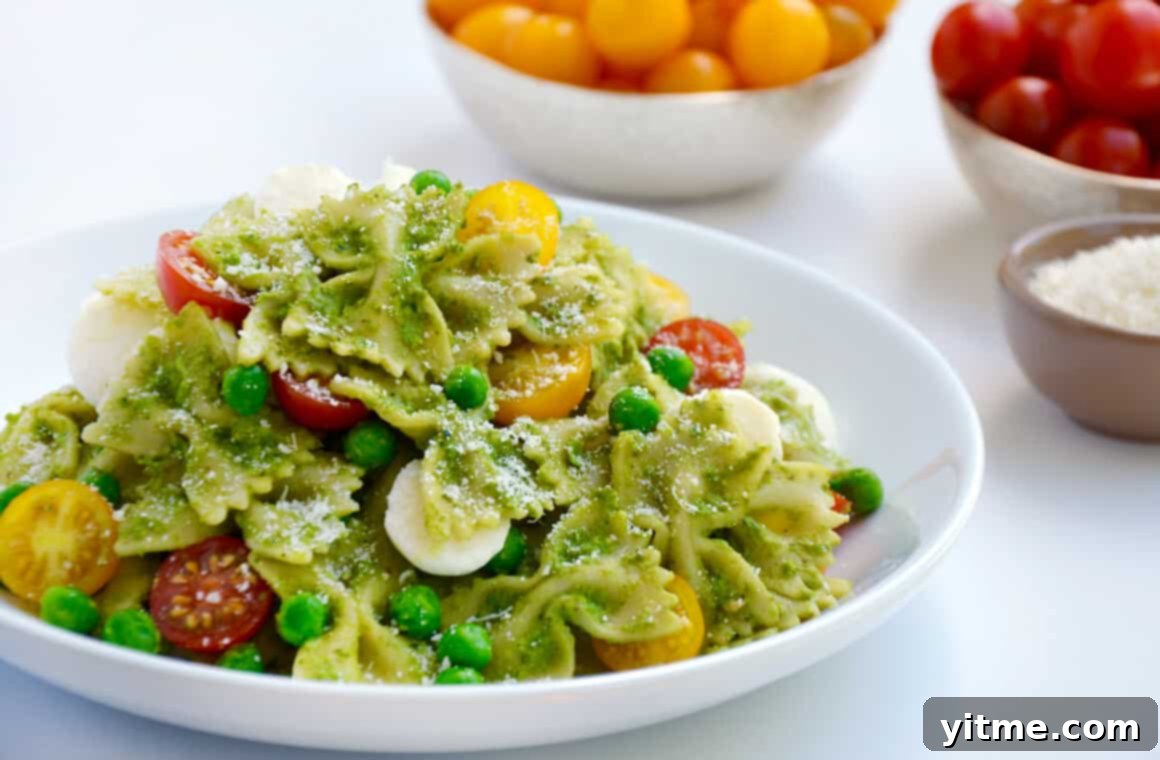
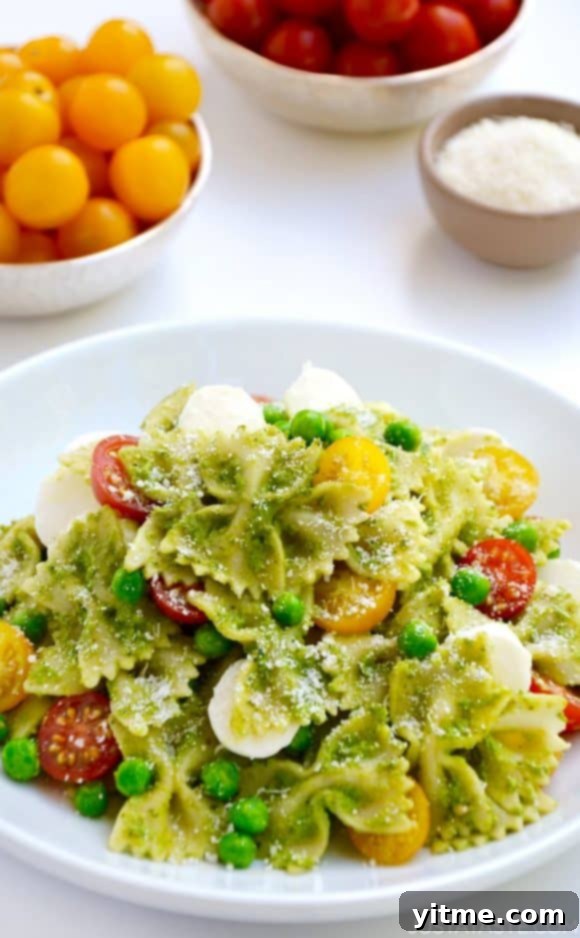
- Pastas and Risottos: Fresh peas are a beloved and classic addition to creamy risottos, lending both a beautiful color and a burst of natural sweetness. Stir them into pasta dishes with simple ingredients like lemon zest, freshly grated Parmesan cheese, a touch of cream, or a drizzle of good olive oil for a light, incredibly flavorful, and spring-inspired meal.
- Soups and Stews: From a delicate, chilled pea and mint soup, perfect for a warm day, to a hearty vegetable stew or minestrone, peas integrate beautifully. Puree them for a velvety smooth, vibrant green soup, or add them whole for textural contrast and fresh flavor.
- Stir-fries: Snow peas are a quintessential ingredient in many stir-fries, providing a crisp texture and mild flavor. Snap peas also work wonderfully, adding a satisfying crunch and sweetness to your favorite stir-fry recipes.
- Elegant Side Dishes: Sometimes, simplicity is best. Simply sautéed with a knob of butter and a handful of fresh mint, or blanched and tossed with a bright lemon vinaigrette, fresh peas make an elegant, easy, and undeniably delicious side dish for almost any main course, from roasted chicken to grilled salmon.
- Breakfast and Brunch: Fold fresh peas into fluffy omelets, savory frittatas, or rich quiches for an added layer of flavor, vibrant color, and nutritional boost.
- Tarts and Savory Bakes: Combine peas with creamy ricotta, tangy goat cheese, or crumbly feta in a savory tart or galette for a delightful appetizer, light lunch, or elegant side dish.
- Fried Rice and Grains: As the original content wisely mentions, peas are a fantastic and colorful addition to homemade fried rice. Consider them also in pilafs, mixed into couscous, or as a vibrant, sweet mix-in for plain steamed rice or other grain bowls.
- Garnish and Finishing Touch: A sprinkle of fresh, blanched peas can instantly brighten up almost any dish, adding visual appeal and a burst of fresh flavor. Use them to garnish roasted meats, grilled fish, creamy purees, or even dips.
Fresh vs. Frozen vs. Canned Peas: A Taste Comparison
While this guide enthusiastically celebrates the unparalleled joys of fresh peas, it’s valuable to understand the distinctions between the various forms available in the market. Knowing when to choose which can significantly impact your cooking and dining experience:
- Fresh Peas: Undeniably the gold standard. When in season, fresh peas offer an unmatched combination of delicate flavor, crisp-tender texture, and superior nutritional value. Their natural sweetness, satisfying crunch, and vibrant green color are what truly set them apart. The slight effort required for shelling is a small price to pay for this superior culinary experience, which connects you directly to the seasonal bounty.
- Frozen Peas: A fantastic and highly recommended alternative when fresh peas are not in season or readily available. Commercial freezing processes are incredibly efficient, designed to lock in nutrients and flavor very quickly after harvest, often involving a brief blanching step. As a result, good quality frozen peas retain much of their natural sweetness, a pleasant texture, and their bright color, making them suitable for most cooked applications. Always opt for plain frozen peas without any added sauces, butter, or sodium to maintain control over your dish’s flavor and health profile.
- Canned Peas: Generally considered the least desirable option among the three. Canned peas often suffer from a mushy texture, a dull, unappealing color, and a flavor that can be overly salty or possess an undesirable “canned” metallic taste. The high-heat processing required for canning significantly degrades their nutritional content and diminishes their desirable culinary qualities. While convenient, they are best reserved for situations where no other option is available, or when their specific texture and flavor profile are intentionally desired for certain traditional, often nostalgic, dishes.
In conclusion, while frozen peas offer a convenient and often acceptable substitute, truly fresh, in-season peas are in a league of their own. They provide an unmatched culinary experience that is well worth seeking out and savoring during their brief season.
Your Pea Adventure Awaits!
From the subtle beauty of their delicate pods to the sweet, tender burst of their interiors, fresh peas are a wonderful testament to the simple yet profound pleasures of seasonal eating. By understanding how to select the best, store them optimally to preserve their fleeting sweetness, and prepare them with care, you can unlock a world of culinary possibilities. Fresh peas will undoubtedly add vibrancy, essential nutrition, and incredible, nuanced flavor to your dishes. Don’t let their short, precious season pass you by without indulging. Embrace the joy of fresh peas and let their brilliant green goodness inspire your next unforgettable meal.
What are your favorite pea recipes or clever ways to use this versatile vegetable? We’d love to hear your ideas and invite you to join the fresh pea conversation!