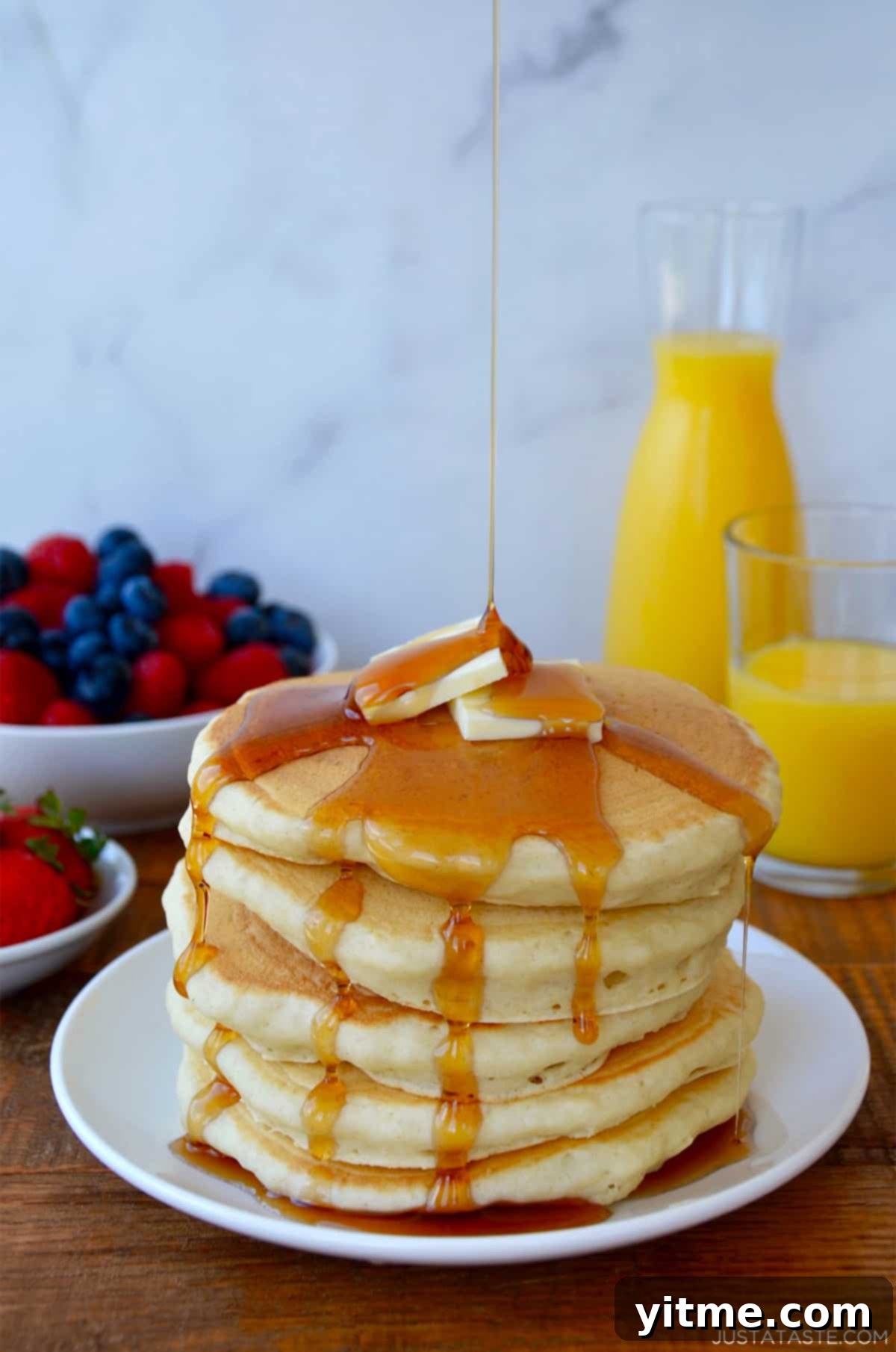
The Ultimate Guide to Making Light & Fluffy Buttermilk Pancakes from Scratch
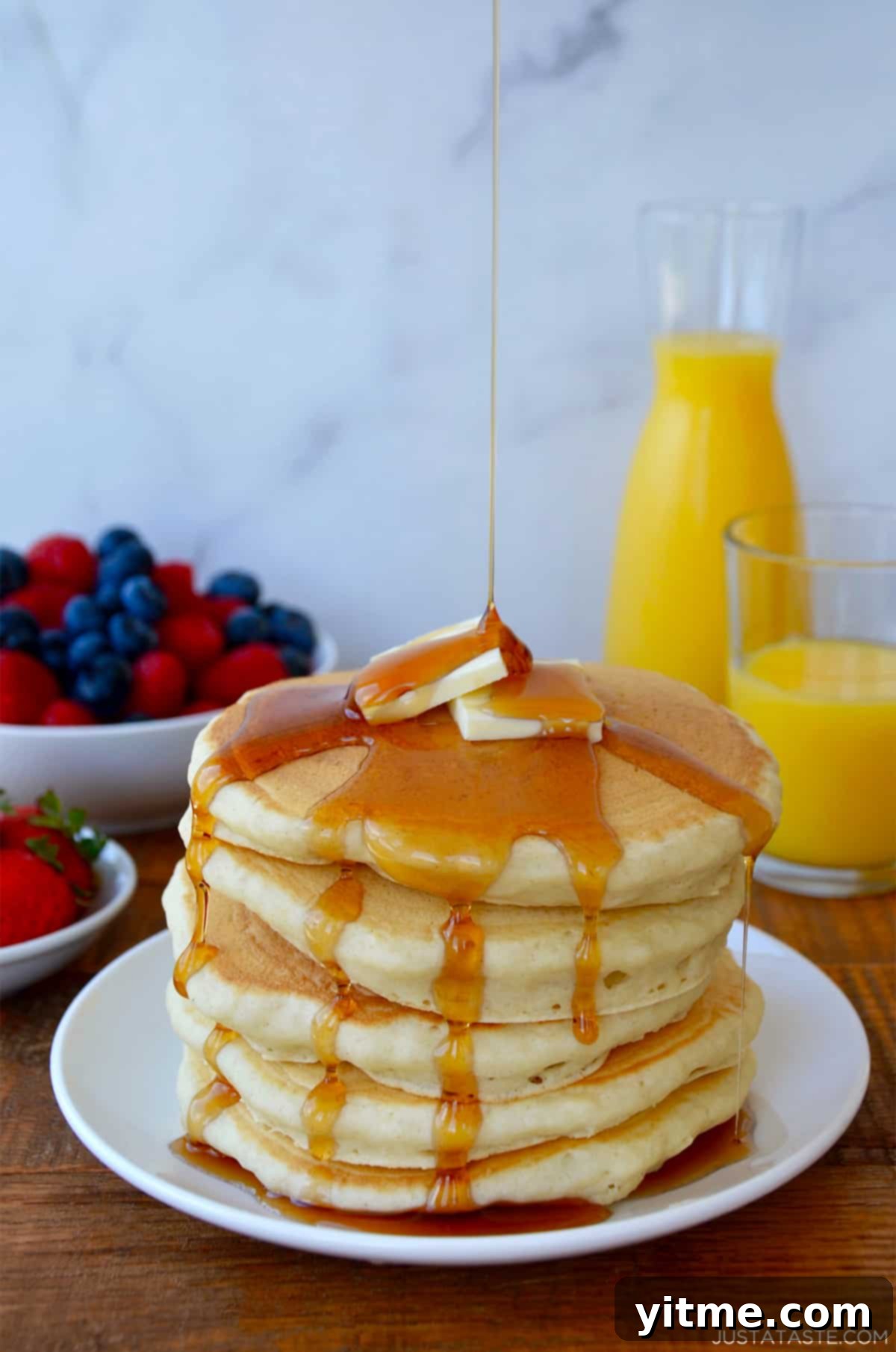
Experience the unmatched delight of the best buttermilk pancakes! These are incredibly light and fluffy, quick to prepare in just 15 minutes, and guaranteed to make you abandon any boxed mix forever. Don’t have buttermilk on hand? Absolutely no problem! We’ve included simple substitutions to ensure this irresistible stack of flapjacks makes it to your breakfast table, turning any ordinary morning into a special occasion.
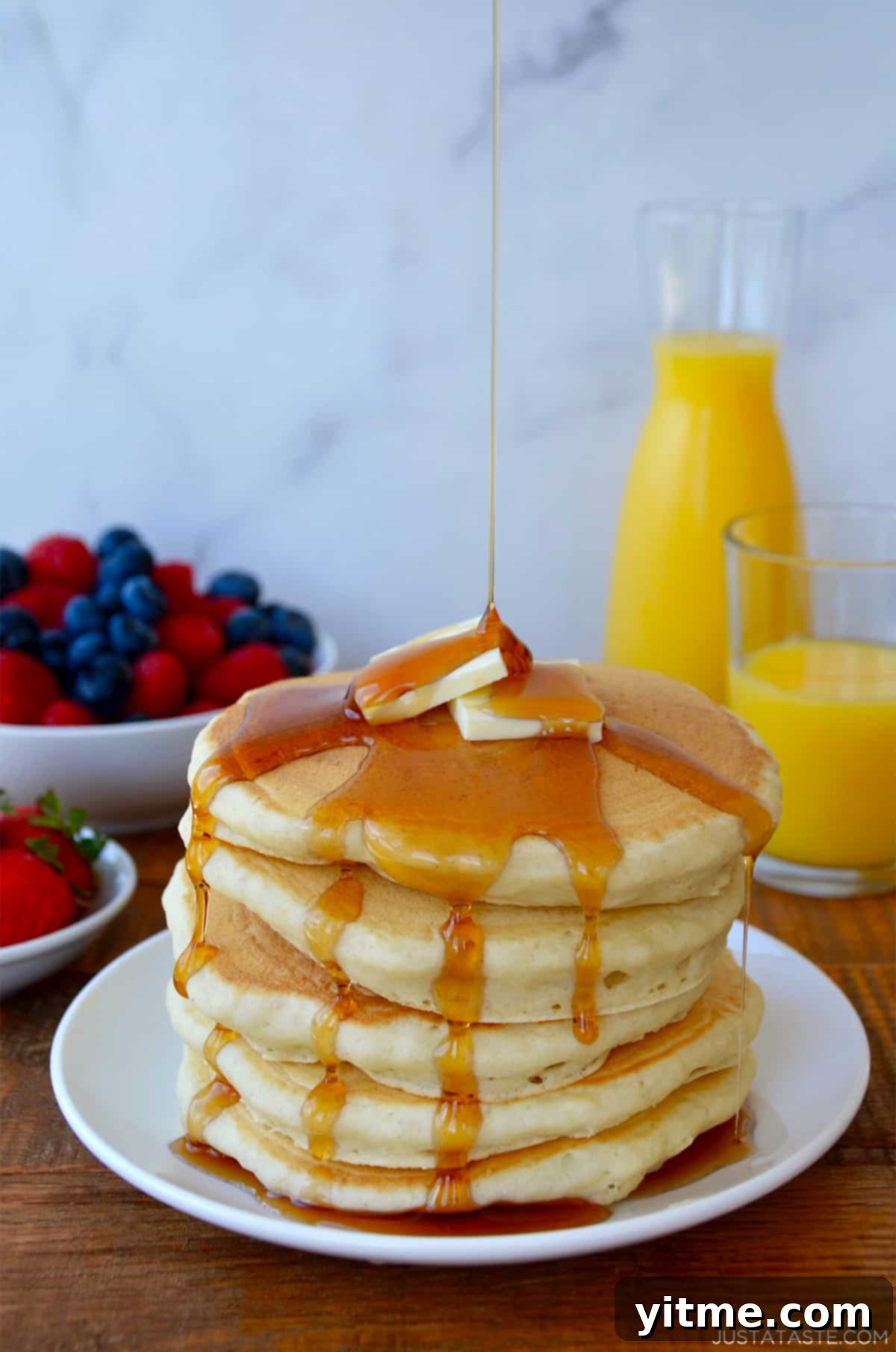
Table of Contents
- The Secret to Truly Fluffy Pancakes
- Buttermilk Pancakes Video Tutorial
- Key Ingredients for Perfection
- How to Make the Best Buttermilk Pancakes
- Expert Tips and Tricks for Pancake Success
- Meal Prep Tip: How to Freeze Pancakes for Later
- Frequently Asked Questions
- A Delicious Savory Pancake Twist
- More Pancake Recipes You’ll Love
- Light and Fluffy Buttermilk Pancakes Recipe
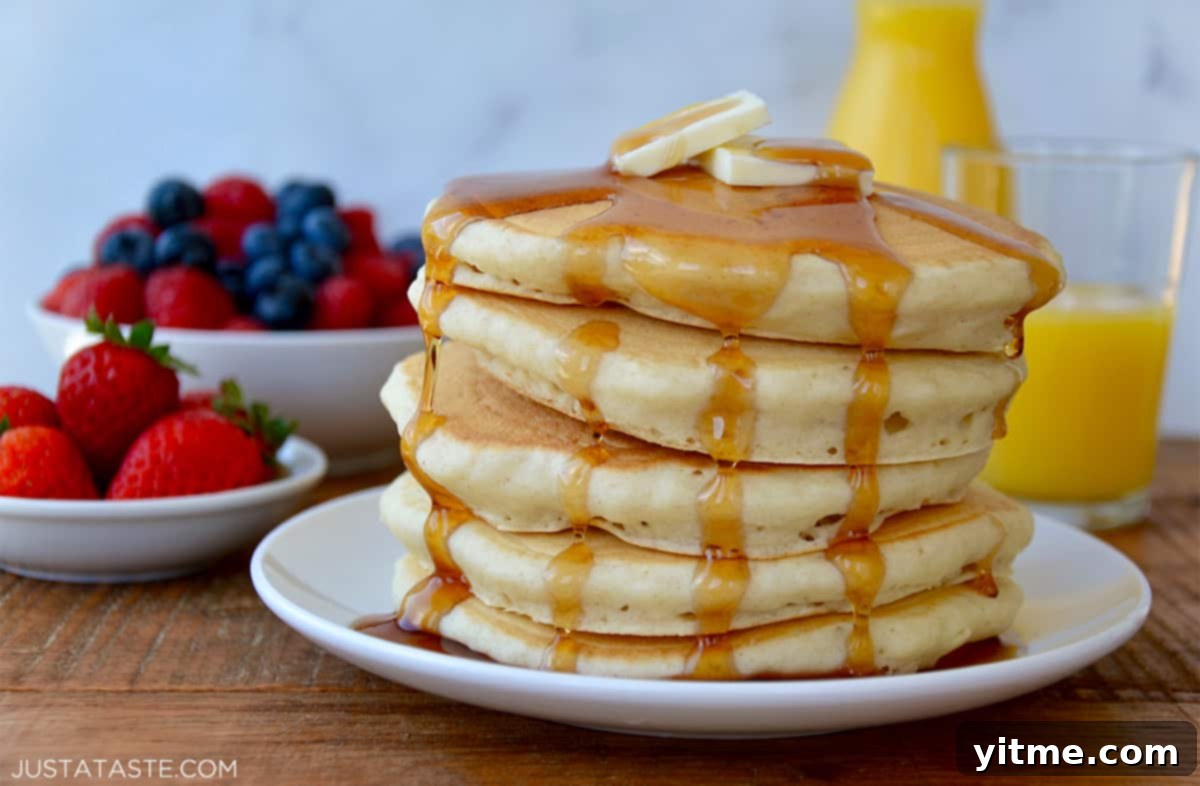
There’s nothing quite like a towering stack of fluffy pancakes to herald a happy weekend or transform a regular weekday into something extraordinary. Whether you’re seeking to satisfy a carb craving, needing a comforting “hangover helper,” or simply wanting to evoke nostalgic memories of childhood breakfasts, one thing remains undeniably true: buttermilk pancakes are the ultimate comfort food. No matter how you stack them, slather them with butter, drench them in syrup, or slice them into delightful bites, they always hit the spot.
And prepare yourself, because I am about to unveil the recipe for the most amazing buttermilk pancakes you will ever flip on your stove! How spectacular are they, you ask? Let’s just say that the rich flavor of bacon grease is an entirely optional, yet highly recommended, addition to this recipe. (And don’t forget to check out my favorite savory pancake twist at the very end of this post for an unexpected treat!).
Crafted with only eight basic ingredients readily available in most pantries, these fluffy pancakes are astonishingly light, exquisitely tender, and bursting with delicious flavor. Even if you find yourself without buttermilk, fret not! Our easy buttermilk substitute guide ensures you can still achieve pancake perfection. What’s more, these pancakes are freezer-friendly, allowing you to enjoy a quick, gourmet breakfast anytime the craving strikes. So, grab your whisk, and let’s embark on this journey to pancake perfection!
The Secret to Truly Fluffy Pancakes
Creating homemade pancakes that rival the lightness and flavor of your favorite local diner or even surpass the convenience of a boxed mix hinges on one crucial technique: do not overwork your batter. This is the golden rule for achieving that coveted fluffy texture. The real secret lies in aiming for a slightly lumpy batter. When you gently mix the ingredients, you prevent excessive gluten development, which can lead to dense, chewy pancakes. Instead, a lumpy batter retains tiny pockets of air, which, when combined with the leavening agents during cooking, expand to create an incredibly airy, tender, and perfectly fluffy pancake.
Understanding this simple principle is your passport to buttermilk pancake bliss. All that stands between you and a stack of these delightful creations are a few common pantry items and a mere 15 minutes of your precious time. Prepare to elevate your breakfast game!
Buttermilk Pancakes Video Tutorial
Best Buttermilk Pancakes Recipe – Light and Fluffy!
In this tutorial, you’ll learn how to make the best buttermilk pancakes that are so light and fluffy they’ll rival your local diner’s! Don’t miss all of my tips and tricks for perfect pancakes!
Key Ingredients for Perfection
The essential lineup of ingredients for these classic pancakes bears a strong resemblance to our highly acclaimed sheet pan pancakes recipe. While that recipe is perfect for feeding a hungry crowd or numerous brunch guests all at once, this traditional method yields individual, perfectly round, fluffy delights. Each ingredient plays a vital role in achieving that sought-after light and airy texture and rich flavor.
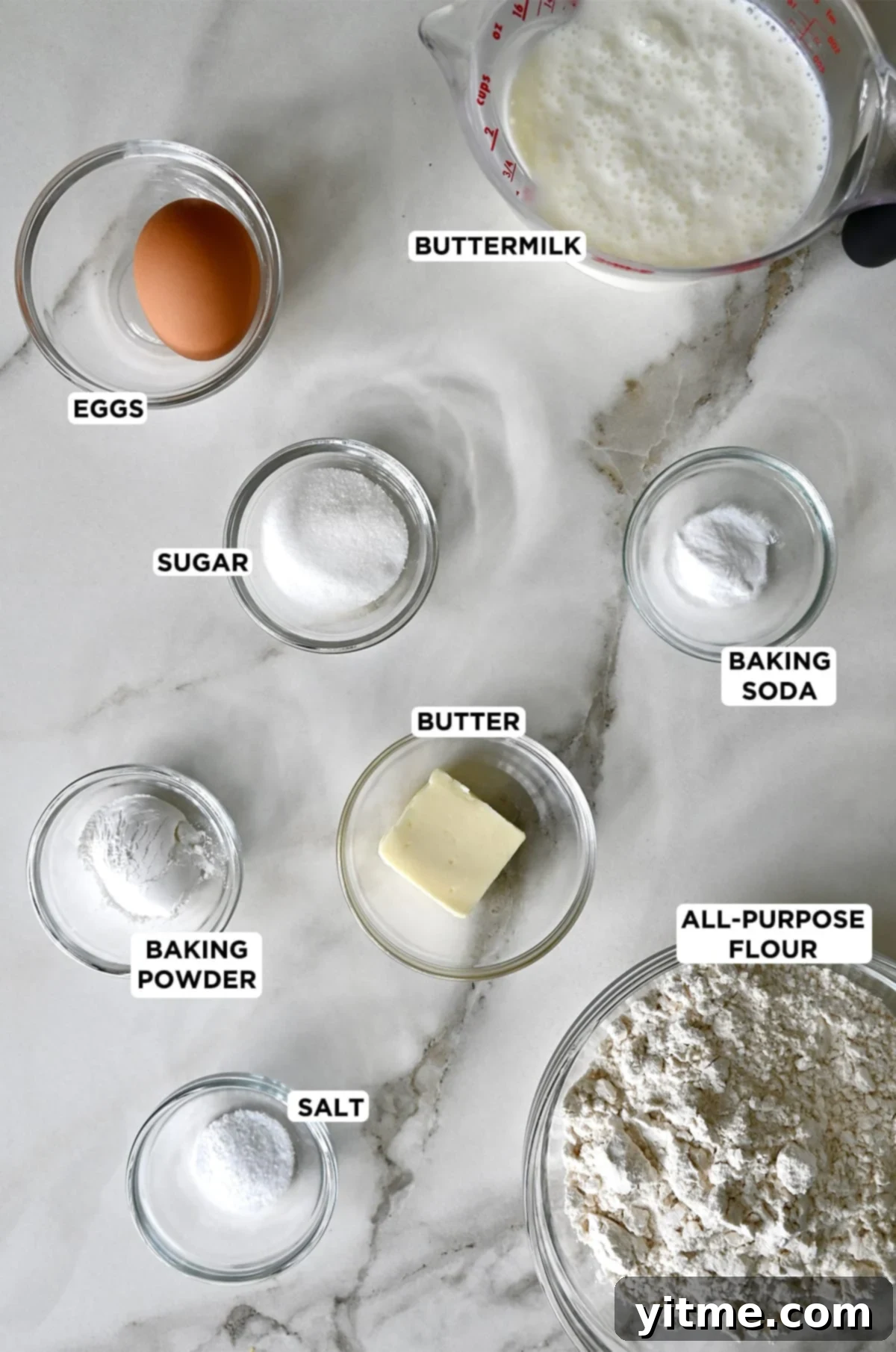
- All-purpose flour: The foundation of our pancakes. Accurate measurement is crucial here. Always spoon the flour into your measuring cup and then level it off with a straight edge. Overpacking the flour can significantly increase its weight, leading to a denser, heavier pancake. This seemingly small detail makes a big difference in the final texture.
- Baking powder: This is your primary leavening agent, responsible for much of the pancakes’ lift and airy texture. For best results, ensure your baking powder is fresh. You can easily test its potency by adding a small amount to a bit of warm water; if it bubbles vigorously, it’s still good to go.
- Baking soda: Working in perfect harmony with the acidity of the buttermilk, baking soda creates additional carbon dioxide bubbles, contributing to that incredible rise. Like baking powder, ensure it’s not expired to guarantee maximum leavening effect.
- Sugar: Just a touch of granulated sugar not only enhances the overall flavor profile but also aids in achieving that beautiful golden-brown crust as the pancakes cook.
- Salt: A small amount of fine salt is essential for balancing the flavors and preventing the pancakes from tasting bland. Use fine salt to ensure it dissolves evenly throughout the batter, avoiding any concentrated pockets of saltiness.
- Buttermilk: The tangy star of the show! Buttermilk adds a distinctive flavor and, thanks to its acidity, tenderizes the gluten in the flour, resulting in a wonderfully soft and moist crumb. If you find yourself without buttermilk, don’t despair! Consult my comprehensive buttermilk substitutes guide for various easy methods to create your own with ingredients you likely already have.
- Egg: The egg acts as a binder, adding structure and richness to the pancakes. For optimal emulsification and seamless integration into the batter, ensure your egg is at room temperature before mixing.
- Unsalted butter: Melted butter contributes moisture and a delicious buttery flavor. Allow the melted butter to cool slightly before adding it to the batter. This prevents it from “cooking” the egg or prematurely activating the leavening agents.
- Mix-ins (optional): Feel free to customize your pancakes with your favorite additions. Popular choices include fresh blueberries, chocolate chips, finely chopped nuts, or sweet raspberries. Just be sure to fold them in gently at the very end.
See the recipe card below for full information on specific ingredient quantities and detailed instructions.
No buttermilk? No problem! Here’s a quick and easy substitute: Add 1.5 tablespoons of fresh lemon juice or white vinegar to a liquid measuring cup. Then, pour in any type of milk (dairy or non-dairy works!) up to the “1.5 cup” mark. Give the mixture a gentle stir and let it sit undisturbed for about 5 minutes. You’ll notice it will curdle and thicken slightly, mimicking the texture and acidity of real buttermilk. Once it’s ready, proceed with the recipe as directed. This simple trick ensures you can always enjoy fluffy buttermilk pancakes!
How to Make the Best Buttermilk Pancakes
Whipping up these incredible buttermilk pancakes from scratch is surprisingly straightforward, but a few key tips and tricks will guarantee they turn out perfectly light, impossibly fluffy, and even better than those from your favorite local diner. Follow these simple steps for pancake perfection:
- Whisk together the dry ingredients. In a large mixing bowl, combine the all-purpose flour, baking powder, baking soda, sugar, and salt. Use a whisk to thoroughly blend these ingredients, ensuring even distribution of the leavening agents. This step is crucial for consistent rise in every pancake.
- In a separate bowl, whisk together the wet ingredients. In a medium-sized bowl, gently whisk together the buttermilk (or your homemade substitute), the room-temperature large egg, and the slightly cooled melted unsalted butter. Mix until just combined.
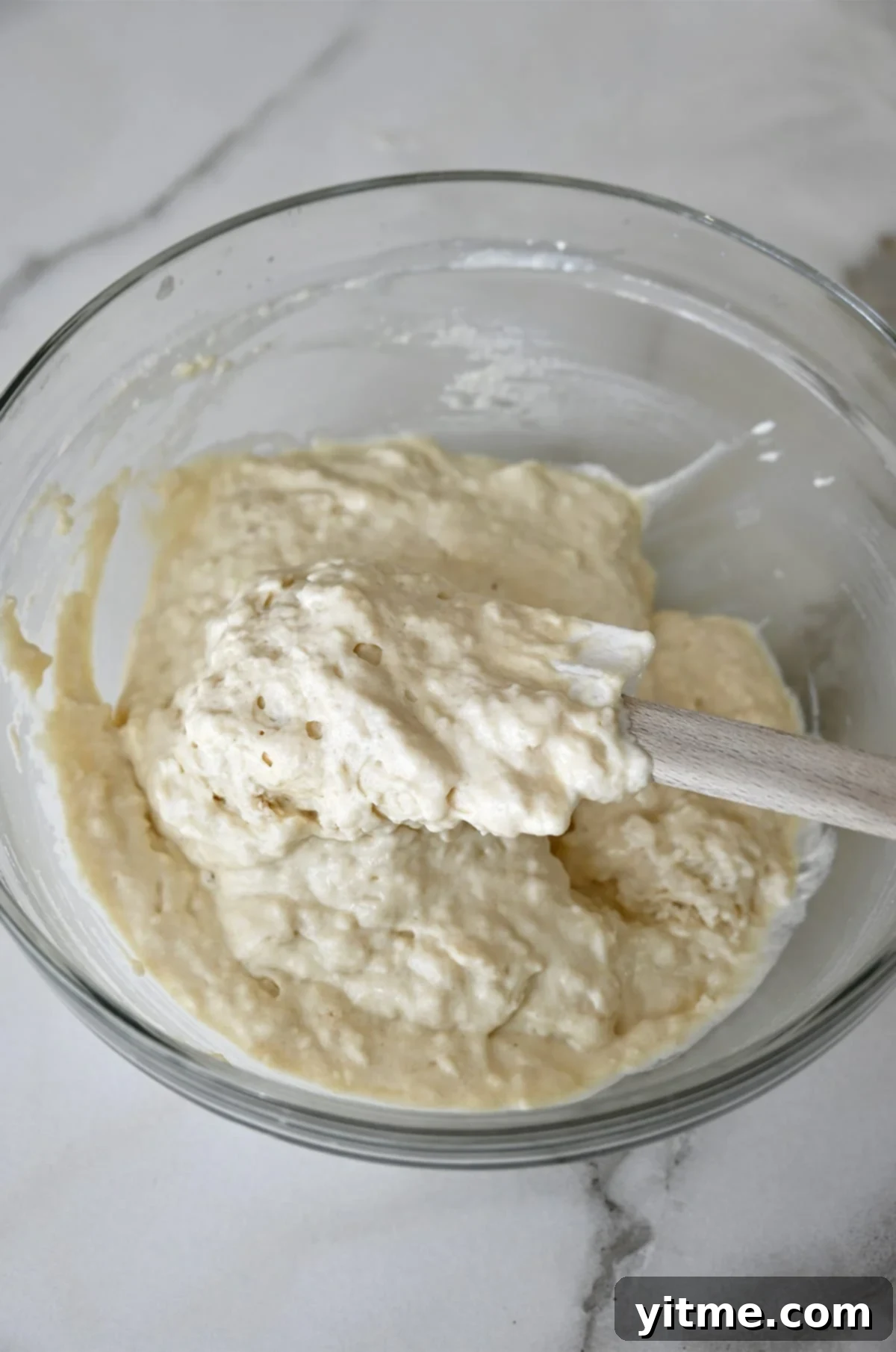
- Combine the wet and dry ingredients. Pour the wet ingredient mixture into the bowl containing the dry ingredients. Stir them together with a spatula or wooden spoon just until they are combined. The batter should remain visibly lumpy; do not overmix! Overmixing develops gluten, which leads to tough, flat pancakes. The consistency should be thick enough that it drips rather than runs off your spoon. If you’re adding mix-ins like blueberries or chocolate chips, gently fold them in at this point, taking care not to stir too much.
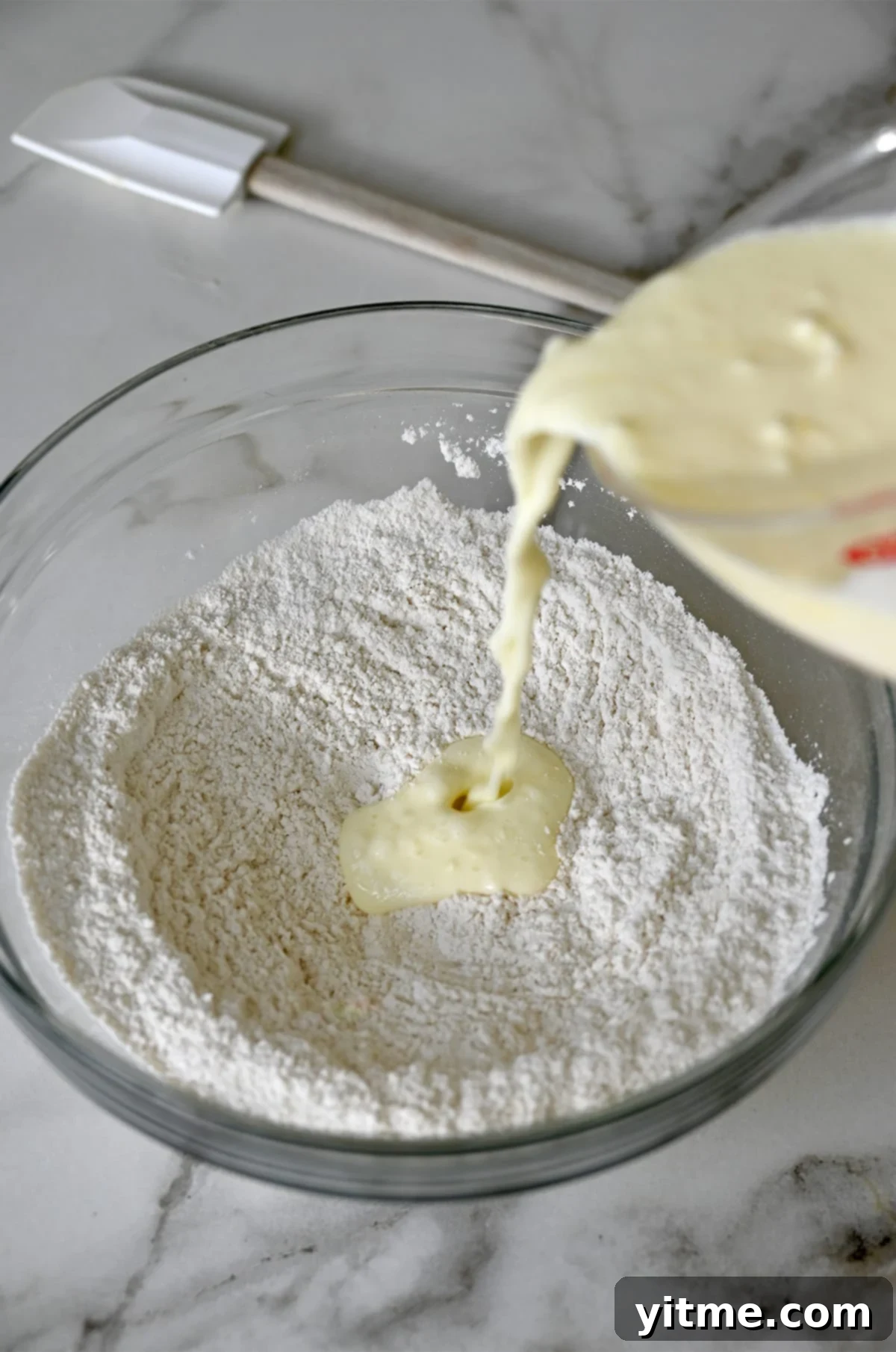
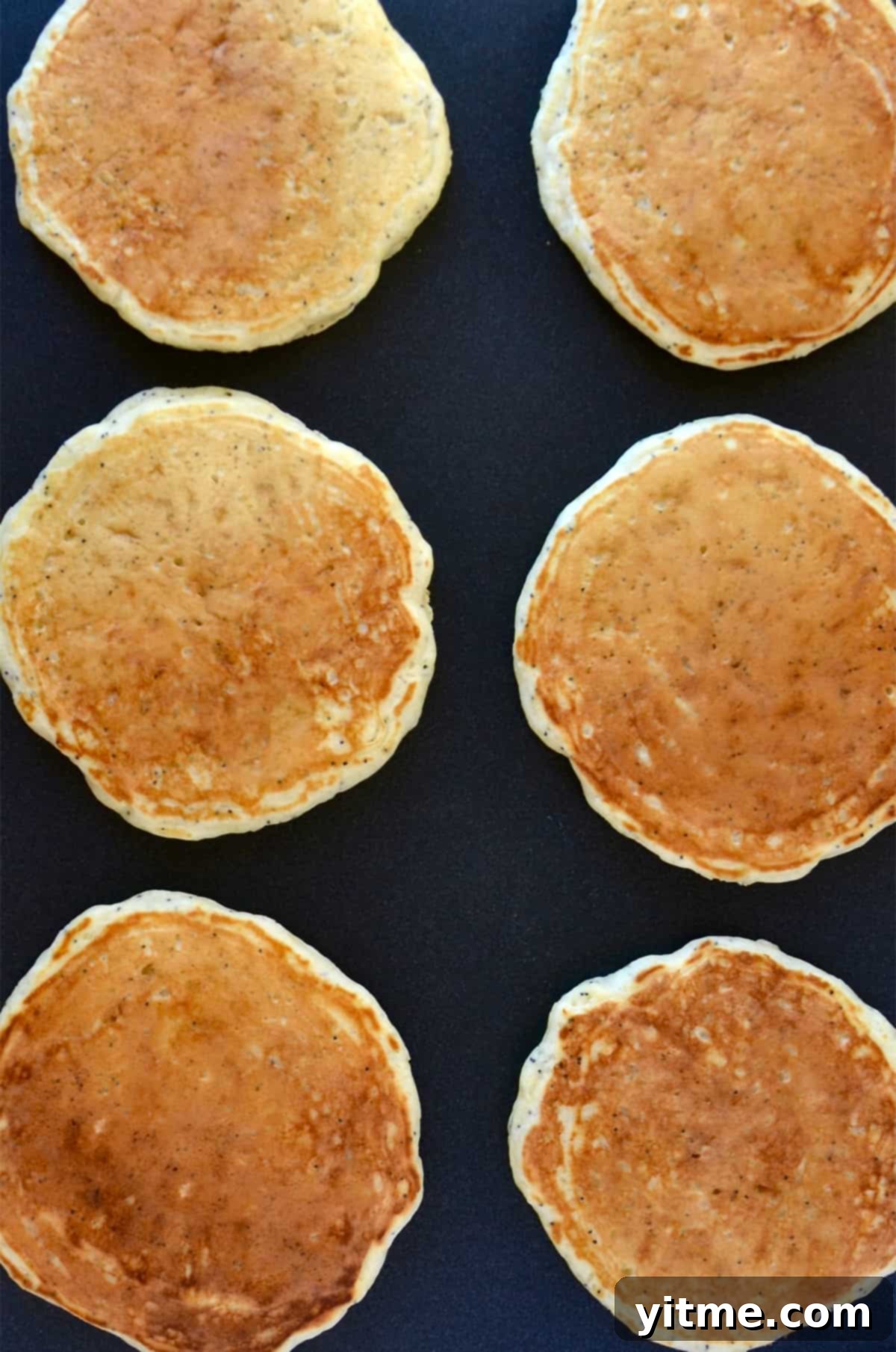
- Cook the pancakes to golden perfection. Heat a greased nonstick pan or griddle over medium-low heat. It’s crucial to get the temperature right – too high and they burn, too low and they won’t brown properly or be fluffy. Use a ladle or a 1/4-cup measuring cup to drop dollops of the batter onto the hot, greased surface. Cook for 2-3 minutes on the first side. Once you see bubbles forming on the surface, and the edges begin to set and look dry, it’s time to flip. Flip each pancake once and continue cooking for another 1 to 2 minutes on the second side, until they are golden brown and cooked throughout. Avoid pressing down on the pancakes with your spatula, as this will flatten them and prevent them from achieving maximum fluffiness. Serve them immediately for the best possible experience.
Kelly’s Note: Patience is a virtue when making pancakes! Wait until those beautiful bubbles formed on the surface burst and leave small craters before you even think about flipping. This visual cue ensures that the pancakes are properly set, cooked on the bottom side, and ready for a perfect flip, leading to evenly cooked, golden-brown results.
Expert Tips and Tricks for Pancake Success
- Serve these immediately for the absolute best experience. Hot off the griddle, these pancakes are at their peak fluffiness and flavor. If you’re preparing a larger batch for a crowd, keep the cooked pancakes warm by placing them in a single layer on a baking sheet in a preheated oven set to 200°F (95°C) while you finish cooking the rest. This prevents them from cooling down and becoming less tender.
- Are you serving crispy bacon alongside your pancakes? Consider taking your breakfast to the next level by cooking the pancakes in a little bit of bacon grease instead of oil or butter. The savory flavor and incredible texture it imparts are truly hard to beat and add an extra layer of indulgence. (And for an even more fun and convenient twist, don’t miss these amazing bacon pancake dippers!)
- For all my comprehensive tips on mastering pancakes and my personal favorite kitchen tools that make the process even smoother, I highly recommend checking out my dedicated post on How to Make Perfect Pancakes. This guide includes a detailed look at the batter dispenser that I simply can’t live without for perfectly portioned, mess-free pancakes every time!
- Rest the batter: While the recipe is quick, letting the batter rest for 5-10 minutes after mixing allows the flour to fully hydrate and the gluten to relax. This often results in an even more tender pancake.
- Maintain consistent heat: A common mistake is cooking pancakes over too high heat. This leads to burnt outsides and raw insides. Medium-low heat is ideal, allowing the pancakes to cook through evenly and develop a beautiful golden crust.
Meal Prep Tip: How to Freeze Pancakes for Later
I frequently get asked, “How long does the pancake batter keep in the fridge if I’m not using all of it at once?” While it might seem convenient, storing pancake batter in the fridge for extended periods isn’t ideal. The leavening agents (baking powder and baking soda) will gradually lose their potency over time once mixed with liquid, resulting in pancakes that are less fluffy and more dense when cooked later. For this reason, it’s always best to cook the batter fresh.
Instead of storing the batter, I highly recommend preparing a full batch of pancakes and freezing the cooked ones. This is the ultimate meal prep hack for busy mornings! To freeze them effectively, first, flash-freeze them for 1-2 hours. Lay the cooled, cooked pancakes in a single layer on a baking sheet, ensuring they don’t touch. Once solid, transfer the frozen pancakes to a resealable plastic freezer bag or an airtight container. Stack them with parchment paper in between to prevent sticking. You can store them in the freezer for up to 3 months, providing you with a delicious, homemade breakfast option at a moment’s notice. When you’re ready to enjoy them, simply reheat the pancakes in a toaster oven for a crispy edge, or for about 1 minute in the microwave for a softer texture. They’ll taste almost as good as freshly made!
Frequently Asked Questions About Buttermilk Pancakes
I generally wouldn’t recommend preparing the batter too far in advance. The leavening agents (baking powder and baking soda) begin to react once they come into contact with the wet ingredients, especially the acidic buttermilk. If the batter sits for too long, these agents will lose much of their ability to produce the carbon dioxide bubbles needed to make the pancakes puff up. This will result in pancakes that are less fluffy and more dense than freshly mixed batter.
There are a few common culprits if your buttermilk pancakes aren’t as fluffy as you’d like. The most frequent reason is overmixing the batter, which develops the gluten and makes the pancakes tough and flat. Secondly, your leavening agents (baking powder and baking soda) might be old or expired; always check their freshness! Lastly, ensure your cooking temperature is just right – medium-low heat is key. Too high and they’ll burn before cooking through, too low and they won’t activate the leavening properly. By following these tips, you’ll achieve those coveted light and fluffy pancakes every time!
Yes, absolutely! I highly recommend letting the batter rest for a short period, typically 10-15 minutes, after you’ve mixed the wet and dry ingredients. This resting period is beneficial for several reasons: it allows the flour to fully hydrate, resulting in a smoother batter and a more uniform, tender texture in the cooked pancakes. Additionally, it gives any gluten that may have developed during the gentle mixing process a chance to relax, which also contributes to softer, more tender pancakes. It’s a small step that yields significant results!
For perfect golden-brown, fluffy pancakes, medium-low heat is usually ideal. If the heat is too high, the outside will burn quickly while the inside remains raw. If it’s too low, the pancakes won’t brown well, and may become tough. A good test is to drop a small amount of batter onto the griddle; it should sizzle gently and slowly start to bubble.
The best indicator is to look for bubbles on the surface of the pancake. When these bubbles burst and leave small craters, and the edges of the pancake appear set and slightly dry, it’s usually time to flip. After flipping, they typically need another 1-2 minutes until both sides are golden brown and cooked through. You can also gently press the center; if it springs back, it’s likely done.
A Delicious Savory Pancake Twist
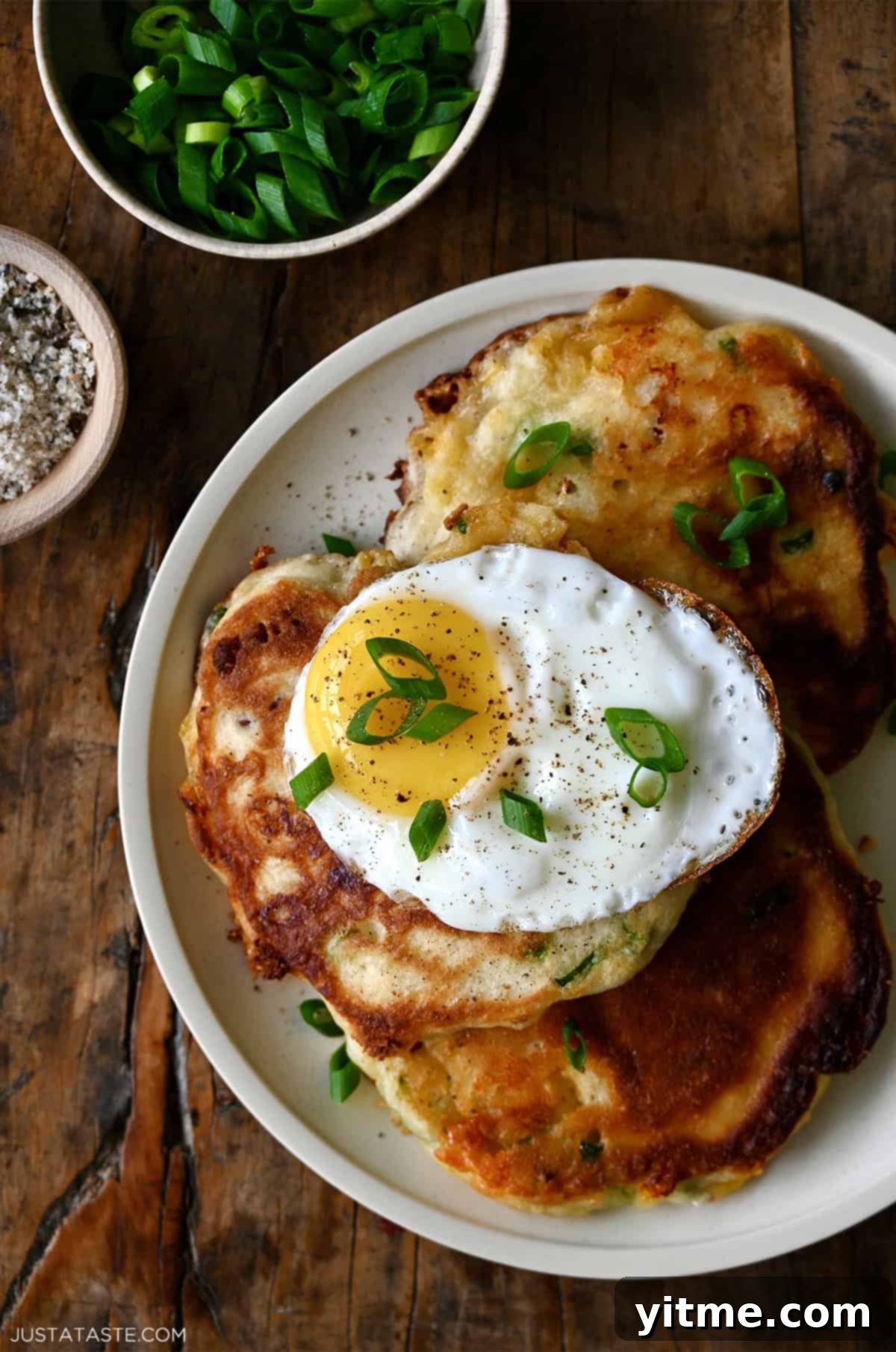
Who says pancakes always have to be sweet? Take these incredible sweet buttermilk pancakes for an exciting spin on the savory side by stirring in the ultimate flavor trifecta: crispy bacon, sharp cheddar cheese, and fresh scallions. This unexpected combination creates a breakfast or brunch item that is deeply satisfying and incredibly addictive. Follow the base recipe exactly as written, and when it comes time for folding in mix-ins, simply add:
- 4 slices of your favorite bacon, cooked until crispy and then cut into small 1/4-inch pieces.
- ½ cup of freshly shredded sharp cheddar cheese for that irresistible cheesy pull.
- 2 scallions (using both the white and green parts), finely chopped for a mild oniony bite and vibrant color.
Pro tip for savory success: When cooking these savory pancakes, make sure to grease your skillet or griddle particularly well before adding each dollop of batter. The melted cheese can sometimes stick to the pan, making flipping a bit challenging. A little extra fat ensures the pancakes release easily and achieve that perfect golden crust. For the ultimate, hearty breakfast experience, top these savory masterpieces with a perfectly fried egg (as shown below)! The classic combination of bacon, egg, and cheese has truly never been better or more enjoyable in pancake form.
More Pancake Recipes You’ll Love
Don’t let the flapjack party stop here! Keep the breakfast celebration going strong with even more classic and creatively delicious pancake recipes that are sure to make you flip. Whether you’re craving fruit-filled delights, decadent dessert-inspired stacks, or wholesome options, we’ve got a pancake recipe for every taste and occasion.
Fluffy Banana Pancakes
Red Velvet Pancakes with Cream Cheese Glaze
Apple Pancakes
Fluffy Ricotta Pancakes
Lemon Poppyseed Pancakes
Raspberry Oatmeal Pancakes
Light and Fluffy Buttermilk Pancakes
Ingredients
- 1 1/2 cups all-purpose flour
- 2 teaspoons baking powder
- 1/2 teaspoon baking soda
- 1 Tablespoon sugar
- 1/4 teaspoon salt
- 1 1/2 cups buttermilk or buttermilk substitute (See Kelly’s Notes)
- 1 large egg
- 2 Tablespoons unsalted butter, melted
Instructions
- In a large bowl, whisk together the flour, baking powder, baking soda, sugar and salt until thoroughly combined.
- In a separate medium bowl, whisk together the buttermilk, egg and melted butter. Pour the wet ingredients into the dry ingredients and stir just until combined. (Remember, the batter should still have some lumps; do not overmix for fluffy results.)
- Heat a nonstick pan or griddle over medium-low heat and lightly grease it with oil or butter. Drop dollops of the batter (about ¼ cup each) onto the hot pan. Cook for 2-3 minutes until bubbles form on the surface and edges look set. Flip the pancakes once and continue cooking for 1 to 2 more minutes, until golden brown and cooked throughout. Serve immediately with your favorite maple syrup, fresh fruit, or other toppings.
Kelly’s Notes
- No buttermilk? No problem! Add 1.5 tablespoons of lemon juice or vinegar to a liquid measuring cup, then pour in milk (any variety) up to the “1.5 cup” mark. Stir the mixture then let it sit for 5 minutes until it curdles and thickens slightly, then proceed with the recipe as directed.
- Do not overmix the batter or the pancakes will be dense and flat rather than light and fluffy. The batter should be thick enough that it drips rather than runs off the spoon and it should have some lumps still in it.
- Patience is key. Wait until the bubbles formed on the surface burst and leave small craters before flipping. This ensures the pancakes are set and cooked on one side.
- For an alternative to vegetable oil (and if bacon is on the menu), try cooking the pancakes in bacon grease. The flavor and texture is hard to beat.
- Meal prep tip: Flash-freeze cooked pancakes for 1-2 hours on a baking sheet before transferring to a resealable plastic freezer bag. You can store the pancakes in the freezer for up to 3 months. Reheat them in a toaster oven or for 1 minute in the microwave.
- ★ Did you make this recipe? Don’t forget to give it a star rating below!
Nutrition
Did you try this recipe?
Leave a comment below with your star rating!