Authentic Thai Mango Sticky Rice: The Ultimate Guide to Khao Niao Mamuang
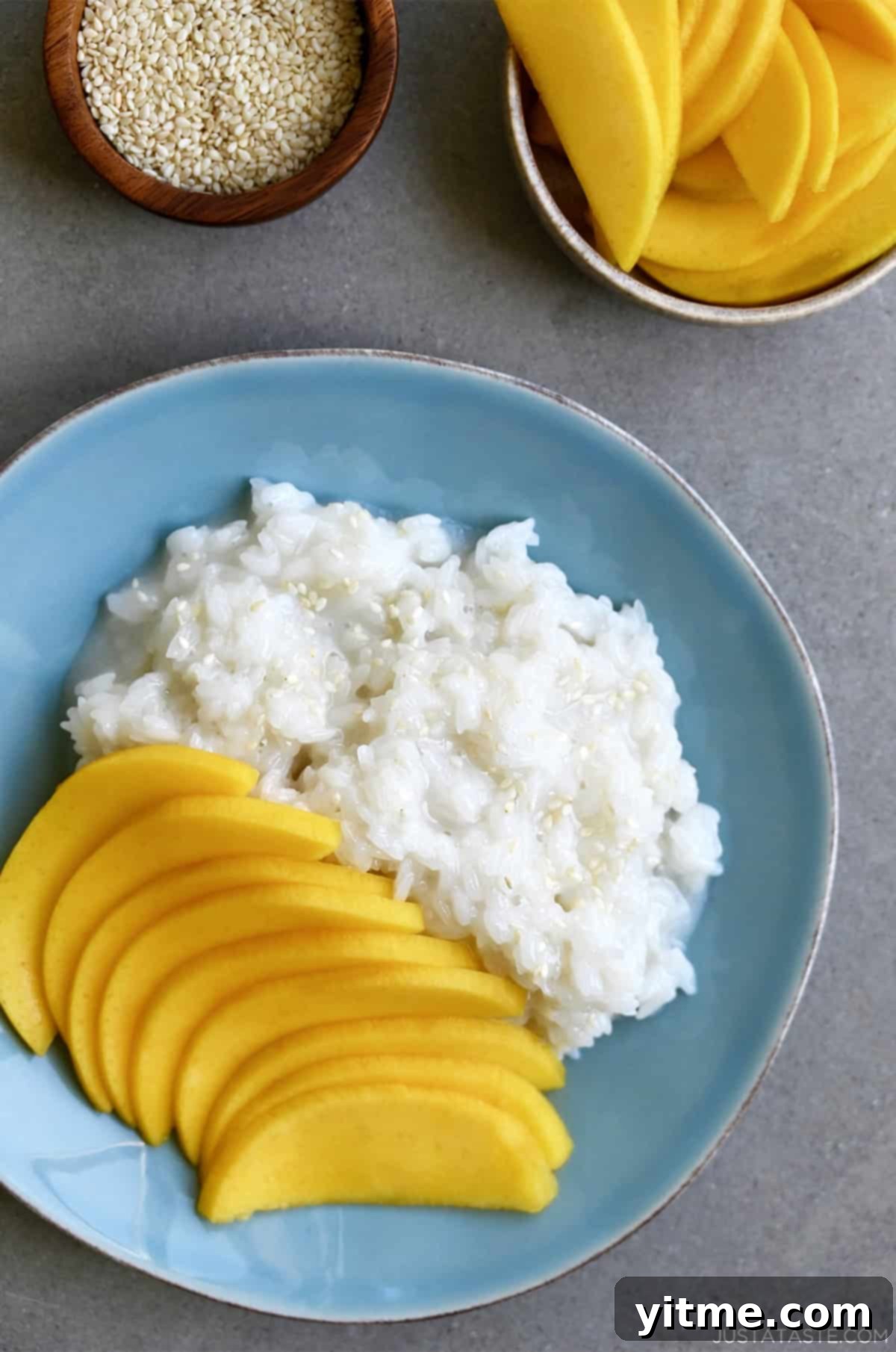
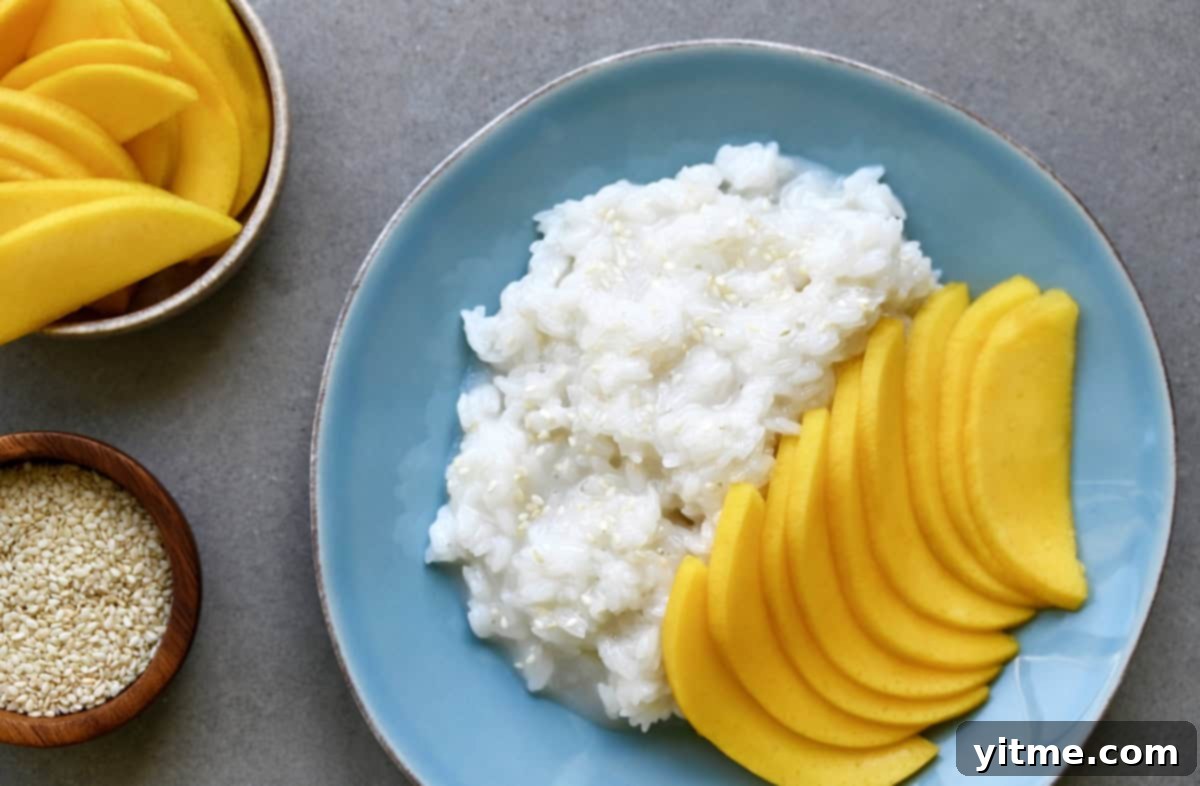
Thai Mango Sticky Rice, also known as Khao Niao Mamuang, is a beloved Thai dessert renowned for its exquisite blend of textures and flavors. This culinary masterpiece harmoniously combines the creamy sweetness of coconut-infused sticky rice with the lusciousness of fresh, ripe mangoes. With a few simple ingredients and our detailed instructions, you can effortlessly recreate this iconic Thai delicacy in your own kitchen. Prepare to embark on a culinary journey that will tantalize your taste buds and leave you craving more!
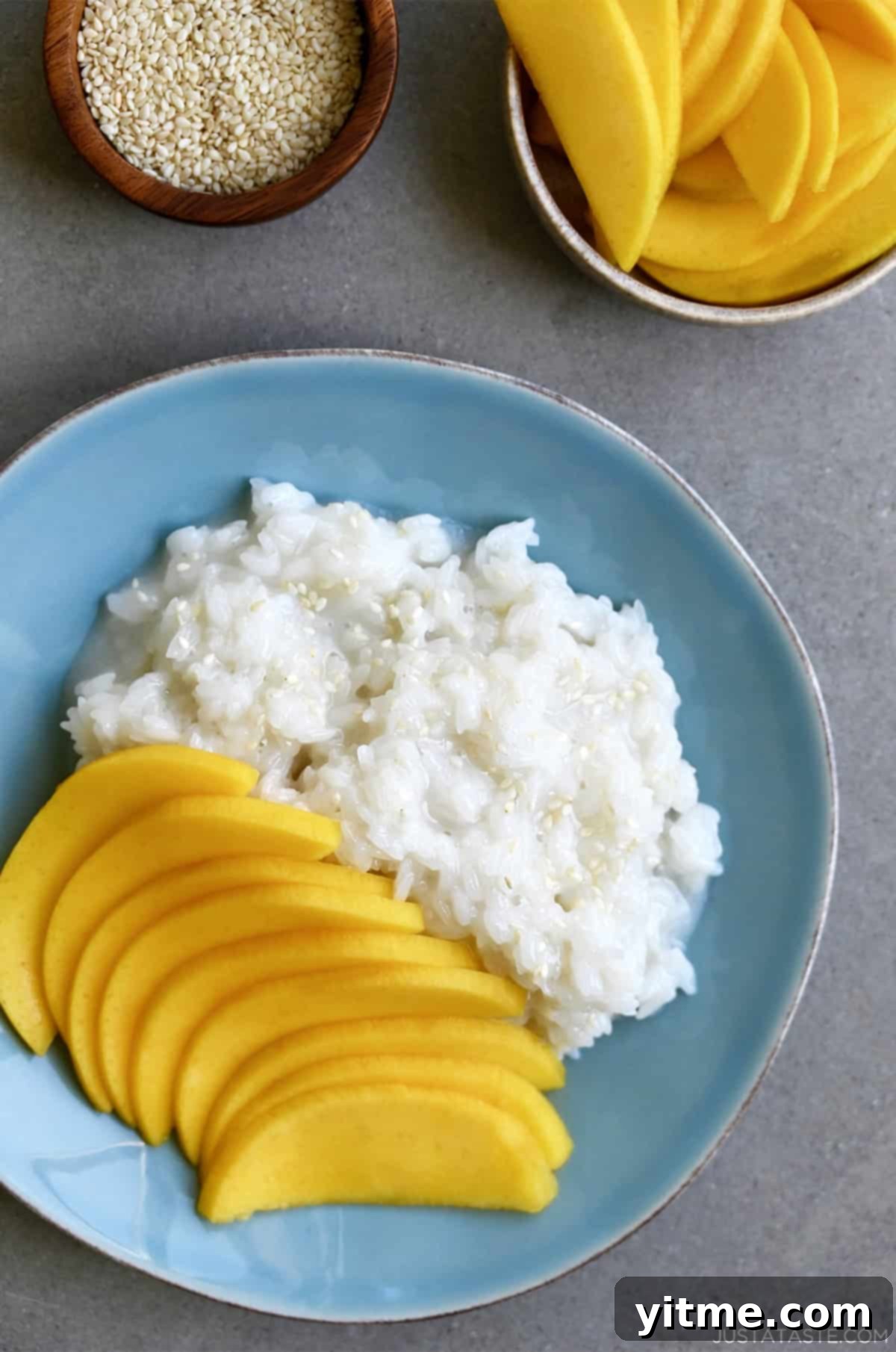
Table of Contents
- Ingredients
- How to Make Thai Coconut Sticky Rice
- Essential Tips & Tricks for Perfect Sticky Rice
- Make-Ahead Preparation Guide
- Storing and Reheating Instructions
- How to Toast Coconut Flakes for Enhanced Flavor
- More Thai-Inspired Recipes to Try
- Detailed Thai Coconut Sticky Rice with Mango Recipe
My culinary infatuation with sticky rice began many years ago at my favorite Thai restaurant, Spice and Rice, in La Jolla, California. Every visit to this charming eatery in the beach town felt incomplete without savoring a plate of warm, fragrant sticky rice paired perfectly with cool, juicy mangoes. More than a decade after my first encounter with this remarkable Thai dessert, I’m delighted to share this accessible recreation of the restaurant favorite, tailor-made for your home.
Creating this delightful dessert requires just a handful of essential ingredients: glutinous rice, coconut milk, sugar, salt, and, of course, ripe mangoes. You can also add your choice of toasted sesame seeds or shredded coconut garnish to further enhance the flavors and textures of this delightful treat. In addition, quality ingredients can also influence this dynamic dessert duo
Ready to ditch those takeout menus and embark on a culinary adventure? Don’t miss out on our Easy Homemade Pad Thai with Chicken recipe. Dinner and dessert sorted? Absolutely!
Ingredients for Thai Mango Sticky Rice
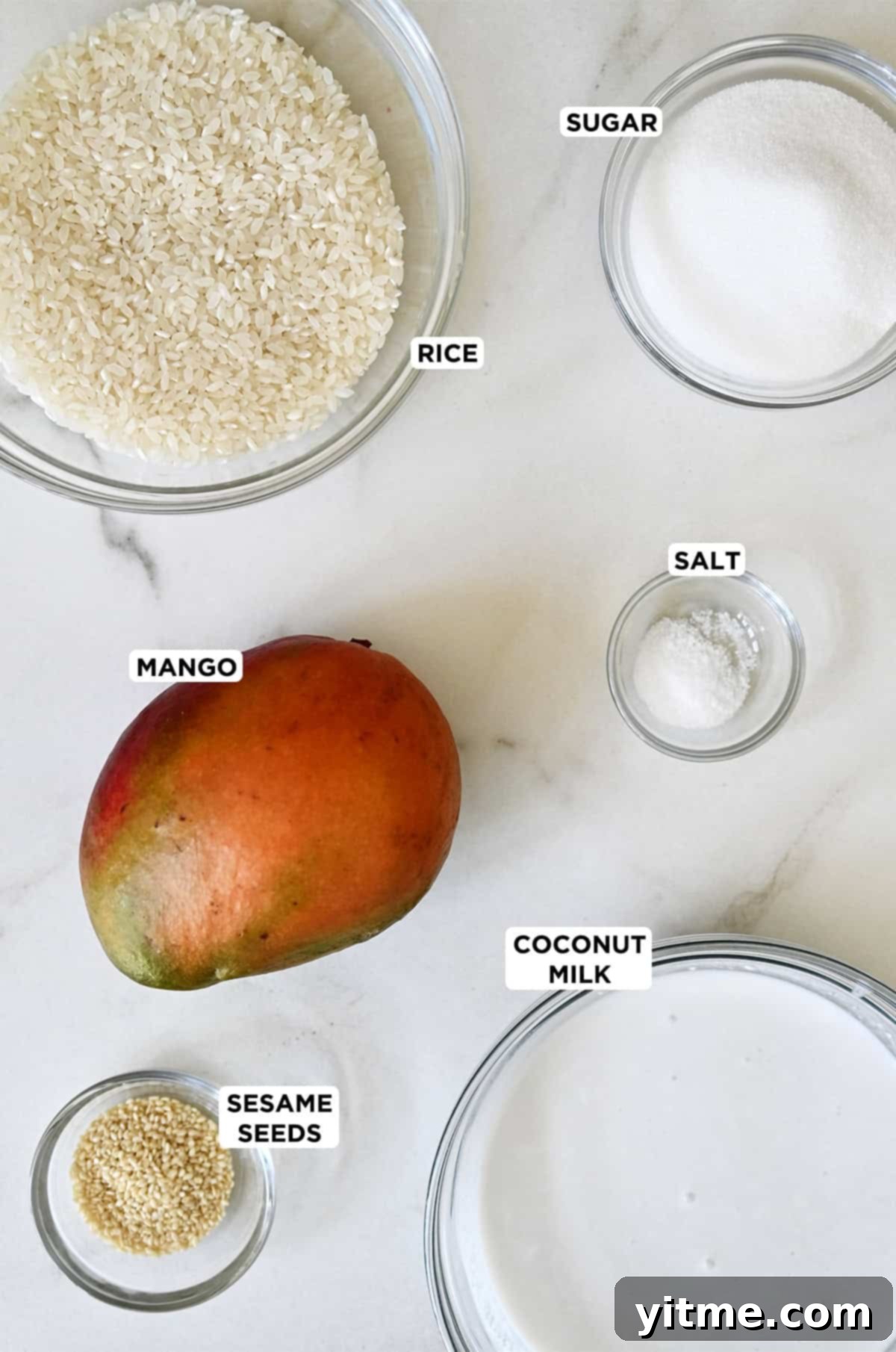
Here’s a breakdown of the essential ingredients you’ll need to create your own batch of authentic Thai Mango Sticky Rice:
- Glutinous Rice: This is the heart of the dessert. Also known as sweet rice or sticky rice, its high amylopectin content is vital for achieving the signature sticky and chewy texture that regular white rice simply cannot replicate. Thai glutinous rice is essential.
- Unsweetened Coconut Milk: Opt for full-fat canned coconut milk to achieve the richest texture and most authentic flavor. Remember to shake the can well before opening to ensure a homogenous consistency.
- Sugar: Provides the necessary sweetness. Granulated sugar works perfectly.
- Salt: Just a pinch elevates the flavors and beautifully balances the sweetness.
- Mango: Choose ripe, sweet mangoes that are in season for the best flavor. The Ataulfo mango variety is great for this, but other mangoes can be used.
- Sesame Seeds (Optional): These tiny seeds provide a wonderful nutty flavor and a delightful textural crunch. Toast them gently in a dry skillet until golden for maximum flavor.
- Sweetened Flaked Coconut (Optional): Adds another layer of coconut goodness. See below for detailed instructions on how to toast the flakes.
See the comprehensive recipe card for a complete list of ingredients and quantities.
How to Make Thai Coconut Sticky Rice: A Step-by-Step Guide
Creating this naturally gluten-free dessert might seem daunting at first, but don’t worry! By carefully following each step, you’ll be well on your way to coconut sticky rice success.
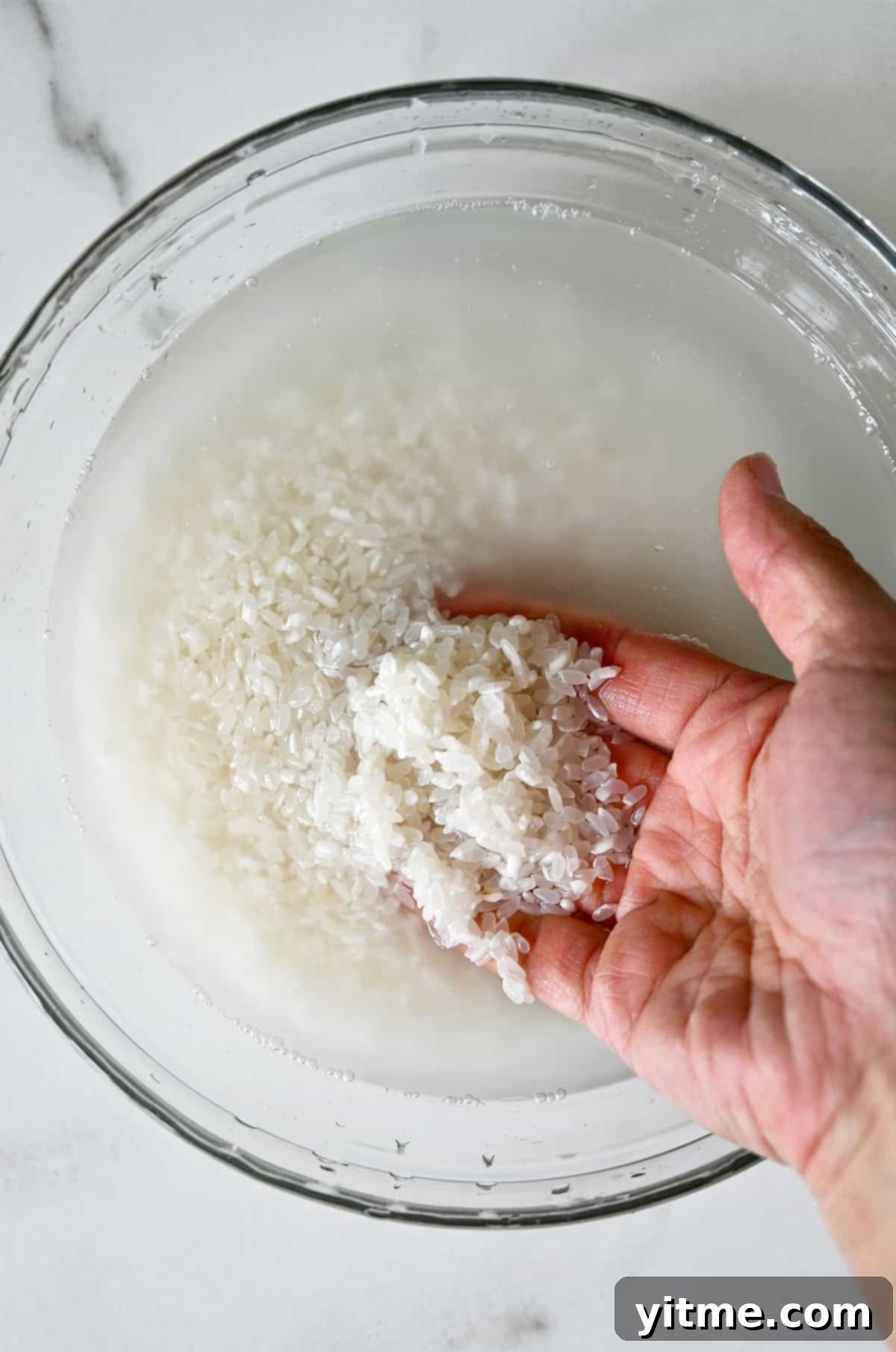
- Rinse and Soak the Rice: Rinse the glutinous rice several times under cold water until the water runs clear. This removes excess starch and helps create the perfect texture. Transfer the rinsed rice to a bowl, cover it with cold water, and let it soak overnight. The longer the rice is soaked, the better the consistency.
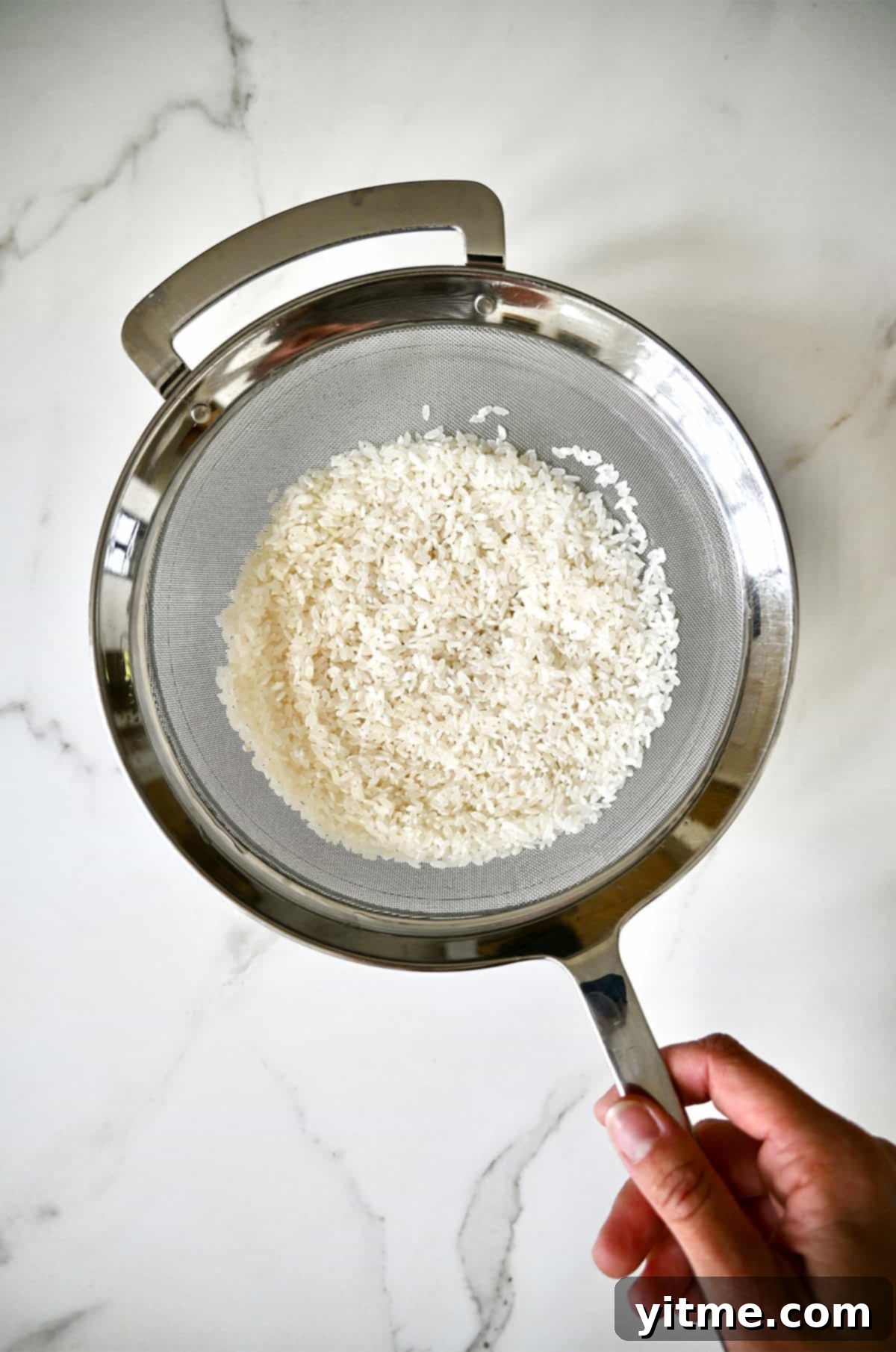
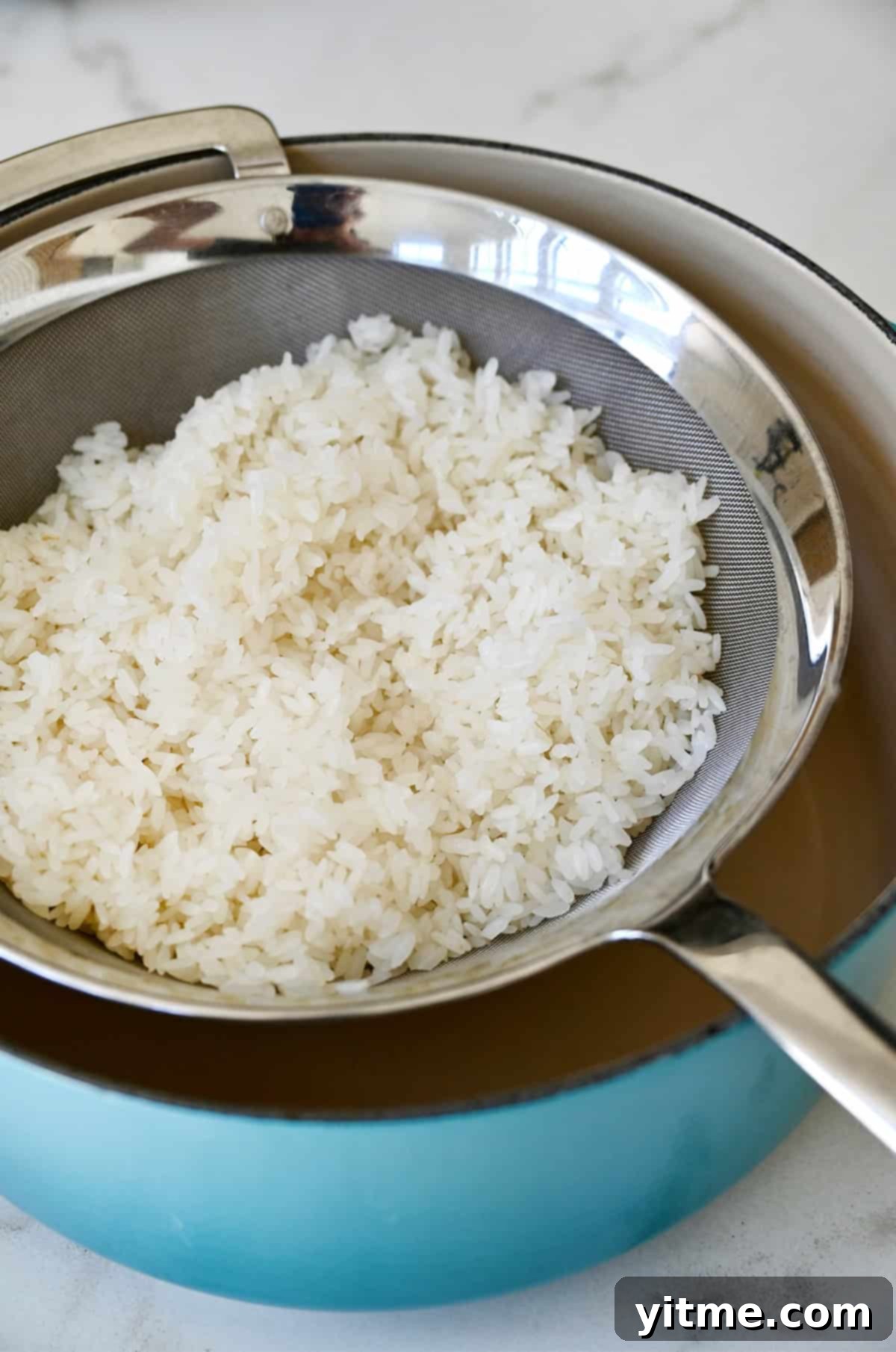
- Steam the Rice: Drain the soaked rice in a sieve. Place the sieve over a large pot filled with shallow, simmering water, ensuring that the sieve does not touch the water. Cover the sieve with a clean kitchen towel, then cover the pot with a lid. Steam the rice for approximately 60 to 70 minutes, or until it is thoroughly cooked. Be sure to monitor the water level in the pot and replenish as needed. Using a steamer is also a great way to get the perfect texture.
- Prepare the Coconut Milk Mixture: While the sticky rice is steaming, prepare the coconut milk mixture. In a small saucepan set over medium heat, combine 1 cup of coconut milk with ⅓ cup of sugar and the salt. Heat the mixture until it boils, stirring continuously until the sugar is completely dissolved. Remove the pan from the heat and cover it with foil to keep it warm.
- Combine Cooked Rice with Coconut Milk: Once the rice is cooked, gently transfer it to a large bowl. Pour the warm coconut milk mixture over the rice and stir gently to combine. Cover the bowl and allow the rice to stand for about 30 minutes, or until all the liquid has been absorbed. At this stage, the rice can be prepared up to 2 hours ahead of time and kept covered at room temperature.
Undercooked Rice Rescue! If you discover that your rice is undercooked after adding the coconut milk mixture, don’t panic! Simply transfer the rice back into the sieve and place it back over the pot of simmering water. Cover the sieve with a towel and the pot with a lid and continue steaming until the rice is fully cooked. Once cooked through, remove the rice and stir in a second batch of the coconut milk mixture. Don’t hesitate to add more liquid—the rice can absorb a significant amount.
- Prepare Thickened Coconut Sauce: While the rice is resting, prepare the thickened coconut sauce. Combine the remaining ⅓ cup of coconut milk with 3 tablespoons of sugar in a small saucepan. Bring the mixture to a boil, stirring constantly, and cook for 1 minute. Transfer the sauce to a small bowl and refrigerate until it thickens slightly.
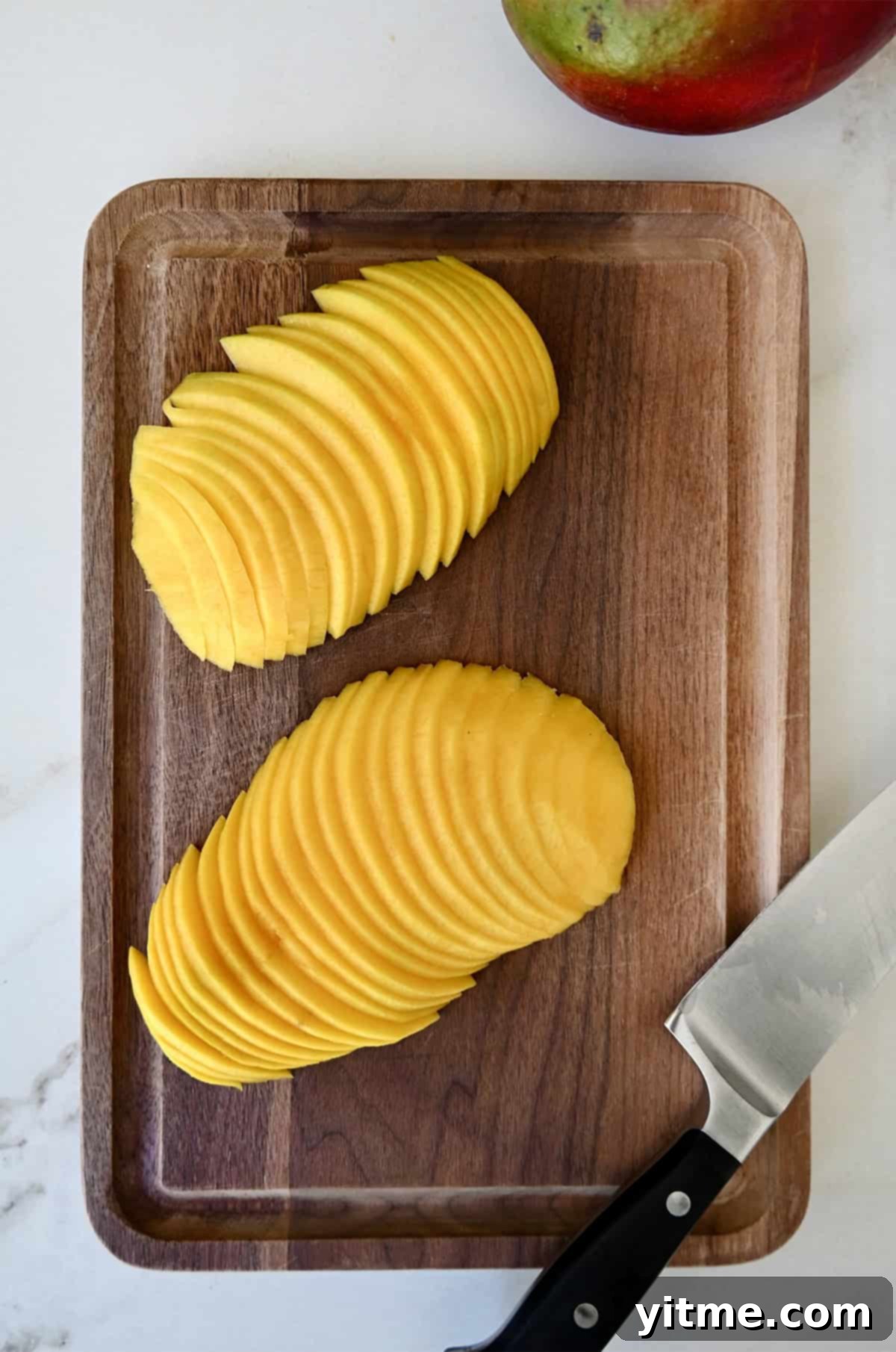
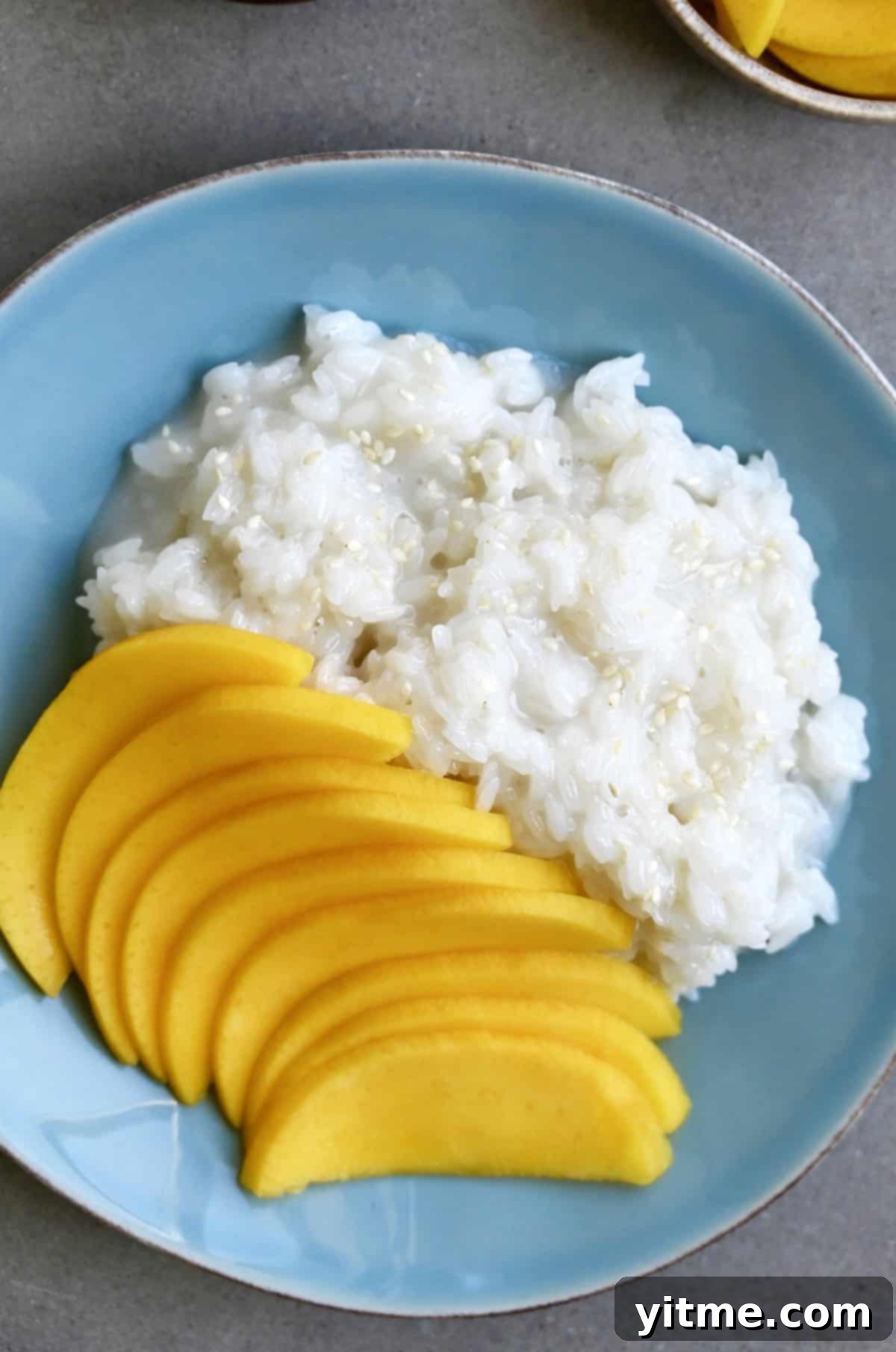
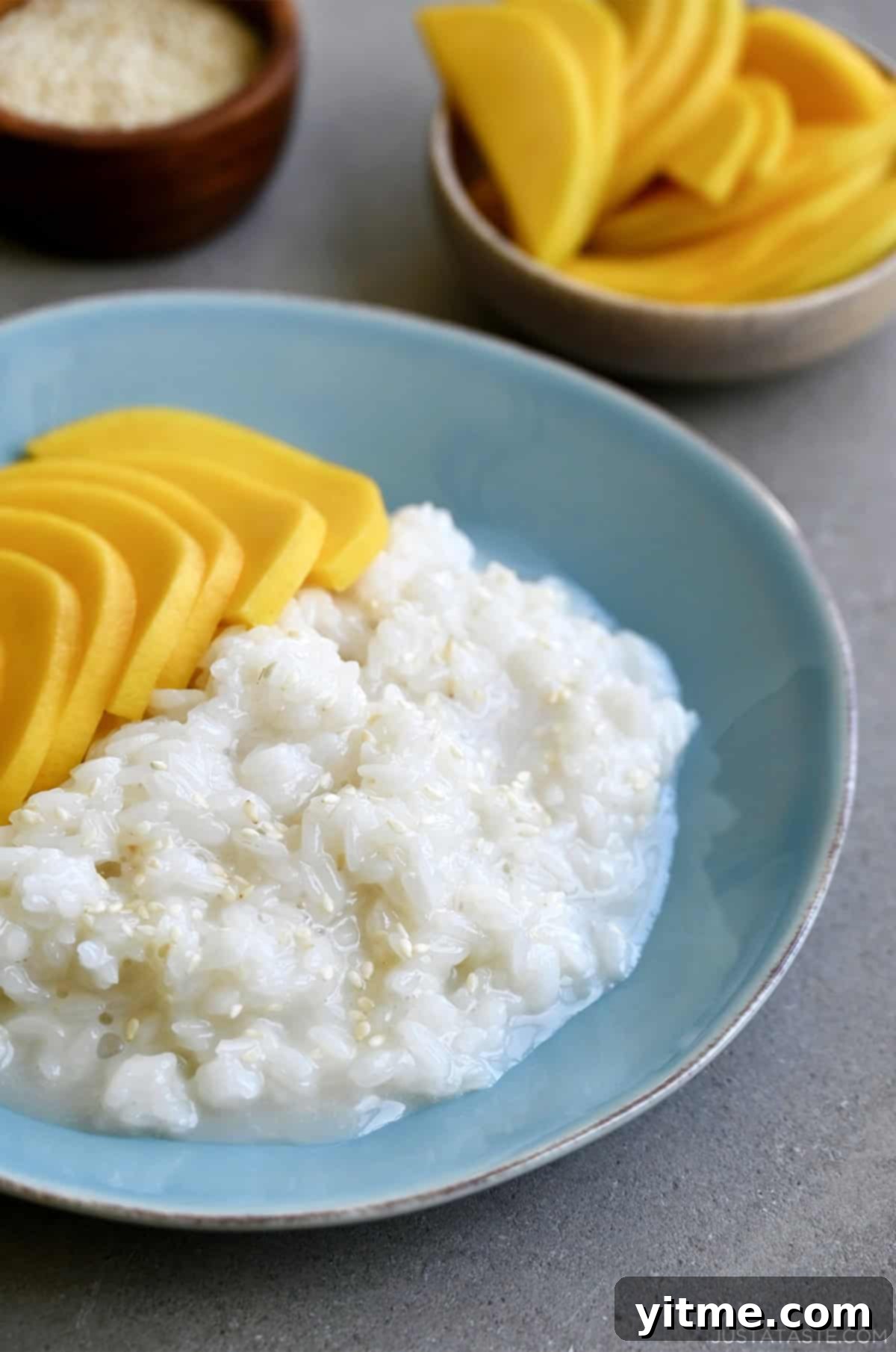
- Assemble and Serve: To assemble, add several spoonfuls of the coconut-infused sticky rice to a plate. Arrange slices of ripe mango alongside the rice. Drizzle the rice generously with the thickened coconut milk syrup, garnish with toasted sesame seeds and toasted coconut flakes, and serve immediately.
Mango sticky rice is best enjoyed fresh on the day it is made. While you can reheat leftovers, the texture is never quite the same. For those looking to streamline the serving process, be sure to check out our make-ahead prep tips below.
Essential Tips & Tricks for Perfect Sticky Rice
- Thoroughly Rinse the Rice: Rinsing the glutinous rice is crucial for removing excess starch from the surface of the grains. This prevents the rice from becoming overly sticky or clumpy.
- Soaking Is Non-Negotiable: Soaking the rice is key to achieving the perfect texture. If you’re pressed for time, you can soak the rice for a minimum of 4 hours, but an overnight soak is highly recommended.
- Sweet Rice is Essential: Don’t substitute regular rice for glutinous rice. Regular rice won’t deliver the characteristic stickiness of this dessert. Stick to authentic Thai glutinous rice.
- Overcooking is Preferable to Undercooking: When steaming the rice, it’s better to err on the side of overcooking it, as this helps achieve the desired texture.
Make-Ahead Preparation Guide
Here are some time-saving tips to make serving this classic Thai dessert even easier:
- Soak the Rice in Advance: Rinse and soak the glutinous rice the night before you plan to make the dessert.
- Toast Garnishes Ahead of Time: Toast the sesame seeds and coconut flakes in advance and store them in airtight containers.
- Prepare Coconut Milk Mixtures in Advance: Both the initial sweetened coconut milk mixture and the thickened coconut milk syrup can be made a day in advance. Store them separately in the refrigerator. Reheat the initial mixture gently before combining it with the cooked rice.
Storing and Reheating Instructions
While this dessert is best enjoyed fresh, here’s how to store and reheat any leftovers:
Storage: Transfer the sticky rice to an airtight container and store it in the refrigerator. Keep the mango slices and thickened coconut sauce in separate containers. All components can be stored for up to 2 days.
Reheating: To reheat the coconut rice, place it in a microwave-safe bowl, cover it with a damp paper towel to help retain moisture, and microwave in 30-second intervals, stirring in between, until warmed through. Alternatively, you can steam the rice for a few minutes.
Pro Tip: If the rice seems too dry after reheating, add a splash of coconut milk.
How to Toast Coconut Flakes
To toast the coconut flakes, spread them in an even layer on a baking sheet lined with parchment paper. Bake for 7 to 10 minutes at 350ºF (175ºC), stirring halfway through, until golden brown.
Toasting the coconut flakes enhances their nutty flavor and adds a delightful crunch.
More Thai-Inspired Recipes to Try
Find inspiration to complete your Thai-inspired dinner with these must-try recipes:
- Drunken Noodles with Chicken
- Thai Chicken Pasta Salad
- Thai Beef Salad with Lime Dressing
- Easy Chicken Pad Thai
- Pad See Ew (Thai Stir-Fried Noodles)
Craving more? Subscribe to Just a Taste for new recipes, meal plans, and newsletters delivered straight to your inbox! Stay connected on Facebook, TikTok, Pinterest, and Instagram for all the latest updates.
Thai Coconut Sticky Rice with Mango
Thai Coconut Sticky Rice with Mango.
Kelly Senyei