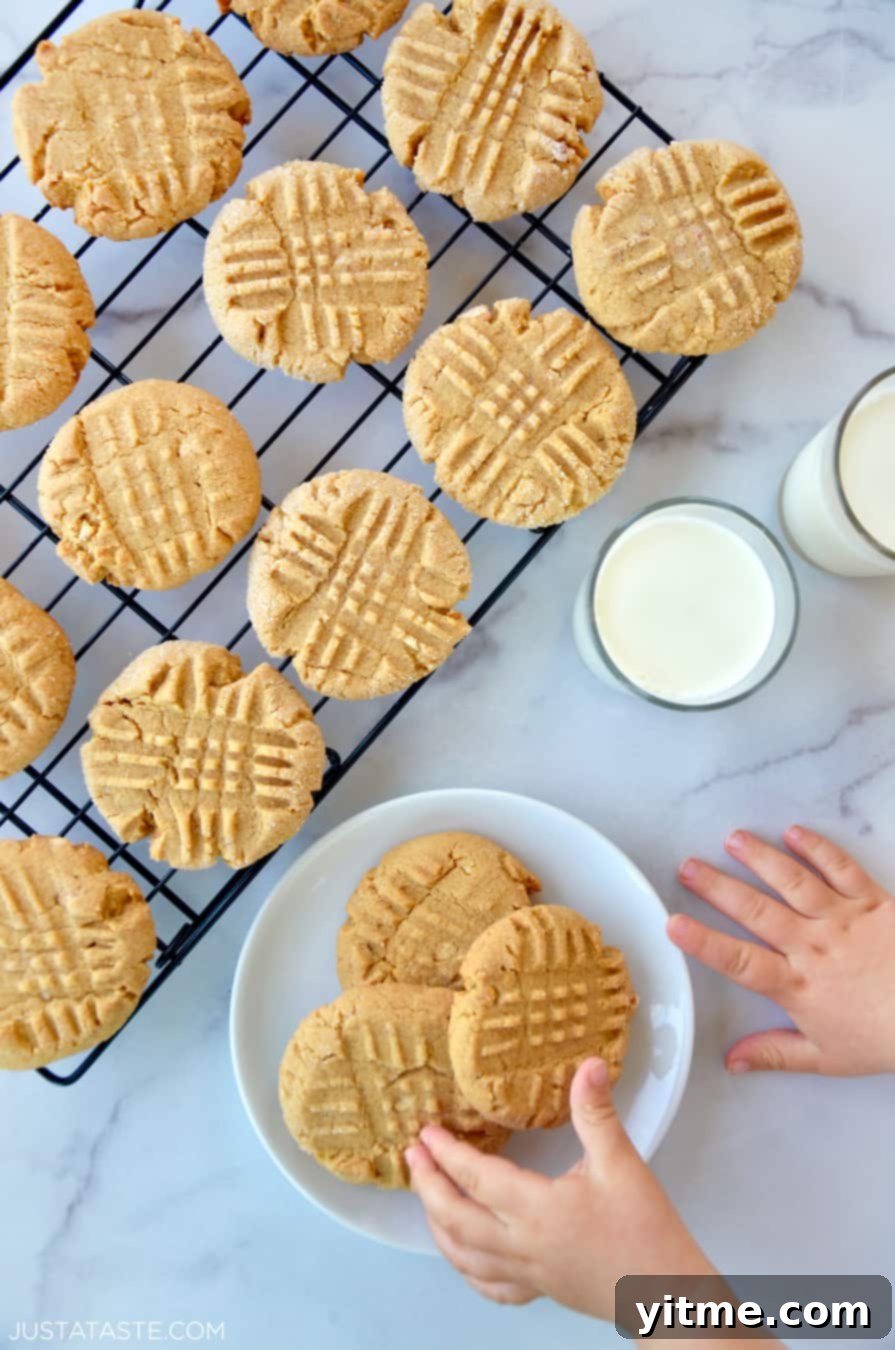
The Ultimate Recipe for Irresistibly Soft and Chewy Peanut Butter Cookies
There’s nothing quite like the comforting taste of a homemade peanut butter cookie. But not just any peanut butter cookie – we’re talking about the kind that melts in your mouth, boasting a perfect balance of soft texture and satisfying chewiness, all while delivering that iconic salty-sweet flavor. If you’ve been on a quest for the ultimate version of this classic treat, your search ends here. We’re about to dive into a tried-and-true recipe for the best Soft and Chewy Peanut Butter Cookies you’ll ever bake, complete with expert tips to guarantee perfection every time.
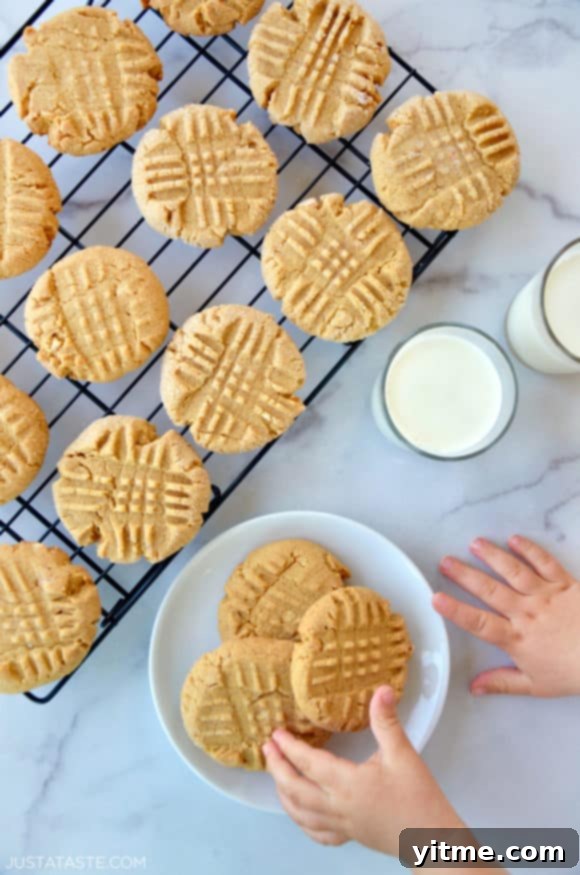
My personal benchmark for an ideal cookie has always centered around two words: “soft” and “chewy.” Many peanut butter cookies can be dry, crumbly, or overly crisp. This recipe, however, stands apart, consistently achieving that desired characteristic bite without any dryness or excessive crunch. The secret lies in a combination of carefully selected ingredients and precise baking techniques that have been perfected through countless iterations.
Through extensive testing and a passion for cookie perfection, I’ve uncovered three essential, tried-and-tested tips that are crucial for achieving the perfect chewy texture in these beloved peanut butter cookies. Mastering these techniques will elevate your baking and ensure your cookies are consistently soft, moist, and utterly delicious.
Mastering the Chewy Texture: Three Essential Baking Tips
1. Embrace the Dark Side: The Magic of Brown Sugar
The type of sugar you incorporate into your cookie dough plays a pivotal role in the final consistency of your baked goods. While all-white granulated sugar tends to produce a crispier cookie, a strategic blend of white and dark brown sugar is the secret weapon for a truly chewy texture. Dark brown sugar contains a higher molasses content compared to its lighter counterpart, and it’s this molasses that works wonders. Molasses is a humectant, meaning it attracts and retains moisture, which is key to keeping your cookies soft and chewy long after they’ve cooled. The increased molasses also imparts a richer, deeper flavor profile, adding another layer of deliciousness to your peanut butter cookies.
Experimenting with sugar ratios can be fun, but for these soft and chewy peanut butter cookies, a balanced mix provides the best of both worlds: the structure from granulated sugar and the moisture-rich chewiness from dark brown sugar. This combination ensures your cookies spread just enough without becoming flat, and remain wonderfully soft throughout.
2. The “Low and Slow” Approach for Even Baking
Many cookie recipes call for a standard oven temperature of 350ºF (175ºC). However, for these exceptionally soft and chewy peanut butter cookies, we advocate for turning down your oven temperature to 325ºF (160ºC). This seemingly small adjustment, coupled with a slight increase in baking time, is a game-changer. A lower temperature ensures that the cookies bake more evenly from the center to the edges. When baked at a higher temperature, the edges of your cookies can become hard and crispy long before the center has had a chance to fully set and bake through, resulting in an inconsistent texture. By slowing down the baking process, you allow the heat to penetrate the dough more gently and uniformly, promoting a consistently soft and chewy interior while still achieving a beautifully golden edge without overbaking.
This “low and slow” method is particularly beneficial for cookies that rely on moisture for their texture, as it minimizes moisture loss during baking, contributing to that desirable softness and chewiness.
3. Underbaking is Overachieving: The Power of Residual Heat
Perhaps the most crucial tip for achieving soft and chewy cookie perfection is this: when in doubt, always err on the side of under-baking. You should remove your peanut butter cookies from the oven about 2 to 3 minutes before their centers appear fully baked. At this point, the edges should be lightly golden, but the centers might still look a bit soft or even slightly doughy. Do not be tempted to bake them longer!
The magic happens during the resting period. Once removed from the oven, allow the cookies to rest on the hot baking sheet for approximately 5 minutes. During this time, the residual heat from the baking sheet will continue to cook the cookies gently, allowing them to firm up and set without becoming dry or hard. This carryover cooking is essential for developing that perfect soft and chewy texture. After 5 minutes, transfer them to a wire rack to cool completely. This two-stage cooling process ensures they retain maximum moisture and develop their characteristic chewiness.
Beyond the Basics: Tips for Peanut Butter Cookie Success
While the three core tips will get you 90% of the way to peanut butter cookie nirvana, a few additional pointers can help you achieve truly outstanding results:
- Quality Peanut Butter Matters: Opt for a creamy, good-quality peanut butter. Natural peanut butter (the kind that separates) can sometimes lead to a drier cookie, so a standard, processed creamy peanut butter (like Jif or Skippy) often works best for this specific texture.
- Room Temperature Ingredients: Ensure your butter and eggs are at room temperature. This allows them to cream together more effectively with the sugars, creating a smooth, emulsified base that traps air and contributes to a lighter, more tender cookie texture.
- Don’t Overmix: Once you add the dry ingredients to the wet, mix only until just combined. Overmixing develops the gluten in the flour, which can lead to tough, dense cookies. Gently folding in the dry ingredients in stages helps prevent this.
- Chill Your Dough (Optional but Recommended): While not strictly required, chilling your dough for at least 30 minutes (or even overnight) can improve the flavor and texture of your cookies. It allows the flour to fully hydrate, preventing crumbly cookies, and solidifies the fats, leading to less spread and a thicker cookie.
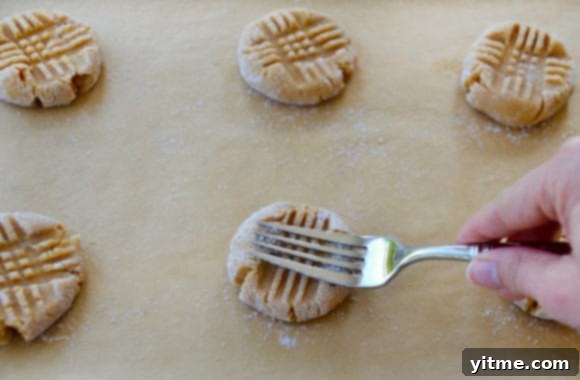
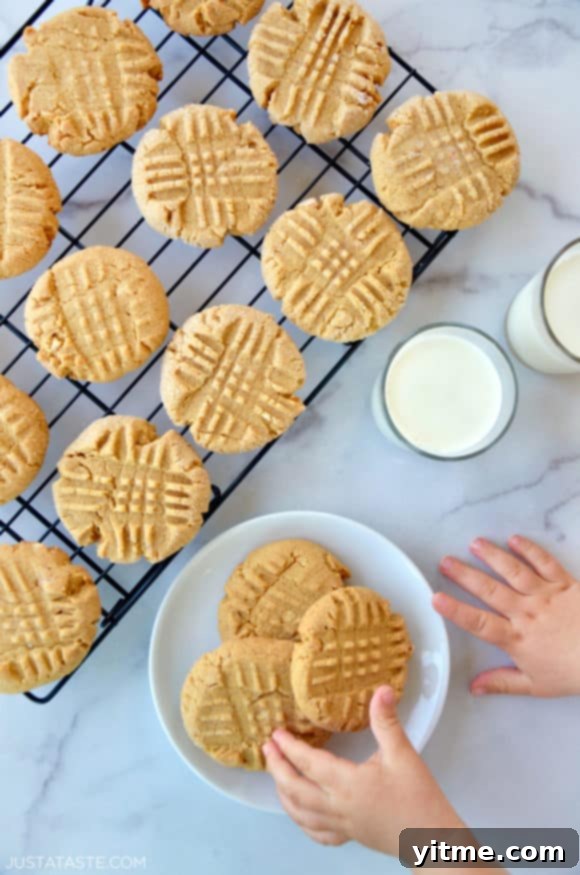
- The Fork Marks: The classic criss-cross pattern on peanut butter cookies isn’t just for aesthetics. It helps flatten the dough balls slightly, ensuring more even baking and a consistent chew.
Ready to satisfy your salty-sweet cravings? Gather your ingredients, grab that delicious peanut butter, and preheat your oven. You’re just steps away from baking two dozen of the world’s best soft and chewy peanut butter cookies.
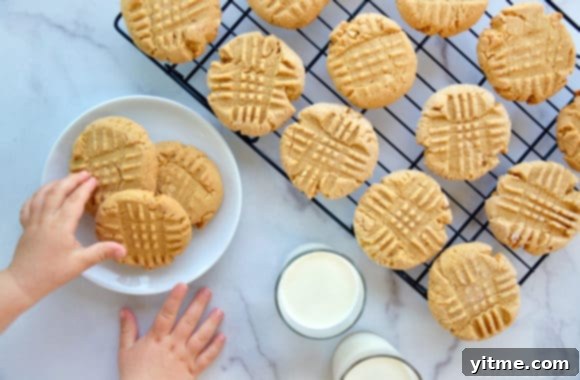
These delightful cookies are incredibly versatile. Enjoy them alongside a tall glass of ice-cold milk for a simple yet satisfying treat. For an extra indulgent experience, elevate your dessert by sandwiching two of these chewy cookies around your favorite flavor of ice cream to create irresistible homemade ice cream sandwiches. The contrast of the soft cookie with cold, creamy ice cream is pure bliss!
Once you taste the difference that these baking tips make, you’ll never go back to dry, crumbly peanut butter cookies again. This recipe is a keeper, guaranteeing a batch of perfectly soft, deeply flavored, and wonderfully chewy cookies every single time. Happy baking!
Craving more delicious recipes and baking inspiration? Subscribe to Just a Taste to get new recipes, meal plans, and a newsletter delivered straight to your inbox! And stay in touch on Facebook, Twitter, Pinterest, and Instagram for all of the latest updates.
Soft and Chewy Peanut Butter Cookies
Ingredients
- 2 1/2 cups all-purpose flour
- 1/2 teaspoon baking soda
- 1/4 teaspoon kosher salt
- 1 1/4 cups granulated sugar, plus additional for rolling
- 1 1/4 cups packed dark brown sugar
- 1 cup unsalted butter, softened
- 3 large eggs
- 1 3/4 cups creamy peanut butter
- 1 Tablespoon vanilla extract
- 2/3 cup salted peanuts, roughly chopped
Instructions
- Preheat oven to 325ºF (160ºC) and line a baking sheet with a Silpat or parchment paper.
- In a medium bowl, whisk together the flour, baking soda, and salt. Set aside.
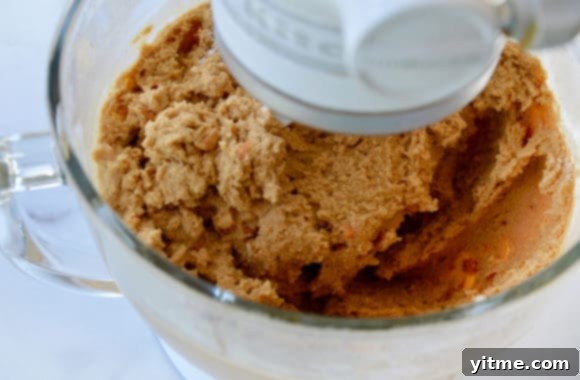
- In the bowl of a stand mixer fitted with the paddle attachment, combine the white sugar, brown sugar, and softened butter. Beat on medium speed until the mixture is light, fluffy, and slightly grainy (about 2-3 minutes). Add in the eggs one at a time, beating well after each addition until fully incorporated. Then, add the creamy peanut butter and vanilla extract, beating until the mixture is smooth and fluffy. (The dough will be quite soft at this stage.)
- Gradually add the dry ingredients to the wet ingredients in three portions, mixing on low speed just until combined after each addition. Be careful not to overmix the dough, as this can lead to tough cookies. Finally, stir in the roughly chopped salted peanuts until evenly distributed.
- Scoop out the dough into quarter-cup portions. Roll each portion into a smooth ball between your palms and then coat it generously with additional white granulated sugar for a lovely crunchy exterior. (Refer to Kelly’s Notes for handling soft dough.) Arrange the sugar-coated cookie dough balls roughly 2 inches apart on the prepared baking sheet. Using a fork, gently press the tines down into the center of each ball of dough to create a criss-cross pattern. Rotate the fork 90° and press again to complete the classic peanut butter cookie design.
- Bake for 20 to 22 minutes (or until the edges are golden and the centers appear slightly under-baked). Rotate the sheet tray halfway through the baking time to ensure even cooking. It is crucial to remove the cookies when they still look a little soft in the middle. Remove the baking sheet from the oven and allow the cookies to cool completely on the hot baking sheet for 5 minutes. This crucial resting period allows them to finish cooking through residual heat and develop their signature chewy texture. After 5 minutes, carefully transfer the cookies to a wire rack to fully cool.
Kelly’s Notes:
- The less you handle the cookie dough directly with your hands, the better, as the warmth can quickly cause the peanut butter and butter to melt, making the dough sticky. If you’re working in a warm kitchen or find the dough too soft, store it in the fridge in between batches to ensure it remains easy to handle and roll.
- ★ Did you make this recipe? Don’t forget to give it a star rating below! Your feedback is greatly appreciated!
Nutrition
Did you try this recipe?
Leave a comment below with your star rating!