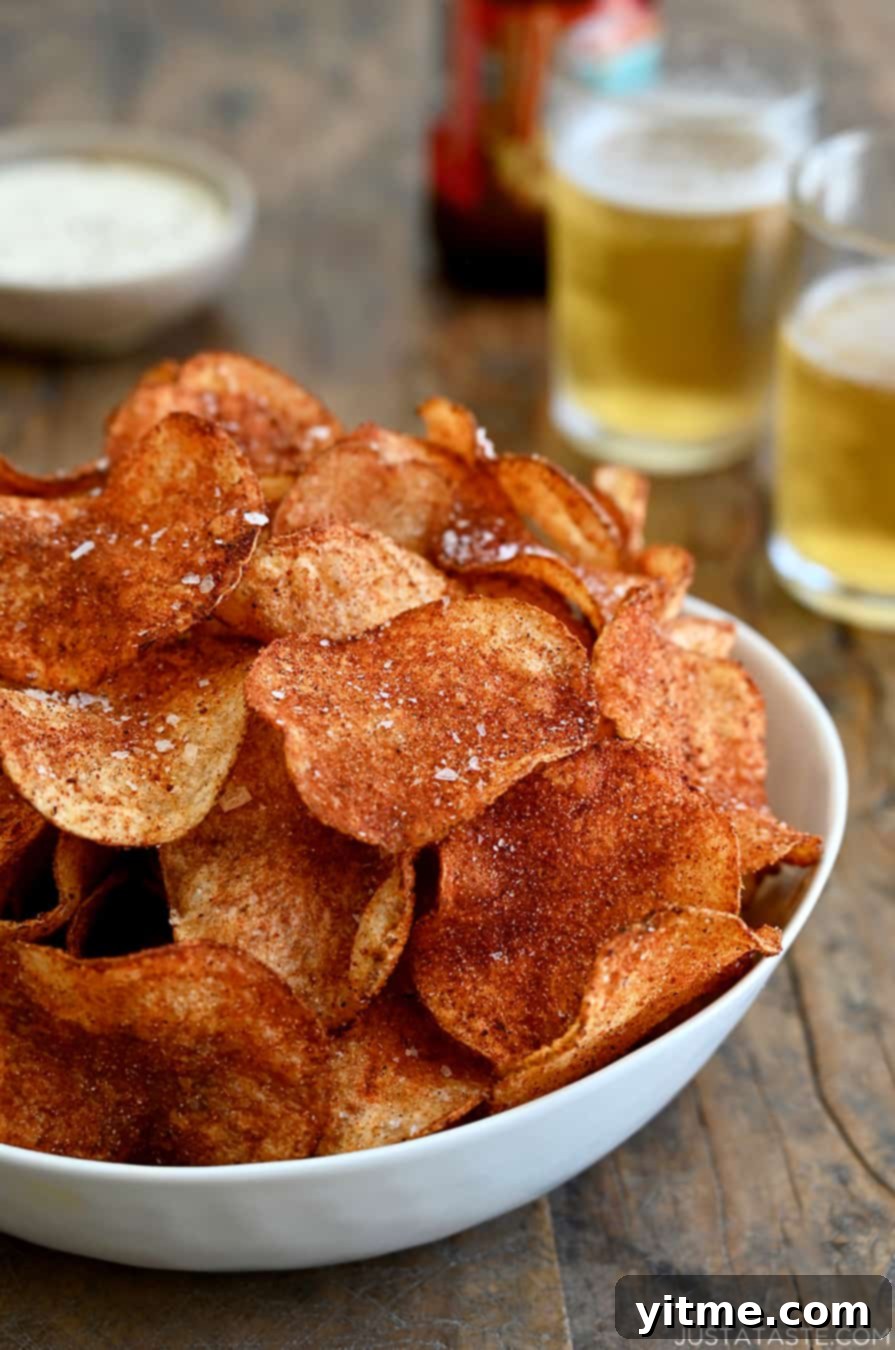
The Ultimate Guide to Crafting Crispy Homemade Barbecue Potato Chips with DIY Seasoning
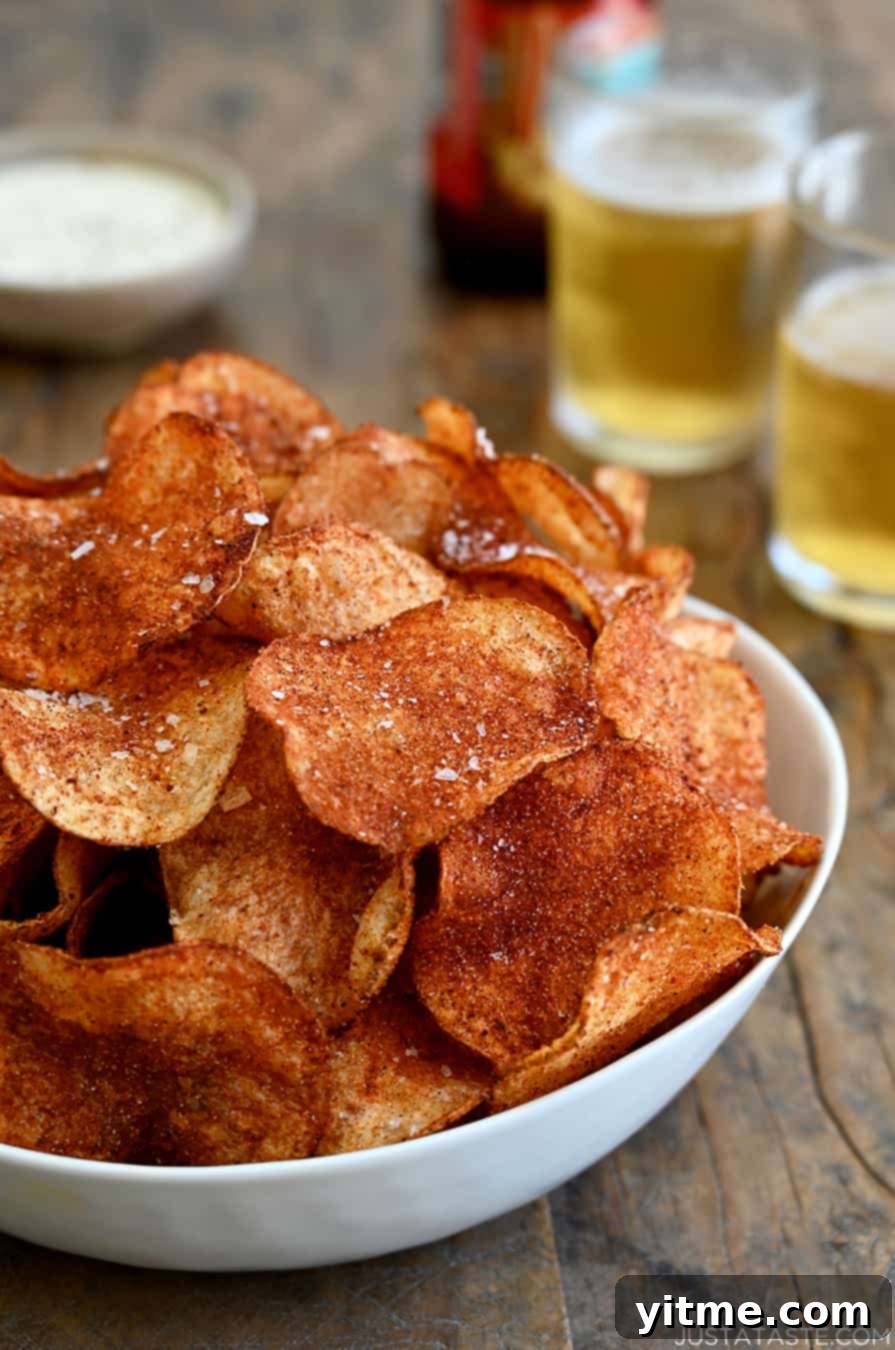
Tired of store-bought snacks that lack that fresh crunch and vibrant flavor? It’s time to elevate your snack game with a top-rated recipe for irresistible Homemade Barbecue Potato Chips! Forget those pre-packaged bags; this recipe guides you through creating piping hot, perfectly crispy potato chips, generously tossed in a mouth-watering, custom-blended DIY barbecue seasoning. Prepare yourself for a snacking experience that’s miles beyond anything you’ll find on a grocery shelf, delivering an unparalleled combination of savory, smoky, and sweet in every single bite.
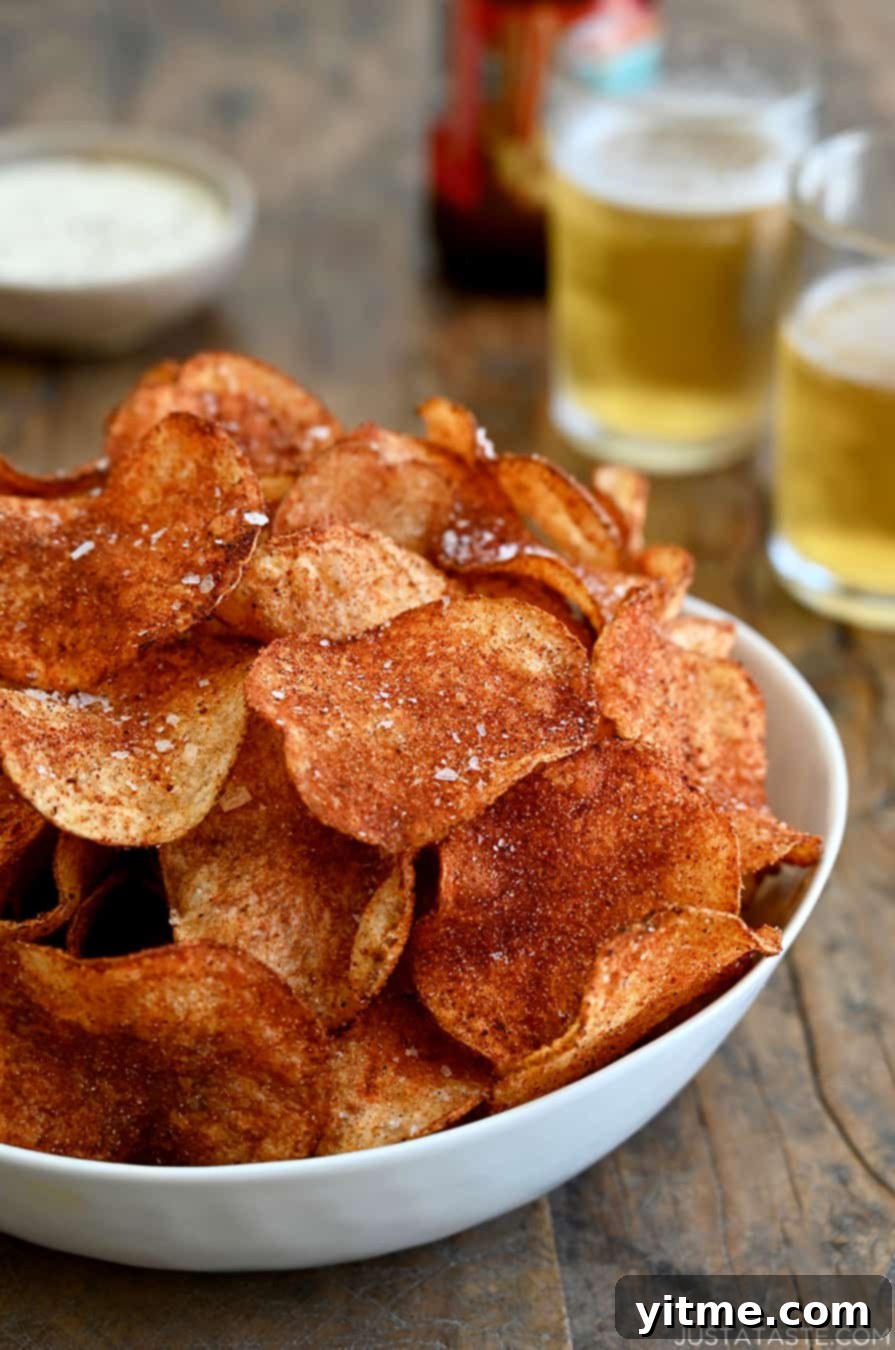
There are few culinary delights that capture my complete and utter attention quite like a freshly prepared bowl of potato chips. The moment they emerge from the oil, still warm, glistening, and radiating that unmistakable aroma, is pure bliss. Each chip promises a symphony of textures and flavors: searing hot, impeccably crispy, perfectly salted, and utterly divine for any snacking occasion. Pair this ultimate snack with a frosty Diet Coke, overflowing with crushed ice, and you’ve unlocked the secret to a perfect moment. This isn’t just about satisfying a craving; it’s about indulging in a homemade treat that speaks to the soul.
The profound allure of this recipe stems from a powerful combination of two key elements, working in perfect harmony to create snack perfection. Firstly, we meticulously slice the potatoes to an extraordinary thinness. This isn’t just a detail; it’s the foundation of their legendary crispiness. When these delicate slices meet hot oil, they transform into shatteringly crisp chips, delivering that satisfying crunch with every bite. Secondly, what truly sets these chips apart is the homemade barbecue seasoning blend. This isn’t just any seasoning; it’s a carefully balanced concoction that offers a complex flavor profile—equal parts savory, delightfully smoky, and subtly sweet. This custom blend adheres beautifully to the hot chips, ensuring a burst of authentic barbecue flavor that tantalizes your taste buds and leaves you craving more. It’s the perfect marriage of texture and taste that elevates a simple potato into an extraordinary snack.
How to Achieve Unbelievably Crispy Homemade Potato Chips Every Time
The quest for consistently crispy homemade potato chips is undoubtedly the most frequent question in the realm of DIY salty snacks. Fear not, fellow snack enthusiasts, because I have all the essential answers and proven techniques to ensure your chips reach their full, glorious crisp potential! The secret truly lies in maintaining consistency throughout the entire process, from preparing the potatoes with uniform thinness to precisely managing your frying oil temperature. Let’s dive into the specifics:
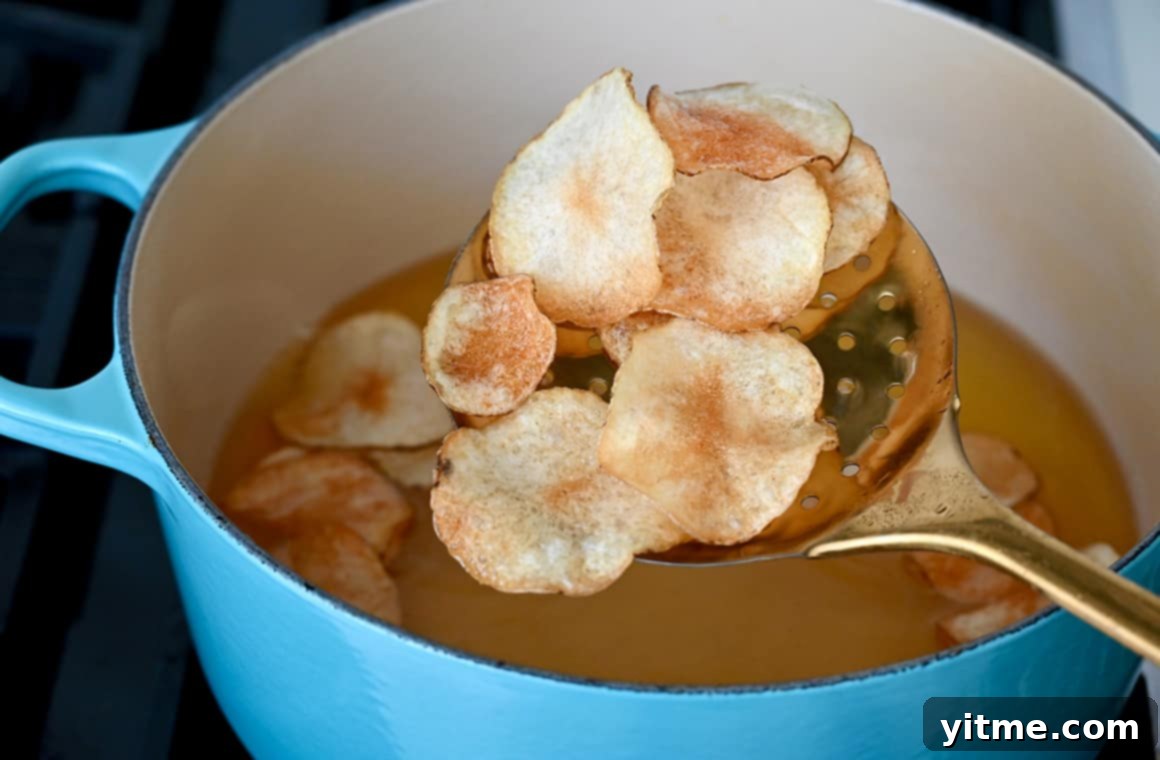
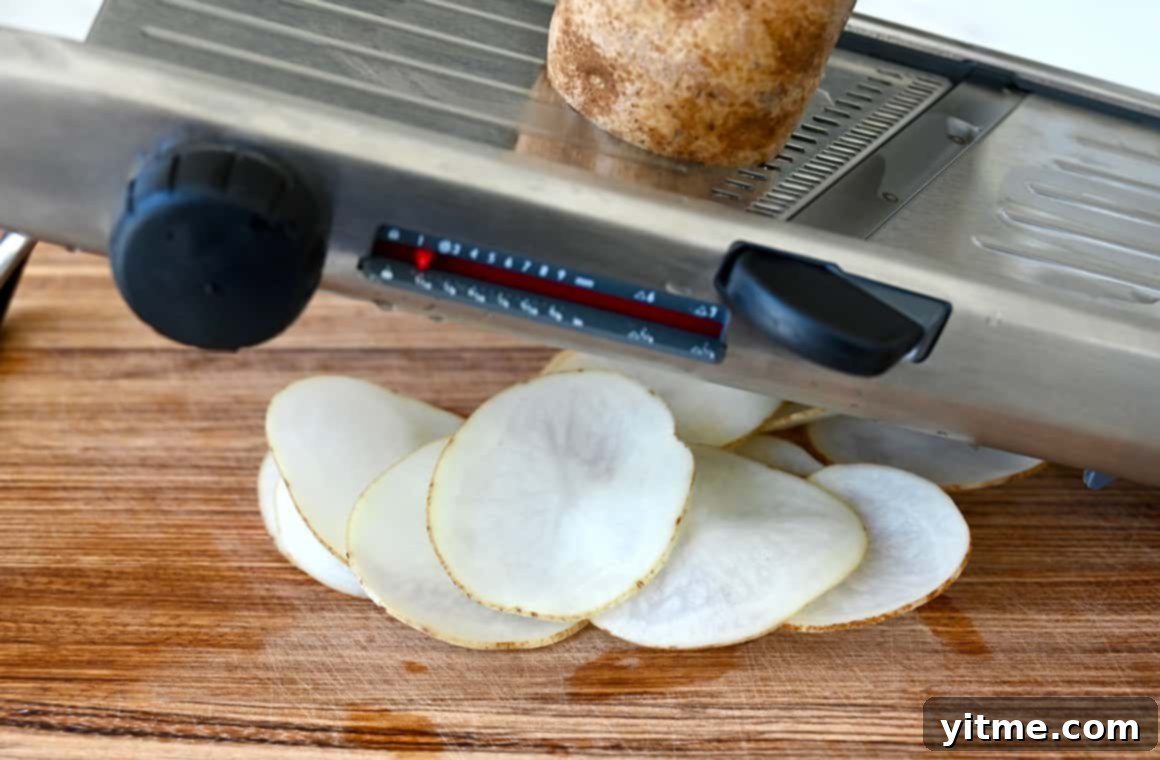
- Mandoline for Precision Slicing: The journey to superior crispiness begins with the thickness of your potato slices. To achieve that coveted extra-crispy texture, we absolutely must start with slices that are as thin as paper. This is where a mandoline slicer becomes an invaluable tool. Set it to the 1/16-inch setting for optimal results. The mandoline ensures not only thinness but also remarkable uniformity, which is critical for even frying. If you don’t own a mandoline, don’t despair! A very sharp chef’s knife and a steady hand can certainly get the job done. Practice makes perfect, so take your time and aim for consistent, wafer-thin slices. Always prioritize safety when using either tool!
- The Paramount Importance of Consistency: Whether you’re a mandoline master or a skilled knife user, slicing your potatoes to a consistent thinness is non-negotiable for perfectly crispy chips. Any variation in thickness will lead to some chips burning while others remain soggy or undercooked. Uniformity ensures that every single potato slice fries at the same rate and for the same duration, resulting in a batch of chips that are all equally golden-brown and delightfully crisp. Take your time during this preparatory step; it genuinely makes all the difference in the final outcome.
- Mastering Oil Temperature for Frying: Successful deep-frying is an art, and the temperature of your oil is your canvas. Precise monitoring of this temperature is absolutely crucial, which means investing in a reliable deep-fry thermometer is a non-negotiable step. The ideal temperature range for achieving perfectly crisp potato chips is consistently 360°F (182°C). Frying at a lower temperature will result in greasy, soggy chips, as the potatoes will absorb too much oil before they can crisp up. Conversely, oil that is too hot will burn the chips on the outside before the inside can fully cook and dehydrate. Most importantly, it is absolutely essential to allow the oil to return to that precise 360°F between each batch of potatoes. Adding cold potato slices will inevitably drop the oil temperature, and if you don’t allow it to recover, subsequent batches will suffer in crispiness and texture. Patience here truly pays off!
- Choosing the Right Frying Oil: The type of oil you use for frying can also impact the crispiness and flavor of your homemade chips. Opt for oils with a high smoke point and a neutral flavor, such as vegetable oil, canola oil, peanut oil, or sunflower oil. These oils can withstand the high temperatures required for deep-frying without breaking down or imparting undesirable flavors to your chips. Avoid olive oil or butter, as they have lower smoke points and will burn quickly, ruining your chips and potentially creating a smoky kitchen.
The Science Behind Soaking Potatoes for Perfect Chips
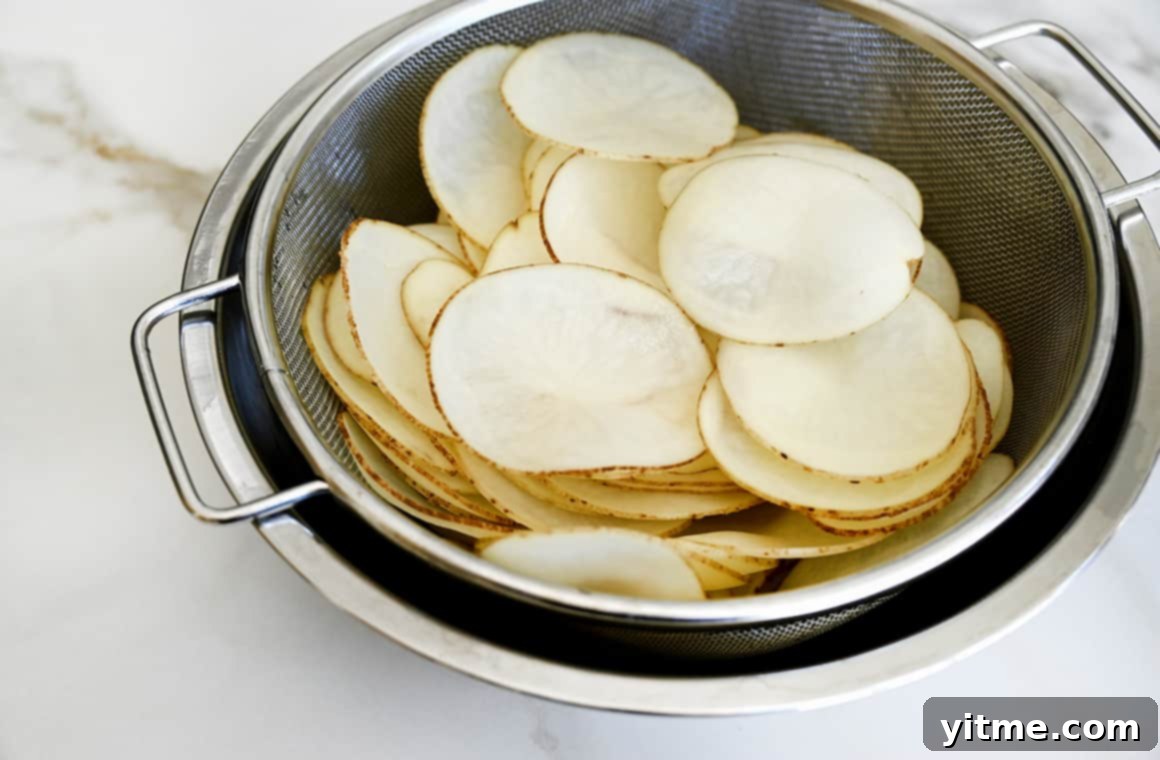
You might wonder why an extra step like soaking sliced potatoes in water is necessary when making chips. This simple yet critical technique is all about the science of starch. Potatoes are naturally rich in starch, and when these starch molecules are exposed to high heat (like frying oil), they tend to become sticky. This stickiness is what can cause your potato slices to clump together during the frying process, preventing them from crisping up individually and evenly. By soaking the thinly sliced potatoes in a bowl of cold water, you effectively draw out a significant portion of this excess surface starch. The more starch you can remove through this simple soak, the less sticky the potatoes will be when they hit the oil. The translation for you is simple: this preparation step guarantees a clump-free zone, resulting in beautifully separated, uniformly crispy chips that don’t stick to each other. For even better results, consider rinsing the slices thoroughly after soaking and before patting them dry.
How to Properly Store Homemade Potato Chips for Lasting Crispiness
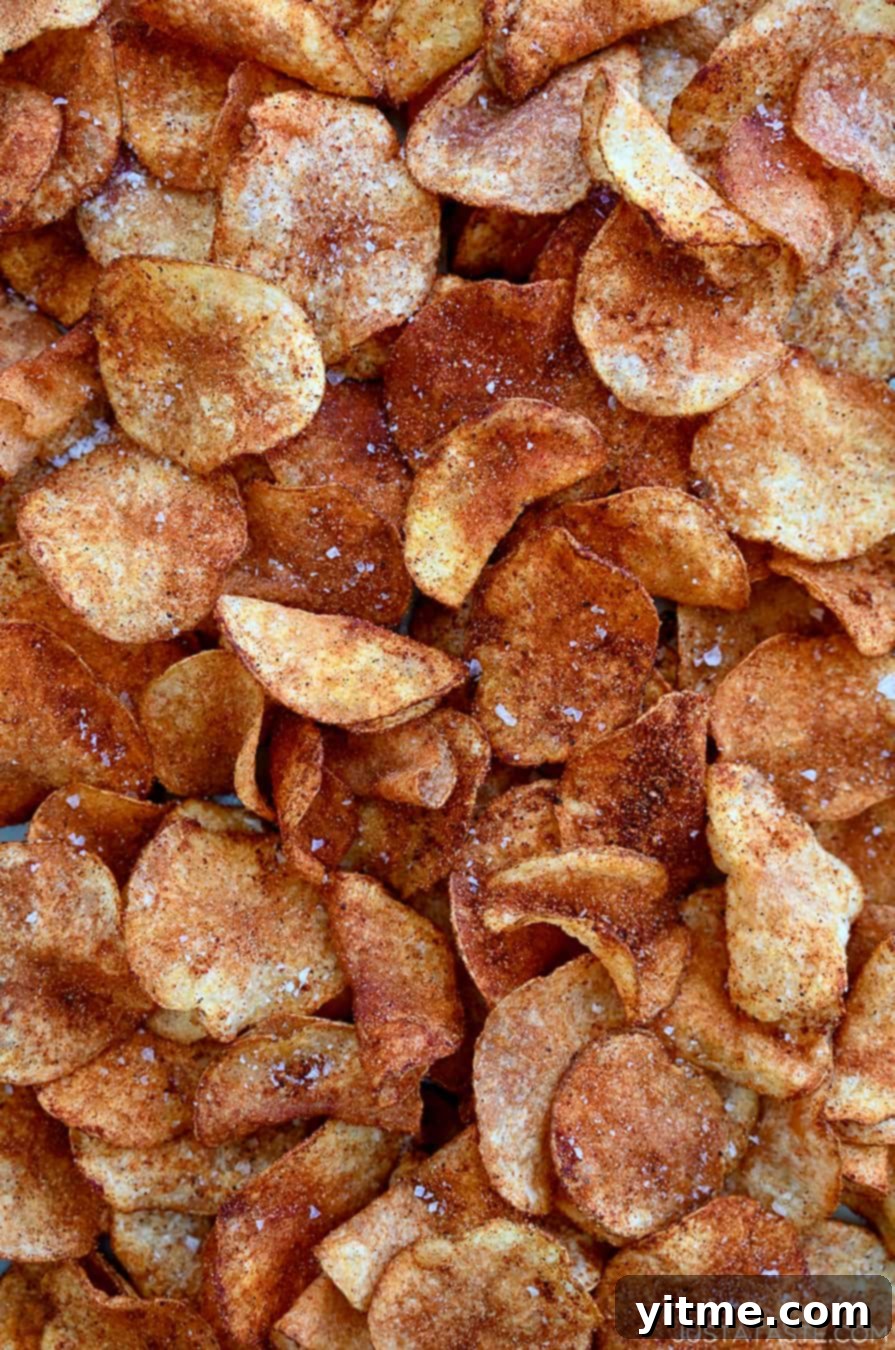
Successfully making homemade potato chips is only half the battle; keeping them delightfully crispy for as long as possible is the other crucial part. The golden rule for storage is simple: an air-tight container is absolutely essential. Whether you choose a sealable plastic bag, a rigid Tupperware-like vessel, or even a glass jar with a tight-fitting lid, the goal is to create an impenetrable barrier against air. Why is air the enemy when it comes to crispiness? Exposure to air introduces moisture, and moisture is the primary culprit behind soggy, stale chips. The more airtight your storage solution, the longer your homemade chips will retain their freshly fried crisp texture. To maximize their freshness and preserve that satisfying crunch, always stash your bag or container at room temperature. Avoid refrigerating chips, as the cold environment can actually promote moisture absorption and diminish their crispness. With proper storage, your delicious homemade barbecue potato chips can remain fresh and wonderfully crispy for several days, ready to satisfy your snack cravings whenever they strike.
Choosing the Best Potatoes for Homemade Chips
While many potato varieties exist, not all are created equal when it comes to making the perfect crispy chip. For this recipe, we recommend using large baking potatoes, such as Russet potatoes (also known as Idaho potatoes). These varieties are characterized by their high starch content and relatively low moisture content, which are ideal properties for frying. The high starch helps them achieve that desired crispness, while the lower moisture means less water needs to evaporate during frying, leading to a faster and more efficient cooking process. Scrub them thoroughly, as we’ll be leaving the skins on for extra flavor, texture, and rustic appeal. Red or yellow potatoes can also work, but their waxier texture and higher moisture might yield a slightly less crisp result.
Safety First: Important Deep Frying Tips
Deep frying can be a rewarding way to cook, but it requires careful attention to safety. Always ensure you have a large, heavy-bottomed pot that can accommodate the oil and potatoes without overflowing, leaving plenty of headspace. Never fill the pot more than halfway with oil. Keep a fire extinguisher (specifically for grease fires) nearby, and never use water to extinguish an oil fire. Always use a deep-fry thermometer to monitor oil temperature accurately, as unstable temperatures can lead to dangerous situations. Slowly and carefully add potatoes in small batches to avoid oil splattering and a sudden drop in temperature. Use a slotted spoon or spider to handle the chips in and out of the hot oil. Finally, ensure your work area is dry and clear of clutter to prevent slips and spills.
Troubleshooting Common Homemade Chip Problems
Even with the best intentions, you might encounter a few hurdles when making homemade potato chips. Here are some common issues and how to fix them:
- Soggy Chips: This is usually a sign that your oil temperature was too low, or you overcrowded the pot. Ensure the oil stays at a consistent 360°F and fry in small batches, allowing the oil to recover its temperature between additions. Also, make sure potatoes are thoroughly dried before frying.
- Burnt Chips: Oil that is too hot (above 375°F) or leaving chips in for too long will result in burnt chips. Keep that thermometer handy and reduce heat if necessary.
- Unevenly Cooked Chips: This points to inconsistent potato slice thickness. A mandoline is your best friend here, but if using a knife, strive for extreme uniformity. Flipping chips constantly during frying also helps ensure even cooking.
- Chips Sticking Together: This is a classic symptom of not soaking the potatoes long enough, or not rinsing them thoroughly to remove surface starch. Ensure a good 30-minute soak and pat dry completely.
Perfect Pairings and Serving Suggestions
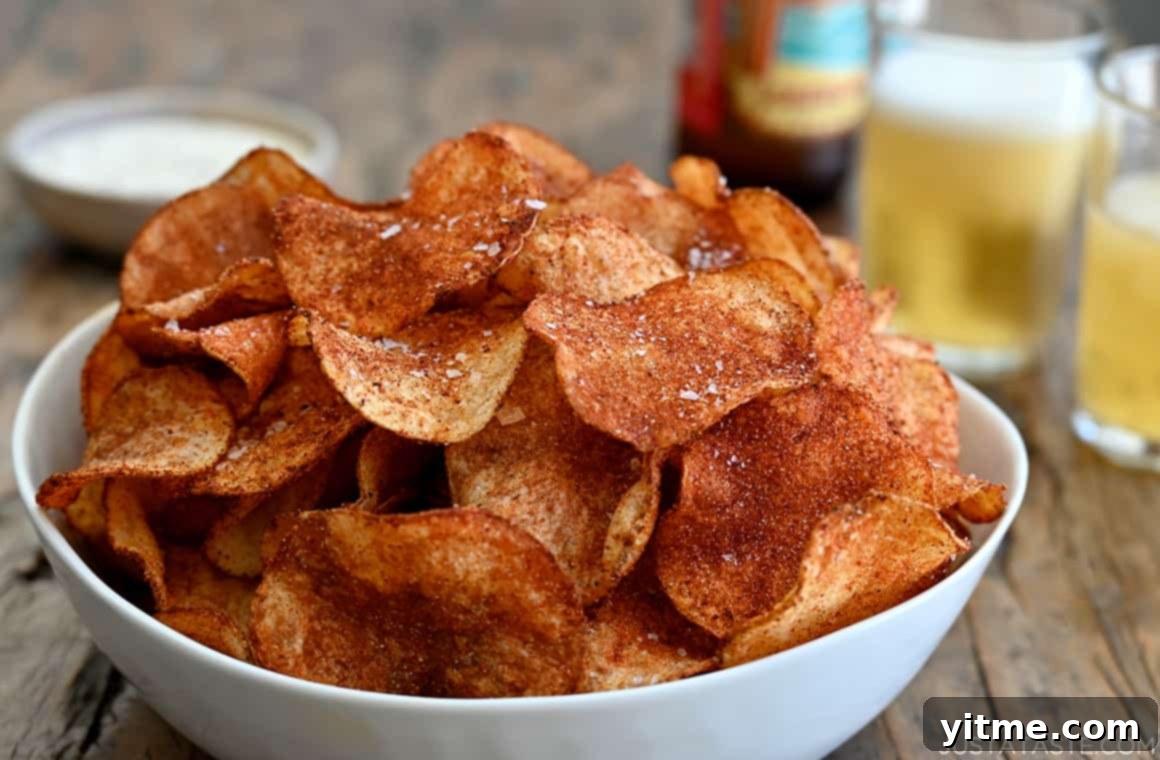
These homemade barbecue potato chips are a star on their own, but they also make a fantastic accompaniment to a variety of meals and gatherings. Serve them alongside classic American fare like juicy burgers, hot dogs, or pulled pork sandwiches for an authentic barbecue experience. They’re also incredible with simple deli sandwiches or wraps for a satisfying crunch. For dipping, consider a creamy ranch, a tangy blue cheese dressing, or even a spicy sriracha mayo. Don’t forget a cold beverage—iced tea, lemonade, or a craft beer complements the savory, smoky flavors beautifully. They’re also a guaranteed hit at parties, potlucks, and game day celebrations. These chips are so good, they might just steal the show!
Craving more deliciousness and culinary inspiration? Subscribe to Just a Taste to get new recipes, expertly crafted meal plans, and an exclusive newsletter delivered directly to your inbox! And for all the latest updates, behind-the-scenes glimpses, and engaging content, stay connected with us on Facebook, Twitter, Pinterest, and Instagram. Join our community and never miss a bite!
Homemade Barbecue Potato Chips
Ingredients
- 2 teaspoons paprika
- 2 teaspoons light brown sugar
- 1 teaspoon garlic salt
- 1 teaspoon onion powder
- 1/2 teaspoon chili powder
- 1 teaspoon Lawry’s Seasoned Salt
- 1/2 teaspoon kosher salt, plus more to taste
- 1/2 teaspoon fresh black pepper
- 2 large baking potatoes, scrubbed
- Vegetable oil, for frying
Instructions
- In a small bowl, combine the paprika, light brown sugar, garlic salt, onion powder, chili powder, Lawry’s Seasoned Salt, kosher salt, and fresh black pepper. Stir thoroughly until all spices are well blended. This will be your incredible homemade barbecue seasoning. Set this mixture aside for later use.
- Carefully slice the scrubbed potatoes to an ultra-thin 1/16-inch thickness. A mandoline slicer is highly recommended for achieving uniform, paper-thin slices, which are crucial for crispiness. If using a sharp chef’s knife, take extra care to ensure consistent thickness for all slices. Immediately place the potato slices into a large bowl filled with cold water, ensuring they are fully submerged. Allow the potatoes to soak for a minimum of 30 minutes; this step removes excess starch, preventing sticking and promoting crispiness.
- After soaking, remove the potato slices from the water. Transfer them to a plate generously lined with paper towels. It is absolutely vital to pat them completely dry using more paper towels. Any residual moisture can cause oil splattering and hinder crispiness during frying.
- Pour about 2 inches of vegetable oil (or your preferred high smoke-point frying oil) into a heavy-bottomed stock pot. Place the pot over medium-high heat. Attach a deep-fry thermometer to the side of the pot and heat the oil until it reaches a steady temperature of 325ºF (163°C). While the oil heats, line a large baking sheet with several layers of paper towels; this will be used for draining the freshly fried chips.
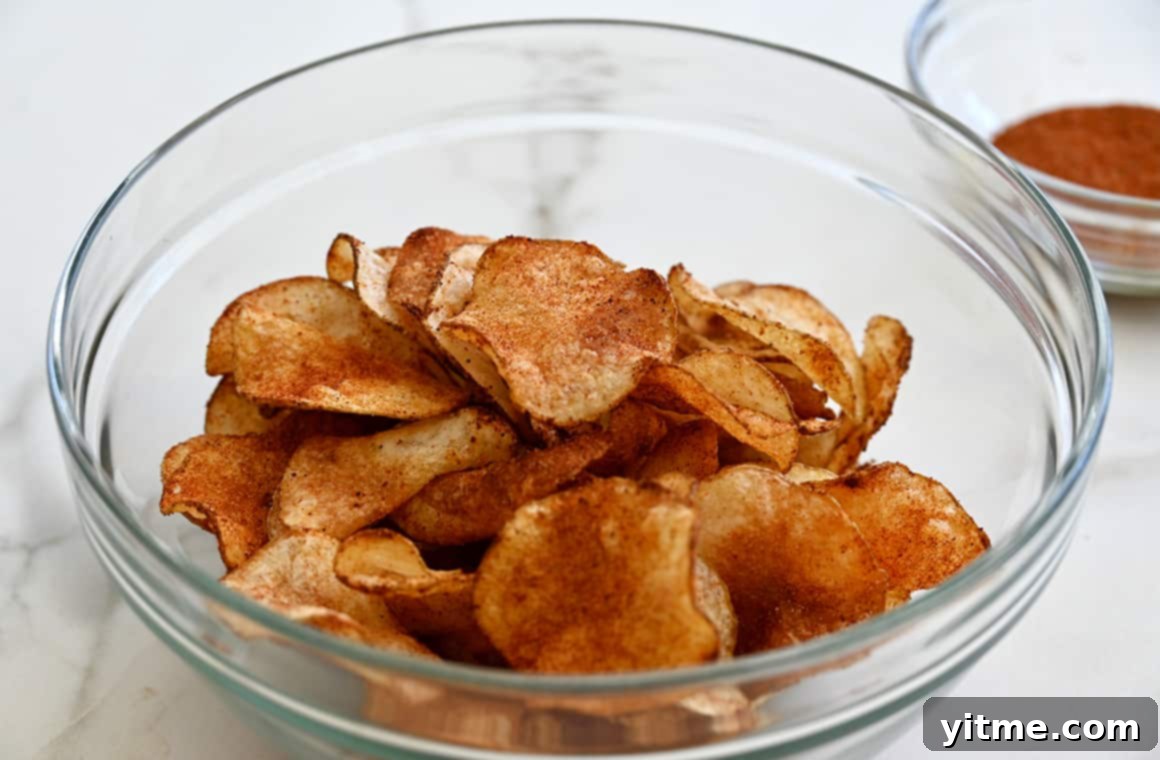
- Carefully fry the potato slices in small batches to avoid overcrowding the pot, which can lower the oil temperature and result in soggy chips. Use a slotted spoon or spider to continuously flip the chips in the hot oil until they turn a beautiful golden brown and become visibly crispy, typically taking 3 to 4 minutes per batch. Immediately transfer the fried potatoes to the paper towel-lined baking sheet to drain excess oil. Allow them to cool for about 30 seconds before transferring them to a large mixing bowl. While the chips are still hot, sprinkle them generously with a portion of the prepared barbecue seasoning mixture and lightly toss until they are evenly coated. Repeat this frying and seasoning process with all remaining potato slices, ensuring the oil returns to 325ºF between each batch.
- For optimal crispness, allow the finished barbecue potato chips to cool completely to room temperature before storing them. Transfer the cooled chips to an airtight container or a sealable plastic bag. Store at room temperature to maintain their crunch. Avoid refrigeration, as it can introduce moisture and cause the chips to lose their crisp texture.
- ★ Did you make this delightful recipe? We’d love to hear your feedback! Don’t forget to give it a star rating below and share your experience in the comments!
Nutrition
Did you try this recipe?
Leave a comment below with your star rating!