Brussels Sprouts: Your Ultimate Guide to Cultivating, Cooking, and Savoring This Remarkable Vegetable
Often unfairly maligned, the humble Brussels sprout has suffered from a poor reputation, largely due to unfortunate encounters with overcooked, pungent versions from childhood memories. Yet, when prepared with care and culinary insight, this versatile member of the cruciferous family transforms into a truly delightful ingredient. Its inherent earthy, nutty flavors emerge, complemented by a subtle sweetness and a satisfyingly crisp texture. Far from being a mere accompaniment, the Brussels sprout is a nutritional powerhouse and a culinary chameleon, capable of starring in a myriad of dishes.
The peak season for Brussels sprouts typically spans from late August through March, offering a generous window to enjoy them at their freshest and most flavorful. During this period, you can find them sold either loose, as individual sprouts, or still attached to their impressive stalks. Beyond their delicious taste, Brussels sprouts are packed with an impressive array of vitamins, vital fiber for cholesterol reduction, essential folate, and powerful antioxidants, making them a superb addition to any health-conscious diet. Whether shredded raw into a vibrant salad, expertly roasted to bring out their caramelized sweetness, or creatively incorporated into more elaborate dishes, this vegetable deserves a prominent place on your plate. If you’ve previously dismissed them, it’s time to give Brussels sprouts a well-deserved second chance and discover their true delicious potential.
Embracing the Brussels Sprout: A Nutritional Powerhouse
Before diving into how to select and prepare these green gems, let’s appreciate their remarkable health benefits. Brussels sprouts are more than just a tasty side; they are packed with essential nutrients that contribute to overall well-being:
- Rich in Vitamins: They are an excellent source of Vitamin K, crucial for blood clotting and bone health, and Vitamin C, a powerful antioxidant that supports the immune system and skin health. They also provide good amounts of Folate (Vitamin B9), vital for cell growth and DNA formation.
- Abundant in Fiber: The high fiber content aids digestion, helps regulate blood sugar levels, and is instrumental in reducing cholesterol, contributing to heart health.
- Antioxidant Rich: Brussels sprouts contain various antioxidants, including glucosinolates, which have been studied for their potential anti-cancer properties, and kaempferol, a flavonoid known for its anti-inflammatory benefits.
- Low in Calories: Despite their dense nutritional profile, Brussels sprouts are low in calories, making them an ideal food for weight management and healthy eating plans.
Incorporating Brussels sprouts into your diet is a simple yet effective way to boost your intake of these crucial nutrients, supporting everything from immune function to digestive health.
How to Buy the Best Brussels Sprouts
Selecting quality Brussels sprouts is the first step to a delightful culinary experience. Knowing what to look for can significantly impact their flavor, texture, and shelf life:
- On the Stalk vs. Loose: Whenever possible, opt for Brussels sprouts still attached to their stalk. This natural packaging helps them retain moisture and stay fresh for a considerably longer period, often several weeks. Loose sprouts, while convenient, tend to dehydrate faster.
- Size Matters: Choose smaller sprouts, ideally around one inch (2.5 cm) in diameter. Smaller sprouts are generally sweeter and more tender than their larger counterparts, which can sometimes be tougher and slightly more bitter.
- Color and Firmness: Look for sprouts with a vibrant, bright green color. The leaves should be tightly wrapped around the core, indicating freshness. They should feel firm and heavy for their size. Avoid any sprouts that are soft, squishy, or have loose, yellowing outer leaves, as these are signs of age or spoilage.
- Inspect for Damage: Carefully check for any visible damage, black spots, or mold. While a few minor imperfections on outer leaves are acceptable and can be trimmed away, widespread discoloration or soft spots indicate poor quality.
By following these guidelines, you’ll ensure you bring home the freshest and most delicious Brussels sprouts available.
Optimal Storage for Extended Freshness
Proper storage is key to maximizing the life and flavor of your Brussels sprouts, ensuring they remain crisp and delicious until you’re ready to use them:
- Brussels Sprouts on the Stalk: For sprouts purchased on the stalk, simply place the entire stalk in a plastic bag. Store it in the crisper drawer of your refrigerator. Stored this way, they can remain fresh for two to three weeks, sometimes even longer, as being on the stalk slows down their dehydration process.
- Loose Brussels Sprouts: Individual, loose Brussels sprouts have a shorter shelf life. For best results, consume them within a few days of purchase. Store them in a paper bag in the refrigerator’s crisper drawer. The paper bag helps absorb excess moisture, preventing them from becoming soggy or developing mold, while allowing them to breathe.
- Avoid Washing Before Storage: Do not wash Brussels sprouts until you are ready to use them, as excess moisture can accelerate spoilage.
- Check Regularly: Before use, always inspect stored sprouts for any signs of spoilage, such as yellowing, softening, or black spots. Trim away any undesirable outer leaves as needed.
By adhering to these storage methods, you can extend the freshness of your Brussels sprouts and reduce food waste.
Essential Preparation Steps for Perfect Results
Proper preparation is fundamental to unlocking the best flavors and textures of Brussels sprouts. Follow these simple steps before cooking:
- Rinse Thoroughly: Wash the sprouts under cold running water to remove any dirt or debris. Gently rub them to ensure all surfaces are clean.
- Pat Dry: After washing, pat the sprouts completely dry with a clean kitchen towel or paper towels. This is particularly important for cooking methods like roasting or sautéing, as excess moisture can prevent proper browning and caramelization.
- Remove Outer Leaves: Peel off any loose, discolored, or damaged outer leaves. These are often tougher and less palatable.
- Trim the Stem: Using a sharp knife, trim a small portion off the woody end of the stem. Be careful not to trim too much, as you want to keep the sprout intact.
- Prepare for Even Cooking (Optional but Recommended):
- For Whole Sprouts: If you plan to cook the sprouts whole, make a shallow, X-shaped incision (about 1/4 inch deep) into the bottom of each stem end. This simple trick allows heat to penetrate the denser core more evenly, ensuring the sprout cooks uniformly and prevents the exterior from overcooking while the inside remains raw.
- Halving or Quartering: For faster cooking or to create more surface area for caramelization, you can halve larger sprouts or quarter very large ones. This is especially useful for roasting, sautéing, or adding to salads.
- Shredding: For salads or quick sautés, you can finely shred the sprouts using a sharp knife or a mandoline.
With these preparation tips, your Brussels sprouts will be ready to absorb flavors and achieve perfect tenderness in your chosen recipe.
Unlocking Flavor: Popular Cooking Methods for Brussels Sprouts
The true magic of Brussels sprouts lies in their versatility. Forget bland, mushy sprouts; discover a world of culinary possibilities that transform them into a cherished dish:
1. Roasting: The King of Brussels Sprout Preparation
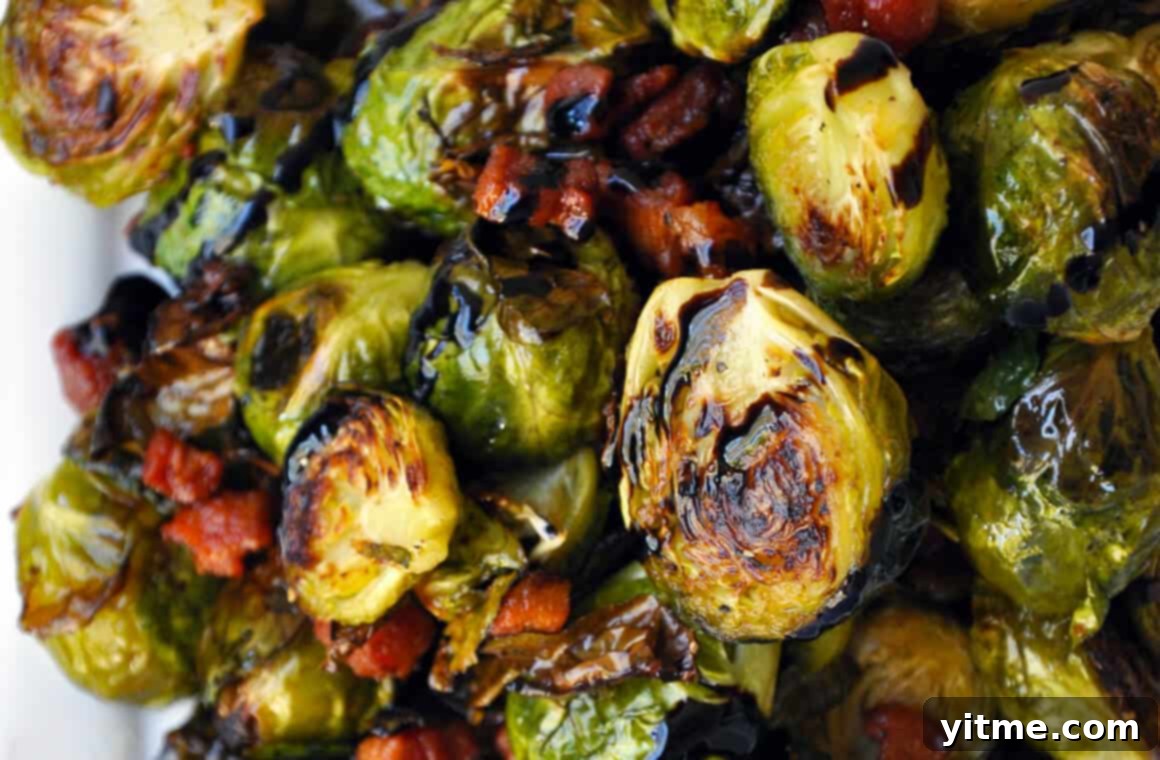
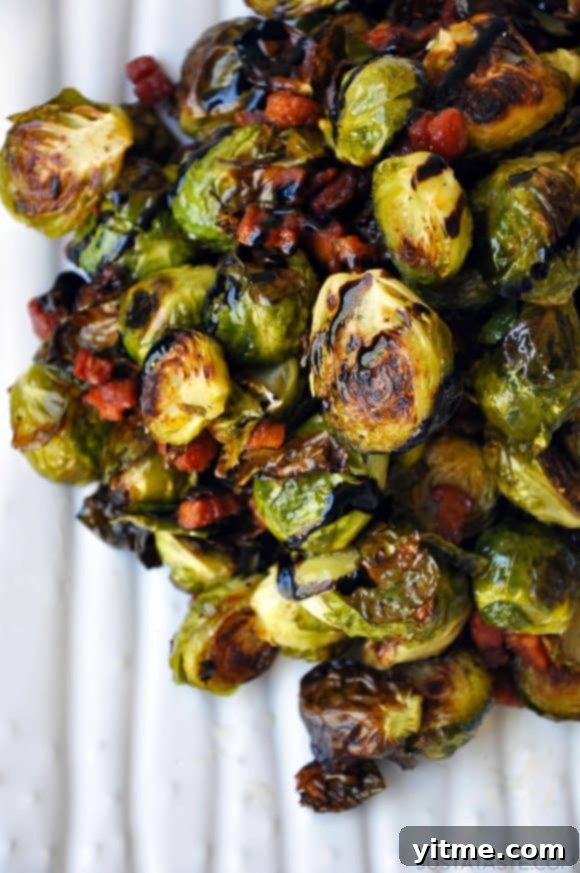
Roasting is arguably the most popular and celebrated method for cooking Brussels sprouts, and for good reason. High heat coaxes out their natural sugars, leading to beautiful caramelization, crisp edges, and a tender interior with a rich, nutty flavor.
- Method: Toss trimmed and halved sprouts with a good quality olive oil, salt, and freshly ground black pepper. Spread them in a single layer on a baking sheet. Roast in a preheated oven at 400°F (200°C) for 20-30 minutes, tossing halfway, until tender-crisp and nicely browned.
- Flavor Boosters: Enhance roasted sprouts with a drizzle of balsamic syrup, crispy bacon or pancetta, minced garlic, a sprinkle of Parmesan cheese, a touch of maple syrup, or a squeeze of fresh lemon juice.
2. Sautéing and Pan-Frying: Quick and Flavorful
Ideal for shredded or halved sprouts, sautéing is a fast method that yields tender results with delightful browned bits.
- Method: Heat a skillet with olive oil or butter over medium-high heat. Add halved or shredded sprouts and cook, stirring occasionally, until tender-crisp and lightly browned, about 8-12 minutes for halves, or 5-7 minutes for shredded.
- Flavor Boosters: Sauté with garlic, shallots, chili flakes for a kick, or a splash of white wine.
3. Steaming and Boiling: The Gentle Approach (with Caution)
While often associated with overcooked sprouts, steaming or blanching can be a healthy and quick cooking method if done correctly. The key is precision to avoid the infamous sulfurous aroma.
- Method: Steam whole or halved sprouts for 5-7 minutes, or boil for 3-5 minutes, until just tender-crisp. Immediately remove from heat and plunge into ice water to stop the cooking process if you want to retain a bright green color (blanching).
- Flavor Boosters: Finish with a knob of butter, a squeeze of lemon, fresh herbs, or a sprinkle of sea salt. Avoid prolonged cooking, which releases their less pleasant compounds.
4. Braising: Tender and Infused
Braising offers a slower, gentler cooking method that results in incredibly tender sprouts, deeply infused with the flavors of the cooking liquid.
- Method: Sauté some aromatics (onions, garlic, bacon) in a pot. Add trimmed sprouts and a flavorful liquid like chicken or vegetable broth, wine, or even hard cider. Simmer gently, covered, until very tender, usually 20-30 minutes.
- Flavor Boosters: Add ingredients like apple cider, thyme, bay leaves, or whole grain mustard to the braising liquid.
5. Shredded Raw in Salads: Fresh and Crisp
When shaved thinly, Brussels sprouts have a pleasant crunch and a slightly bitter note that works wonderfully in salads.
- Method: Finely shred raw sprouts using a sharp knife, mandoline, or food processor.
- Flavor Boosters: Combine with sweet elements like dried cranberries or apple, crunchy nuts (pecans, almonds), salty cheese (Parmesan, feta), and a bright lemon vinaigrette.
6. Pickling: A Gourmet Twist
For those seeking an adventurous palate experience, pickling Brussels sprouts transforms them into a tangy, crunchy condiment. They make an excellent addition to charcuterie boards or as a unique side for rich meats.
- Method: Blanch sprouts briefly, then pack into jars with a hot pickling brine made from vinegar, water, salt, sugar, and spices (like mustard seeds, dill, garlic).
Creative Flavor Pairings and Recipe Inspirations
Brussels sprouts are incredibly versatile and pair well with a wide range of ingredients, making them a fantastic canvas for culinary creativity. Here are some ideas to inspire your next dish:
- Sweet and Tangy: Combine roasted Brussels sprouts with a drizzle of maple syrup or honey, dried cranberries, and toasted pecans or walnuts for a delightful balance of flavors and textures. A splash of apple cider vinegar at the end can brighten the dish.
- Savory and Umami-Rich: Roast sprouts with crispy bacon, pancetta, or prosciutto. Finish with grated Parmesan cheese or a hint of truffle oil for an extra layer of decadence.
- Bright and Lemony: Toss raw, shredded Brussels sprouts with a vibrant lemon-tahini dressing, toasted almonds, and fresh herbs like parsley or mint for a refreshing salad.
- Spicy and Bold: Sauté Brussels sprouts with red pepper flakes, garlic, and a touch of soy sauce or tamari for an Asian-inspired side dish.
- Hearty and Comforting: Incorporate them into a creamy gratin with cheese and breadcrumbs, or add them to a winter stew alongside root vegetables.
- Unexpected Combinations: Try shaving raw Brussels sprouts onto pizza before baking for a unique, slightly peppery crunch, or add them to scrambled eggs or omelets for a nutritious breakfast.
The options are truly endless once you embrace the versatility of this remarkable vegetable. Don’t be afraid to experiment with different spices, herbs, and textures to find your favorite combinations.
Give Brussels Sprouts a Second Chance!
From their impressive nutritional profile to their incredible culinary versatility, Brussels sprouts have earned their place as a cherished ingredient. Gone are the days of bland, overcooked monstrosities. With proper selection, storage, preparation, and the right cooking method, these miniature cabbages can transform into a truly memorable dish—crisp, sweet, and bursting with complex flavors. So, next time you’re at the market, pick up some fresh Brussels sprouts. Experiment with roasting them until caramelized, sautéing them with bold flavors, or even adding them raw to a vibrant salad. Discover the delicious potential that lies within each little green orb. You might just find that Brussels sprouts become your new favorite vegetable.
What’s your favorite way to enjoy Brussels sprouts? Share your culinary discoveries and inspire others to embrace this incredible ingredient!
Earthy, nutty-tasting Brussels sprouts are often given a bad rap because of their infamous pungent aroma when overcooked. However, when cooked properly, this versatile In Season Now produce is pleasantly crisp with a slightly sweet, complex flavor profile. Peak season runs from late August to March, when Brussels sprouts can be found either loose or still on their stalk. They’re packed with vitamins, cholesterol-reducing fiber, folate and antioxidants. We love them shredded raw into salad, roasted with pancetta or tossed with homemade croutons, but they also take well to being steamed, braised, fried and even pickled. This cruciferous vegetable is fast becoming more than just a simple side dish. Go ahead, give Brussels sprouts a second chance.
HOW TO BUY
When available, purchase Brussels sprouts still on the stalk, as these will stay fresh longer. Choose small sprouts, roughly an inch in diameter, with bright green tightly wrapped leaves. (Small sprouts are preferable because they are sweeter and more tender than larger buds.) Avoid any with yellow or damaged leaves.
HOW TO STORE
Brussels sprouts still on the stalk will last for several weeks when placed in a plastic bag and stored in the refrigerator’s crisper. Loose sprouts are best within a few days of purchasing and should be stored in a paper bag in the refrigerator.
HOW TO PREPARE
Wash sprouts under cold running water; pat dry. Remove any loose or damaged leaves and trim away the woody end of the stem. If using whole, slice a shallow X into the bottom of each sprout to help them cook more evenly.
What’s your favorite way to enjoy Brussels sprouts?