Easy Homemade German Spaetzle: A Quick & Authentic Recipe
This authentic and easy German Spaetzle recipe comes together with a simple batter of flour, eggs, water (or milk), and salt, and will be on your table in just 15 minutes! Perfect for a quick side dish or a comforting meal.
If you’ve never had spaetzle before, think of it as a chewy, comforting egg noodle that’s perfect for soaking up rich gravies and sauces. Or, simply toss it with a little melted butter and fresh herbs for a tasty side to accompany your favorite main dishes. Spaetzle is a versatile dish that’s sure to become a family favorite.
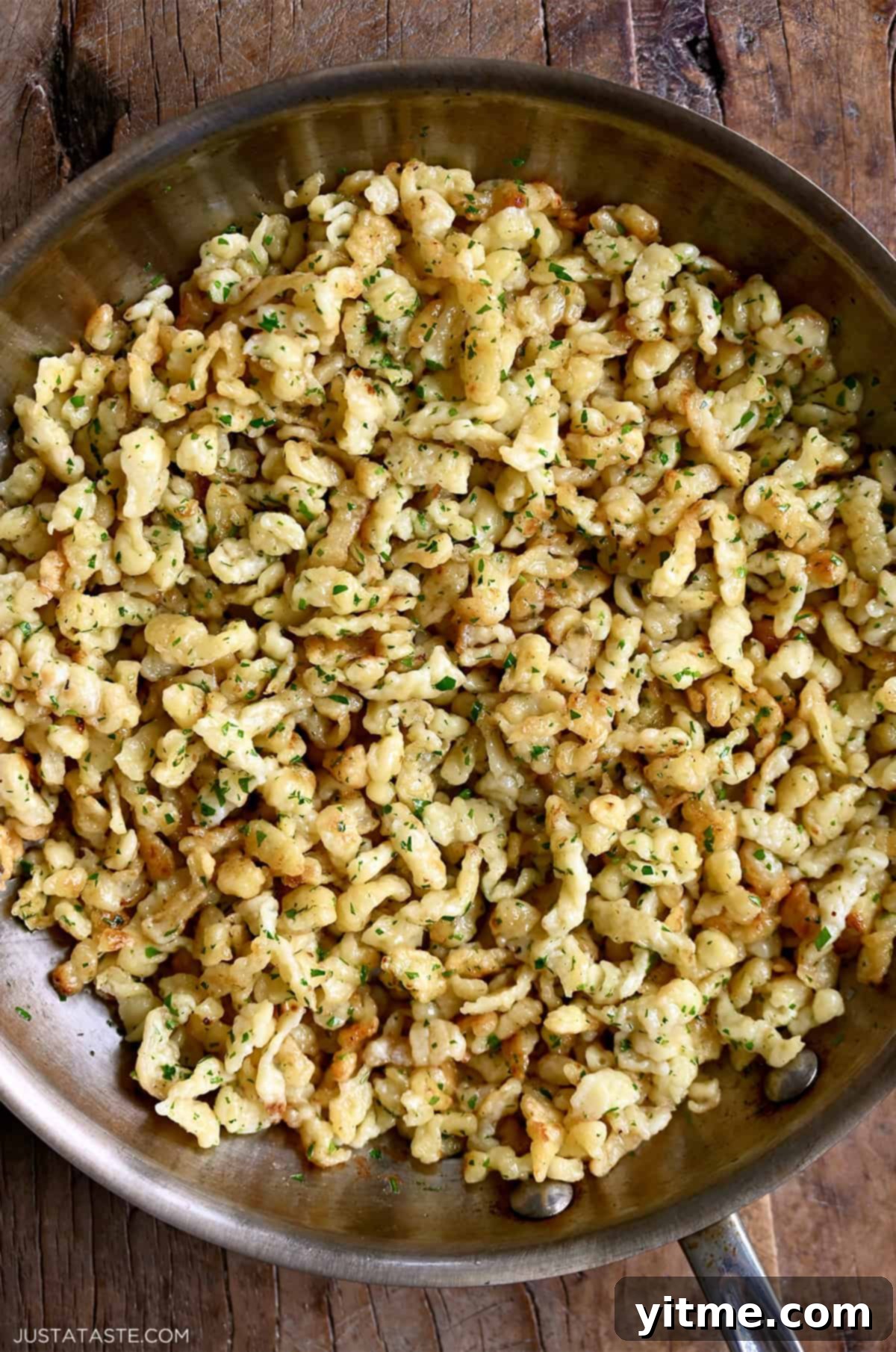
Table of Contents
- What is Spaetzle?
- Essential Ingredients for Perfect Spaetzle
- Step-by-Step Guide: How to Make Homemade Spaetzle
- Delicious Serving Suggestions for Spaetzle
- Making Spaetzle Without a Spaetzle Maker
- Make-Ahead, Freezing & Reheating Tips for Spaetzle
- Explore More Delicious Hungarian Recipes
- Easy German Spaetzle Recipe
My grandparents, along with my dad, immigrated from Hungary in 1956, bringing with them many cherished family recipes. One of my favorite dishes growing up was my Hungarian grandmother’s spaetzle (or “nokedli” as it’s called in Hungary, and what I grew up calling it). I’d watch her stand by the stove, her hands moving quickly as she ran the dough through the spaetzle maker, dropping these tiny little dumplings into a pot of boiling water. She served them in everything from her Hungarian pea soup to chicken paprikas. This recipe is a tribute to her culinary skills and a way to keep our family traditions alive.
What is Spaetzle? Understanding This Classic Noodle
Spaetzle (pronounced SHPETS-luh) is a traditional egg noodle commonly found in Germany, but it’s also a beloved dish throughout Central Europe. From Austria to Switzerland and Hungary, variations of spaetzle dumplings are served alongside hearty stews, gravies, and roasts. While each country puts its own spin on the recipe, the essence remains the same—firm, chewy noodles perfect for soaking up rich sauces. Spaetzle offers a delightful culinary experience, blending simplicity with rich cultural heritage.
What makes spaetzle unique is its irregular shape. In German, it’s spelled “Spätzle,” which comes from the word “Spatzen,” meaning “little sparrows.” This is because their uneven shapes were thought to resemble little birds when made by hand. The charming, rustic appearance of spaetzle adds to its appeal, making it a visually pleasing dish as well.
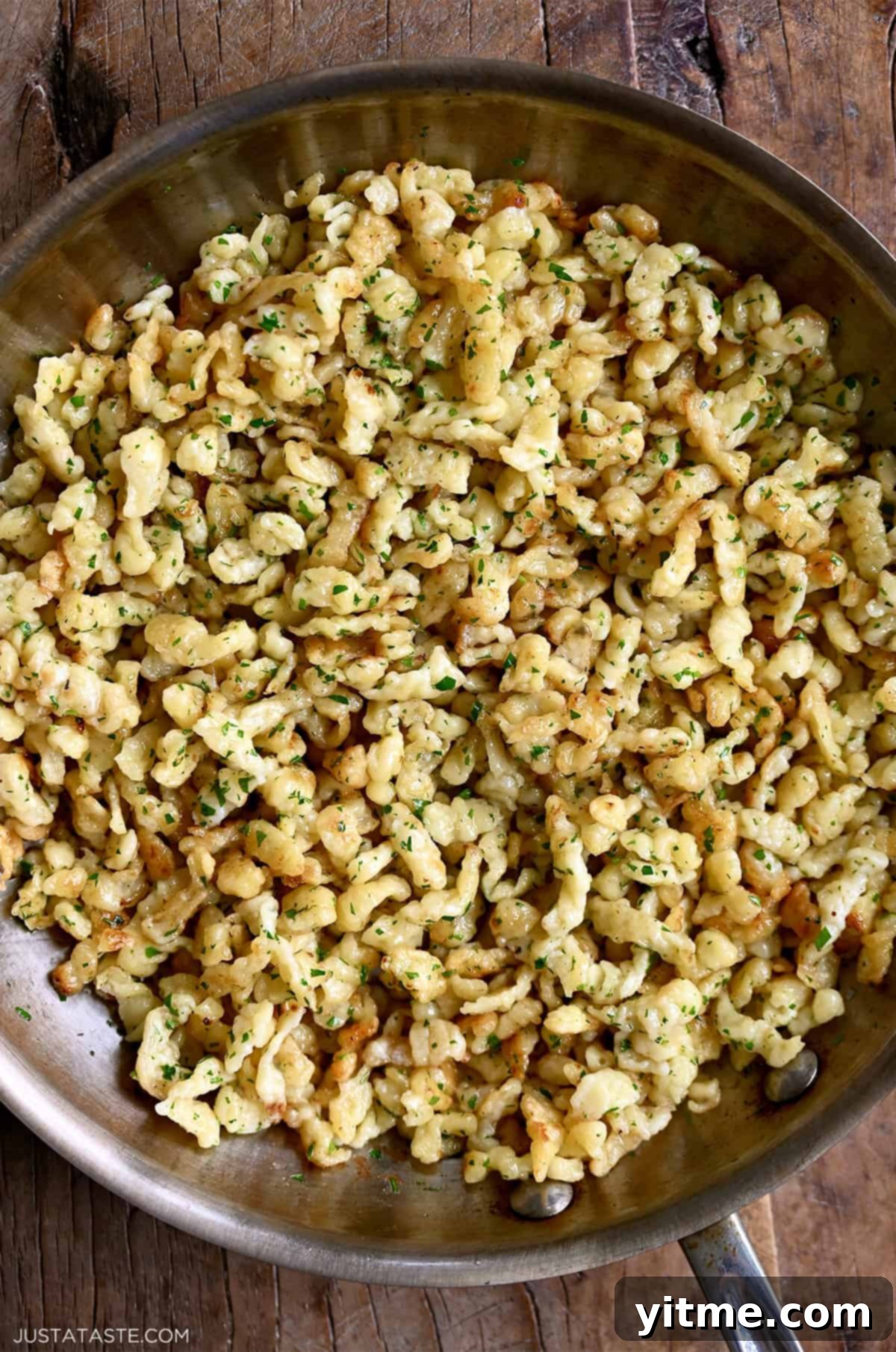
With a chewy texture somewhere between pasta and dumplings, and a mild flavor, spaetzle is perfect on their own, tossed in butter or as a base for heartier dishes. One of my favorite ways to enjoy them is the traditional German preparation: sautéed in butter until slightly crispy, then garnished with fresh parsley (as shown above). The combination of textures and flavors is truly irresistible, making spaetzle a versatile and satisfying dish for any occasion.
Spaetzle is not just a food; it’s a cultural icon, representing centuries of culinary tradition. Its simplicity allows for endless variations, making it adaptable to different tastes and dietary preferences. Whether you’re a seasoned cook or a beginner, spaetzle is a rewarding dish to master.
Essential Ingredients for Perfect Spaetzle
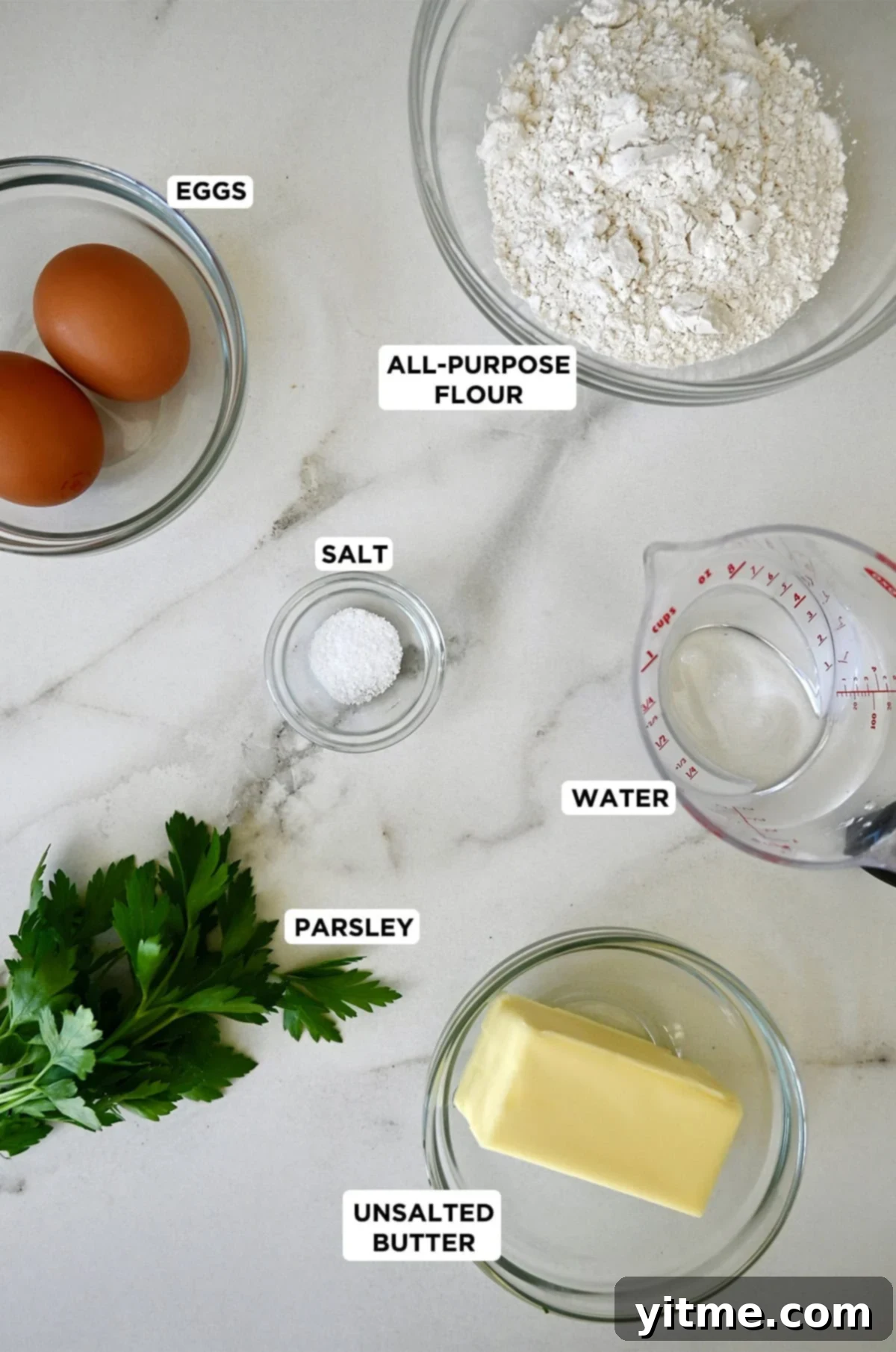
To make authentic German Spaetzle, you only need a few basic ingredients that you probably already have in your kitchen. These simple components combine to create a surprisingly flavorful and satisfying dish.
- All-purpose flour: This is the base of the dough. No need for anything fancy here—just good ol’ all-purpose flour will do the trick. Using high-quality flour can enhance the texture of your spaetzle, giving it the right balance of chewiness and tenderness.
- Eggs: Give the dough structure and add richness. Fresh, high-quality eggs will make a noticeable difference in the flavor and texture of your spaetzle.
- Water: My grandmother always made her nokedli with water, but if you prefer a slightly richer dough, you can swap the water for milk. Experimenting with different liquids can yield unique variations of this classic dish.
- Kosher salt: For flavor. A pinch of salt enhances the overall taste of the spaetzle, bringing out the subtle flavors of the other ingredients.
See the recipe card for full information on ingredients and quantities.
Step-by-Step Guide: How to Make Homemade Spaetzle
If you’ve never made spaetzle from scratch before, don’t worry. This recipe couldn’t be easier! With just a few simple ingredients and a pot of boiling water, you’ll have homemade spaetzle on the table in less than 15 minutes. While a spaetzle maker is a handy tool for creating those characteristic little dumplings, it’s not a must-have. Keep reading below for some alternative methods to make these delicious noodles using common kitchen tools.
- Mix the dough. In a large bowl, beat together the eggs, water, and salt. Slowly add in the flour, about half a cup at a time, until the dough is tacky but still wet. You want a pancake batter-like consistency that’s thick but pourable. If it feels too thick, add a little more water. If it’s too runny, add a little more flour. The key is to achieve a dough that is smooth and elastic, free from any lumps.
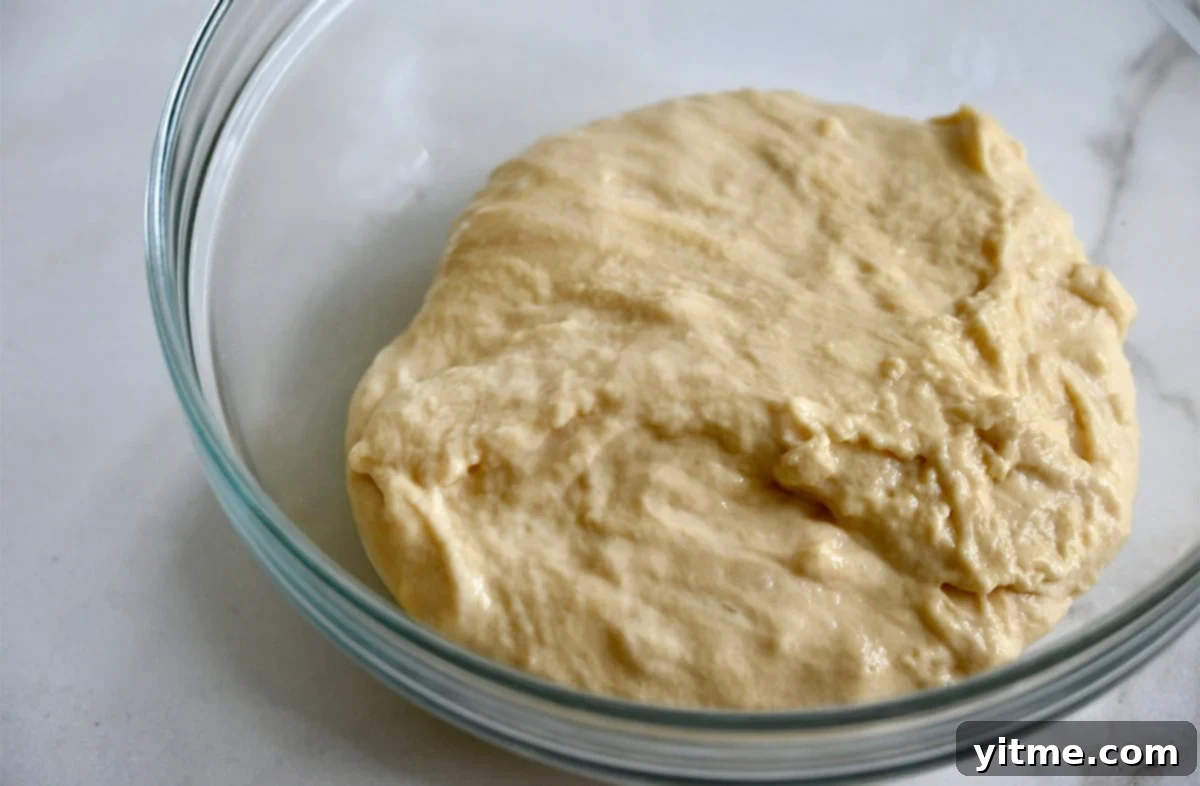
Pro tip: Mix the dough vigorously until it’s smooth and elastic and you don’t see any flour lumps. You’ll know your spätzle batter is ready when bubbles start to form after you stop mixing. This indicates that the gluten has developed properly, resulting in a chewier and more flavorful spaetzle.
- Bring a large pot of water to a boil. You want the water to be bubbling consistently, not just simmering. Adding a pinch of salt to the boiling water can also enhance the flavor of the spaetzle.
- Shape and boil the spaetzle. Place your spaetzle maker on top of the pot, scoop about half the batter onto it, and scrape it through the holes. See below for my tips on making this recipe without a spaetzle maker. The key is to work quickly and efficiently to ensure even cooking.
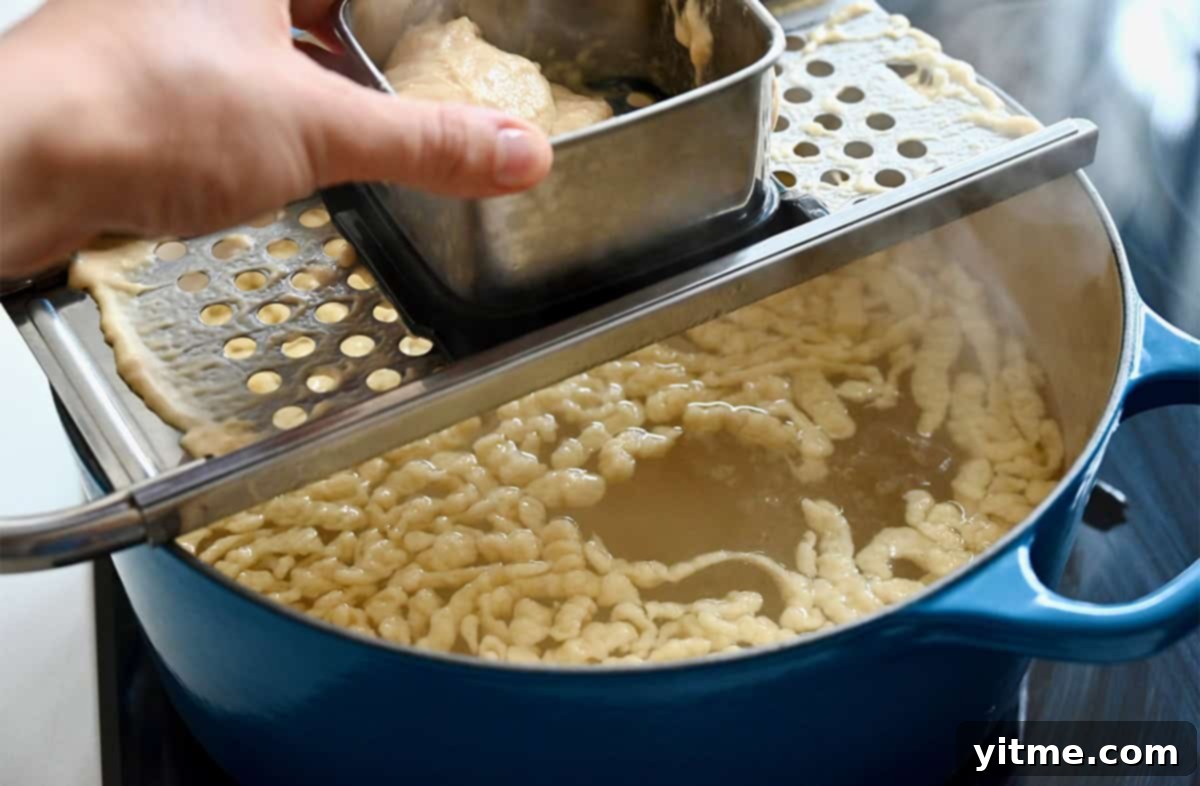
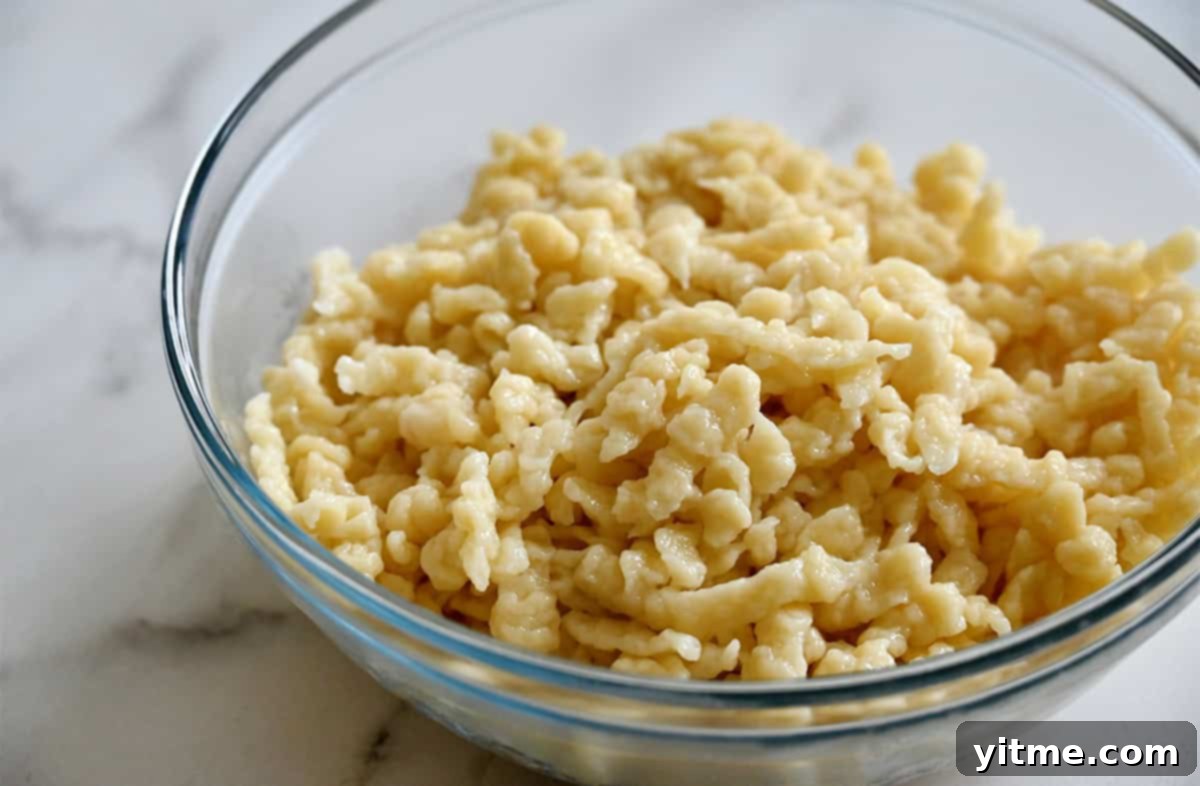
- Cook until they float. Spätzle cooks quickly! As soon as they float to the top (about 1-2 minutes), they’re done. Use a slotted spoon to scoop them out and transfer them to a bowl. Overcooking the spaetzle can result in a mushy texture, so it’s important to monitor them closely.
At this point, you can either serve your homemade German spaetzle immediately or, while still warm, toss it with a little butter and refrigerate it in an airtight container until you’re ready to serve. Check out the next section for serving ideas!
Delicious Serving Suggestions for Spaetzle
There are so many delicious ways to enjoy these little dumplings, whether you’re keeping it simple or getting a little fancy. Spaetzle’s versatility makes it a great addition to any meal. From traditional German preparations to innovative modern twists, the possibilities are endless.
- Sautéed in butter and parsley (my favorite!). The simplest and most classic way to serve spaetzle is to toss it in a skillet with melted butter and a sprinkle of fresh parsley. The aroma alone is enough to make your mouth water.
- With sauces and gravies. From mushroom gravy to goulash, nokedli is perfect for soaking up all those rich, flavorful sauces. The chewy texture of spaetzle holds up well against even the heartiest sauces.
- German cheese spaetzle (Käsespätzle). Think of this as Germany’s version of mac and cheese. Layer the spaetzle with shredded Swiss cheese and caramelized onions in a casserole dish, and bake at 400°F for about 10 minutes, until the cheese is melted and bubbly, and the edges are crispy. This is a comforting and indulgent dish that’s perfect for a cold winter evening.
- In soups and stews. We often had it in Hungarian pea soup when I was growing up, but it’s equally delicious in a hearty beef stew or a German-style vegetable soup. Spaetzle adds a delightful chewy texture to soups and stews, making them more satisfying and flavorful.
- As a hearty side to meat dishes. Spätzle is the perfect companion to dishes like Hungarian chicken paprikash (pictured below), German Sauerbraten (a pot roast), and Schnitzel. For a non-traditional twist, sub it for egg noodles in my beef bourguignon recipe. Its mild flavor complements a wide variety of meats, making it a versatile side dish for any meal.
- Spaetzle Salad: Toss cooled spaetzle with your favorite salad ingredients like cucumbers, tomatoes, onions, and a light vinaigrette for a refreshing and unique salad.
- Baked Spaetzle Casserole: Combine spaetzle with vegetables, cheese, and a creamy sauce, then bake until golden brown for a hearty and satisfying casserole.
Experiment with these serving suggestions to find your favorite way to enjoy spaetzle. Whether you prefer it simple or loaded with toppings, spaetzle is sure to delight your taste buds.

Making Spaetzle Without a Spaetzle Maker
The spaetzle scraper I used (and the one you see in my photos) costs less than $15 on Amazon. However, if you’re not looking to invest in one just yet, no problem! There are plenty of everyday kitchen tools you can use instead.
Making spaetzle without a specialized tool is entirely possible. With a little creativity and the right technique, you can achieve delicious results using items you already have in your kitchen. Here are some alternative methods to try:
- Colander: Place a colander with large holes over your pot of boiling water. Scoop some batter into the colander and use a rubber spatula or the back of a spoon to press it through the holes. This method is a common go-to for making spaetzle without the specialized tool. The size of the holes in the colander will determine the size and shape of your spaetzle.
- Potato ricer: One with larger holes works best. Fill it about two-thirds full with batter and squeeze it over the boiling water. A potato ricer can create a uniform and consistent shape for your spaetzle.
- Flat large-holed grater: I repeat: FLAT. Don’t try this with a box grater or you’ll end up with a mess. Scoop some batter onto the grater and use the back of a spoon to press it through the holes. Using a flat grater requires a bit of practice, but it can yield excellent results.
Experiment with these methods to find the one that works best for you. Regardless of the tool you use, the key is to have fun and enjoy the process of making homemade spaetzle!
Make-Ahead, Freezing & Reheating Tips for Spaetzle
Planning ahead can make meal preparation easier and more efficient. Here are some tips for making, freezing, and reheating spaetzle to help you save time and enjoy this dish whenever you want.
Make-Ahead: You can make spätzle a day or two in advance. Toss it with melted butter while still warm to keep it from sticking together, then store it in an airtight container in the fridge. To reheat, sauté in a little butter or oil over medium heat until warmed through. This method is perfect for busy weeknights when you want a quick and delicious meal.
Freezing: Let your spaetzle cool completely, then spread it on a baking sheet in a single layer to flash freeze for 1-2 hours. Once firm, transfer it to a freezer bag, removing as much air as possible, and freeze for up to 3 months. When ready to enjoy, defrost in the fridge overnight before reheating. Freezing spaetzle allows you to have it on hand for spontaneous meals or when you need a quick side dish.
Reheating: Reheating spaetzle is simple and can be done in several ways. Sautéing it in butter or oil is a great way to restore its texture and flavor. You can also reheat it in the microwave, but be sure to add a little water to prevent it from drying out. Another option is to add it directly to soups or stews, allowing it to warm up and absorb the flavors of the dish.
With these tips, you can always have delicious spaetzle ready to enjoy, no matter how busy you are.
Explore More Delicious Hungarian Recipes
If you enjoyed this spaetzle recipe, you might also like to try other traditional Hungarian dishes. Hungarian cuisine is known for its rich flavors, hearty ingredients, and comforting dishes that are perfect for any occasion.
Hungarian Cucumber Salad
Hungarian Wiener Schnitzel
Hungarian Chicken Paprikash
Hungarian Pea Soup with Nokedli
Chicken Schnitzel
Chocolate Rugelach
Craving more? Subscribe to Just a Taste to get new recipes, meal plans, and a newsletter delivered straight to your inbox! And stay in touch on Facebook, TikTok, Pinterest, and Instagram for all of the latest updates.
Easy German Spaetzle Recipe
Kelly Senyei