Silky Smooth Gravy: The Ultimate Guide to Eliminating Lumps This Thanksgiving
Thanksgiving is a cherished holiday, and no Thanksgiving feast is truly complete without a generous serving of gravy. It’s the delicious finishing touch that elevates your turkey, complements your favorite side dishes, and enhances just about everything on your plate. But what happens when your gravy isn’t perfect? What if it’s riddled with lumps, threatening to derail your culinary masterpiece? Fear not! This guide provides the ultimate solution to transforming lumpy gravy into a velvety smooth sauce that will impress your guests and save your Thanksgiving dinner.
Many home cooks encounter the dreaded lumpy gravy at some point. It’s a common culinary mishap, often stemming from improperly incorporated flour or starch. But understanding the causes of lumpy gravy is the first step towards preventing and fixing it. One of the most frequent culprits is adding flour or cornstarch directly to hot liquid without first creating a slurry. A slurry is a mixture of the thickening agent (flour or cornstarch) with cold water, which helps to prevent clumping when it’s introduced to the hot broth or pan drippings. Another potential cause is not whisking the gravy continuously while it’s cooking. Constant whisking ensures that the thickening agent is evenly distributed and that no lumps have the opportunity to form.
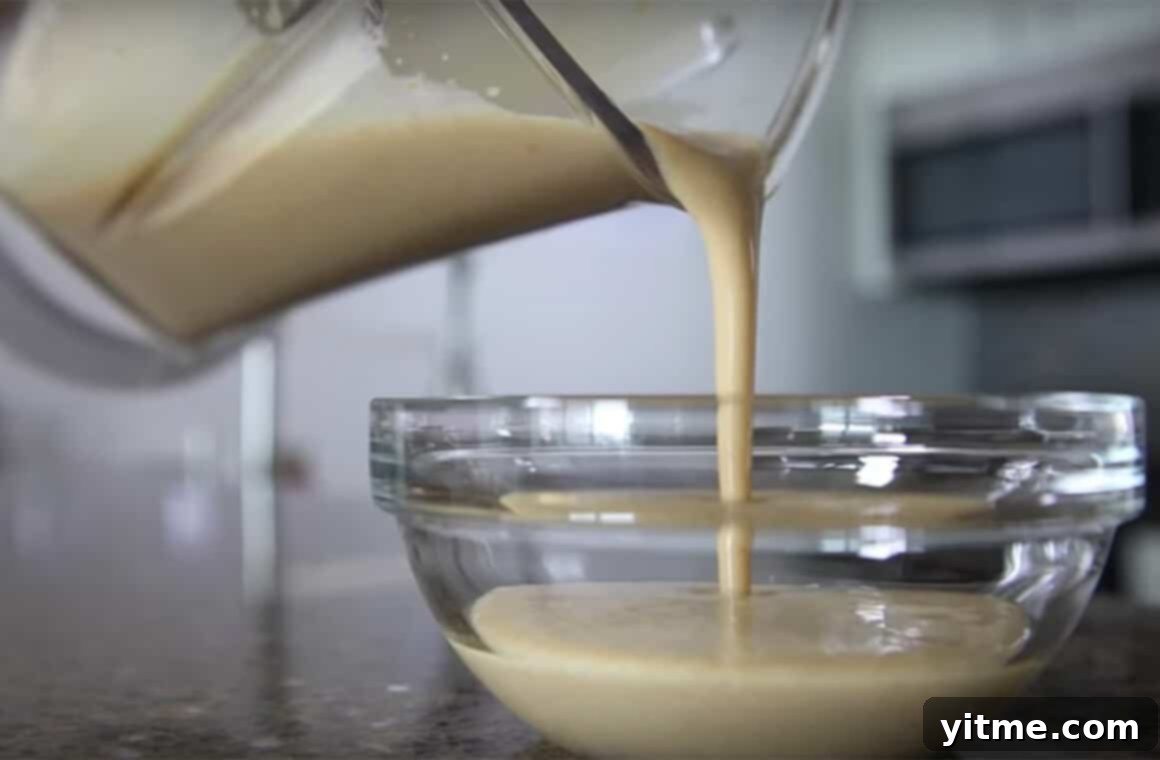
Fortunately, even if you find yourself with a pot of lumpy gravy, all hope is not lost. There are several effective methods to rescue your sauce and achieve the silky smooth texture you desire. The most common and perhaps easiest method is using a blender. Carefully transfer the lumpy gravy to a blender, making sure not to overfill it. Blend on medium speed for a few seconds until the gravy is completely smooth. Be cautious when blending hot liquids, as the steam can build up pressure inside the blender. Start with a low speed and vent the lid slightly to release steam. Once blended, return the gravy to the saucepan and heat gently. Taste and adjust the seasoning as needed.
If you don’t have a blender, an immersion blender (also known as a stick blender) works just as well. Simply insert the immersion blender directly into the pot of lumpy gravy and blend until smooth. This method is convenient because it eliminates the need to transfer the hot liquid, reducing the risk of spills and burns. Again, be sure to start with a low speed to prevent splattering. An immersion blender is a versatile kitchen tool that can also be used for pureeing soups, making smoothies, and whipping cream.
Another effective technique for eliminating lumps is using a fine-mesh sieve or strainer. Pour the lumpy gravy through the sieve into another saucepan, pressing down on any solids with a spoon or spatula to extract as much liquid as possible. The sieve will catch the lumps, leaving you with a smooth gravy. This method is particularly useful if the gravy contains small, stubborn lumps that are difficult to break down with a blender. It also helps to remove any unwanted bits of herbs or spices, resulting in a cleaner, more refined sauce.
Beyond these techniques, there are also proactive steps you can take to prevent lumpy gravy in the first place. When making a roux-based gravy (where flour is cooked with butter or fat), ensure that the roux is smooth and well-combined before adding any liquid. Cook the roux over medium-low heat, stirring constantly, until it reaches a golden-brown color. This process not only helps to develop flavor but also ensures that the flour is fully cooked, which prevents it from clumping later on. Gradually whisk in the broth or pan drippings, stirring continuously to prevent lumps from forming. If lumps do appear, don’t panic! Simply continue whisking vigorously until they disappear.
Using cornstarch instead of flour can also help to prevent lumps. Cornstarch has a higher thickening power than flour, so you’ll need less of it. Mix the cornstarch with cold water to create a slurry before adding it to the hot liquid. This will help to ensure that it disperses evenly and doesn’t clump. When adding the cornstarch slurry, stir the gravy continuously until it thickens. Be careful not to overcook the gravy, as cornstarch can lose its thickening power if it’s heated for too long.
Another crucial aspect of making perfect gravy is using high-quality ingredients. Start with a flavorful broth or stock, as this will form the base of your gravy. Homemade broth is always best, but if you’re using store-bought broth, choose a low-sodium variety to control the salt content of your gravy. Use fresh herbs and spices to add depth and complexity to the flavor. A splash of wine or sherry can also enhance the flavor of your gravy, adding a touch of acidity and sophistication. Remember to taste and adjust the seasoning throughout the cooking process, adding salt, pepper, or other spices as needed.
Gravy is a versatile sauce that can be customized to suit your taste preferences. For a richer, more decadent gravy, add a dollop of cream or butter at the end of cooking. For a vegetarian gravy, use vegetable broth instead of chicken or turkey broth. You can also add sautéed mushrooms, onions, or garlic to create a flavorful vegetarian gravy. Experiment with different herbs and spices to create your own unique gravy recipe. Thyme, rosemary, sage, and parsley are all excellent choices for adding flavor to gravy.
In conclusion, while lumpy gravy can be a frustrating kitchen mishap, it’s easily preventable and fixable. By understanding the causes of lumpy gravy and employing the techniques outlined above, you can transform your sauce into a silky smooth delight that will impress your guests and elevate your Thanksgiving dinner. Remember to use high-quality ingredients, whisk continuously, and taste and adjust the seasoning as needed. With a little practice and patience, you’ll be able to make perfect gravy every time. So, don’t let lumpy gravy ruin your Thanksgiving! Follow these tips and tricks, and enjoy a delicious and lump-free holiday feast.
Related Recipes:
- Leftover Turkey Pot Pie with Cheddar Biscuit Crust
- Featured Kitchen Gadget: Infrared Turkey Fryer
Featured Kitchen Equipment:
- KitchenAid Diamond Vortex 5-Speed Blender
- Glass Stacking Bowl Set
Craving more delicious recipes and culinary inspiration? Subscribe to the Just a Taste YouTube channel for weekly recipe videos and cooking tips. Stay connected with us on social media for daily updates and behind-the-scenes glimpses into our kitchen: Facebook, Twitter, Pinterest and Instagram.
Disclosure: There are Amazon affiliate links in this post.