
Perfectly Moist Glazed Lemon Loaf: The Ultimate Homemade Lemon Bread Recipe
Indulge in the bright, refreshing taste of sunshine with this ultimate glazed lemon bread recipe. This homemade lemon loaf is an absolute triumph, boasting a perfectly moist and tender crumb, a rich, buttery flavor profile, and an invigorating burst of fresh citrus in every bite. Topped with a delightfully tangy lemon glaze, it’s a sweet and sour symphony that rivals, and perhaps even surpasses, your favorite Starbucks lemon loaf. Prepare to fall in love with this easy-to-make, dense yet delicate quick bread that’s ideal for any occasion, from an elegant brunch to a comforting afternoon snack.

Table of Contents
- Experience the Zesty Perfection: Buttery, Moist, and Bursting with Flavor
- Essential Ingredients for Your Lemon Loaf
- Step-by-Step Guide to Baking Your Lemon Loaf
- Crafting the Irresistible Lemon Glaze
- Storage and Freezing Tips for Freshness
- More Delightful Quick Bread Recipes You’ll Love
- Glazed Lemon Bread Recipe
Experience the Zesty Perfection: Buttery, Moist, and Bursting with Flavor
For those who cherish citrus in all its vibrant glory, this sweet and tangy glazed lemon bread is a revelation. It beautifully marries the refreshing essence of lemon with an incredibly moist and tender texture, creating a perfectly sliceable loaf that’s hard to resist. This lemon cake-like bread stands out as a personal favorite for many reasons: it’s fantastic for special occasion brunches, makes a thoughtful homemade gift, or simply serves as an uplifting treat to brighten any day.
Its texture is a delightful hybrid—dense and rich like a classic pound cake, yet wonderfully moist and tender, reminiscent of beloved quickbreads such as one-bowl banana bread. Imagine a cake-meets-bread creation, generously doused in a bright lemon glaze that provides the ultimate balance of sweet and tart flavors. This isn’t just a dessert; it’s an experience, a moment of pure culinary bliss.
Despite its luxurious taste and sophisticated texture, this lemon loaf is surprisingly straightforward to prepare. With just a handful of everyday ingredients and a basic mixing bowl, you can effortlessly bring the vibrant, sunny flavors of lemon into your kitchen. Say goodbye to dry, bland store-bought options and hello to a homemade masterpiece that promises to impress every time. Let’s gather our ingredients and embark on this delightful baking journey!
Essential Ingredients for Your Lemon Loaf
Creating this magnificent lemon bread begins with selecting quality ingredients. Each component plays a crucial role in achieving that signature moist texture and intense citrus flavor. Here’s a closer look at what you’ll need and why it matters:
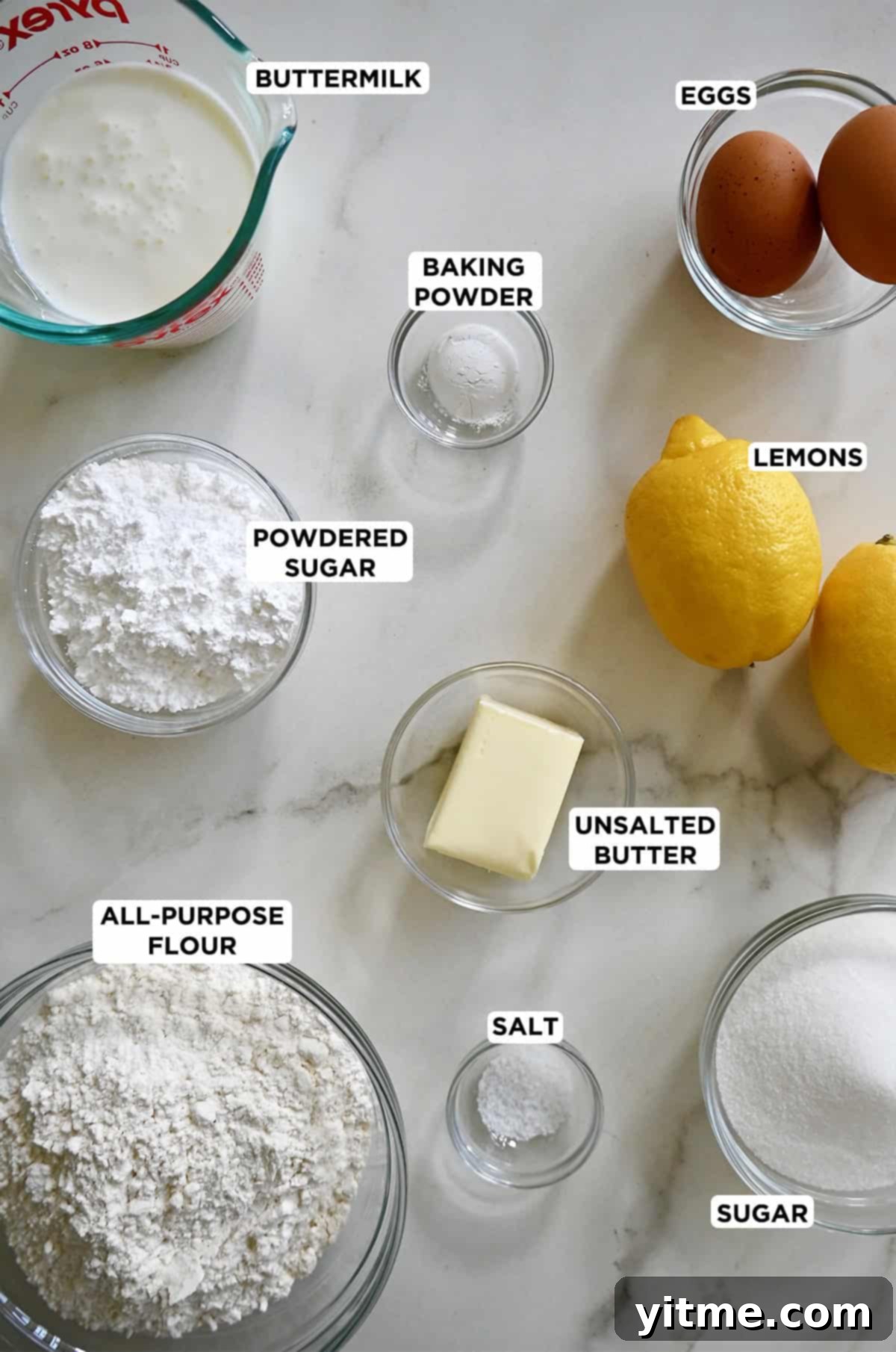
- Lemon zest: The vibrant yellow outer peel of the lemon is where the magic truly happens. It’s packed with potent essential oils that infuse the bread with its intense, signature zing and aromatic fragrance. To maximize flavor, always use a microplane or a fine grater, being careful to only remove the yellow part and avoid the bitter white pith beneath. A crucial tip: always zest your lemons before you juice them, as it’s significantly easier to handle and ensures you get every bit of that precious zest!
- Lemon juice: This brightens both the bread’s batter and the tangy glaze, contributing essential moisture and a refreshing tartness. For the most vivid and authentic lemon flavor, freshly squeezed lemon juice is paramount. While bottled lemon juice is convenient, it simply cannot replicate the complexity and brightness of fresh lemons, so splurge on fresh if you can.
- Buttermilk: The secret weapon for an unbelievably tender and moist loaf. Buttermilk’s acidity reacts with the baking powder, creating a lighter crumb, and its fats contribute to a rich mouthfeel. If you don’t have buttermilk on hand, don’t fret! You can easily make a quick substitute by adding 1 tablespoon of lemon juice or white vinegar to 1 cup of regular milk (dairy or non-dairy works) and letting it sit for about 5 minutes until it slightly curdles before incorporating it into your batter.
- Eggs + butter: For optimal emulsion and a smooth batter, ensure both your butter and eggs are at room temperature. Room temperature butter creams better with sugar, incorporating more air, which leads to a lighter texture in the final bread. I recommend using unsalted butter to have full control over the salt content in the recipe. If salted butter is all you have, simply omit the additional salt listed in the recipe.
- Pantry staples: These form the backbone of your quick bread. You’ll need high-quality all-purpose flour to provide structure, granulated sugar for sweetness and moisture, baking powder as a leavening agent to help the loaf rise beautifully, and a touch of salt to balance the flavors and enhance the sweetness of the lemon.
- Powdered sugar (confectioners’ sugar): This finely milled sugar is essential for creating the incredibly simple yet impactful sweet-tart glaze. When whisked with fresh lemon juice and zest, it forms a smooth, pourable coating that deeply permeates the bread, adding an extra layer of moisture and irresistible flavor to every slice.
See the comprehensive recipe card below for exact measurements and quantities for each ingredient.
Step-by-Step Guide to Baking Your Lemon Loaf
Baking this glazed lemon bread is a straightforward and rewarding process. Follow these detailed steps to ensure a perfect, bakery-quality loaf every time. Remember, patience and proper ingredient preparation are key!
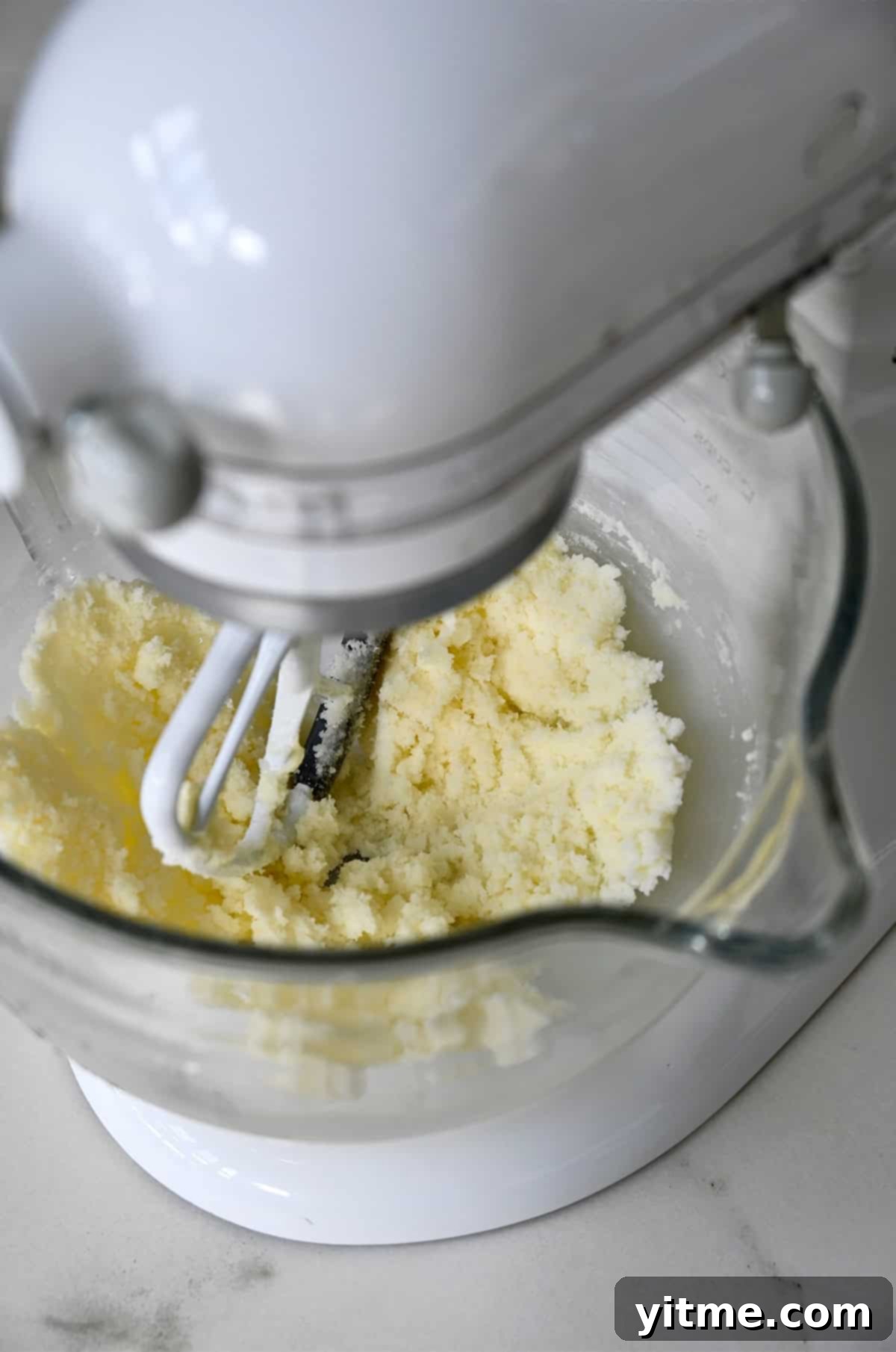
- Cream the butter and sugar: In the bowl of a stand mixer (or using a hand mixer), cream together the softened butter and granulated sugar until the mixture is visibly lightened in color and fluffy. This vital step incorporates air into the mixture, which is crucial for helping the lemon loaf rise beautifully and developing that signature tender, airy texture that mimics a pound cake. This process usually takes about 2-3 minutes of beating on medium-high speed.
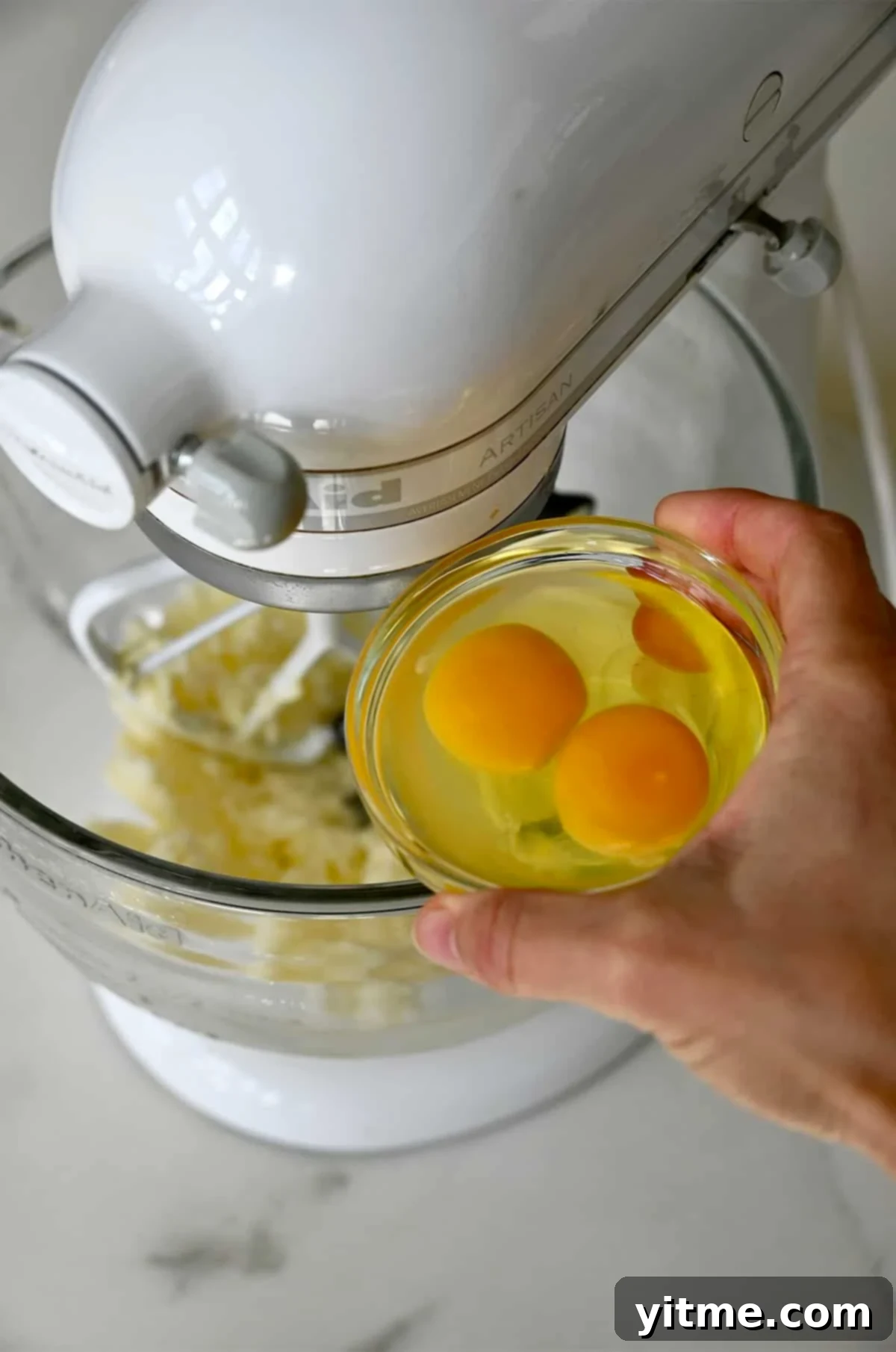
- Incorporate the eggs: Add the large eggs one at a time to the butter-sugar mixture, beating thoroughly after each addition. This ensures that each egg is fully emulsified into the batter, preventing a curdled appearance and contributing to the loaf’s overall structure and moisture. Scrape down the sides of the bowl as needed to ensure everything is well combined.
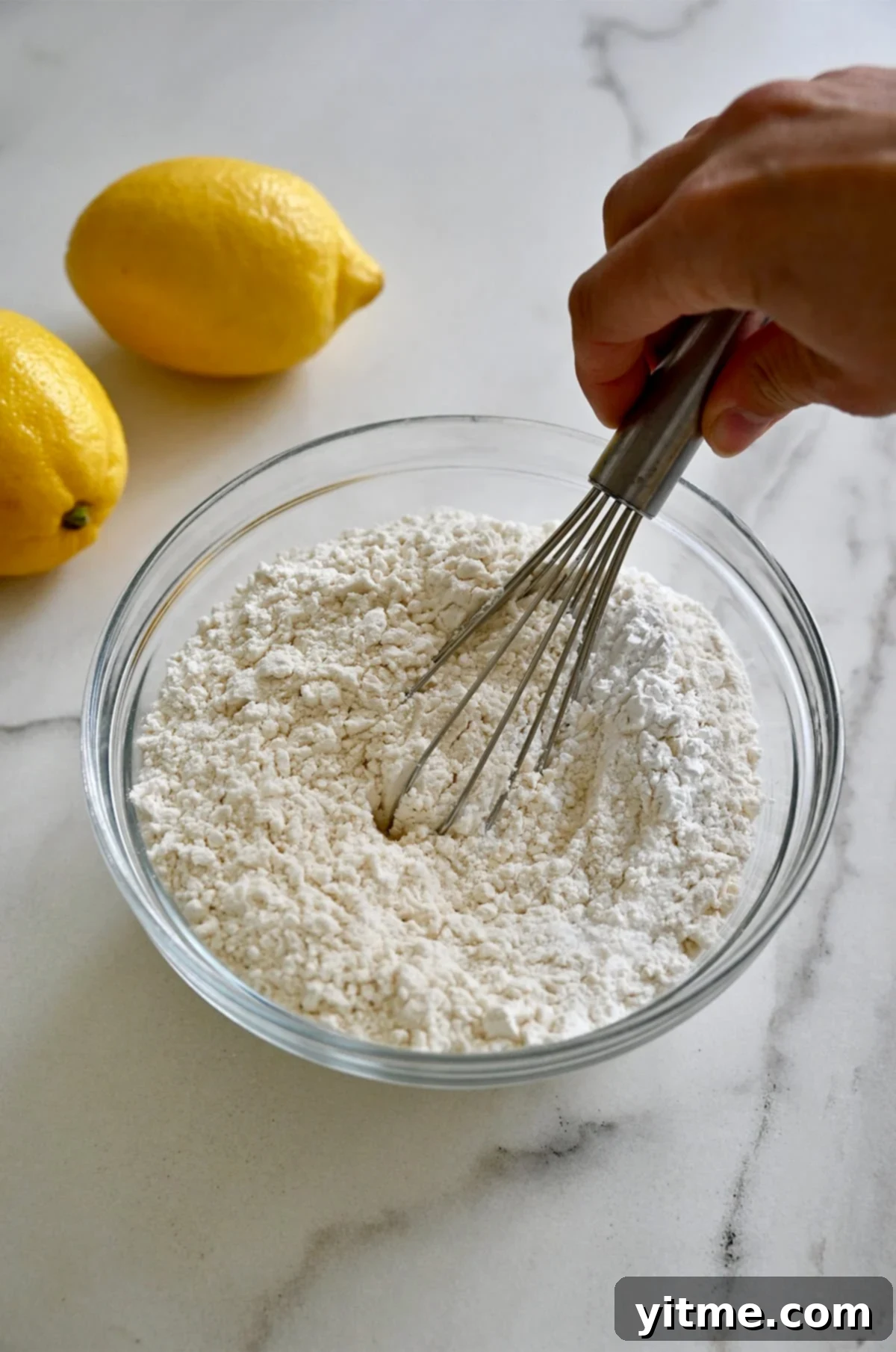
- Prepare dry and wet mixtures: In a separate medium-sized bowl, whisk together the all-purpose flour, baking powder, and salt until they are well combined. This distributes the leavening agent evenly. In another small bowl or liquid measuring cup, whisk together the buttermilk, fresh lemon juice, and aromatic lemon zest. This ensures the liquids are uniformly flavored and ready for incorporation.
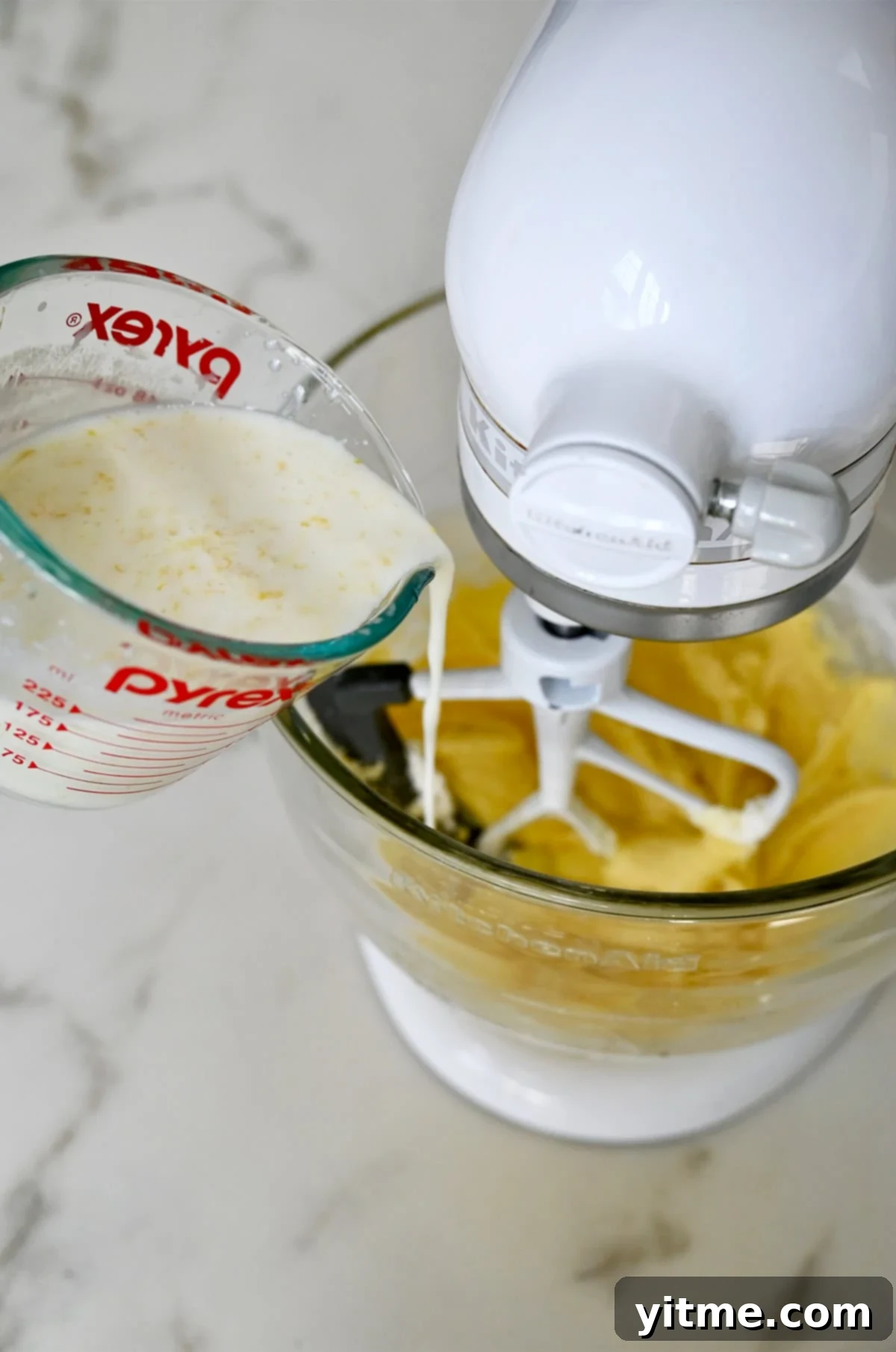
- Alternate adding dry and wet ingredients: With the mixer on low speed, alternately add the dry ingredients and the lemon-buttermilk mixture to the butter-sugar-egg mixture, beginning and ending with the dry ingredients. This method helps to maintain a smooth batter, prevents overmixing of the flour (which can lead to a tough bread), and ensures all ingredients are evenly distributed. Mix only until just combined; a few streaks of flour are acceptable. Overmixing develops gluten, resulting in a dry, dense loaf.
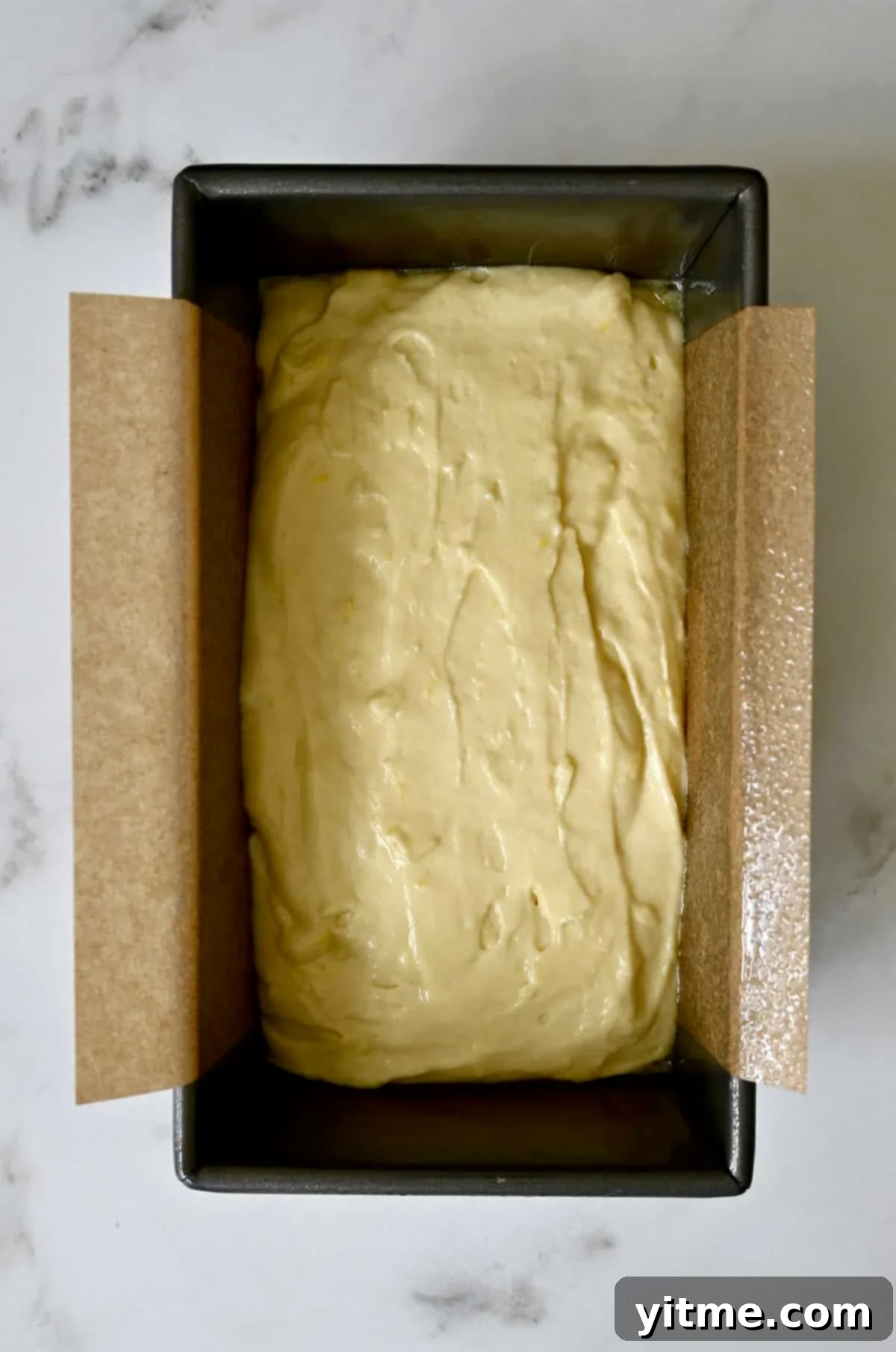
- Prepare the pan and pour batter: Pour the luscious lemon bread batter evenly into a prepared 9×5-inch loaf pan. Ensure your pan is lined with parchment paper, leaving a generous overhang on the longer sides. This parchment “sling” makes it incredibly easy to lift the baked loaf out of the pan. Lightly grease the parchment paper with cooking spray for a clean release.
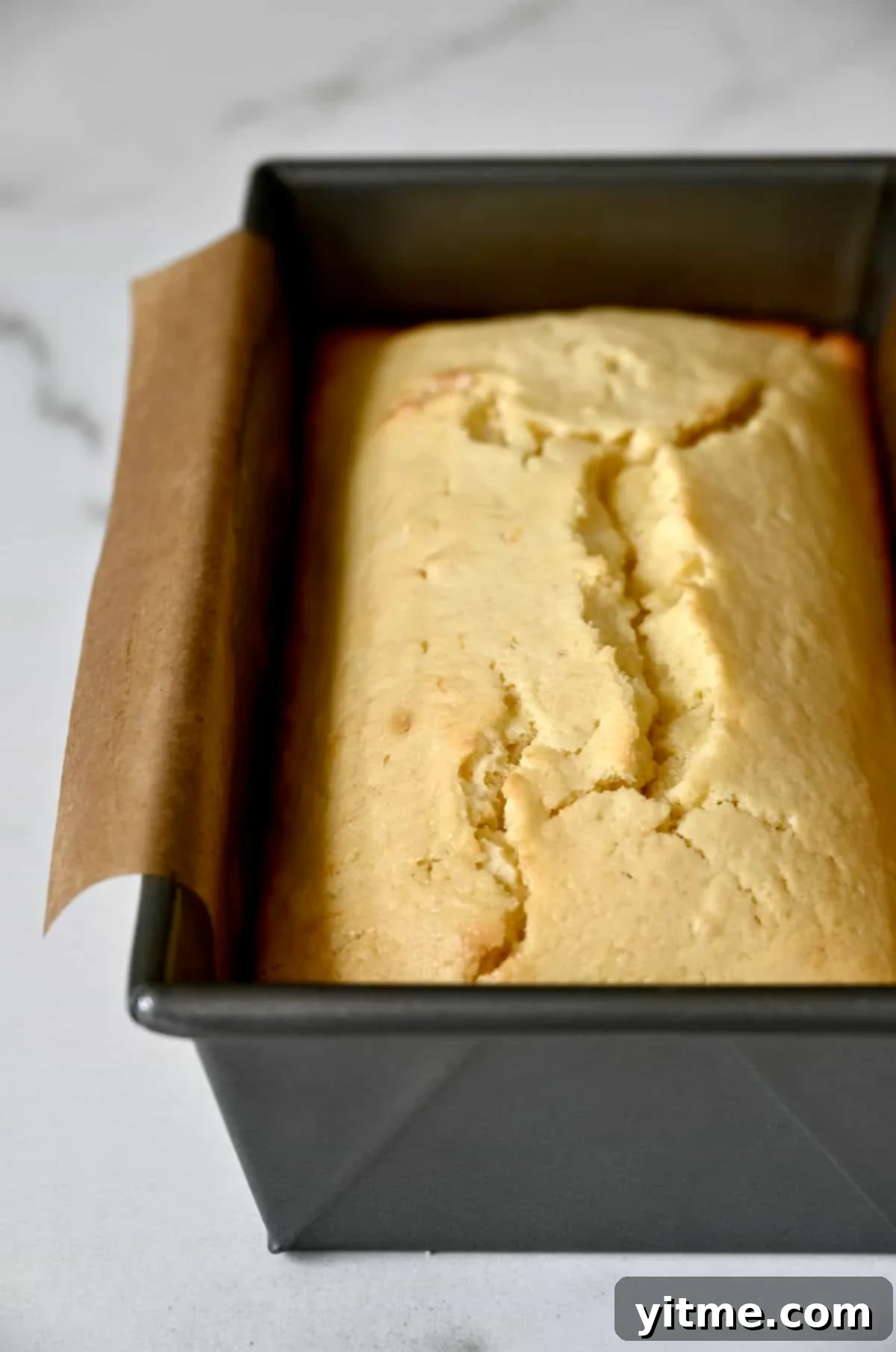
- Bake and cool: Bake the loaf in a preheated oven for approximately 45 minutes. The baking time may vary slightly depending on your oven, so rely on visual cues: the loaf should have a beautiful golden-brown color, a slight dome on top, and spring back gently when lightly pressed. Most importantly, a toothpick inserted into the center should come out clean. Once baked, remove the bread from the oven and let it cool in the pan for about 15 minutes before using the parchment overhangs to transfer it to a wire cooling rack. Allow the bread to cool completely to room temperature before applying the glaze; this prevents the glaze from melting and ensures it sets beautifully.
By following these steps, you’ll achieve a perfect lemon loaf that’s ready for its crowning glory – the tangy lemon glaze!
Crafting the Irresistible Lemon Glaze
The lemon glaze is more than just a topping; it’s the magical finishing touch that elevates your homemade lemon loaf from simply delicious to truly bakery-worthy. This quick and easy glaze adds an extra layer of zesty flavor, glistening sheen, and locks in even more moisture, making every bite unbelievably satisfying. All you need are three simple ingredients: powdered sugar (also known as confectioners’ sugar), freshly squeezed lemon juice, and a hint of lemon zest.
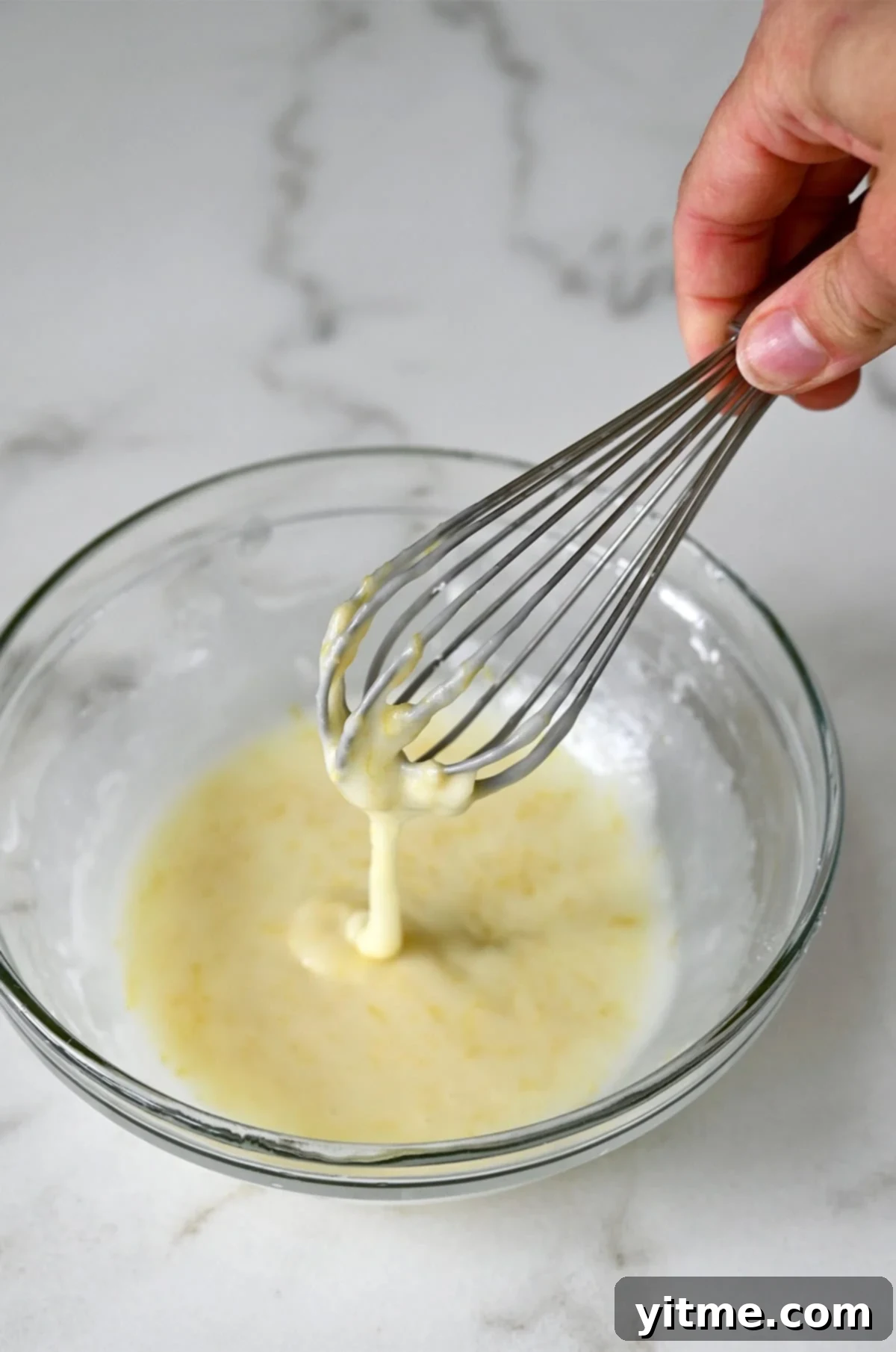
To achieve an impeccably smooth and silky glaze, I highly recommend sifting your powdered sugar first. This eliminates any lumps and ensures a uniform consistency. Once sifted, stir in the lemon zest for an added burst of aroma and visual appeal. Then, gradually whisk in the fresh lemon juice, starting with the recommended amount and adding more, just one teaspoon at a time, until you reach your desired pourable consistency. The beauty of this glaze is its adjustability – if it’s too thick, add more juice; if it’s too thin, a bit more powdered sugar will do the trick.
Once your perfectly pourable glaze is ready, generously drizzle it over your completely cooled lemon bread. The cooling step is critical here; applying glaze to a warm loaf will cause it to melt and absorb rather than set into a beautiful, glossy shell. As the glaze sets, it forms a wonderfully tangy-sweet crust that gracefully seeps into every crack and crevice of the bread, infusing it with even more lemon goodness. For those who prefer a thicker, more opaque glaze, you could substitute a portion of the lemon juice with milk or cream, but for maximum lemon impact, I say wholeheartedly lean into the vibrant citrus!
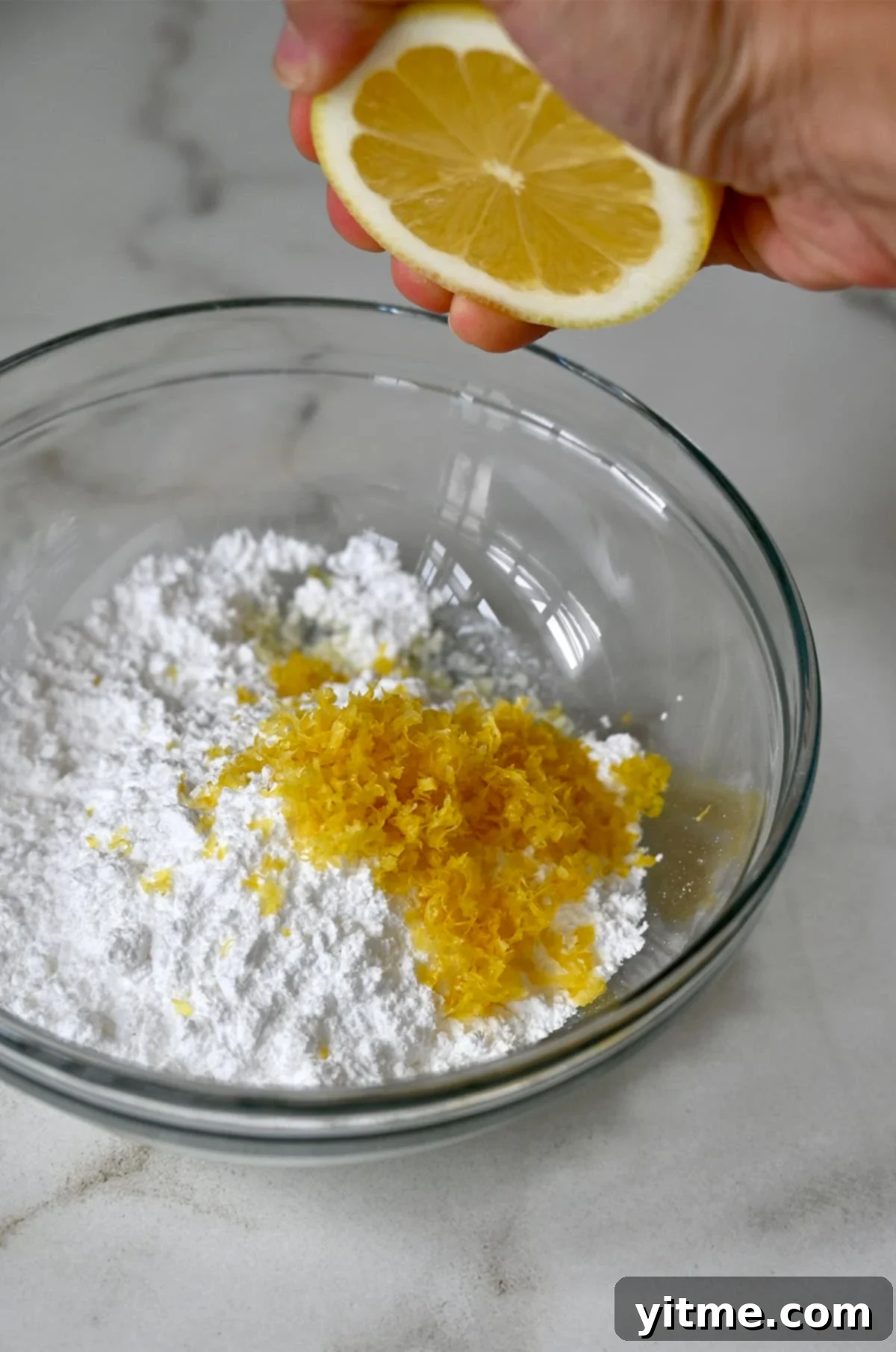
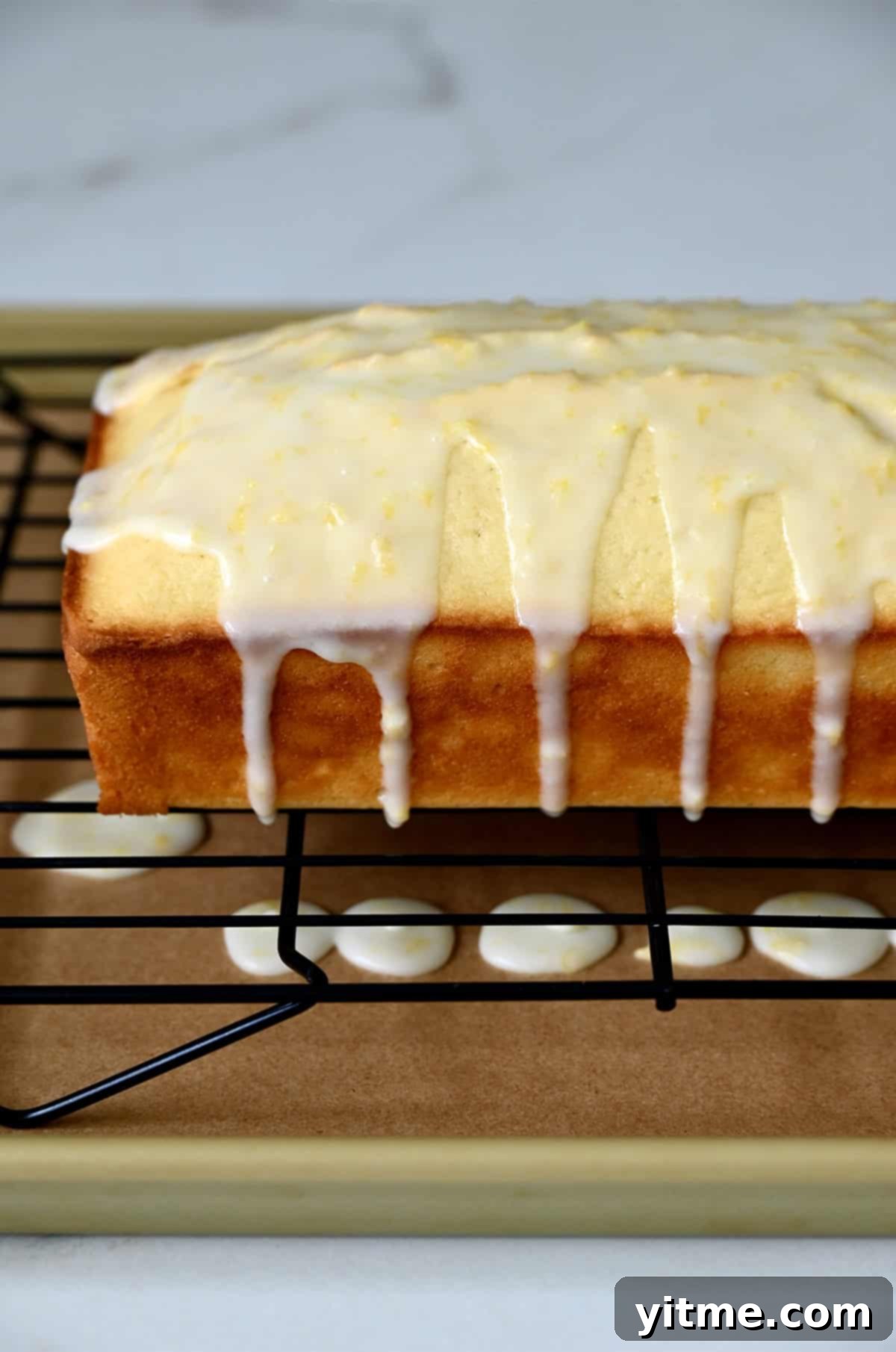
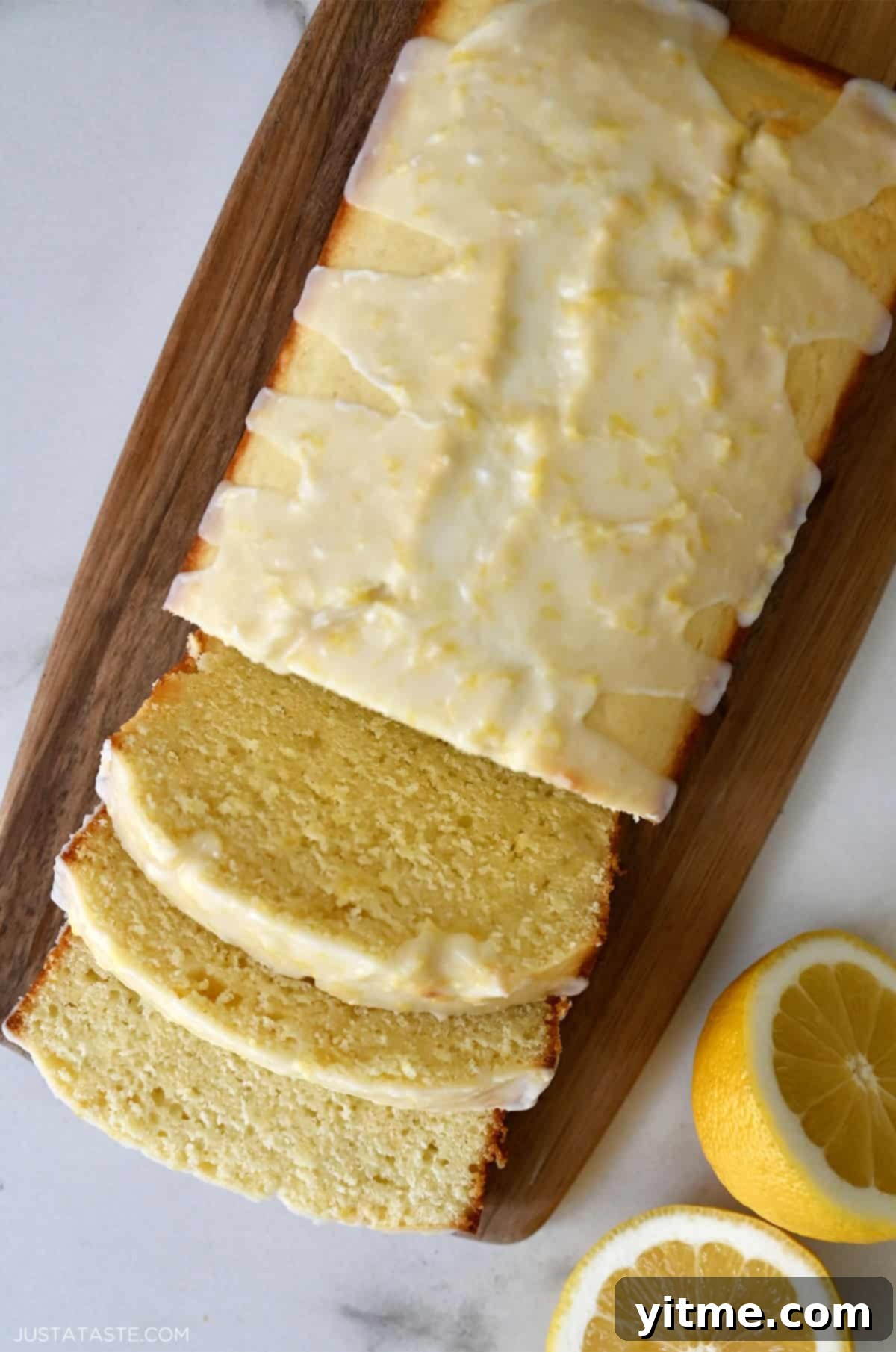
Allow the glaze ample time to set, ideally about 30 minutes, before slicing into your masterpiece. This patience will be rewarded with perfectly set, beautiful slices of lemon bread that are ready to impress.
Storage and Freezing Tips for Freshness
Proper storage is essential to maintain the delicious moistness and vibrant flavor of your glazed lemon bread. Here’s how to keep your loaf fresh for as long as possible, ensuring you can enjoy its delightful taste for days to come:
For immediate enjoyment, store your glazed lemon bread in an airtight container at room temperature for up to 3 days. The airtight seal prevents it from drying out, while the room temperature preserves its tender crumb. Before storing, it’s crucial to ensure the glaze has completely set to prevent it from becoming sticky or adhering to the container.
If you wish to extend its freshness, you can refrigerate the loaf for up to 5 days. Again, an airtight container is key. While refrigeration can sometimes alter the texture of baked goods slightly, the glaze acts as a protective layer, helping to retain moisture. For the best experience, allow refrigerated slices to come to room temperature for about 15-20 minutes before serving.
For long-term storage, this lemon loaf is an excellent candidate for freezing, provided you freeze it without the glaze. First, ensure the baked bread is completely cooled to room temperature. This step is vital as any residual warmth will create condensation, leading to freezer burn. Once cool, wrap the loaf tightly in a layer of plastic wrap, ensuring no air pockets. Then, add a second protective layer of aluminum foil. This double wrapping is highly effective in preventing freezer burn and preserving its quality. You can safely freeze the loaf for up to 3 months.
When you’re ready to savor your frozen lemon bread, simply transfer it from the freezer to your countertop and allow it to thaw at room temperature for several hours or overnight. Once fully thawed, prepare a fresh batch of the tangy lemon glaze (the recipe is quick and easy!) and drizzle it generously over the bread before slicing and serving. This ensures a fresh, glossy finish and that delightful sweet-tart balance, making it taste just as wonderful as the day it was baked.
More Delightful Quick Bread Recipes You’ll Love
If you enjoyed the simplicity and deliciousness of this Glazed Lemon Bread, you’re in for a treat! Quick breads are incredibly versatile and satisfying to bake. Explore more delightful recipes that are just as easy and rewarding:
- Glazed Pineapple Coconut Bread: A tropical escape in loaf form, perfectly sweet and fragrant.
- Blueberry Orange Juice Bread: A burst of juicy blueberries paired with bright orange notes for a fresh, fruity flavor.
- Cranberry Orange Bread: A classic combination of tart cranberries and zesty orange, ideal for any season.
- Olive Oil Banana Bread: A unique twist on a favorite, offering a subtle richness and incredible moistness.
- Healthy Zucchini Bread: A lighter version of the comforting classic, packed with vegetables and flavor.
Craving more amazing recipes and baking inspiration? Subscribe to Just a Taste to get new recipes, expertly crafted meal plans, and an exclusive newsletter delivered straight to your inbox! And for all the latest updates, behind-the-scenes glimpses, and delicious daily content, make sure to stay in touch on Facebook, TikTok, Pinterest and Instagram.
Glazed Lemon Bread Recipe

Ingredients
For the bread:
- 6 Tablespoons unsalted butter, softened (essential for a tender crumb, ensure it’s at room temperature)
- 1 cup granulated sugar
- 2 large eggs (at room temperature for better emulsion)
- 2 cups all-purpose flour
- 1 teaspoon baking powder
- ½ teaspoon salt
- ¾ cup buttermilk (or homemade substitute: ¾ cup milk + ¾ tbsp lemon juice/vinegar)
- ¼ cup fresh lemon juice
- 1 ½ teaspoons lemon zest (from about 2-3 lemons)
For the glaze:
- 1 cup confectioners’ sugar (sifted for a smooth glaze)
- 3 Tablespoons fresh lemon juice (adjust for desired consistency)
- 1 teaspoon lemon zest
Instructions
Make the bread:
- Preheat your oven to 350°F (175°C). Prepare a 9×5-inch loaf pan by lining it with parchment paper, allowing an overhang on the two longer sides for easy removal. Lightly grease the parchment paper with cooking spray to ensure the bread doesn’t stick.
- In the bowl of a stand mixer fitted with the paddle attachment, or using a hand mixer, cream together the softened unsalted butter and granulated sugar until the mixture is light, fluffy, and pale in color, which usually takes about 2 minutes. Add the large eggs one at a time, beating well after each addition to ensure full incorporation and a smooth batter. Scrape down the sides of the bowl as needed.
- In a separate small bowl, whisk together the all-purpose flour, baking powder, and salt until evenly combined. In another small bowl, whisk together the buttermilk, fresh lemon juice, and lemon zest. With the mixer on low speed, alternately add the flour mixture and the buttermilk mixture to the wet ingredients, beginning and ending with the dry ingredients. Beat only until just combined; be careful not to overmix the batter. Pour the prepared batter evenly into your lined and greased baking pan.
- Bake the loaf in the preheated oven for approximately 45 minutes, or until a wooden toothpick inserted into the center of the bread comes out clean. The loaf should be golden brown on top and have a slight dome. Once baked, remove the bread from the oven and let it cool in the pan for 15 minutes. Using the parchment paper overhangs, carefully transfer the bread to a wire cooling rack, gently remove the parchment paper, and allow the bread to cool completely to room temperature before glazing (see glaze recipe below).
Make the glaze:
- To prepare the glaze, sift the confectioners’ sugar into a small bowl to prevent lumps, then stir in the lemon zest. Begin by whisking 2 tablespoons of fresh lemon juice into the sifted sugar until you achieve a smooth, pourable glaze consistency. If the glaze appears too thick, continue to stir in additional lemon juice, one teaspoon at a time, until your desired consistency is reached.
- Once the lemon bread is completely cooled, pour the prepared glaze evenly over the top. Allow the bread to sit undisturbed for at least 30 minutes to allow the glaze to set and firm up before slicing and serving your delicious homemade lemon loaf.
Kelly’s Notes
- To maintain the superior moistness of your glazed lemon bread, store it in an airtight container at room temperature for up to 3 days. If you’d like to extend its shelf life, refrigerate it for up to 5 days. Always ensure the glaze has fully set before storing to prevent stickiness.
- This loaf also freezes exceptionally well! For optimal results, freeze it without the glaze. Make certain the bread is completely cool before wrapping it tightly in plastic wrap, followed by a layer of aluminum foil (this double layer is crucial for preventing freezer burn). It can be frozen for up to 3 months. When you’re ready to indulge, simply thaw the bread at room temperature, then prepare and add the fresh lemon glaze just before serving for that perfect, glossy finish and vibrant flavor.
- ★ Did you make this recipe? Don’t forget to give it a star rating below! Your feedback helps other bakers!
Nutrition
Did you try this irresistible recipe?
Leave a comment below with your star rating! We love hearing about your baking successes and delightful experiences!