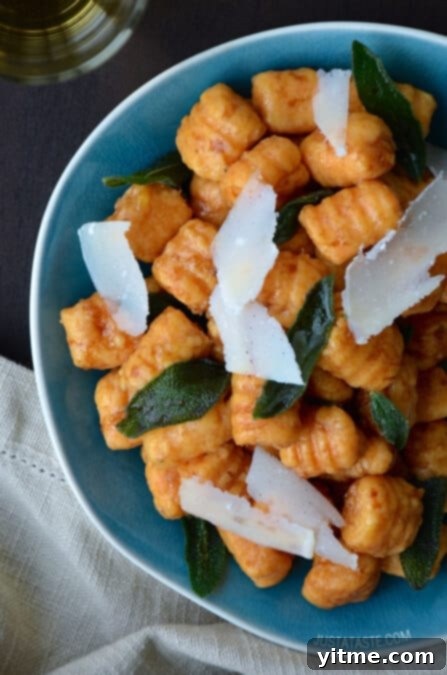
Unlocking Sweet Potato Perfection: A Guide to Buying, Storing, and Cooking This Versatile Vegetable
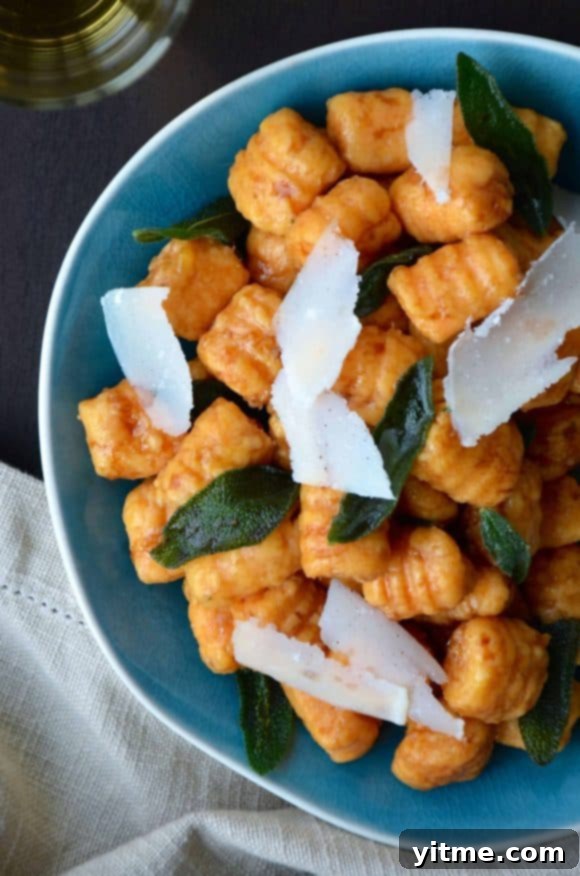
The humble sweet potato, a vibrant and versatile root vegetable, is more than just a holiday side dish. From a nutritious and satisfying breakfast to a delectable dessert, its adaptability makes it a culinary star. We’re launching our In Season Now series with this incredible ingredient, celebrating its diverse applications and health benefits. Originating in the Americas, the sweet potato graces grocery store shelves throughout the year, with its prime season unfolding from October to January. While white-fleshed sweet potatoes dominate in many parts of the globe, the orange-fleshed variety reigns supreme in the United States. Boasting a flavor profile that dances between candy-like sweetness and nutty undertones, the sweet potato effortlessly transitions from breakfast creations to the grand finale of dessert.
Selecting the Perfect Sweet Potatoes: A Buyer’s Guide
Choosing the right sweet potatoes is crucial for unlocking their full flavor potential. Here’s a guide to help you select the best ones at the market:
- Size Matters: Opt for small to medium-sized sweet potatoes. These tend to be more tender and evenly cooked than larger ones.
- Weight for Size: Pick up a few sweet potatoes and compare their weight. The heavier ones for their size are generally denser and contain more moisture, leading to a more flavorful and satisfying result.
- Inspect for Imperfections: Carefully examine the sweet potatoes for any bruises, cuts, or soft spots. Avoid those with these imperfections, as they can indicate spoilage.
- Watch for Sprouts: Steer clear of sweet potatoes that show signs of sprouting. Sprouts indicate that the potato is starting to deteriorate and will likely have a less desirable texture and taste.
- Firmness is Key: Gently squeeze the sweet potato. It should feel firm to the touch. If it feels soft or yields easily, it’s likely past its prime.
- Smooth Skin: Look for sweet potatoes with smooth, unblemished skin. While minor imperfections are acceptable, avoid those with significant blemishes or wrinkles.
- Color Considerations: The color of the sweet potato’s skin and flesh can vary depending on the variety. While orange-fleshed varieties are the most common in the US, you might encounter white, yellow, or even purple-fleshed sweet potatoes. Each variety offers a slightly different flavor and texture profile, so experiment to find your favorites!
The Art of Sweet Potato Storage: Preserving Freshness and Flavor
Proper storage is essential for maintaining the quality and extending the shelf life of your sweet potatoes. Follow these guidelines to ensure they stay fresh and flavorful:
- Cool, Dark, and Dry: The ideal storage environment for sweet potatoes is a cool, dark, and dry place. A pantry, cellar, or even a well-ventilated cupboard can work well.
- Avoid Refrigeration: Resist the urge to refrigerate sweet potatoes. Cold temperatures can negatively impact their flavor, causing them to become bland and the center to harden.
- Optimal Temperature: Aim for a storage temperature between 55°F and 60°F (13°C and 16°C). This range will help prevent sprouting and maintain their quality.
- Single Layer Storage: Store sweet potatoes in a single layer to allow for proper air circulation. This will help prevent moisture buildup and spoilage.
- Use a Basket or Open Container: Store them in a basket, wire rack, or other open container to promote airflow.
- Avoid Plastic Bags: Do not store sweet potatoes in plastic bags, as they can trap moisture and lead to spoilage.
- Check Regularly: Periodically check your stored sweet potatoes for any signs of spoilage, such as soft spots or sprouting. Remove any affected potatoes to prevent them from affecting the others.
- Shelf Life: When stored properly, sweet potatoes can last for up to a week or two.
Preparing Sweet Potatoes for Culinary Adventures: A Simple Guide
Preparing sweet potatoes is a breeze. Here’s a step-by-step guide to get you started:
- Washing is Key: Thoroughly scrub the sweet potatoes under running water to remove any dirt or debris. Use a vegetable brush for best results.
- Peel or Not to Peel?: The decision to peel or leave the skin on is entirely up to you and depends on the recipe and your personal preference. The skin is edible and contains valuable nutrients. If you choose to peel, use a vegetable peeler to remove the skin.
- Cutting and Dicing: Depending on the recipe, you may need to cut the sweet potatoes into various shapes and sizes. Use a sharp knife to ensure clean and even cuts.
- Soaking (Optional): If you’re planning to fry the sweet potatoes, soaking them in cold water for about 30 minutes can help remove excess starch and prevent them from sticking together.
Sweet Potato Recipes: A Culinary Exploration
The versatility of sweet potatoes knows no bounds. Here are just a few ideas to spark your culinary creativity:
- Breakfast: Sweet potato hash, sweet potato pancakes, sweet potato muffins, sweet potato smoothie.
- Lunch: Sweet potato and black bean burgers, sweet potato and quinoa salad, sweet potato soup.
- Dinner: Roasted sweet potatoes, mashed sweet potatoes, sweet potato fries, sweet potato casserole, sweet potato curry.
- Dessert: Sweet potato pie, sweet potato bread, sweet potato cookies, sweet potato ice cream.
The Nutritional Powerhouse: Health Benefits of Sweet Potatoes
Beyond their delicious flavor, sweet potatoes are packed with essential nutrients that contribute to overall health and well-being:
- Rich in Vitamin A: Sweet potatoes are an excellent source of vitamin A, which is crucial for vision, immune function, and cell growth.
- High in Fiber: The high fiber content in sweet potatoes promotes digestive health and helps regulate blood sugar levels.
- Good Source of Vitamin C: Vitamin C is an antioxidant that supports immune function and protects against cell damage.
- Potassium Power: Sweet potatoes are a good source of potassium, an essential mineral that helps regulate blood pressure and muscle function.
- Antioxidant Properties: The vibrant color of sweet potatoes comes from antioxidants, which help protect against chronic diseases.
Beyond the Basics: Exploring Different Sweet Potato Varieties
While the orange-fleshed sweet potato is the most common, there’s a whole world of sweet potato varieties to discover. Each variety offers a unique flavor, texture, and appearance:
- Garnet Sweet Potatoes: These have a deep reddish-purple skin and a vibrant orange flesh. They are known for their moist and sweet flavor.
- Jewel Sweet Potatoes: Similar to garnet sweet potatoes, jewel sweet potatoes have a slightly lighter reddish-orange skin and a bright orange flesh.
- Beauregard Sweet Potatoes: These are the most widely grown sweet potato variety in the United States. They have a reddish-purple skin and an orange flesh.
- Hannah Sweet Potatoes: These have a tan skin and a creamy white flesh. They are less sweet than orange-fleshed varieties and have a slightly drier texture.
- Japanese Sweet Potatoes (Muraski): These have a reddish-purple skin and a white flesh that turns golden when cooked. They have a sweet, nutty flavor and a slightly dry texture.
- Purple Sweet Potatoes (Okinawan): These have a purple skin and a deep purple flesh. They are less sweet than orange-fleshed varieties and have a slightly earthy flavor.
The possibilities with sweet potatoes are truly endless. So, get creative in the kitchen and discover your own favorite ways to enjoy this incredible vegetable!
Sweet or savory? What’s your favorite way to cook or bake with sweet potatoes? Share your culinary creations and tips in the comments below!