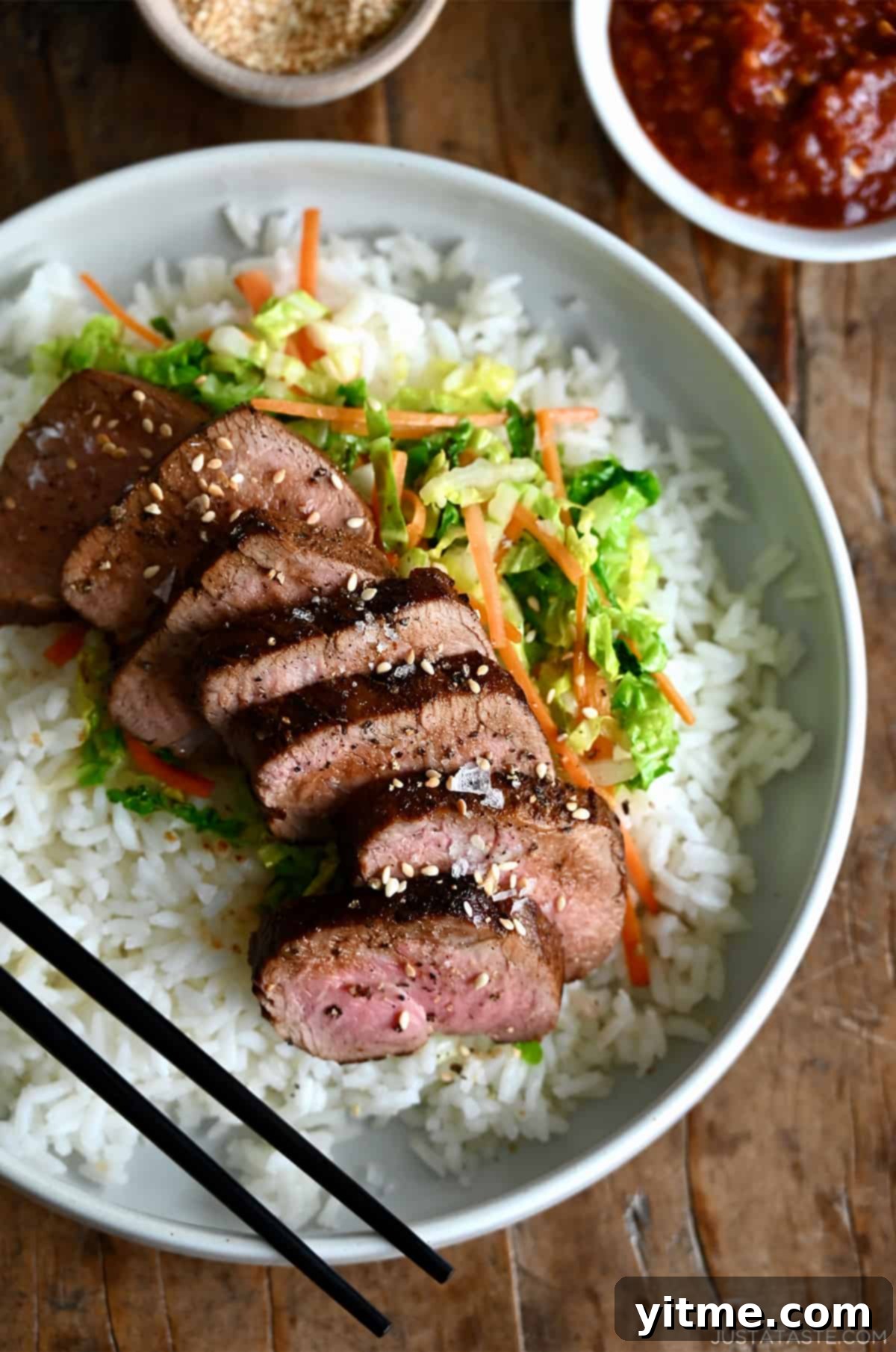
The Ultimate 4-Ingredient Pork Tenderloin Marinade for Juicy, Flavorful Meals
Unlock the secret to perfectly tender and incredibly flavorful pork tenderloin with this quick and easy, 4-ingredient marinade recipe. Whether you’re firing up the grill for a sizzling summer BBQ, preferring the consistent heat of your oven for a family dinner, or opting for the convenience of a stovetop sear, this versatile marinade has got you covered! It’s designed to infuse your pork with a delightful balance of sweet and tangy notes, ensuring every bite is succulent and memorable.
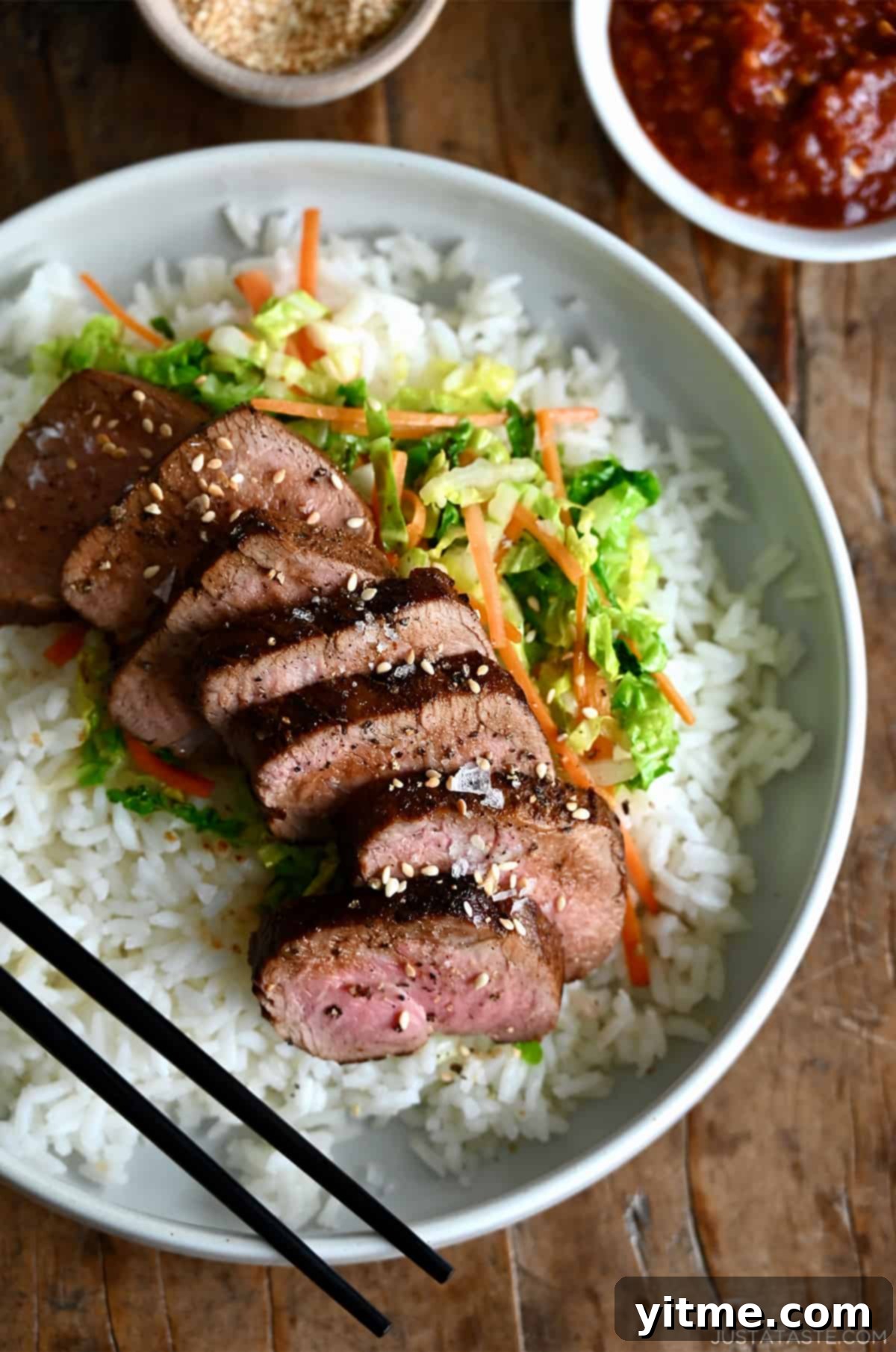
Table of Contents
- Why This Marinade is a Game-Changer
- The Simple 4-Ingredient Marinade
- How to Make the Best Pork Tenderloin Marinade
- Expert Tips for Perfectly Marinated Pork
- Frequently Asked Questions
- More Pork Recipes to Try
- The Best Pork Tenderloin Marinade Recipe
One of the most effective and simplest culinary techniques to elevate the taste and texture of lean pork tenderloin is through a thoughtfully crafted marinade. This process not only imparts incredible flavor but also works to tenderize the meat and lock in essential moisture, preventing it from drying out during cooking. My go-to pork tenderloin marinade recipe is incredibly simple yet bursts with flavor, striking a harmonious balance between sweet and tangy. It calls for just a handful of staple ingredients you likely already have on hand: zesty orange juice, savory low-sodium soy sauce, aromatic garlic powder, and a touch of sweet brown sugar. The best part? It comes together in mere minutes, and once your pork tenderloin is coated, it requires only a quick 30 minutes to 1 hour of marinating time to achieve delicious results.
So, gather your ingredients, prepare your cooking method of choice, and get ready to savor a marinated pork tenderloin that’s truly unparalleled. And for an extra layer of deliciousness, don’t forget to try my favorite cowboy dipping sauce – it’s fantastic with pork, steak, chicken, and so much more!
Why This Marinade is a Game-Changer
- Unforgettable Flavor Infusion: This easy pork tenderloin marinade penetrates deep into the meat, transforming a simple cut into a culinary masterpiece. The vibrant orange juice combines with the umami-rich soy sauce to create a perfectly balanced, savory glaze that awakens the taste buds. Meanwhile, the subtle sweetness of light brown sugar beautifully contrasts with the tangy citrus notes and complements the earthy depth of the garlic powder, creating a complex yet approachable flavor profile that will have everyone asking for seconds.
- Superior Tenderizing Effect: A primary benefit of marinating, especially with this recipe, is its remarkable tenderizing capability. The acidic component – in this case, the natural acids in orange juice – gently works to break down the tough proteins and connective tissues in the pork. This crucial process results in a melt-in-your-mouth texture that is incredibly juicy and tender, ensuring your pork tenderloin is never dry or tough.
- Deep Flavor Penetration: Unlike a simple surface seasoning or rub, which primarily flavors the exterior of the meat, marinating allows the ingredients to seep into the muscle fibers. This means the sweet, tangy, and savory flavors of this marinade permeate the pork from the inside out, ensuring a consistently delicious taste throughout every slice of tenderloin.
- Exceptional Moisture Retention: Pork tenderloin is a lean cut of meat, which can sometimes be prone to drying out if not cooked properly. This marinade acts as a protective barrier around the meat, effectively sealing in its natural juices. This enhanced moisture retention ensures that your pork remains incredibly juicy and moist throughout the entire cooking process, whether you’re grilling, baking, or pan-searing, guaranteeing a succulent result every time.
The Simple 4-Ingredient Marinade
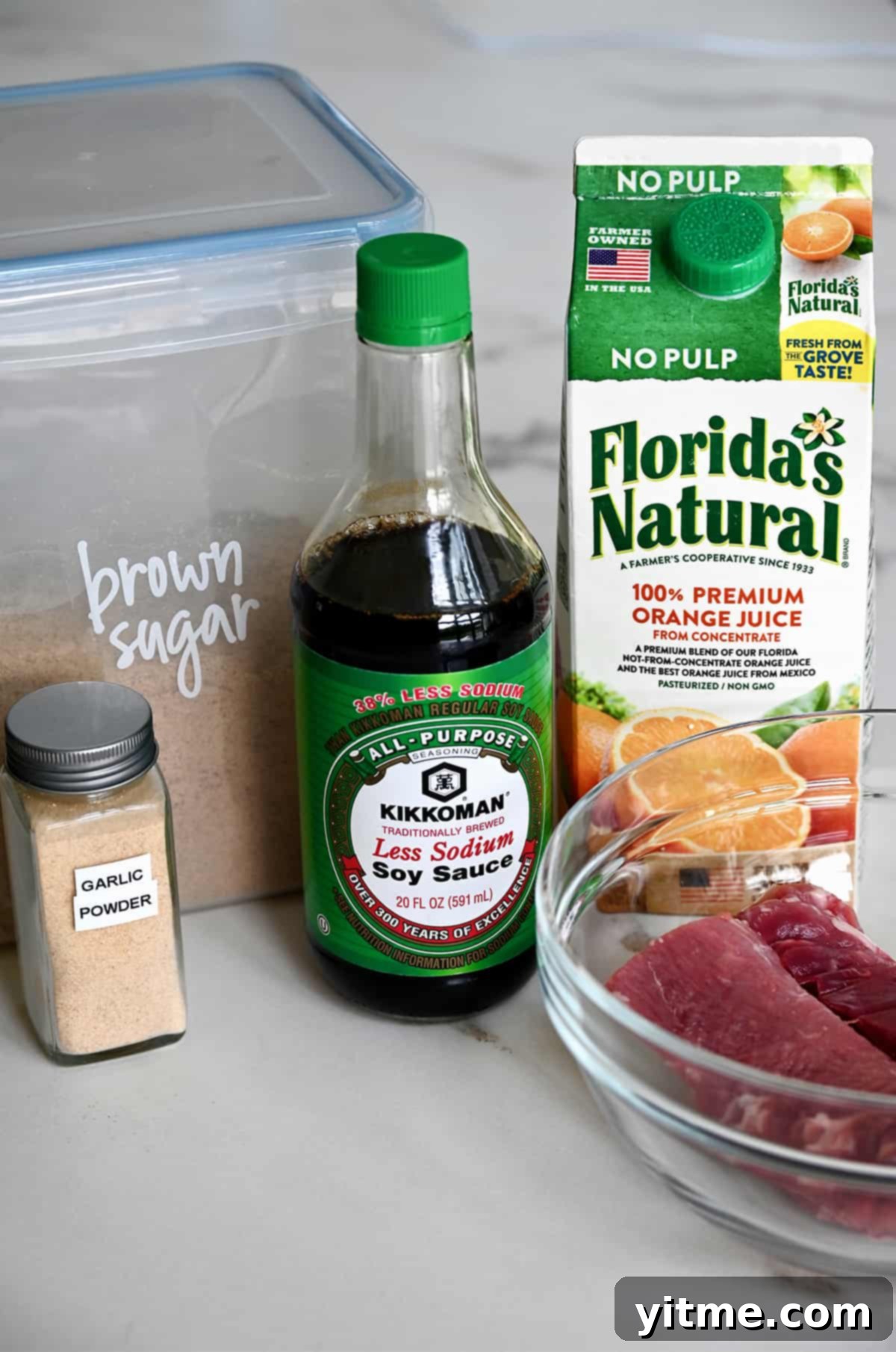
This fantastic pork tenderloin marinade recipe shines because it utilizes incredibly simple, everyday ingredients that are likely already in your kitchen. Here’s a closer look at the four stars of this delicious marinade:
- Orange Juice: With its bright, tangy, and naturally sweet flavor, orange juice is the cornerstone of this marinade. It introduces a refreshing citrus note that not only brightens the dish but also acts as the essential acidic component for tenderizing the pork. Its natural sugars contribute to a beautiful caramelization during cooking. For a slight variation, you can easily substitute pineapple juice for a more tropical twist or apple juice for a milder sweetness.
- Low-Sodium Soy Sauce: Just like in my highly-rated steak marinade and poultry marinade, low-sodium soy sauce is an absolute must-have. It delivers a rich, savory umami depth that is crucial for balancing the sweetness and tanginess. Using regular soy sauce would result in a dish that is overly salty, detracting from the overall flavor profile, so always opt for low-sodium.
- Garlic Powder: This pantry staple deepens the flavor profile of the marinade, imparting a subtle hint of pungency and earthiness that perfectly complements the sweetness of the orange juice and brown sugar. Garlic powder is fantastic because it distributes evenly throughout the marinade, ensuring every part of the pork gets that irresistible garlicky aroma and taste.
- Light Brown Sugar: This ingredient adds just the right amount of sweetness to balance the acidity of the orange juice and the saltiness of the soy sauce. Beyond sweetness, light brown sugar contributes to a wonderful caramelized coating on the exterior of the pork tenderloin as it cooks, enhancing both its visual appeal and its overall delectable taste. If you prefer, honey or maple syrup can be used as excellent substitutes, each adding its unique depth of sweetness.
Together, these four simple ingredients create a powerhouse marinade that transforms ordinary pork tenderloin into an extraordinary meal.
How to Make the Best Pork Tenderloin Marinade
Preparing this incredibly flavorful pork tenderloin marinade is wonderfully straightforward. Follow these simple steps for a perfectly marinated pork tenderloin that’s ready for grilling, baking, or pan-searing.
- Prepare the Pork: Before you begin marinating, gently pat your pork tenderloin dry with paper towels. Trim off any excess fat or silver skin. Next, cut the tenderloin in half width-wise. This not only helps the marinade penetrate more effectively but also ensures more even cooking and makes the tenderloin easier to handle, especially if you’re working with a smaller pan or grill.
- Mix the Marinade: To create the marinade, place a large sealable plastic bag in a bowl. Using a bowl to hold the bag upright makes it much easier to pour and mix the ingredients without spills. Into the bag, whisk together the orange juice, low-sodium soy sauce, garlic powder, and light brown sugar until thoroughly combined and the sugar has dissolved.
- Marinate the Pork: Add the two prepared tenderloin pieces to the bag. Squeeze out as much air as possible before sealing the bag shut. Gently move the tenderloin pieces around within the bag, ensuring they are thoroughly coated in the marinade. Place the sealed bag in the refrigerator to marinate for a minimum of 30 minutes. For optimal flavor and tenderness, you can marinate the pork for up to 1 hour. Avoid over-marinating (beyond 2-3 hours) if you prefer a firmer texture, as prolonged exposure to acid can alter it.
- Prepare for Cooking & Cook: When you’re ready to cook, remove the tenderloin pieces from the plastic bag. Discard the bag and any leftover marinade (never reuse raw meat marinade!). Crucially, pat the pork tenderloin pieces thoroughly dry with paper towels. This step is vital for achieving a beautiful, crisp sear on the exterior, as moisture inhibits browning.
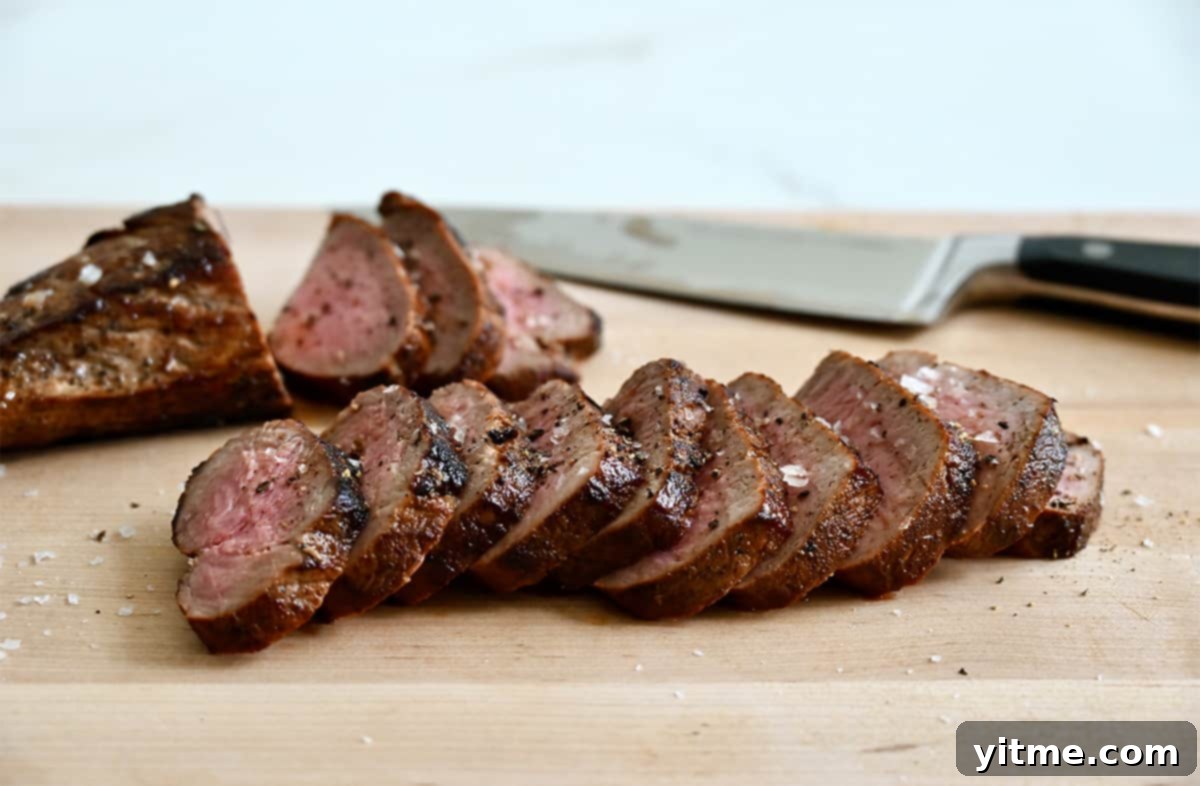
The pork can be cooked on a stovetop, in an oven, or on a grill. Regardless of your chosen cooking method, ensure that the pork reaches an internal temperature of 145°F (63°C) as measured with a reliable meat thermometer inserted into the thickest part of the meat. After cooking, let the meat rest for 5 to 10 minutes before slicing. This allows the juices to redistribute evenly throughout the tenderloin, resulting in a more succulent and flavorful final dish.
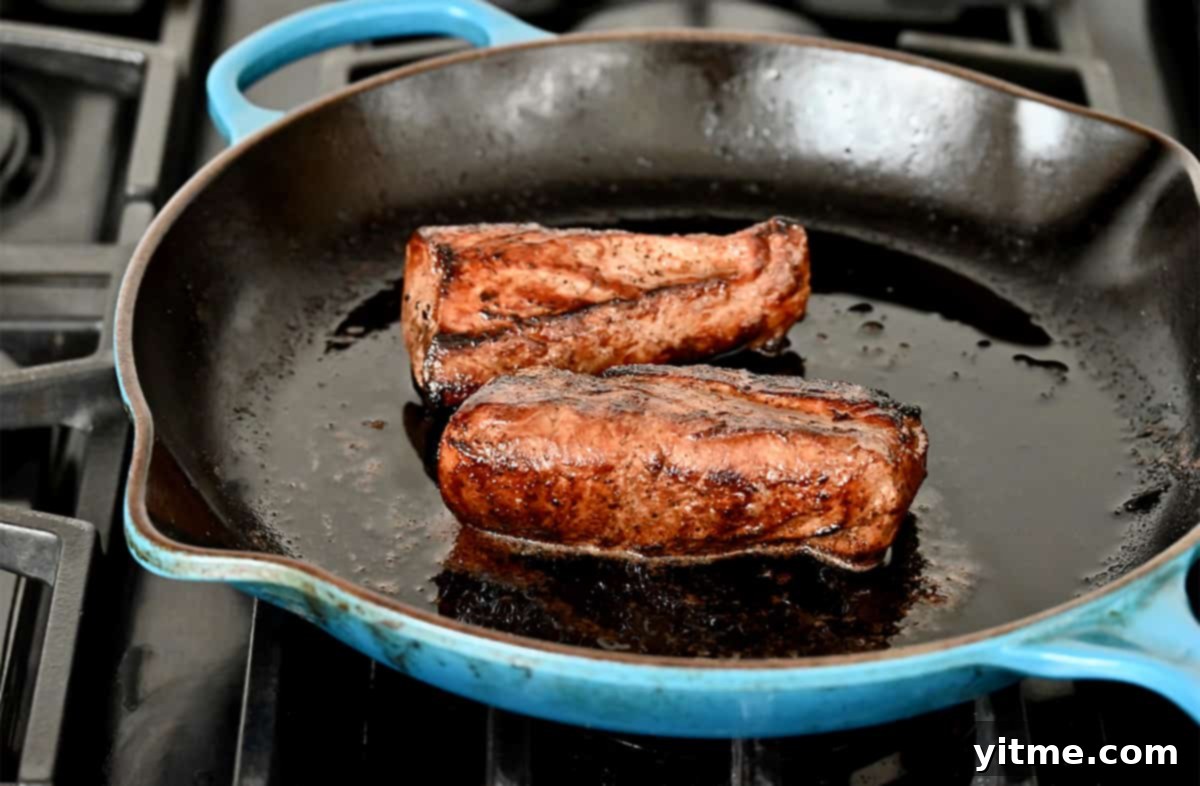
- Stovetop: Heat 1-2 tablespoons of vegetable oil in a large cast-iron or heavy-bottomed skillet over medium-high heat until shimmering. Sear the tenderloin pieces on all sides until beautifully browned, about 2-3 minutes per side. Reduce heat to medium-low and continue cooking, turning occasionally, until the internal temperature reaches 145°F.
- Oven: Preheat oven to 400°F (200°C). Sear the tenderloin pieces in an oven-safe skillet on the stovetop for 2-3 minutes per side until browned. Transfer the skillet to the preheated oven and roast for 15-20 minutes, or until the internal temperature reaches 145°F.
- Grill: Preheat your grill to medium-high heat (around 400-450°F / 200-230°C). Grill the tenderloin pieces over direct heat, turning every few minutes, until well-marked and the internal temperature reaches 145°F, typically 15-25 minutes depending on thickness and grill temperature.
Expert Tips for Perfectly Marinated Pork
- Trim Excess Fat and Silver Skin: For the most effective flavor penetration and a better eating experience, always take a few moments to remove any visible excess fat or the thin, silvery membrane (silver skin) from your pork tenderloin before marinating. Silver skin becomes tough and chewy when cooked, and removing it ensures a more tender bite and allows the marinade to truly soak into the meat.
- Always Marinate in the Refrigerator: Food safety is paramount. Pork tenderloin, like all raw meats, must be marinated in the refrigerator, never at room temperature. This keeps harmful bacteria from growing and multiplying, ensuring your meal is safe to eat.
- Don’t Overdo It with Marinating Time: While marinating adds incredible flavor and tenderness, there’s a sweet spot. Over-marinating, especially with acidic liquids, can cause the meat’s texture to become mushy or mealy. For this particular pork tenderloin marinade, I recommend a marinating time of between 30 to 60 minutes for ideal results.
- Pat Dry Before Cooking: This is a critically important step for achieving that delicious, browned crust. Moisture is the enemy of a good sear! Before placing the pork on the stovetop, in the oven, or on the grill, remove it from the marinade and pat it thoroughly dry with paper towels. A dry surface allows the Maillard reaction (the browning process that creates complex flavors) to occur effectively.
- Let It Rest: Patience is a virtue when cooking any meat. Similar to preparing a perfectly marinated steak, allowing the pork tenderloin to rest for 5 to 10 minutes after cooking is essential. This resting period allows the muscle fibers to relax and the juices, which have been drawn to the center during cooking, to redistribute evenly throughout the meat. The result is a significantly juicier, more tender, and ultimately more flavorful pork tenderloin.
- Never Reuse Marinade: It might be tempting to save or reuse marinade, but once it has come into contact with raw pork, it can contain harmful bacteria. For food safety reasons, always discard any marinade that has been used with raw meat. If you desire a sauce or glaze to serve with your cooked pork, I highly recommend setting aside a portion of the fresh marinade *before* adding the raw pork. You can then cook this reserved marinade separately (bring it to a rolling boil for at least 1 minute) to create a safe and delicious serving sauce.
Frequently Asked Questions
According to the United States Department of Agriculture (USDA), it is safe to marinate pork in the refrigerator for up to 5 days. While many other cuts of meat and poultry might start to break down or become mushy if marinated longer than 48 hours due to acidic components, pork tenderloin is firm enough to endure a few days in this acidic marinade without becoming brittle or compromising its desirable texture. For this specific recipe, 30 minutes to 1 hour is sufficient for optimal flavor, but longer marinating times are safe if preferred.
Whether or not to pierce the meat before marinating is a matter of personal preference and can depend on the thickness of the cut. Piercing the pork tenderloin with a fork allows the flavors of the marinade to penetrate deeper and more rapidly into the meat fibers. For this quick 30-60 minute marinade, piercing isn’t strictly necessary as the tenderloin is a relatively thin cut, but it can certainly enhance the flavor absorption if you desire. If you choose to pierce, a simple fork can be used to create small holes all over the surface.
No, it is generally not safe to use raw marinade that has been in contact with uncooked pork as a serving sauce without thoroughly cooking it. Used marinades can contain harmful bacteria from the raw meat, posing a risk of cross-contamination and foodborne illnesses. If you wish to create a sauce or glaze, the safest practice is to set aside a portion of the marinade before adding the raw pork tenderloin to it. This reserved portion can then be simmered separately for several minutes (until it reaches a rolling boil) to ensure any potential bacteria are killed, making it safe to serve as a delicious sauce.
The recommended safe internal temperature for cooked pork tenderloin is 145°F (63°C), followed by a 3-minute rest. To accurately measure doneness, always insert a reliable meat thermometer into the thickest part of the pork tenderloin, ensuring it doesn’t touch any bone or go through to the other side. Cooking pork to 145°F will result in a slightly pink center, which indicates it’s juicy and perfectly safe to eat. Resting the meat afterwards is crucial for optimal juiciness.
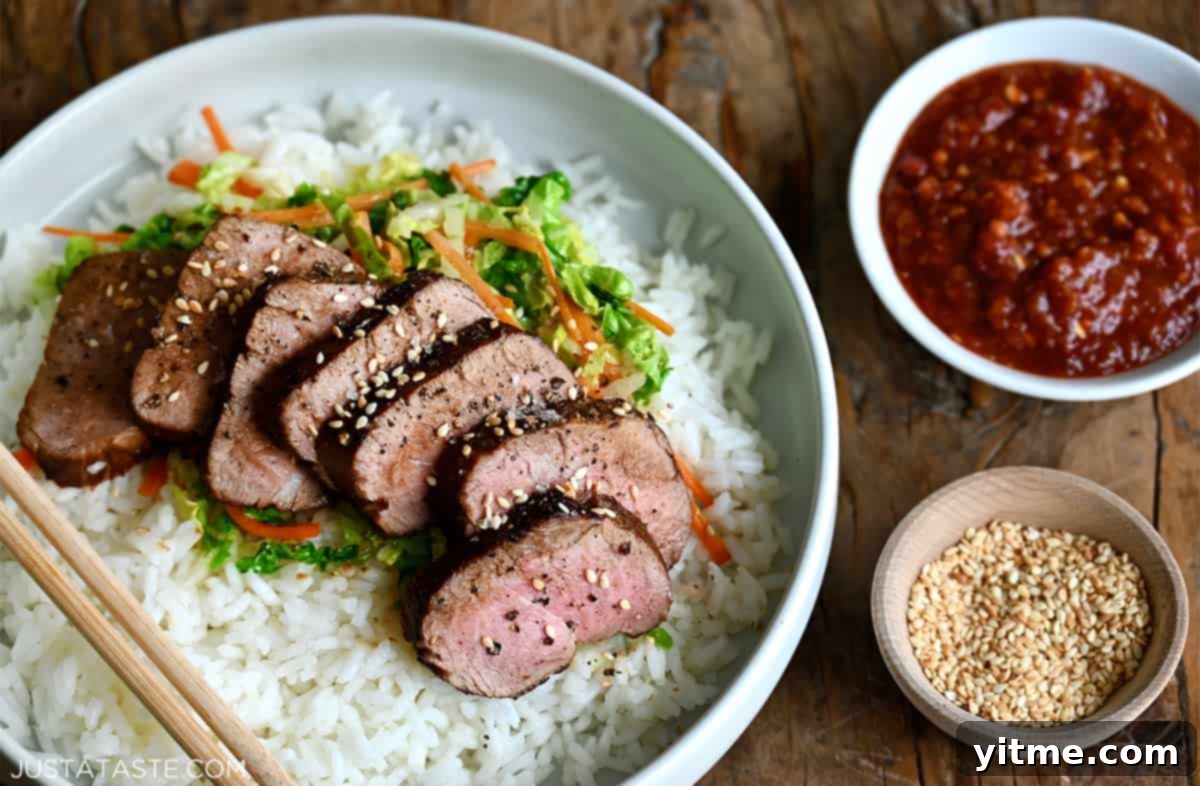
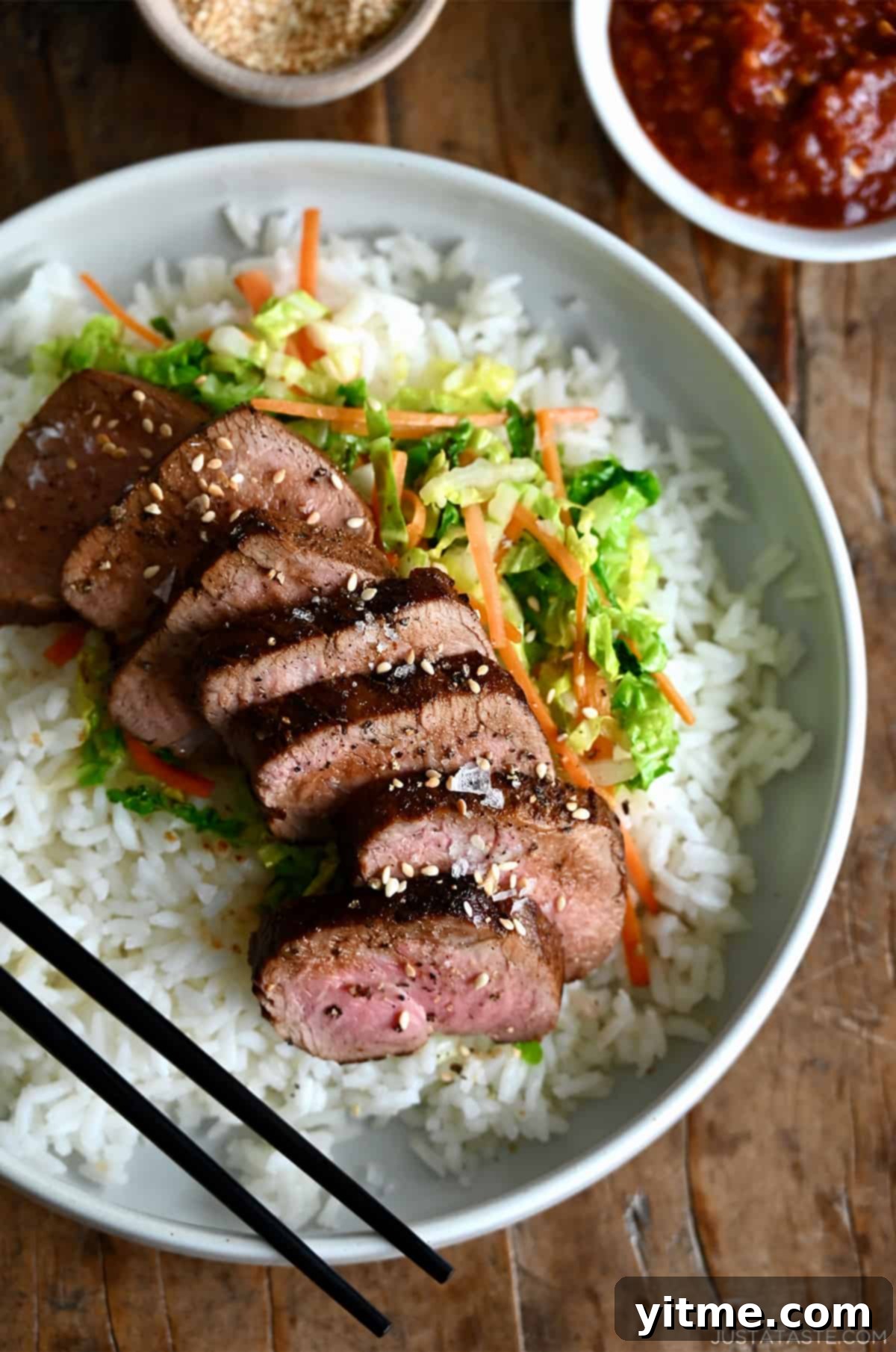
This versatile marinated pork tenderloin pairs beautifully with a wide array of side dishes. For a complete meal, consider serving it with fluffy white or brown rice, roasted vegetables like asparagus or broccoli, a fresh green salad, mashed potatoes, or quinoa. The sweet and tangy flavors of the pork also complement hearty grain salads or a side of sautéed greens with a hint of garlic.
More Pork Recipes to Try
- Sweet and Sour Roast Pork Tenderloin
- Quick Caramelized Pork and Broccoli
- Slow Cooker Balsamic Honey Pulled Pork
- Slow Cooker Hawaiian Pulled Pork
- Quick Black Pepper Pork
Craving more deliciousness? Subscribe to Just a Taste to get new recipes, meal plans, and a newsletter delivered straight to your inbox! And stay connected with us on Facebook, Twitter, Pinterest and Instagram for all of the latest updates and culinary inspirations.
The Best Pork Tenderloin Marinade
Ingredients
- 1 (1-pound) pork tenderloin, fat trimmed
- ½ cup orange juice
- ½ cup low-sodium soy sauce
- 1 Tablespoon garlic powder
- 2 Tablespoons light brown sugar
- 2 Tablespoons vegetable oil, for cooking
Instructions
- Pat the pork tenderloin dry with paper towels. Trim any excess fat or silver skin. Cut the tenderloin in half width-wise.
- In a large sealable plastic bag (placed in a bowl for stability), whisk together the orange juice, low-sodium soy sauce, garlic powder, and brown sugar until well combined.
- Add the two tenderloin pieces to the bag. Squeeze out any air and seal the bag shut. Move the tenderloin pieces around in the bag to ensure they are thoroughly coated in the marinade. Refrigerate for 30 minutes and up to 1 hour.
- When ready to cook, remove the tenderloin pieces from the bag and pat them very dry with paper towels. Discard the bag and any leftover marinade.
- Add the vegetable oil to a large cast-iron or heavy stainless steel skillet set over medium-high heat. Once the oil is hot and shimmering, carefully add both of the tenderloin pieces to the skillet. Let them cook undisturbed until they develop a rich brown crust and release naturally from the skillet, about 5 minutes. Flip the tenderloin pieces and continue cooking them on all sides, turning every few minutes, until the pork reaches an internal temperature of 145°F (63°C) as measured by a meat thermometer.
- Remove the tenderloin pieces from the skillet and transfer them to a cutting board. Let them rest for 5 to 10 minutes before slicing and serving. This resting period ensures maximum juiciness.
Kelly’s Notes:
- For best results, remove any excess fat or silver skin from the pork tenderloin before marinating. This allows the delicious flavors of the marinade to penetrate the meat more effectively and improves texture.
- Always marinate pork tenderloin in the refrigerator to ensure food safety and prevent bacterial growth. Never marinate at room temperature.
- While marinating adds incredible flavor and tenderness, be mindful not to over-marinate, especially with acidic liquids. I recommend keeping the marinating time between 30 to 60 minutes for this recipe to prevent a mushy texture.
- If you desire a sauce or glaze to serve with your cooked pork, it’s crucial to set aside a portion of the marinade *before* adding the raw pork tenderloin. Then, cook this reserved portion separately (bring it to a rolling boil for at least 1 minute) to ensure it is safe to consume. Never reuse marinade that has touched raw meat.
- ★ Did you make this recipe? Don’t forget to give it a star rating below!
Nutrition
Did you try this recipe?
Leave a comment below with your star rating!